Seamoon Protocol is committed to solving current challenges facing the gaming industry through blockchain, providing users with persistent content access and empowering gaming assets.
By Coolman, Foresight News
With the continuous and rapid advancement of the content digitalization wave, the speed of industry iteration today is far faster than twenty years ago, especially in the gaming industry. Except for a few veteran giants, the entire industry is facing a sense of fragmentation. At the same time, the transition from stand-alone games to online games has allowed users to place all their game assets on centralized gaming platforms, but this also means that once the platform disappears, all the user's investment will disappear without a trace.
The accelerated iteration speed and the nostalgia of gamers for the past have driven the demand for content permanence and accessibility. More and more projects are beginning to use the advantages of blockchain to solve the problem of game transaction record backtracking, while adding more functions to game assets through NFTs to get rid of dependence on centralized platforms. However, the high cost of decentralized data storage and the requirements for security and interoperability require users to have strong expertise.
Therefore, although the vision of achieving permanent data storage and access through Web3 is very beautiful, there are very few projects that can overcome the above difficulties. Japan's comprehensive IT giant DMM Group can be regarded as one of the giants that face challenges head-on. Its subsidiary DM2C Studio, which focuses on the Web3 field, develops and operates Seamoon Protocol (SMP), which aims to use web3 technology to create sustainable game economic development and services, and solve the common challenges currently faced by Web3 and the game industry - providing users with permanent and tamper-proof digital content access, and using the resources accumulated by DMM Group over a long period of time to provide global users with a safe, innovative and open digital entertainment ecosystem.
What is Seamoon Protocol?
Simply put, Seamoon Protocol is a Web3 entertainment platform that aims to form a global application ecosystem that represents the Japanese entertainment industry through continuous team construction. Seamoon is composed of the two characters "海月", which echoes the word "Kurage" in Japanese. It is inspired by "The supposedly immortal Turritopsis Jellyfish", which refers to its sustainable construction in the Web3 ecosystem, like an immortal creature traveling endlessly in the ocean.
Multi-chain architecture + cross-chain interoperability
In its early stages, Seamoon Protocol can be understood as a distribution platform that provides underlying interactive logic for game projects. It chooses to build different use cases based on three different underlying structures: Ethereum, Oasys Hub, and DM2 Verse.
- Oasys Hub (Oasys Layer1) is a game-specific EVM-compatible Layer1 based on the Optimism architecture. It can connect to multiple Layer2s at the same time, allowing users to conduct gas-free high-speed transactions and provide cross-chain functions, allowing it to transfer assets between major public chains and achieve cross-chain interoperability.
- DM2 Verse (Oasys Layer2) is an SMP native blockchain that enables direct, fast, and gas-free transactions with the Oasys Hub. In addition, users can also "seamlessly" transfer NFTs on Verse to other chains for external market transactions.
In addition to the underlying multi-chain structure for different use cases, SMP also plans to cooperate with the full-chain interaction protocol LayerZero to achieve cross-chain interoperability. Therefore, unlike web3 game platforms such as ImmutableX and Treasure, SMP is not limited to a certain ecosystem. Currently, two games will be released in the near future. At the same time, the SMP project token is expected to be listed and open for trading this summer, and multiple Web3 native games will continue to be released.
Team Background
DM2C studio, the development and operation company behind Seamoon Protocol, is a Web3 subsidiary of DMM Group, one of Japan's largest comprehensive entertainment companies. As of January 2023, DMM Group has 60 businesses in 20 fields including entertainment, games, finance, sports, infrastructure, and entertainment, and has established an ecosystem with the participation of many celebrities and creators.
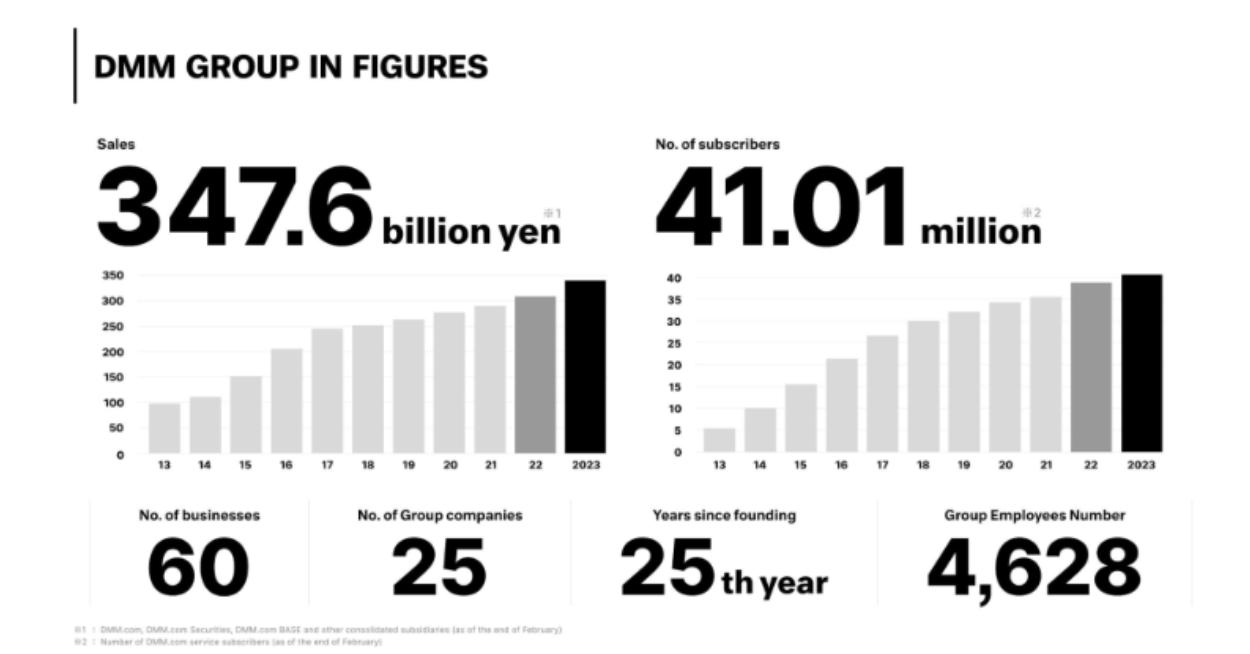
DMM Group will bring 41 million users and a strong brand reputation to Seamoon Protocol, and realize the large-scale application of Web3 in Japan by converting the current user base. The multi-business layout of DMM Group's subsidiaries is worthy of attention for the possibility of business cooperation with Seamoon Protocol in the future. These include but are not limited to DMM Games, which has developed many popular games such as Touken Ranbu and Umamusume in Japan, and DMM Bitcoin, a licensed exchange in Japan. In addition to the advantages of local resources in Japan, Seamoon Protocol is also actively establishing strategic partnerships with overseas companies and investors to achieve global development and expand new user groups.
DM2C Studio Team Introduction
DM2C Studio currently has approximately 50 members dedicated to platform construction, GameFi development, and other financial infrastructure services and non-gaming service development, and is directly managed by DMM Group CEO Keishi Kameyama.
DM2C Studio CEO Nagato Kasaki graduated from Keio University Graduate School of Policy and Media and joined DMM Group in 2014. He is engaged in the construction of big data platforms, distributed technology and blockchain technology research and development, as well as the planning and construction of related business plans. He has also written and published many related technical books. Since 2022, Nagato has been the core technology leader of the Web3 department of DMM Group.
Tatsuya Sato, Director of DM2C Studio, has 14 years of work experience at the Japanese game giant SEGA, and has participated in the production and development of various types of games across eras, including arcade games, online games, card games, etc. He then worked at KDDI, a leading Japanese communications company, for 8 years. In 2021, he joined DMM and is responsible for the strategic planning of the GameFi project and content and service layers.
Financing
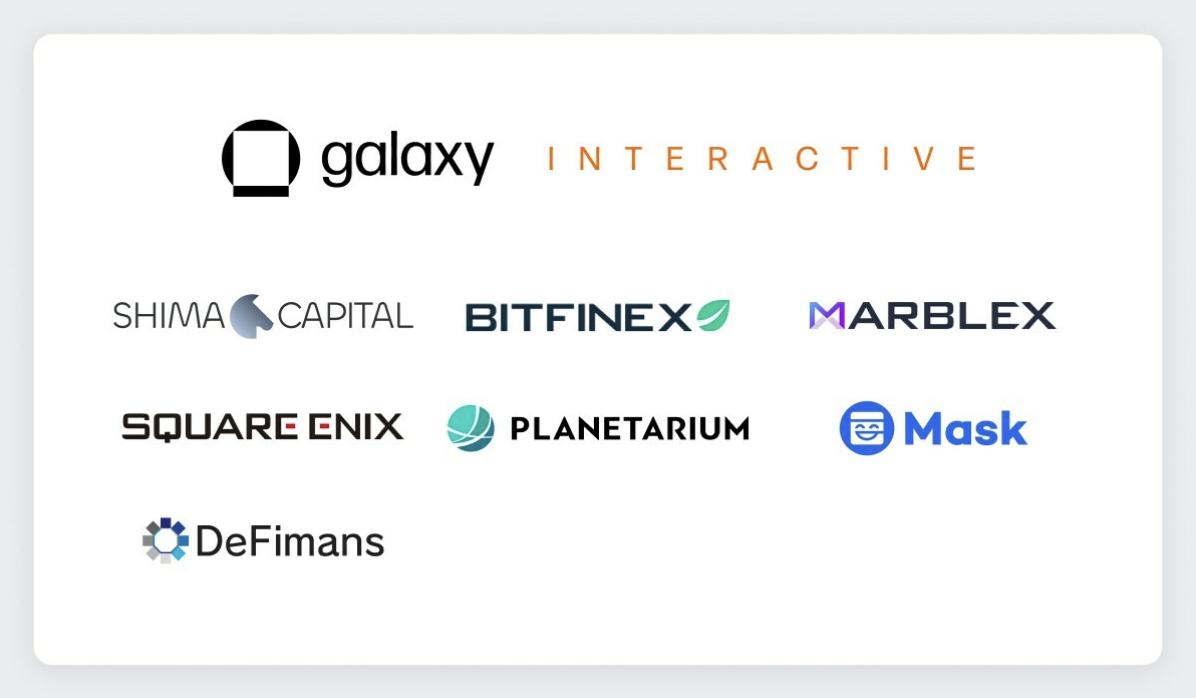
On December 20, 2023, DM2C Studio announced the completion of a strategic financing of 340 million yen, led by Galaxy Interactive, one of the largest venture capital funds in the global entertainment field, and participated by well-known web3 VCs such as Shima Capital, Bitfinex, and Marblex. This is the first round of financing for DM2C Studio, which aims to establish partnerships with major entertainment industry projects around the world to achieve global expansion.
DM2P Token Economic Model
Token Allocation
The total supply of Seamoon Protocol's native token DM2P is 10 billion. It is tentatively scheduled that only 20% of the tokens will be issued and released during TGE, and then the minting of new tokens will be decided based on market demand.
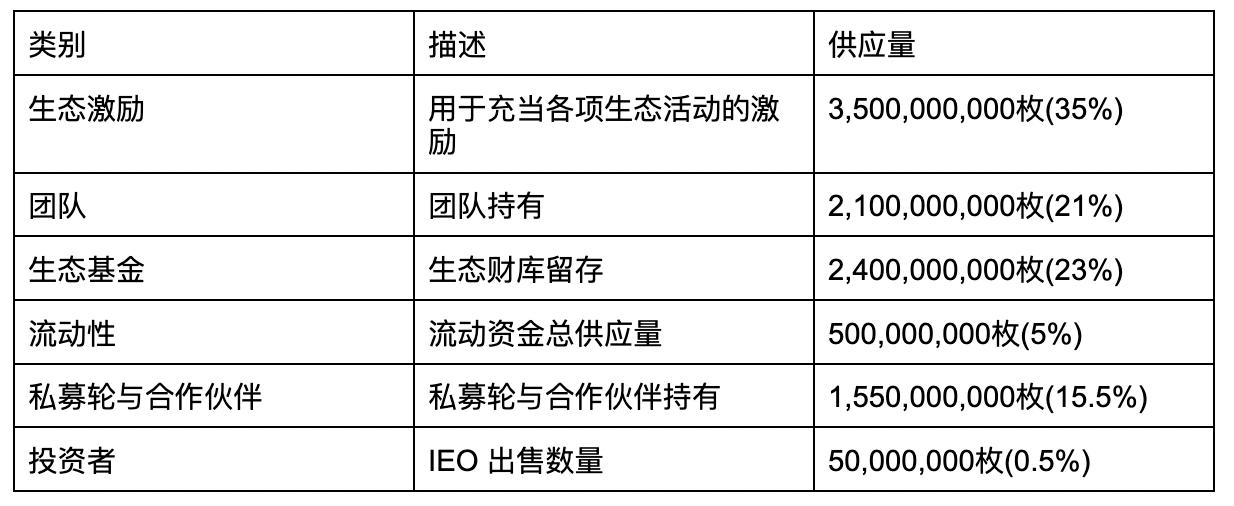
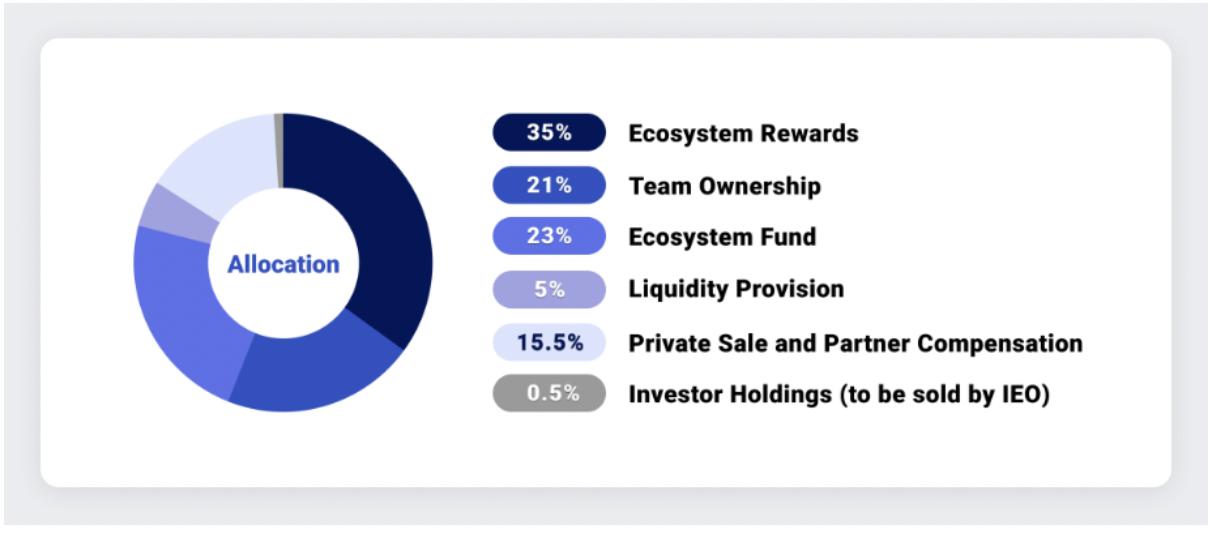
It is worth noting that unlike general Web3 platform projects that rely on investors and private placements to obtain project funding, Seamoon Protocol, backed by DMM Group, chooses to use nearly 60% of tokens for ecological incentives and retention, thereby attracting more users and developers to participate and build a more active ecosystem.
Token Usage
DM2P tokens will be mainly used to pay platform fees and as an incentive for holders.
In terms of payment, developers/publishers can use DM2P to pay for various functions provided by the payment platform, such as identity authentication, membership functions, KYC, cross-chain bridges, customer support, analysis functions, and financial service fees (loans, custody, etc.). Consumers/gamers can use DM2P to purchase premium memberships, upgrade wallets, limited NFTs, commemorative coins, and limited domain names.
In terms of token holder incentives, developers/publishers and consumers/gamers can obtain priority use of the platform, financial services, and in-app features by holding DM2P, as well as priority purchase of limited NFTs and participation in various NFT votes.
Ecological Development
Games
KANPANI☆GIRLS is a cross-platform idle game for beautiful girls developed and operated by DMM Games. The game has a unique and interesting world view setting. It was launched in 2014 and has been downloaded more than 2.5 million times. KANPANI☆GIRLS RE:BLOOM is a Web3 game based on the world view setting of the previous game, with a lot of updated plots and new gameplay. The game is scheduled to start presale in Japan in July-August and officially launch.
DM2C has also reached a strategic cooperation with Thailand's game development company ROTJANA KAANKEM, and will release its game Kyrie & Terra on Seamoon Protocol. Kyrie & Terra is a turn-based RPG game, also in the ACG two-dimensional style, but the difference is that this game is more targeted at Southeast Asian players. The game is expected to be officially released in July.
DeFi
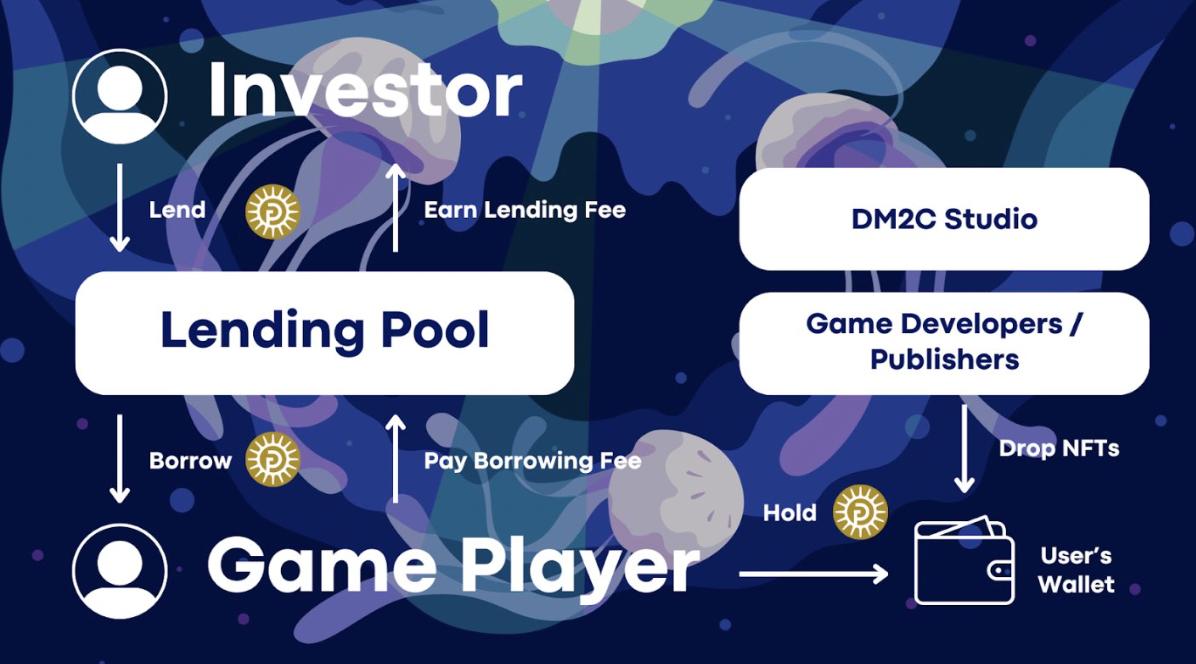
While launching the game, Seamoon Protocol also announced the creation of DeFi-related services to support and enhance the value of DM2P tokens, including liquidity pools and lending pools. In addition to the above-mentioned consumption uses of DM2P tokens, the project also plans to design relevant rights for token holders, including membership rights related to SMP and its games, priority purchase rights, and the right to use some services of the parent company of DMM Group. Holders can lend their tokens through lending services, which is equivalent to converting part of their rights into income through lending.
Conclusion
Seamoon Protocol is committed to solving the current challenges facing the gaming industry through blockchain, providing users with persistent content access and empowering gaming assets. With the resources and experience behind DMM Group, as well as in-depth understanding of the gaming and DeFi fields, Seamoon Protocol may become an important part of the gaming industry and digital entertainment ecosystem. With the launch of more and more gaming projects and DeFi services, we may expect Seamoon Protocol from the "second dimension" to lead the gaming industry to a more lasting and secure future.