Source: Techopedia
Still not sure if Bitcoin is a suitable investment? How many people even use Bitcoin today? In the sections to follow, we discuss 10 reasons why Bitcoin remains one of the hottest asset classes for 2024.
1. Price History – Bitcoin has Generated Significant Growth
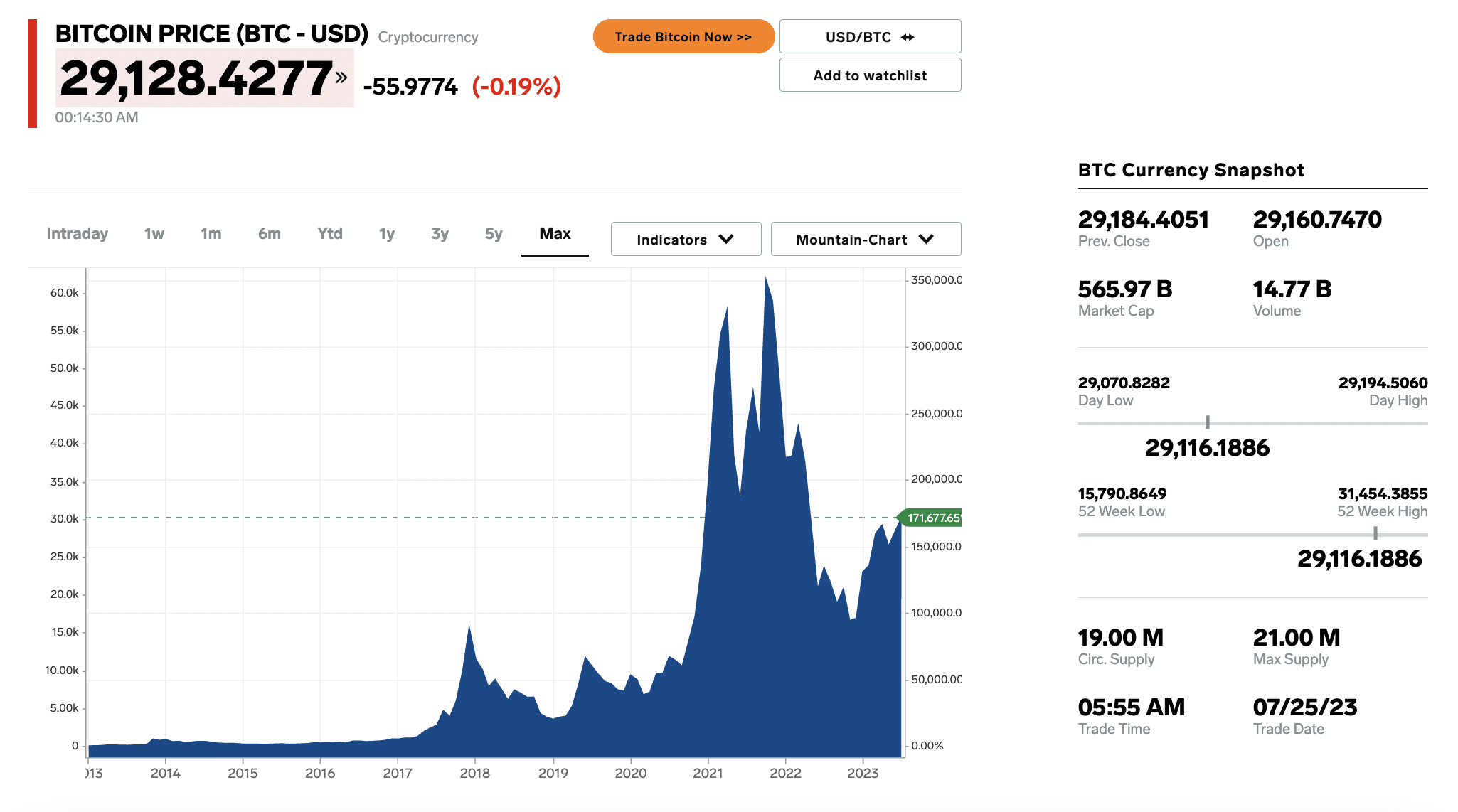
Bitcoin attracts many investors – especially those targeting life-changing gains. The numbers speak for themselves – very few assets have outperformed Bitcoin since it was launched in 2009. According to Investing.com data, Bitcoin was trading at just $0.10 in 2010 – which is the earliest recorded price provided. Just three years later, Bitcoin had already hit highs of $250. This represents growth of over 250,000% for early investors.
It would take many centuries for the stock market to replicate similar returns. At the turn of 2017, Bitcoin was trading at $1,000. By the end of the same year, Bitcoin hit highs of $20,000. In just 12 months of trading, this amounts to growth of 1,900%. Since then, Bitcoin has hit all-time highs of over $68,000. So those investing in early 2017 would now be looking at gains of over 6,700%.
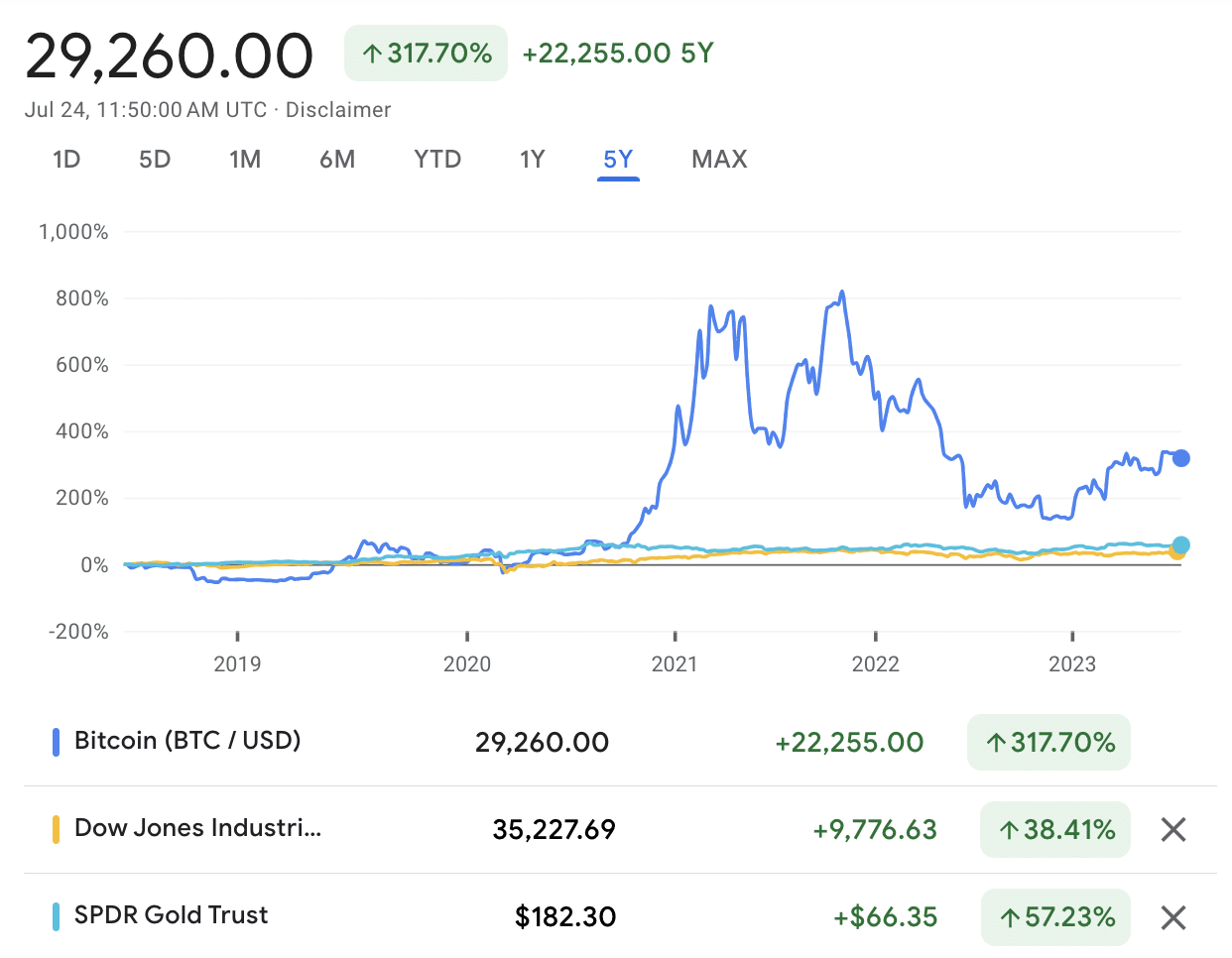
The key point is that Bitcoin’s growth has been significant. Long-term investors, in particular, have generated gains that cannot be rivaled by the stock market. For example, the Dow Jones index – which tracks 30 blue-chip stocks, has grown by 38% over the prior five years. The Russell 2000 – which tracks 2,000 small-cap stocks, has grown by 17% over the same period. While gold has performed better in the prior five years, it has still only returned 58%. In comparison, Bitcoin’s five-year growth stands at 317%.
That said, while Bitcoin’s long-term trajectory has been positive, it goes through many bearish cycles. Volatility levels are much higher than traditional assets, so investors should bear this in mind. Nonetheless, risk can be mitigated by investing in other assets and building a well-balanced portfolio.
How Much Would $100 Worth of Bitcoin be Worth if I Invested 10 Years Ago?
- Bitcoin was trading at approximately $100 per token in July 2013
- Therefore, an investment of $100 would have yielded 1 BTC token
- 10 years later, the same 1 BTC is worth approximately $30,000
- This represents gains of almost 30,000%
- Over the same period, the S&P 500 has grown by 170%
2. Bitcoin is a Decentralized Asset
Decentralization is an important part of the Bitcoin ecosystem. In basic terms, this means that Bitcoin has no single point of failure. In turn, no single personal, entity, or organization has control over the Bitcoin network. This is in contrast to most financial assets. For example, traditional currencies like the US dollar and euro are controlled by central banks. The respective central bank will determine economic policy, such as interest rates and supply levels.
Similarly, banks and financial institutions are also centralized. This means that if the institution goes bankrupt, savers could lose their deposits. Bitcoin is not backed by any government or central bank. This means that by holding Bitcoin, investors control their wealth. This is especially the case when holding the Bitcoin in a non-custodial wallet. The only way to access the wallet is with a password or private key. In other words, Bitcoin cannot be seized or frozen by a third party.
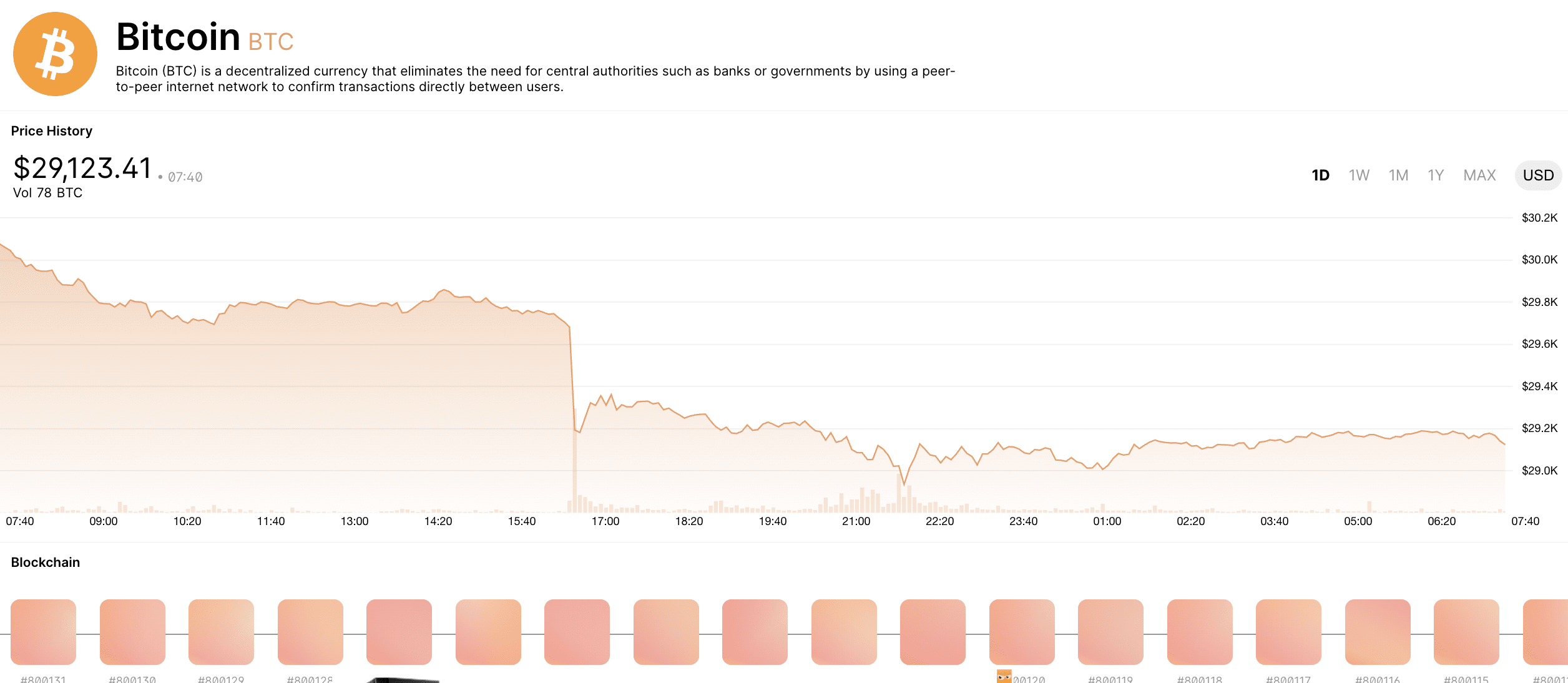
Decentralization is also important when sending and receiving Bitcoin especially for those looking to buy BTC anonymously. As there is no intermediary, transactions do not require third-party approval. Instead, transactions are verified by ‘miners’. In a nutshell, Bitcoin miners keep the network safe and decentralized. Every 10 minutes, a new block of Bitcoin transactions must be validated. Miners will attempt to verify the block by solving a complex mathematical equation. The miner that successfully validates the block will receive a reward of 6.25 BTC. They also receive transaction fees that are paid by senders.
3. Bitcoin has a Fixed and Finite Supply
How many Bitcoins are there? A question most experienced crypto investors have asked over the years.
One of the biggest challenges facing traditional currencies is inflation. This increases the cost of living and is often a result of central bank policies. For example, when a central bank creates new money, this is known as quantitative easing. In more simple terms, central banks ‘print’ new money, which increases the supply. This devalues the currency, meaning savers have weakened purchasing power. Over the course of time, traditional money becomes less valuable as inflation increases.
Bitcoin solves this issue in a number of ways. First and foremost, the Bitcoin supply is determined by code. As there is no single point of control, the Bitcoin supply can not be manipulated by governments and central banks. Instead, new Bitcoin enters circulation every 10 minutes. As we mentioned above, 6.25 BTC is rewarded to miners after verifying a block. This translates to 900 new BTC every day, or 6,300 BTC weekly. This ensures that the Bitcoin supply is predictable and protected against hyperinflation.
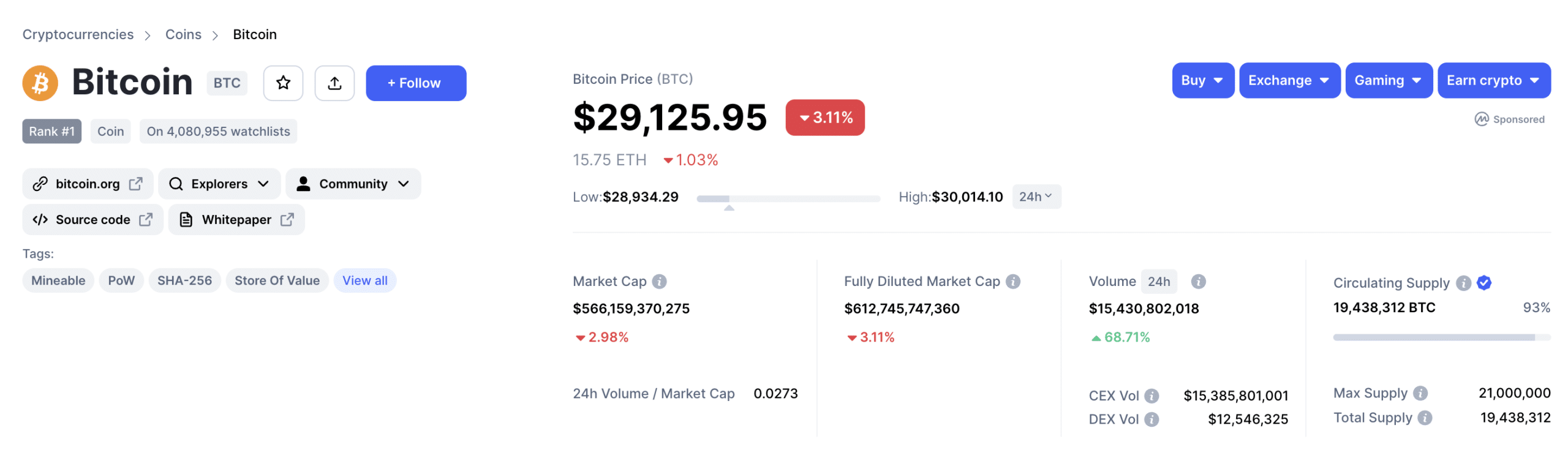
Most importantly, there is a finite supply of Bitcoin. While new Bitcoin enters the circulation every 10 minutes, this will no longer be the case once the supply hits 21 million tokens. This is expected to happen in the year 2140. The finite supply of Bitcoin can help the digital asset appreciate over time. This is on the proviso that there is demand for Bitcoin. If there is – and the supply is finite, Bitcoin’s price can rise organically.
Additionally, we should mention that the mining reward halves every 210,000 blocks, or about four years. The original mining reward was 50 BTC, subsequently reduced to 25 BTC, 12.5 BTC, and now 6.25 BTC. In 2024, the mining reward will halve to 3.125 BTC. This means that every four years, the supply of new Bitcoin tokens is reduced. This ensures that Bitcoin becomes more scarce over time. This is similar to other commodities. After all, there is only so much gold and oil that can be extracted.
4. Bitcoin Can be Used as a Medium of Exchange
When asking the question – Should I buy Bitcoin? – Investors should also explore its use case as a medium of exchange. Currently, the most common medium of exchange used globally is fiat money, such as dollars, pounds, or euros. In other words, a medium of exchange enables people to buy and sell products and services. But unlike fiat money, Bitcoin transactions do not go through third parties.
This enables people to send and receive Bitcoin across borders without regulatory barriers. For example, consider a worker in the US sending money to their family in Africa. The worker will need to use a financial institution or a remittance agent like Western Union. Both options will attract high fees and slow transaction times. Not to mention countless forms and depending on the amount – a KYC process.
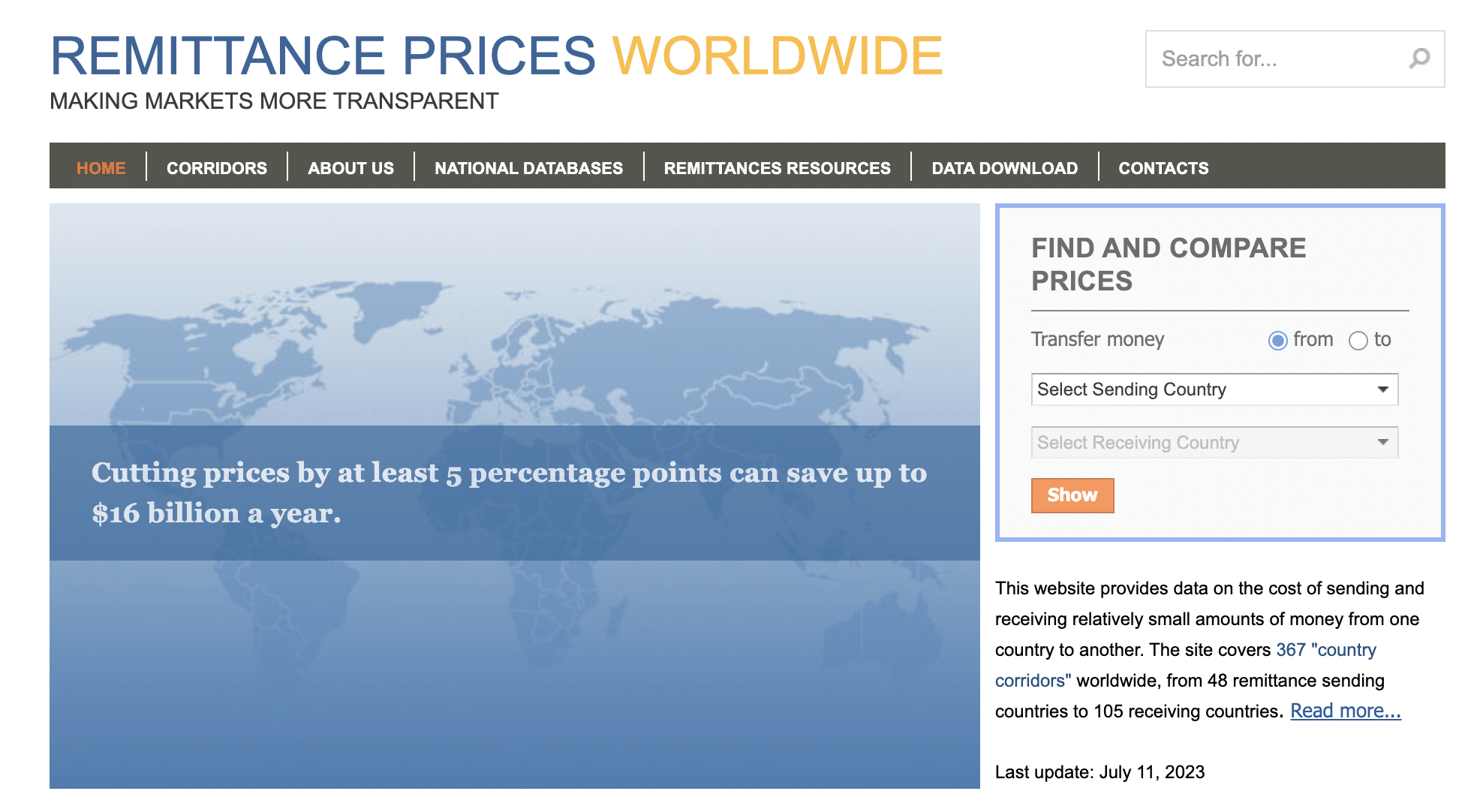
According to the World Bank, the average remittance fee now stands at 6.25% of the transaction amount. So for every $1,000 transferred to friends and family, $62.50 goes to third parties. Now compare this Bitcoin. Irrespective of the amount sent, Bitcoin transactions have a fixed fee – which is determined by network conditions. Currently, Bitcoin transaction fees average $0.70 to $3. So, the same $1,000 transaction would cost between 0.07% and 0.3%.
Naturally, the percentage fee reduces as the transaction amount increases. Nonetheless, Bitcoin is significantly cheaper for cross-border transactions when compared to traditional methods. Moreover, Bitcoin is also a lot faster in many cases – especially when sending funds to an emerging country. For instance, sending funds from Argentina to Indonesia via a bank wire can take several days. This is because the transaction requires correspondent banks, which sit between the sender and receiver’s financial institution.
Bitcoin, on the other hand, averages a transaction time of just 10 minutes. This is the case regardless of:
- Where the sender is located
- Where the receiver is located
- The time or day
- The amount being sent
Another reason why Bitcoin is ideal as a medium of exchange is that there are no regulatory hurdles. As we noted above, international transactions often require countless forms. The remittance agent might require proof of identification and a range of personal details. The transaction will only be approved once the agent is satisfied the transfer is legitimate and compliant.
Bitcoin transactions require no such approval. As soon as the sender confirms the transaction, it will be posted to the blockchain. The receiver should then see the Bitcoin in their private wallet in about 10 minutes.
5. Bitcoin Could Become the De-Facto Store of Value
When exploring the question – Should you buy Bitcoin? – Its use case as a store of value should also be considered. A store of value is an asset that appreciates over time. This is usually because there is a limited or finite supply of the asset, and demand remains consistent. For example, gold and oil are considered stores of value. These precious commodities have a finite supply and enable people to store wealth. This is also the case with other fixed assets, such as real estate, fine art, and even rare wines and whiskeys.
The issue for many is that traditional stores of value are not easily accessible. Nor are they easy to store, transfer, or dispose of. Take fine art as a prime example. An investor will need to ensure they have adequate storage facilities. After all, any damage to the fine art will have a significant impact on its value. This is also the case with gold, silver, wine, whiskey, and most other stores of value. Each asset has optimal storage conditions to protect its value.
In contrast, Bitcoin is safely stored in private wallets, usually via a mobile app or desktop software. Additionally, wallets enable investors to transfer their Bitcoin tokens at the click of a button. This is especially important when it comes to cashing out.
- For example, consider an investor that has 1 BTC in a private wallet
- The investor wants to sell 0.2 BTC to raise money for an emergency
- The investor transfers the 0.2 BTC to a crypto exchange and sells it back to US dollars (or their local currency equivalent)
- The end-to-end process rarely takes more than 10-20 minutes.
Now compare this process with a traditional store of value like real estate. The investor would not have the option of selling a fraction of their property to raise money. And, even if they wanted to sell the entire property, it can take many weeks or months to find a buyer and close the deal. Zillow research shows that it averages 55-70 days to sell a property in the US. In the UK, the market is even slower, with list-to-sale times averaging 4-6 months. This can be hugely problematic to investors seeking quick cash for an emergency.
Bitcoin is also a better store of value than traditional assets because of its predictable supply. As we noted earlier, 6.25 BTC enters the supply every 10 minutes. This reduces over time until 21 million BTC are in circulation. Once the maximum supply is reached, no new Bitcoins will be created. Although gold is also finite, its supply is far from predictable. The annual supply of gold fluctuates based on mining capabilities. This makes it challenging to predict demand and supply levels over time.
We should also note that Bitcoin continues to appreciate at a much faster rate than traditional stores of value. For instance, over the prior five years, Bitcoin has increased by over 317%. Gold has increased by 58% over the same period. Silver has underperformed gold, with growth of 49%.
6. Bitcoin can Help Savers Hedge Against Inflation
While inflation is a global issue, it is particularly concerning in certain parts of the world. For example, Reuters notes that in March 2023, inflation levels in Turkey and Argentina stood at 50% and 104%, respectively. This means that citizens continue to see the value of their wealth depreciate. For example, something costing $50 in Argentina a year ago would now cost $102. High inflation levels are also a concern in Venezuela, Zimbabwe, Sudan, and many other emerging countries.
Bitcoin offers a way to hedge against ever-rising inflation levels. In fact, cryptocurrency adoption rates in inflation-prone countries are very high. For instance, consider a Turkish investor that has $10,000 worth of lira saved in a bank account. If inflation stands at 50%, their savings are effectively reduced to $5,000 in real terms. Now consider the same investor that buys Bitcoin with their $10,000 savings. If Bitcoin remains stable or increases in value, inflation levels are irrelevant. This is because the investor can exchange their Bitcoin back to Turkish lira at any time.
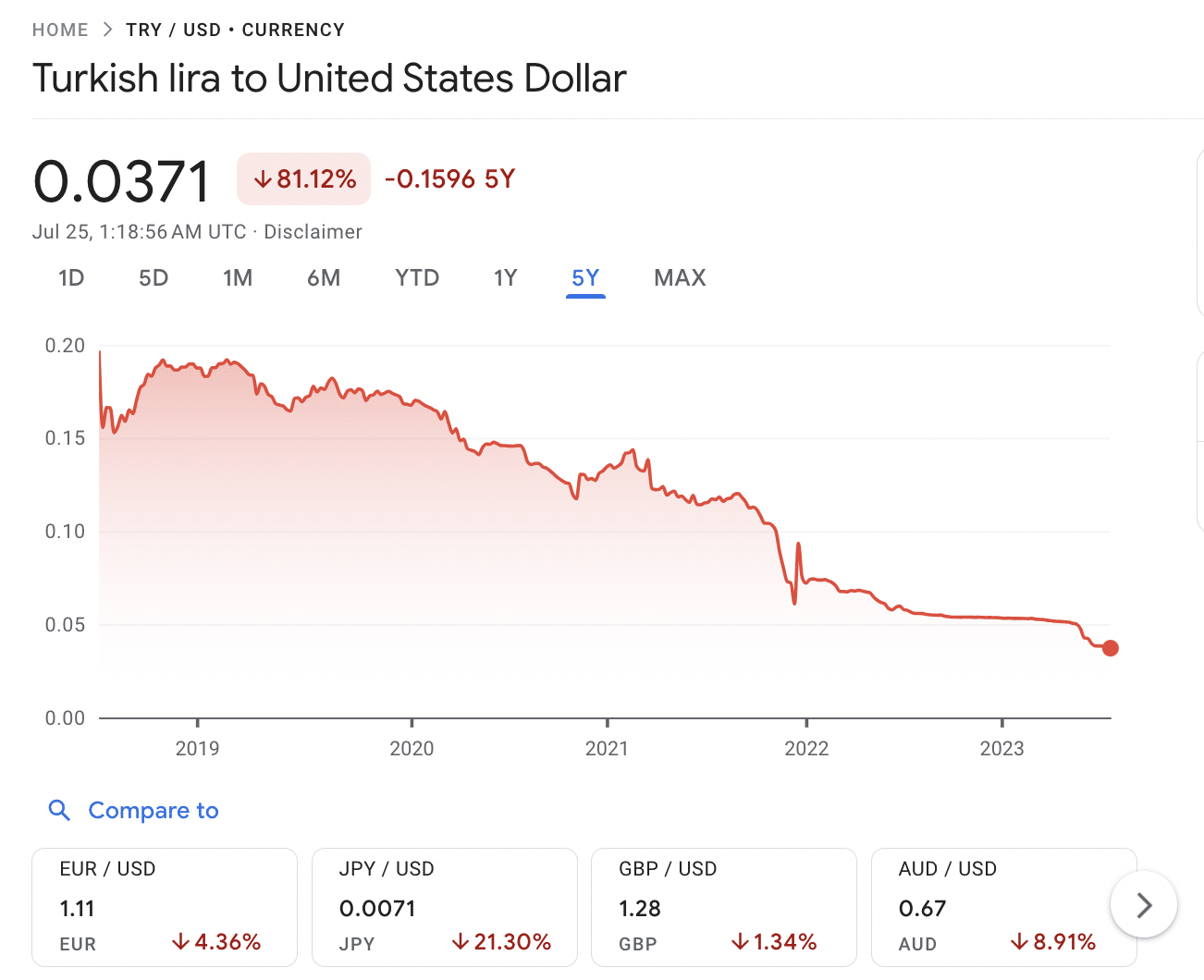
This will be at the current exchange rate. So, if inflation is still at 50% and the Bitcoin price remains constant, the investor will get 50% more Turkish liras when making the exchange. Of course, there is also the risk that both the Turkish lira and Bitcoin depreciate in value. This is why some investors will hedge their currency against a stablecoin like Tether or USD Coin. This is because these stablecoins are pegged to the US dollar like-for-like.
7. Bitcoin Operates in a Liquid Marketplace
Still wondering – Should you buy Bitcoin? Another benefit of buying Bitcoin in 2024 is that it operates in a highly liquid marketplace. In simple terms, this means that entering and exiting the market is seamless. Bitcoin trades on exchanges 24 hours per day, seven days per week. Most importantly, Bitcoin trading volumes are significant.
According to CoinMarketCap data, billions of dollars worth of Bitcoin is traded every day. Currently, average trading volumes sit between $7 billion and $33 billion. Moreover, Bitcoin currently has a market capitalization of over $550 billion. While this is down from its peak of $1.2 trillion, this offers plenty of liquidity for investors.
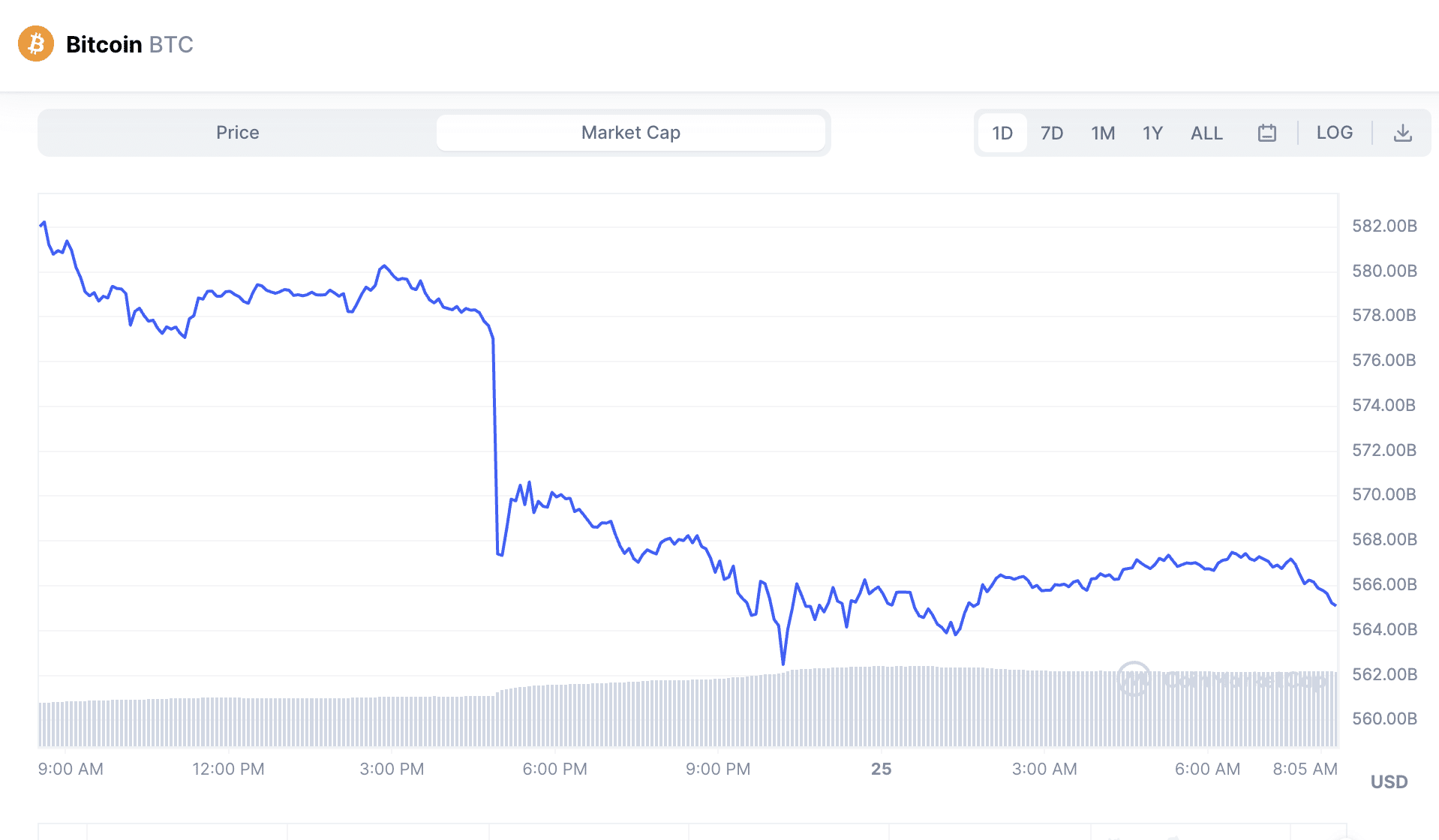
Crucially, this means that investors can cash out their Bitcoin for fiat money at any time. In fact, the process rarely takes more than a couple of minutes. Investors simply need to deposit their Bitcoin on a crypto exchange and create a sell order. The funds will then be added to the user’s exchange balance, which can be withdrawn to a bank account.
In contrast, the process of cashing out traditional stores of value can be cumbersome. For instance, consider the process of selling physical gold. The investor will need to sell the gold to a physical broker during standard business hours. They will not be able to sell a small fraction of their gold, as it cannot be fractionized. Moreover, the gold broker will likely offer a price below the market rate.
8. Bitcoin is Trading at a Discount
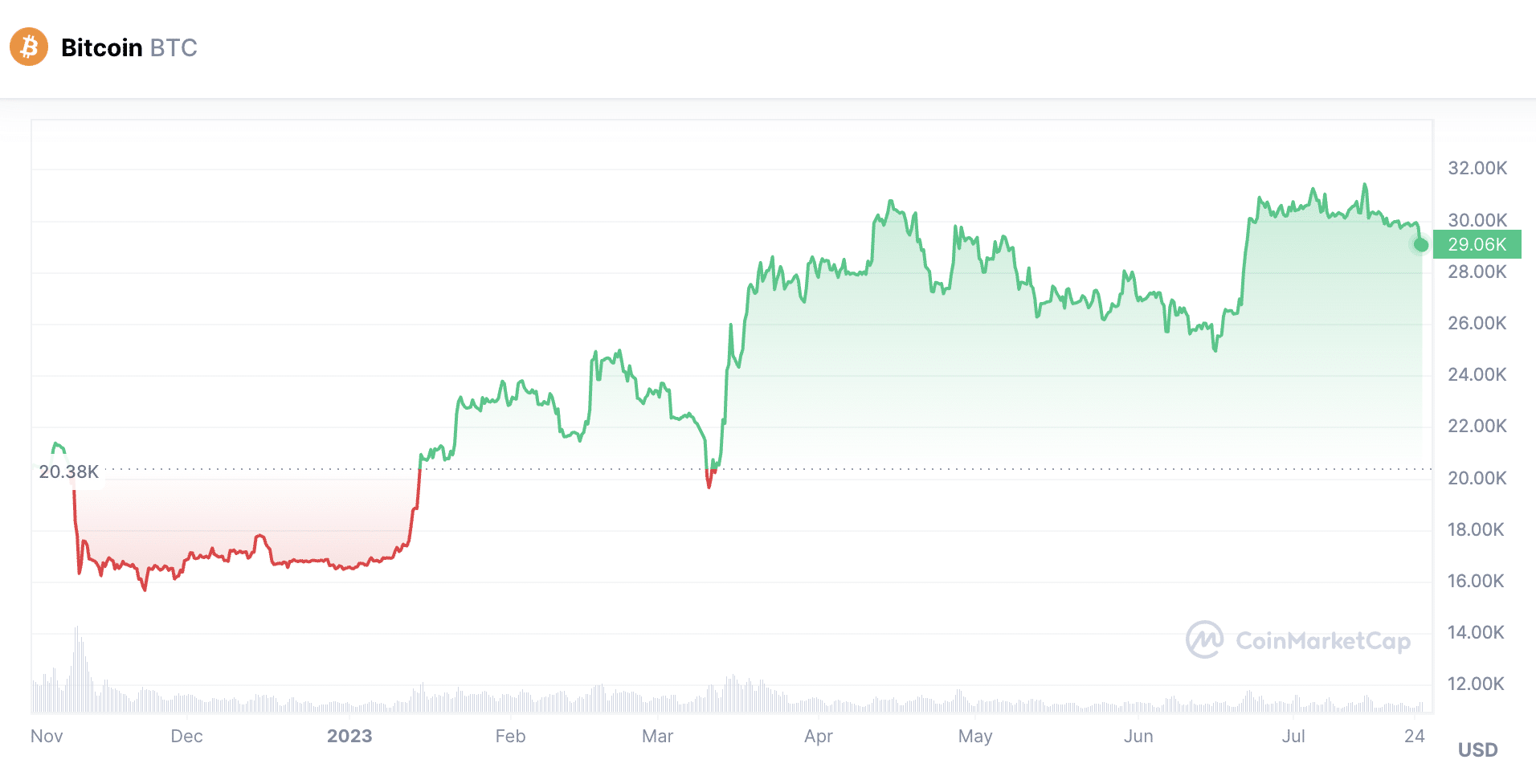
The current bear market should also be considered when asking the question – Should you buy Bitcoin? The reason for this is that Bitcoin is still trading well below its previous all-time high. This feat was achieved in November 2021, when Bitcoin surpassed $68,000. Currently, Bitcoin is trading at approximately $30,000. This means that entering the market today offers a discount of 55%.
Seasoned investors continue to build their Bitcoin positions while prices remain cheap. This isn’t just the case with Bitcoin – but some of the best altcoins too. For example, Ethereum – the world’s second-largest cryptocurrency market capitalization, was trading at almost $5,000 in late 2021. It currently trades at approximately $1,800 – 65% below its former peak.
Some of the best meme coins are also trading at significant discounts. Dogecoin, for example, hit highs of $0.74 in 2021. It now trades at just $0.07 – a drop of over 90%. Going back to Bitcoin, bear market discounts have historically generated the best returns in the long run.
For example, consider that in late 2017, Bitcoin peaked at $20,000. Bitcoin declined by 85% in the 12 months to follow, hitting lows of $3,200. Now consider an investor that bought $5,000 worth of Bitcoin at this price point. By November 2021, their $5,000 investment would have increased by over 2,000% to $100,000.
In more recent times, Bitcoin dropped to lows of $15,500 in November 2022. This represents a drop of 77% from the year prior when Bitcoin was trading at over $68,000. Since hitting these lows, Bitcoin has touched 52-week highs of $31,700. This means that by buying Bitcoin at lows of $15,500, investors have since made gains of over 100%.
9. The Next Bitcoin Halving Event is Approaching
‘Bitcoin halving’ is a significant event in the broader cryptocurrency markets This refers to the date that the Bitcoin mining reward is reduced by 50%. As we mentioned earlier, the original Bitcoin mining reward was 50 BTC. This was then reduced to 25 BTC and 12.5 BTC respectively. Today, the mining reward is 6.25 BTC. The next Bitcoin halving event is expected in Q2 2024. This will reduce the Bitcoin mining reward to just 3.125 BTC.
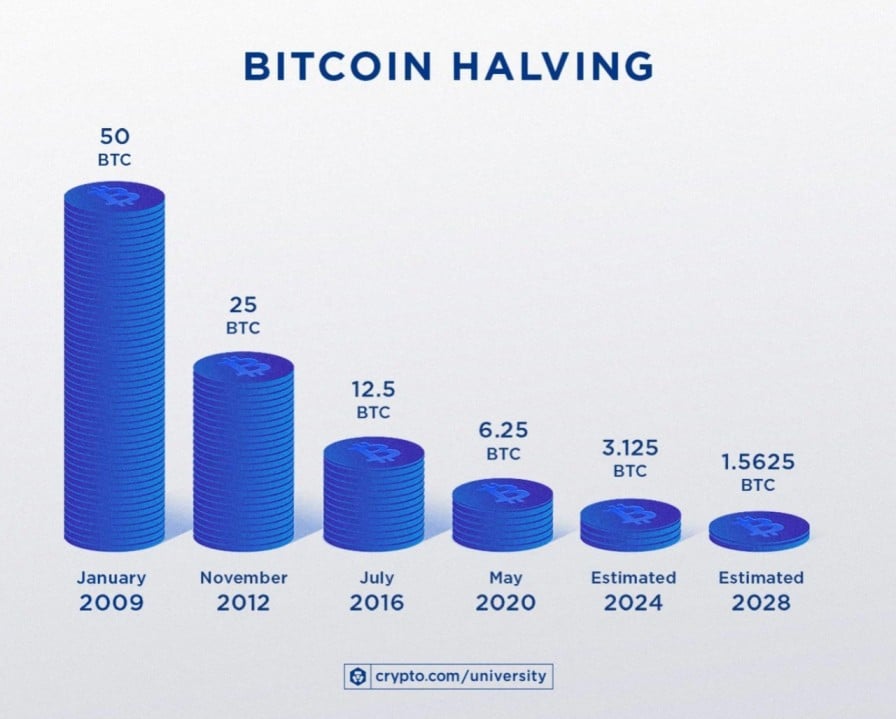
This is important from an investment perspective. After all, the supply of Bitcoin is gradually being reduced – making it more scarce. Concurrently, the demand for Bitcoin continues to rise. This means that the Bitcoin halving event is often the catalyst for a new bull cycle. Since Bitcoin was launched in 2009, there have been three halving events – 2012, 2016, and 2020. On all three occasions, Bitcoin entered a bull run that lasted between 12 and 17 months. In all instances, new all-time highs were achieved.
For example:
- 2012 Halving: The first Bitcoin halving happened in November 2012, which reduced the mining reward from 50 BTC to 25 BTC. Bitcoin was priced at $12.40 when the halving event took place. It went on a prolonged 12-month bull rally, peaking at almost $1,110. Therefore, the 2012 Bitcoin halving generated growth of over 8,700%. That’s gains of over $87,000 for every $1,000 invested on the day of the halving.
- 2016 Halving: The second Bitcoin halving reduced the supply from 25 BTC to 12.5 BTC. Occurring in July 2016, Bitcoin was priced at just over $660 when the halving took place. A 17-month bull rally was to follow, with Bitcoin eventually peaking at $20,000. The 2016 Bitcoin halving generated growth of over 3,000% – so that’s gains of $30,000 for every $1,000 invited.
- 2020 Halving: The most recent Bitcoin halving took place in May 2020, which reduced the mining reward from 12.5 BTC to 6.25 BTC. On the day of the halving, Bitcoin was trading at $6,600. A 17-month rally was to follow, with Bitcoin peaking at over $68,000 in November 2021. The halving event generated growth of over 900% – so that’s gains of $9,000 for every $1,000 invested.
We estimate that the next Bitcoin halving event will happen in April 2024. The specific date is yet to be confirmed, as the halving event will happen once the 840,000th block has been mined. Nonetheless, now could be a good opportunity to prepare for the next halving date. This is especially the case now that Bitcoin is trading 55% below its prior all-time high.
10. Bitcoin Price Predictions Suggest Significant Long-Term Growth
On the one hand, Bitcoin price predictions should be taken with a grain of salt. After all, predictions are subjective to the individual. Nonetheless, many industry insiders believe that significant growth is on the horizon.
For example:
- Changelly, a leading crypto exchange – believes that Bitcoin will surpass $1 million by 2032.
- Ark Invest shares a similar sentiment, with a Bitcoin price prediction of $1 million within the next 10 years.
So that begs the question – Can Bitcoin really hit a price of $1 million? And if so, what would this amount to in growth and valuation?
Well, if Bitcoin was to hit $1 million from its current price of $30,000, this would translate to growth of 3,200%. So for every $1,000 invested today, a $1 million price point would generate returns of $32,000. This would give Bitcoin a market capitalization of over $17 trillion.
To evaluate how realistic a $17 trillion valuation is, let’s compare this to other asset classes and markets.
- The S&P 500, which tracks 500 large-cap US stocks, is valued at over $37 trillion.
- According to the World Gold Council, the total value of all mined gold stands at $12 trillion.
- The total amount of US government debt stands at over $32 trillion.
Based on the above estimates, some would argue that even at $17 trillion – Bitcoin has plenty more upside to offer. After all, Bitcoin is a global asset class that is not controlled by any governments or central banks. It is not hindered by borders or domestic currencies. On the contrary, Bitcoin operates independently from the broader global economy.
For example, consider that more than 1.4 billion people still do not have access to a bank account – let alone debit/credit card facilities. Bitcoin could be the perfect solution for the unbanked. This is in addition to the billions of people that are impacted by high inflation levels and central bank manipulation. And crucially, Bitcoin can be used as both a store of value and a medium of exchange. This increases its global appeal even further.