Today, with the rapid development of blockchain technology, the revenue sustainability of public chains has become a key indicator to evaluate its long-term development potential. This report focuses on the three major public chains currently on the market - Ethereum, Solana and Tron. By analyzing their gas fee income composition, on-chain economic activities, and the sustainability of user income and expenditure, An in-depth discussion of the revenue models and sustainability of these public chains.
According to the latest information provided by Defilama, in the past 30 days, Ethereum is far ahead with a total gas fee of US$99.89 million, followed by Solana and TRON with gas fees of US$46.21 million and US$38.97 million respectively.
However, this revenue advantage is not fully reflected in market popularity and user activity. It is worth noting that Solana has become more popular than Ethereum in the past six months, while Tron has gained wide recognition in the payment field with its low transaction fees.
What’s even more striking is that the daily active address data shows a completely different pattern from gas fee revenue: TRON tops the list with 2.1 million daily active addresses, Solana follows with 1.1 million, and Ethereum only has 1.1 million daily active addresses. 316,000.
This phenomenon highlights the complex relationship between the composition of gas fee income, on-chain economic activities, and the sustainability of user income and expenditure. It also provides a unique perspective for us to deeply analyze the income sustainability of these three major public chains.
This report will provide an in-depth analysis of the revenue composition of Ethereum, Solana and Tron, and explore their long-term development potential and revenue sustainability.
Ethereum
GAS fee income composition
Ethereum has gone through a series of major upgrades, including the transition from Proof of Work (PoW) to Proof of Stake (PoS) and the implementation of the EIP-1559 proposal, which has had a profound impact on its Gas fee structure.
The new Gas fee structure is divided into two parts: the base fee (Base Fee) automatically destroyed by the system and the tips (Tips) paid directly to the verifier. The destruction mechanism of the base fee is expected to push ETH into a deflationary state, potentially increasing its value. At the same time, the dynamically adjusted basic fee helps optimize network resource allocation, while the tip provides additional incentives for validators and maintains network security.
This dual structure not only diversifies the income sources of validators and reduces dependence on new currency issuance, but also creates long-term deflation potential for ETH through the base fee destruction mechanism. Overall, this series of changes is intended to enhance the economic sustainability and long-term value proposition of the Ethereum network.
In the past 30 days, Ethereum has destroyed approximately US$47 million worth of ETH through the Base Fee mechanism. This data not only reflects the activity of the network, but also provides a useful tool for analyzing the contribution of various on-chain activities to the total Gas consumption. It provides an important basis and helps to deeply understand the economic influence of different applications and transaction types in the Ethereum ecosystem. The main contributors to the destruction volume are shown in the figure below.
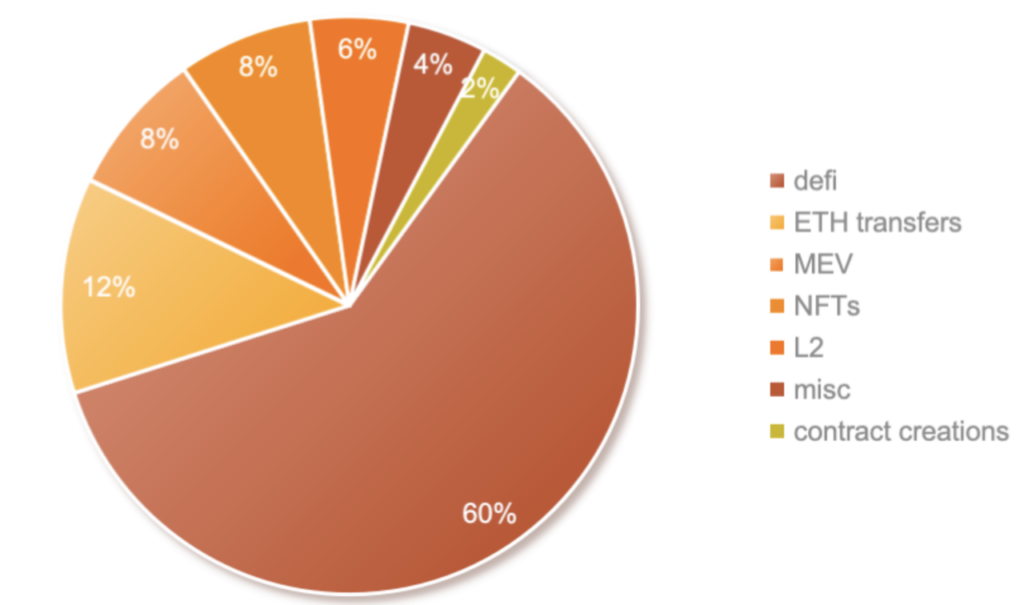
Figure 1-1 Ethereum ecological destruction statistics
The gas consumption distribution of the Ethereum network reflects the activity of its ecosystem and the flow of economic value. Based on the Gas fee burning ratio shown in the chart, we can clearly identify the dominant application categories on the Ethereum main chain and their relative importance.
Decentralized finance (DeFi) leads the way with a share of 60%, highlighting its core position in the Ethereum ecosystem. Followed by ETH transfers (12%), MEV (maximum extractable value, 8%) and NFT (non-fungible tokens, 8%), these four categories together contributed 88% of the total Gas consumption , constitutes the main economic activity of the Ethereum network. Layer 2 solutions (6%) and smart contract establishment (2%) account for a relatively small proportion, which reflects that the development of the Ethereum ecosystem is temporarily in a "trough period."
Although the Ethereum network is currently in a relatively low period, its gas consumption distribution still presents a diversified ecological pattern, dominated by DeFi, supplemented by ETH transfers, MEV and NFT and other fields, demonstrating the continued development of the network. Its vitality and wide range of application scenarios have laid a solid foundation for the growth of the value of the Ethereum network.
Economic activities on the chain
Defi
As a core component of the Ethereum ecosystem, decentralized finance (DeFi) covers a diverse range of segments, including decentralized exchanges (DEX), lending platforms, DEX trading robots, stablecoins, derivatives, Crypto wallets and Liquidity Collateralized Derivatives (LSD), etc.
Through an in-depth analysis of the gas burning details of Ethereum, we have observed that tracks such as DEX, stablecoins, DEX trading robots and crypto wallets have outstanding performance in terms of gas consumption and occupy the top positions. This reflects the growth of these segments. The current dominance and user activity in the DeFi ecosystem.
Uniswap (DEX)
As the largest decentralized exchange (DEX) in the Ethereum ecosystem, Uniswap not only provides users with efficient on-chain spot trading services, but also serves as the infrastructure of the decentralized finance (DeFi) ecosystem, meeting the needs of Rigid demands on the blockchain network.
Uniswap's revenue in the past 30 days was US$54.23 million, of which the gas fee burned was US$8.15 million, accounting for approximately 17.3% of the Ethereum ecosystem. Statistics (Figure 1-2) show that Uniswap’s top trading pairs are mainly composed of ETH and stablecoins. The highly speculative Meme token transactions account for a very low proportion of the overall transaction composition. This phenomenon highlights A healthy ecology dominated by normal transaction behavior on the platform.
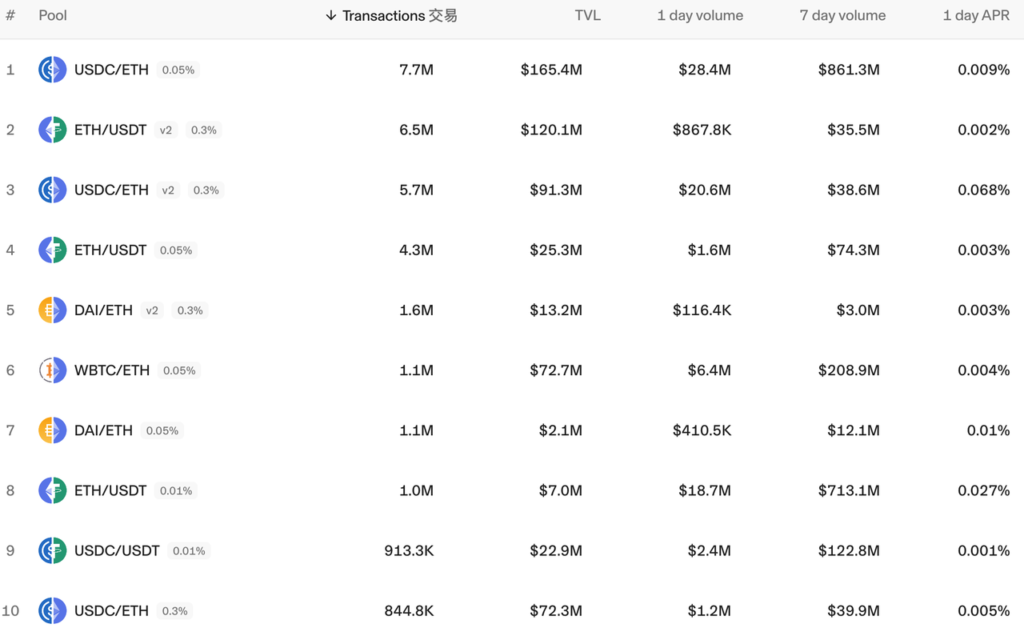
Figure 1-2 Top trading pairs in Uniswap (Source: Uniswap )
1inch (DEX)
As the leading decentralized exchange (DEX) aggregator in the Ethereum ecosystem, 1inch provides users with optimal trading paths and prices by integrating the liquidity pools of multiple DEXs, especially in niche token transactions. provide unique advantages.
1inch contributed approximately US$1.21 million in gas fees in the Ethereum ecosystem, accounting for 3% of the total.
The entire DEX track accounts for more than 40% in the DeFi field and more than 25% in the Ethereum ecosystem, highlighting DEX's status as the most active track in Ethereum. Mainstream DEX projects focus on normal transactions and rarely involve Meme tokens, reflecting a healthy ecological composition. Although the DEX track has the highest proportion, it only accounts for 25% of the Ethereum ecosystem, reflecting a reasonable distribution of gas fees.
Stablecoin transfer
As a key indicator to measure the prosperity of the chain, stablecoin transfer ranks second only to DEX in the Ethereum ecosystem. It plays a role similar to legal currency in on-chain transactions. It not only provides pricing benchmarks for other tokens, but also facilitates its transactions. The advantages of convenience and low slippage have become the preferred intermediary for on-chain token transactions. It is mainly composed of USDT and USDC, two mainstream stablecoins in the industry, which effectively reflects the capital demand and activity of the Ethereum ecosystem.
In the past month, the gas fees burned related to stablecoin transfers on the Ethereum chain reached US$4.01 million, accounting for approximately 8.5% of the total gas fees burned during the same period. This data not only reflects the strong demand for funds on the chain, but also highlights the stablecoin The importance of transfers in measuring the sustainable development potential of public chains, because it is directly related to whether the public chain has sufficient funds and user base, and Ethereum's strong performance on this indicator further confirms its role in the cryptocurrency ecosystem. leading position and driving force for sustainable development.
Dex Trading Bot
The rise of the Dex Trading Bot track stems from the popularity of Meme coins. As an automated trading tool designed specifically for DEX traders, it is mainly used to facilitate users to snap up Meme coins, because with the proliferation of Meme coin projects, its market It shows extremely high volatility and short periods (some even active periods are less than 10 minutes), which greatly increases the difficulty of trading. Often, a few seconds of difference in buying timing can determine profit and loss.
Therefore, a large number of trading users use Dex Trading Bot to snatch Meme coin openings. This process will not only generate a large amount of Gas fees, but also include a high proportion of bribe fees. The purpose is to win the priority for blockchain miners to package their own transactions so that they can be used in Meme. Gain an early advantage in currency trading.
Figure 1-3 shows that the Dex Trading Bot project (mainly Banana Gun and Maestro) ranks third in terms of gas fee contribution, second only to Uniswap and Ethereum/stablecoin transfers.
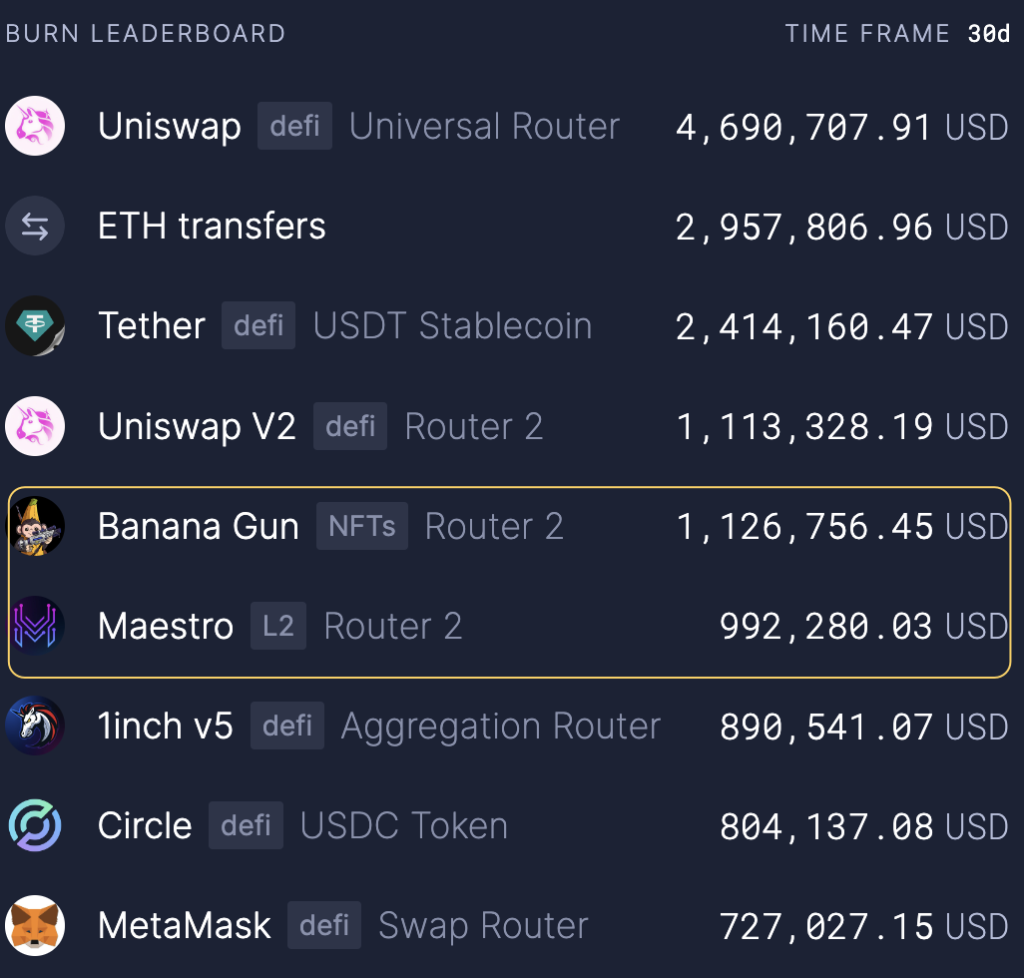
Figure 1-3 Ranking of Ethereum Base Fees destruction contributions on the 30th
As a cross-chain compatible Dex Trading Bot project, Banana Gun is mainly active on the Ethereum chain and has contributed up to US$1.73 million in gas fees in the past 30 days. It not only ranks first among all Dex Trading Bot projects, but also in the entire Ethereum ecosystem. Accounting for 3.68%, it demonstrates its dominant position in the field of automated trading tools.
Maestro is also a multi-chain compatible Dex Trading Bot project, with Ethereum as the main application scenario. It has generated US$1.51 million in gas fees in the past 30 days, ranking second among the Dex Trading Bot projects, accounting for 10% of the total gas fees in the Ethereum ecosystem. 3.21%, highlighting its important influence in the automated trading market.
The prominent position of the Dex Trading Bot track in the Ethereum ecosystem (ranking third in gas fee contribution, accounting for about 6.9%) reflects its importance, and the top effect is obvious (Banana Gun and Maestro occupy more than 90% of the market share). It not only shows the concentration of the track, but also indirectly reflects the reasonable popularity of Meme currency transactions on the Ethereum chain. This balance not only meets the transaction needs, but also avoids the negative impact that excessive speculation may have on the normal ecological projects on the chain. This provides strong support for the healthy development of the Ethereum ecosystem.
Cryptocurrency wallet
As the infrastructure for public chain user activities, the wallet's gas fee contribution not only reflects the real user activity on the chain, but is also a key indicator for measuring the ecological health of the public chain. Data (Figure 1-4) shows that as the most widely used on-chain wallet project, MetaMask ranks first in the Ethereum ecosystem, contributing US$2.91 million in gas fees (burning US$940,000) in the past 30 days, accounting for the entire Ethereum chain gas fee. About 2% of the total, highlighting the important position of the wallet track in the public chain ecosystem.
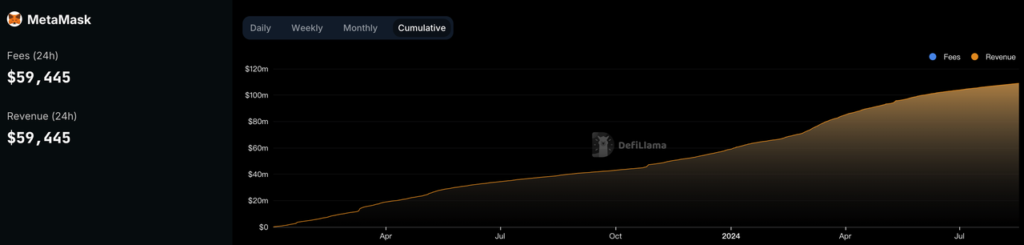
Figure 1-4 MetaMask contributes Gas fees (Source: DefiLlama )
On-chain transfer
As the second-ranked chain, Ethereum on-chain transfers have burned US$3.83 million in gas fees in the past month, and are estimated to have contributed about US$25.5 million in total gas fees, accounting for about 12% of the total gas fees in the Ethereum ecosystem, highlighting its Its important position in the ETH ecosystem and the strength of user demand.
MEV
MEV is a unique phenomenon in the transaction processing stage of the blockchain. It is reflected on the Ethereum chain as an additional fee paid by the user to speed up the transaction. The basic fee is destroyed, and the miner's tip is directly owned by the miner. This mechanism is in EIP-1559 It will be more clear after the upgrade.
Excessively high MEV demand often reflects the unhealthy development of the on-chain ecology. Especially in the Meme coin project, due to time sensitivity, users continue to increase MEV fees to gain an advantage. Therefore, the amount of MEV fees is also to some extent It can indirectly reflect the activity of the Meme coin project on the chain.
The MEV burning fee on the Ethereum chain is approximately US$3.76 million, accounting for 8% of the total burning fee on the chain. This data shows that participation in the Meme coin project does not dominate the Ethereum ecosystem.
Ethereum Ecological Summary
The Ethereum ecosystem shows a development trend that is diversified but concentrated in several major areas. The DeFi track is far ahead with 60% of the gas fee ratio, highlighting its core position, but the internal subdivision tracks are reasonably distributed.
ETH transfers (12%), MEV (8%) and NFT (8%) follow closely, with these four categories accounting for 88% of the total Gas consumption. The subdivided tracks that burn the most gas fees on the chain are DEX (26%), on-chain transfers and stablecoins (17%), Dex Trading Bot (7%) and wallet tracks (3%), accounting for a total of 53% . Layer 2 solutions (6%) and smart contract establishment (2%) account for a relatively small proportion, reflecting that ecological development may be in a "trough period."
Despite this, this decentralized gas fee distribution still reflects the relatively balanced development of Ethereum's various tracks, without excessive concentration in a single track, demonstrating the overall health of the ecosystem.
Solana
Transaction fee composition
Fees and costs on the Solana chain can be divided into three parts:
- Transaction Fees – the cost for validators to process transactions/instructions
- Priority fee – an optional fee to increase the order in which transactions are processed
- Rent – the reserved balance that maintains on-chain data storage
The Solana chain stipulates that a fixed proportion of each transaction fee (initially 50%) be burned, and the remaining 50% belongs to the validator. Solana stakers received transaction fee rewards worth $23.1 million in the past 30 days.
The popularity of the Meme coin project on the Solana chain has resulted in extremely high transaction time sensitivity, prompting users to significantly increase priority fees to gain the upper hand, thus significantly increasing the handling fees and bribery fee income of Solana pledgers.
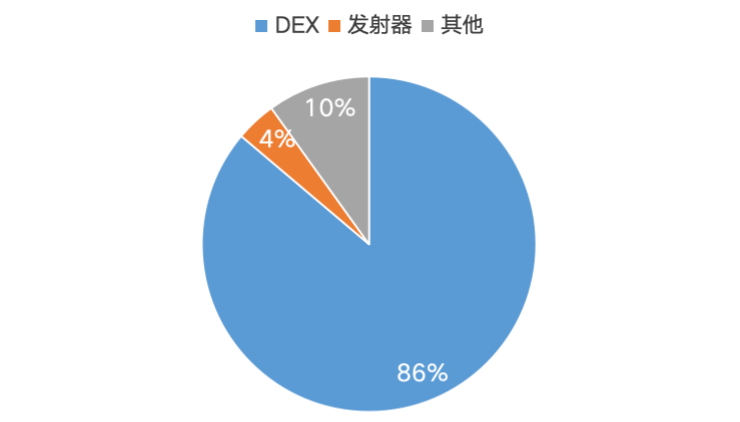
Figure 2-1 The proportion of interaction volume of each track within 30 years on the Solana chain
The amount of interaction on the Solana chain directly reflects the frequency of transactions on the chain, which is closely related to Solana's fee income. From the data in Figure 2-1, we can clearly see that the activity distribution on the Solana chain is as follows:
- DEX (decentralized exchange) activity occupies an absolutely dominant position, with a share of up to 86%
- Launchers (which may refer to token issuance or other specific functions) account for 4%
- Other activities account for 10%
DEX activity plays a central role in the Solana ecosystem.
Economic activities on the chain
DEX
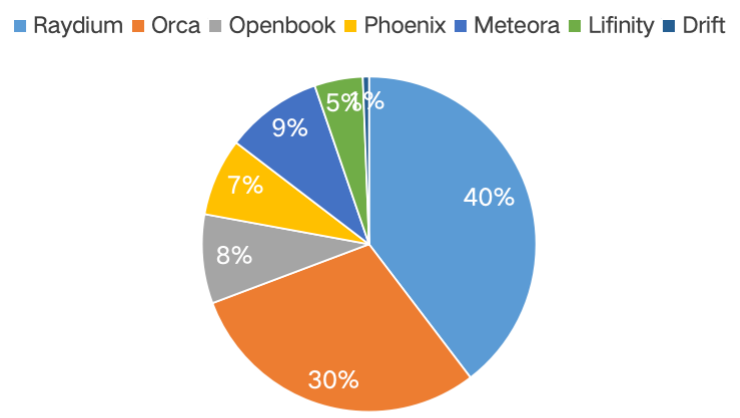
Figure 2-2 Proportion of DEX interaction volume on the Solana chain
The data in Figure 2-2 shows that Raydium and Orca account for 70%, becoming the main places where activities on the Solana chain occur.
Raydium, as the largest decentralized exchange in the Solana ecosystem, has generated US$52.37 million in transaction fees in the past 30 days. Figure 2-3 statistics show that its revenue mainly comes from Meme currency trading pairs, highlighting the role of speculative Meme currency trading. Solana’s current dominant position in the DeFi market and its significant contribution to platform revenue.
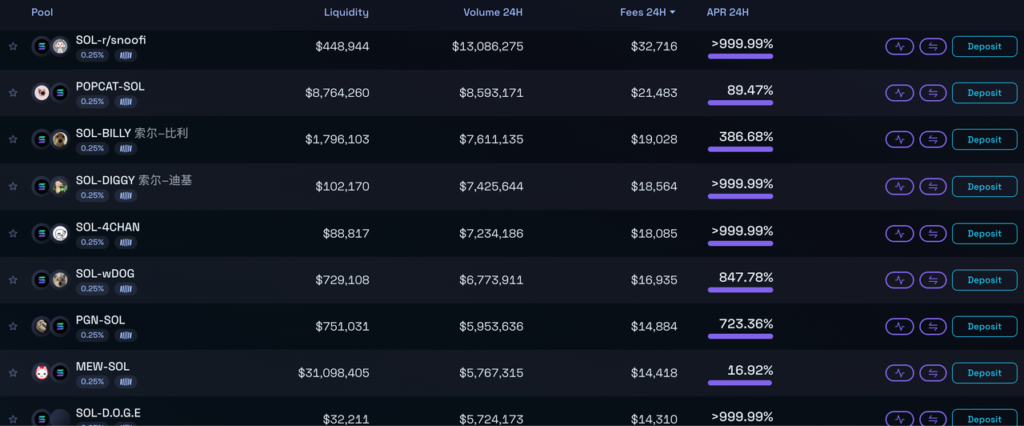
Figure 2-3 Top trading pairs ranked by Raydium revenue (Source: Raydium )
As the second largest decentralized exchange in the Solana ecosystem, Orca has generated $12.25 million in transaction fees in the past 30 days, of which more than 50% of revenue originated from Meme currency trading pairs, reflecting the speculative Meme currency trading in the Solana DeFi market. and its significant contribution to platform revenue.
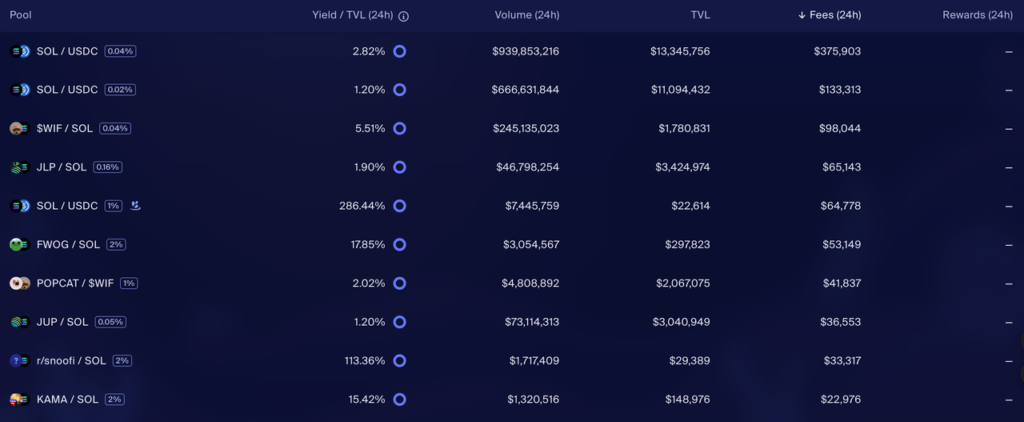
Figure 2-4 Trading pairs with the top income rankings in Orca
Recent data from the Solana ecosystem shows that the DEX track accounts for 86% of on-chain interactions, and the estimated handling fees account for more than 80%, with Raydium and Orca accounting for 70% of the DEX market.
It is worth noting that Meme currency transactions account for more than 90% and 60% respectively in these two major DEXs. It is estimated that Meme currency transactions contribute more than 55% of the gas fees in the entire Solana ecosystem.
Specifically, of the US$46.21 million in Solana’s gas fee revenue in the past 30 days, Meme currency transactions contributed approximately US$30 million. Although Meme currency transactions have increased on-chain activity and revenue in the short term, their essence is speculative behavior, which continuously extracts participation. or funds.
Therefore, despite the impressive data performance, we believe that this development model with Meme currency as the main driver lacks sustainability, and the Solana ecosystem urgently needs to seek a more balanced and healthy growth path.
MEV
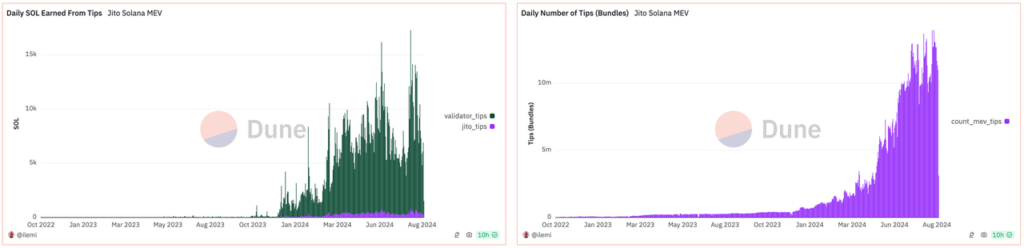
Figure 2-5 MEV daily cost on the Solana chain (Source: Dune )
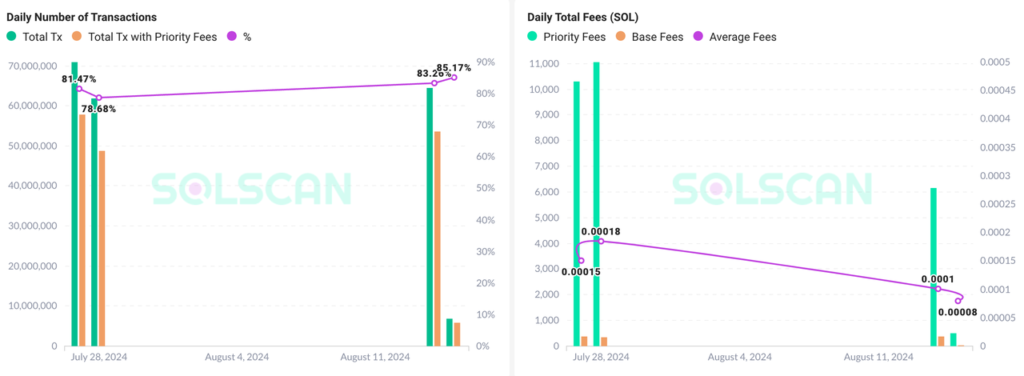
Figure 2-6 MEV proportion on the Solana chain (data source: Metabase )
The MEV (Maximum Extractable Value) mechanism on the Solana chain has taken on a new development trend due to the surge in demand for Meme coin transactions, and has become one of the main features of on-chain transactions.
In the past 30 days, the transaction volume with priority fees (MEV) on the Solana chain accounted for 82.45% of the total transaction volume, showing that the vast majority of transactions use the MEV mechanism. MEV fees account for up to 80% of handling fees, highlighting its importance in the Solana ecosystem. Specific data shows that Solana’s fee income in the past 30 days was US$46.21 million, of which MEV fees exceeded US$30 million. These data further confirm the dominant position of Meme currency transactions in Solana's current ecosystem, and also reflect the phenomenon of users making extensive use of the MEV mechanism in order to seize Meme currency transaction opportunities.
Dex Trading Bot
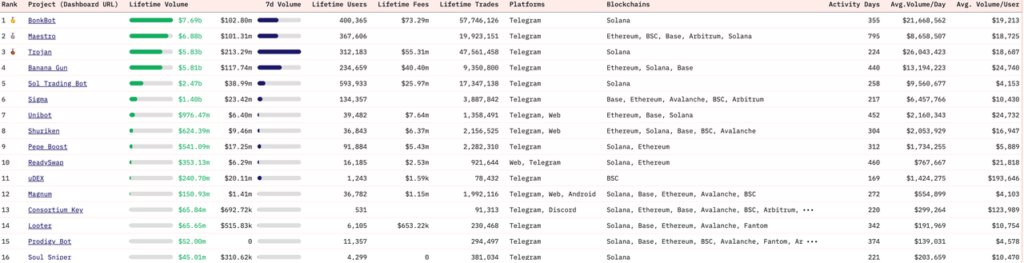
Figure 2-7 Dex Trading Bot ranking (Source: Dune )
Through the analysis of the Dex Trading Bot transaction volume ranking, it is found that the top three Dex Trading Bot projects (Photon, Bonkbot and Trojan) account for more than 90% of the transaction share of this chain.
- Photon's revenue in the last 30 days was $18.96 million
- Bonkbot's revenue in the last 30 days was $3.35 million.
- Trojan's revenue in the last 30 days was $11.36 million.
Based on the above information, the revenue of the Dex Trading Bot project on the Solana chain within 30 days was approximately US$33.67 million.
Solana ecological summary
About 80% of the transactions on the Solana chain are contributed by Meme currency transactions. The monthly cost of Meme currency players is:
- MEV prioritization fee: $30 million
- Dex Trading Bot royalties: $30 million
- DEX transaction fees: $50 million
- Meme coin players’ estimated monthly losses: $110 million
Based on the above data analysis, Solana's current ecological prosperity model driven by Meme coins has significant sustainability risks . Although Meme currency trading has brought considerable on-chain activity and revenue to Solana in the short term, this model imposes a huge financial burden on participants. Fixed player losses exceeding $100 million per month, annualized to $1.3 billion, highlight the unsustainability of the current model.
The Meme coin project essentially lacks long-term value support, and its prosperity relies heavily on continued capital inflows and user participation. However, as losses continue to accumulate among participants, market enthusiasm may be difficult to maintain.
The Solana ecosystem is facing severe challenges and needs to seek a more balanced and sustainable development path, reduce reliance on a single, high-risk track, and cultivate applications and projects that can create long-term value to ensure the healthy development and long-term development of the ecosystem. Prosperity.
Solana ecosystem participants and decision-makers carefully evaluate the current development model and formulate strategies to reduce dependence on Meme currency transactions. At the same time, they actively explore and support projects with substantial value and long-term development potential to build a more robust and sustainable region. Blockchain ecosystem.
Tron
The Tron chain has a unique design. The on-chain handling fees are mainly used to compensate for network energy and bandwidth consumption rather than node bribery, among which:
- Computational energy fee: Computing resources used to process and verify transactions.
- Bandwidth fee: used to disseminate transaction data in the blockchain network.
Users need to burn TRX payment transaction resources when bandwidth or energy is insufficient, promoting TRX deflation.
Figure 3-1 data shows that since October 29, 2021, TRX circulation has shown a continued deflation trend. This phenomenon is mainly attributed to the widespread use of USDT on the Tron network and its significant growth in transaction volume. The continued expansion of stablecoin transfer activities provides strong support for TRX’s deflation mechanism and guarantees the sustainability of TRX’s economic model.
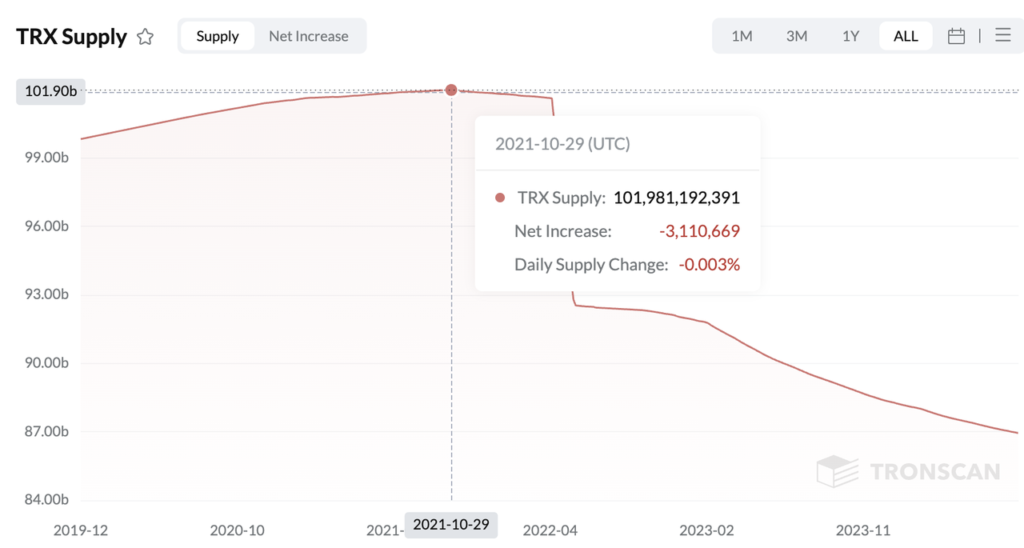
Figure 3-1 TRX total circulation statistical chart (data source: TRONSCAN )
Figure 3-2 shows that, taking data on July 22, 2024 as an example, USDT transfers accounted for 94.51% of the activities on the Tron chain, highlighting its absolute dominance in the Tron ecosystem.
The design advantages of the Tron chain include a low fixed 1U transfer fee (not affected by the amount), a fast block time of 3 seconds (compared to Ethereum’s 16 seconds), and no additional priority fees, making it a leader in on-chain payments. Have significant competitive advantages.
These characteristics not only meet the market's demand for efficient and low-cost payment solutions, but also verify Tron's initial positioning as a payment public chain. These advantageous features of Tron have effectively attracted a large number of users, especially in the stablecoin transfer scenario, thus promoting the continued growth of on-chain activities and consolidating its key position in the digital payment infrastructure.
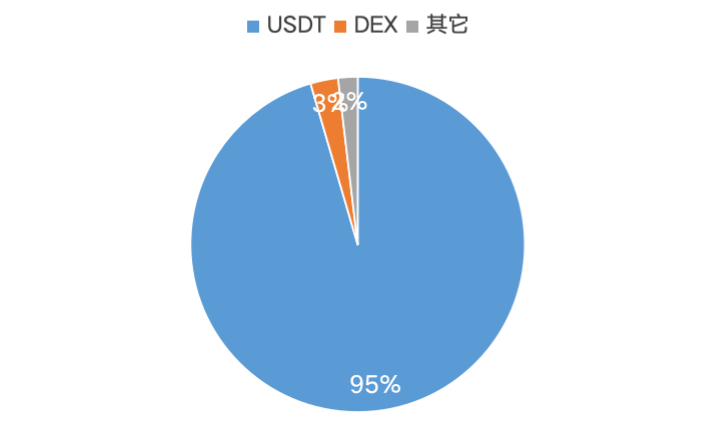
Figure 3-2 Details of the energy consumption ratio of each project on the Tron chain on July 22, 2024 (data source: TRONSCAN)
The number of daily transactions on the Tron network has shown a strong growth trend, especially since 2024, the growth has been more obvious. This may reflect the expansion of the Tron ecosystem and increased user adoption.
Between July and August 2024, transaction volume reached new highs, exceeding 8 million transactions multiple times, with the highest point approaching 9 million transactions. This is due to the fact that the Meme token hype has begun to extend to the Tron public chain.
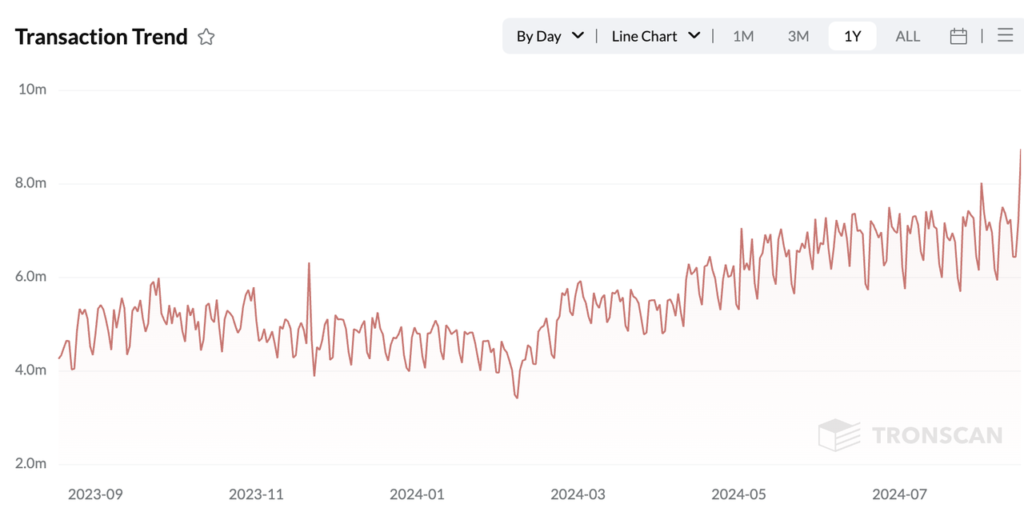
Figure 3-2 TRX transfer trend statistics (data source: TRONSCAN )
In August 2024, Tron founder Justin Sun strategically announced his entry into the Meme track, which quickly attracted a large number of Meme projects to settle in the Tron ecosystem. Data shows that as of August 20, the energy consumption structure on the Tron chain has changed significantly: although USDT transfers still rank first, the proportion has dropped to 52%, while the proportion of decentralized exchange (DEX) activities It surged to 47% from the previous 3%.
This data change strongly confirms that the large-scale entry of the Meme project has brought significant growth in on-chain activities to Tron in the short term, reflecting the initial results of Justin Sun's strategic deployment, and also indicating that the Tron ecosystem may be undergoing structural changes. .
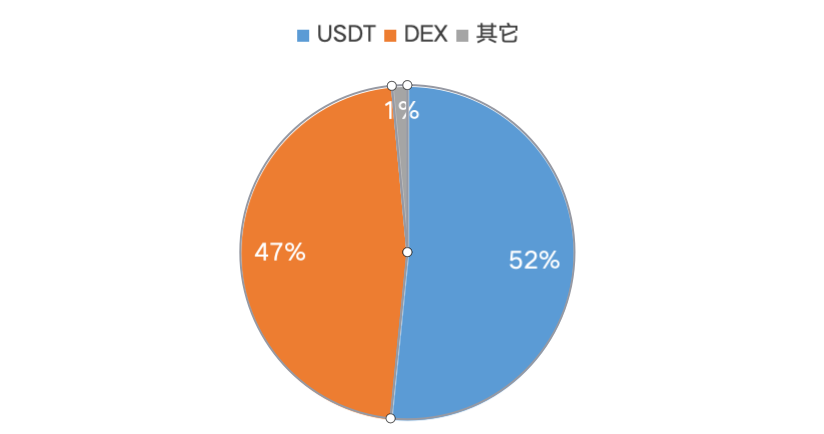
Figure 3-3 Details of the energy consumption ratio of each project on the Tron chain on August 20, 2024
(Source: TRONSCAN )
Although the proportion of USDT transfers in the overall ecosystem has dropped significantly, its actual energy consumption has remained stable, staying in the 80B-90B range. This phenomenon shows that although the introduction of the Meme project has significantly increased on-chain activities, it has not substantially affected the core business of the Tron ecosystem - USDT transfers.
This not only highlights the importance of USDT transfer as a rigid demand of users, but also confirms its status as the cornerstone of Tron's ecology. This observation further implies that even if the Meme coin craze may recede in the future, the basic operations and stability of the Tron ecosystem are not expected to be significantly affected. This structural resilience provides strong support for Tron’s long-term development.
Although the fee income on the Tron chain is highly concentrated in USDT transfers, this concentration reflects the users' rigid demand for stablecoin transfers. Coupled with the huge stablecoin transfer income, it not only highlights the users' high dependence on the Tron network, It also confirms the health and sustainability of the Tron ecosystem's Gas fee income structure.
Summarize
This report provides an in-depth analysis of the revenue structure and sustainability of the three major public chains, Ethereum, Solana and Tron, and draws the following key conclusions:
Ethereum: Showing the most balanced and sustainable development model
- Diversified income sources: Balanced development in multiple areas such as DeFi (60%), ETH transfers (12%), MEV (8%) and NFT (8%).
- Ecosystem health: The proportion of core applications such as DEX and stablecoin transfers is reasonable, reflecting real and continuous user needs.
- Innovation and upgrades: Upgrades such as EIP-1559 optimize the charging mechanism and create long-term value through ETH destruction.
- Long-term potential: Diversified application scenarios and continuous technological innovation provide Ethereum with strong long-term development momentum.
Solana: Rapid growth but sustainability challenges
- Revenue is highly concentrated: DEX activities account for 86%, of which Meme currency transactions contribute more than 55% of gas fees.
- MEV usage is widespread: 82.45% of transactions use MEV, reflecting a highly speculative environment.
- User costs are high: Meme coin players lose an estimated $110 million per month, or $1.3 billion annually.
- Sustainability risk: A model that relies too much on Meme currency transactions is difficult to maintain in the long term and requires strategic adjustments.
Tron: Focus on the payment field and demonstrate unique advantages
- Stablecoin dominance: USDT transfers account for 94.51% of on-chain activity, reflecting its strong position in the payment field.
- The technical advantages are obvious: low fees, fast confirmation and fixed fee model are suitable for large-scale payment applications.
- Structural Resilience: Even amid the meme coin craze, the core USDT transfer business remains stable.
- Long-term sustainability: Stablecoin transfers based on rigid demand provide Tron with a reliable long-term revenue source.
comprehensive assessment
Ethereum has demonstrated the strongest long-term sustainability due to its diverse ecosystem and continued technological innovation.
Although Solana is growing rapidly, its over-reliance on Meme currency transactions carries significant risks and requires strategic transformation to ensure long-term development.
Tron has established a unique market position and sustainable revenue model by focusing on the payment space, especially stablecoin transfers.