Author: TechFlow
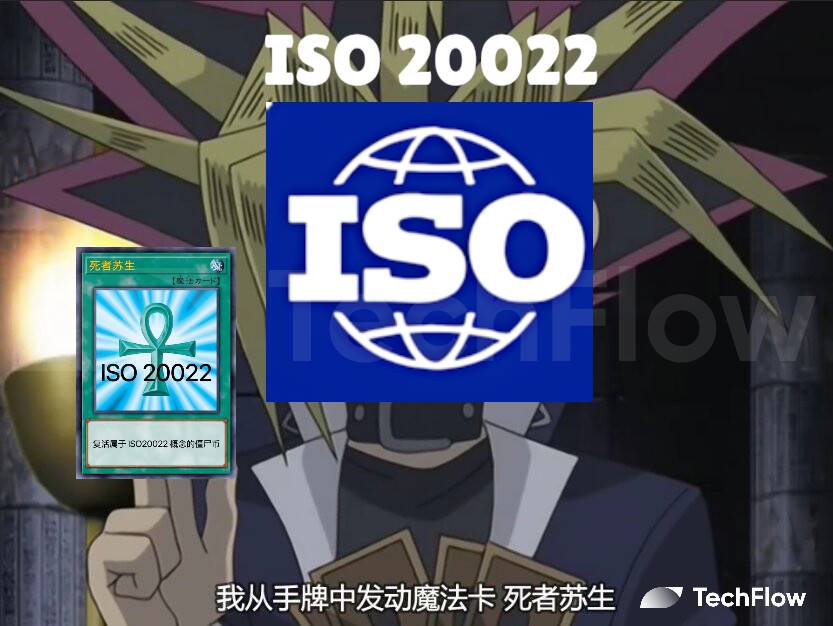
This bull market has risen to the point of making people a bit uncomfortable. This cycle has just been dubbed the "Meme bull market", and it hasn't been long before the market is once again filled with a chorus of lamentations - yes, the old players have been trapped in Meme again, and the most painful thing is not being trapped in Meme, but selling the old coins that have been holding for years and have not moved in price in order to rush into Meme, and now they are frantically pumping the market.
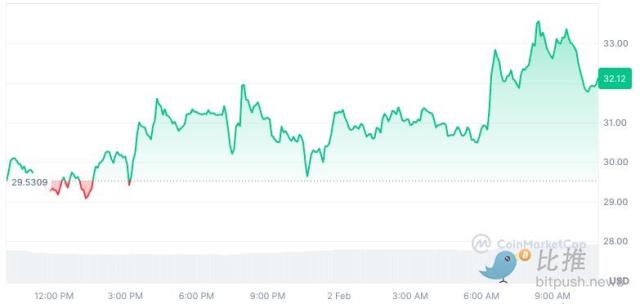
XRP, XLM, HBAR, XVG... the names that have been appearing on the trading exchange's gain list every day are all familiar yet unfamiliar to the old "cabbage" investors. In less than a month, XRP has surged 400%, surpassing SOL in market value, and the old group members are all exclaiming: What year is this?
The "old garbage" that has always been FUD'd has suddenly risen up, and although it has a bit of a sector rotation flavor, but in essence, it may still be the market's "rediscovery of the value" of these assets.
The positive impact of Trump's election victory on cryptocurrencies is self-evident, as can be seen from the crazy rise in the price of Bitcoin. Just one month after the election, Bitcoin successfully broke through the $100,000 mark. Trump's repeated friendly statements towards cryptocurrencies have also led Wall Street to re-embrace the "payment attribute" of cryptocurrencies more broadly. For example, the recent rise in XRP, XLM and others are not only closely linked to the payment track, but also have a common point: they belong to the "ISO 20022" concept.
ISO 20022, the universal language of the financial world
Is ISO 20022 a suddenly emerging new narrative? No, in fact, ISO 20022 had its origins as early as 2004, long before the first Bitcoin was mined.
ISO 20022 (full name: Financial Services - Universal Financial Industry message scheme) is an international financial communication standard developed by the ISO (International Organization for Standardization) Technical Committee TC68 (Financial Services). After years of development, it has become the unified standard for global financial messaging, covering payment, securities, trade, card and foreign exchange and other financial fields.
From a technical perspective, ISO 20022 is:
A globally unified financial communication standard
A set of standardized data formats and rules
A framework for financial message transmission
For example, you may better understand it this way.
Suppose you want to transfer $1,000 to a friend abroad, this money will go through multiple rounds of transfers:
Your bank sends the payment instruction in its own format
SWIFT needs to translate this instruction into its own format
The intermediary bank may use another format to process it
Finally, the receiving bank needs to translate it into a format it can understand
It's like playing the telephone game, with each transfer potentially losing some information. Even some important information (such as the purpose of payment, invoice number) may disappear directly in the conversion process. A seemingly simple cross-border payment has to go through countless "translations" - because each financial institution is speaking its own "dialect".
So, ISO 20022 can be understood as the "global financial Mandarin". Just as Mandarin allows people from different regions to communicate with each other, ISO 20022 allows different financial institutions around the world to exchange information in the same way.
With ISO 20022, all financial institutions speak the same "language", and the payment information contained in the exchange is richer (expanded from the original 140 characters to 9,000 characters), the data structure is more standardized (like everyone using the same template), and the processing is more intelligent (machines can read and process it directly). Cross-border transfers used to be like sending a telegram in Morse code, now it's like sending a structured email, not only can you attach files, but it can also be automatically classified and processed.
Cryptocurrencies that actively embrace ISO 20022
If a cryptocurrency meets the ISO 20022 standard, it will be assigned an official ISO code. Financial institutions can easily use the cryptocurrency for cross-border payments. In addition, regulators may be more lenient in regulating ISO 20022 tokens, and tokens that meet the ISO standard may be widely used, effectively being "incorporated" into the global financial payment system, with legitimate payment use cases.
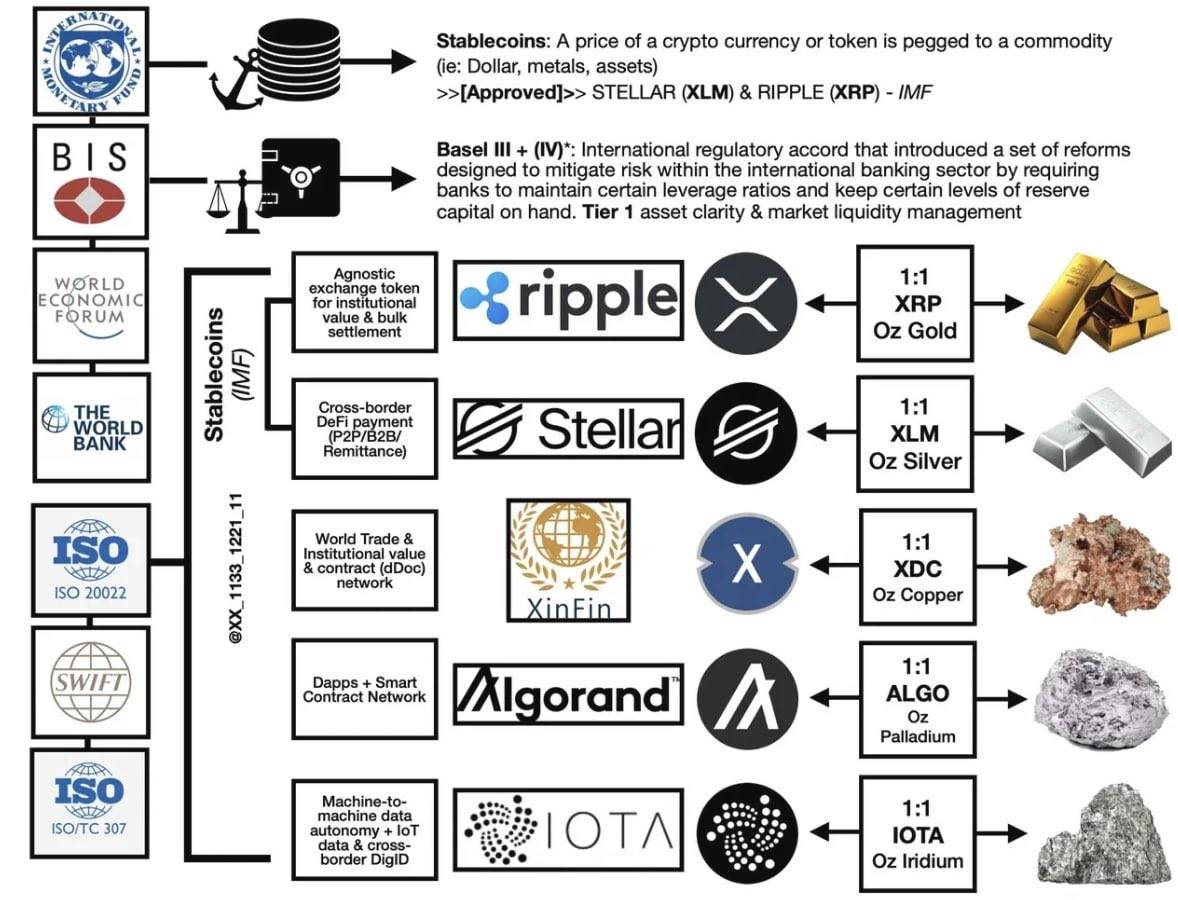
Note: A widely circulated system diagram on Twitter, for reference only
So which ISO 20022 concept tokens are now recognized by the market?
XRP (Ripple)
Official certification status: The only cryptocurrency project officially certified by ISO 20022
Specific implementation:
RippleNet fully integrates the ISO 20022 message standard
Provides a real-time gross settlement (RTGS) system
Supports end-to-end tracking of cross-border payments
Established partnerships with over 200 financial institutions
Major collaborations:
Conducted interoperability testing with SWIFT
Collaborated with multiple central banks on CBDC projects
Established direct payment channels with major banks
XLM (Stellar)
Official certification status: Not officially certified, but technically supports the standard
Specific implementation:
Adopts message formats compatible with ISO 20022
Provides cross-border payments and remittance services
Supports asset tokenization
Major collaborations:
Established a strategic partnership with MoneyGram
Collaborated with over 350 banks in countries like Argentina
Collaborated with Circle to issue USDC
ADA (Cardano)
Official certification status: Not officially certified
Specific implementation:
Supports ISO 20022 through the Atala PRISM identity solution
Adopts an academically-driven approach to implement the standard
Supports smart contracts and asset tokenization
Major collaborations:
Collaborated with the Ethiopian Ministry of Education
Established government-level partnerships with multiple African countries
Collaborated with financial institutions to develop identity verification solutions
QNT (Quant)
Official certification status: Not officially certified
Specific implementation:
Achieves ISO 20022 compatibility through the Overledger platform
Provides cross-chain interoperability solutions
Supports multi-chain CBDC implementations
Major collaborations:
Established a strategic partnership with the LCX exchange
Participated in CBDC project development
Collaborated with enterprises and financial institutions to achieve blockchain interoperability
ALGO (Algorand)
Official certification status: Not officially certified
Specific implementation:
Supports ISO 20022 standard message transmission
Provides a high-performance Layer 1 blockchain solution
Supports smart contracts and asset tokenization
Major collaborations:
Collaborated with multiple CBDC projects
Established payment network partnerships with financial institutions
Supports stablecoin issuance and cross-border payments
HBAR (Hedera)
Official certification status: Not officially certified
Specific implementation:
Adopts ISO 20022 compatible message formats
Provides a high-throughput distributed ledger technology
Supports smart contracts and token services
Key features:
Stands out in implementing the ISO 20022 standard
Provides enterprise-grade solutions
Support cross-border payments and settlements
IOTA (MIOTA)
Official Certification Status: Non-official certified member
Specific Implementation:
Support ISO 20022 through Tangle technology
Focus on IoT payments and data transmission
Provide zero-fee transactions
Major Collaborations:
Collaborate with EU institutions
Participate in smart city projects
Develop IoT payment solutions
XDC (XDC Network)
Official Certification Status: Non-official certified member
Specific Implementation:
Support ISO 20022 standards for trade finance
Provide enterprise-grade blockchain solutions
Support smart contracts and tokenization
Major Collaborations:
Collaborate with trade finance platforms
Support supply chain finance
Establish partnerships with financial institutions