OpenAI employees tweeted to introduce the new features released today, but accidentally leaked an unreleased model?
On Reddit, a netizen possessed by Lewitt found that the interface of the new features demonstrated by OpenAI researcher Karina Nguyen contained a strange name -
ChatGPT ε (the fifth Greek letter, pronounced Epsilon).
This netizen speculated that this is most likely the previously rumored next-generation model "Orion".
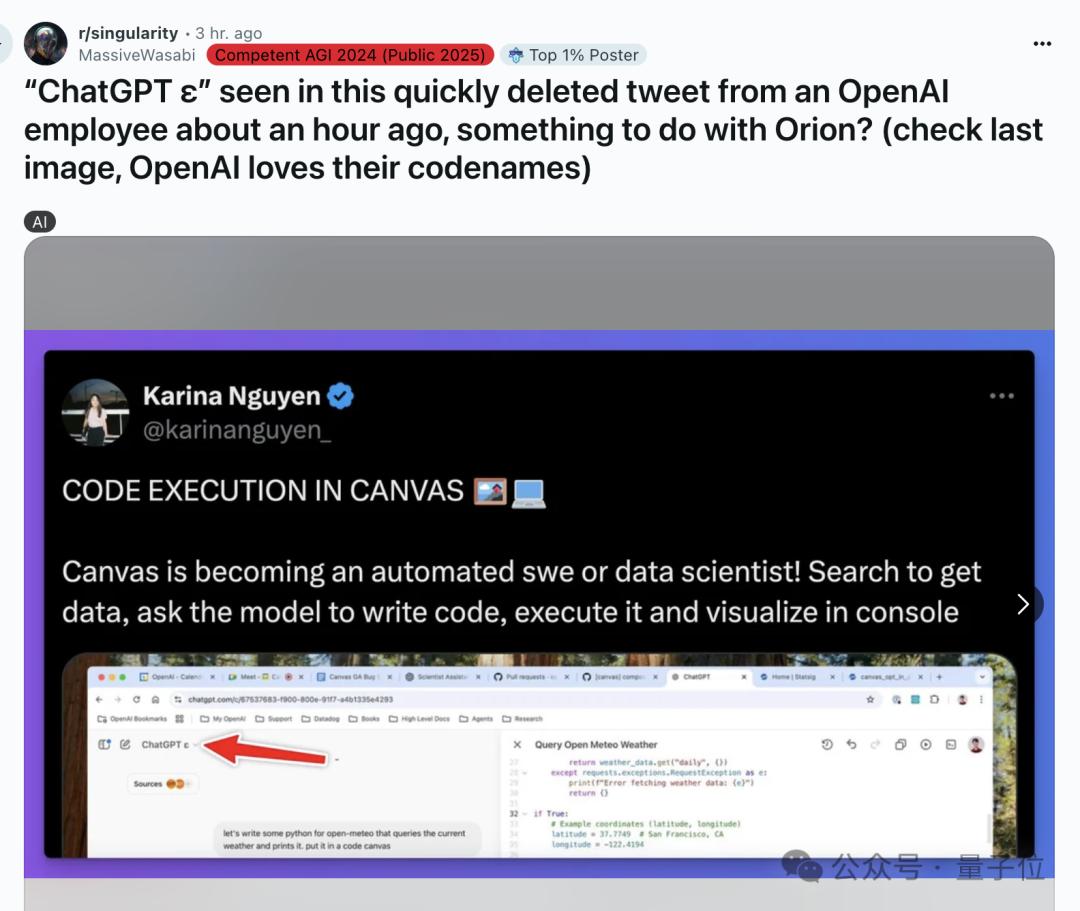
This has stirred up a lot of discussion among netizens, who have started to scrutinize this picture under a microscope.
And they have indeed made new discoveries -
Karina's browser bookmarks contain a folder named Agents (intelligent agents), and she also had a tab open called "Scientist Assistant".
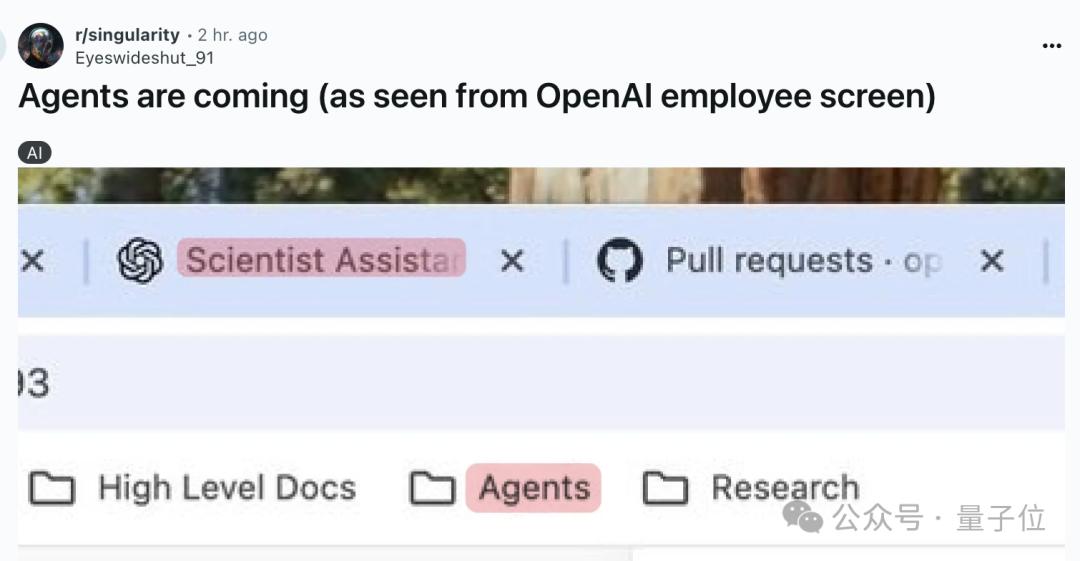
Currently, Karina has deleted the original tweet, but the various clues have sparked heated discussions among netizens.
Especially since Karina had just recently jumped ship from Anthropic to OpenAI, hmm, well...
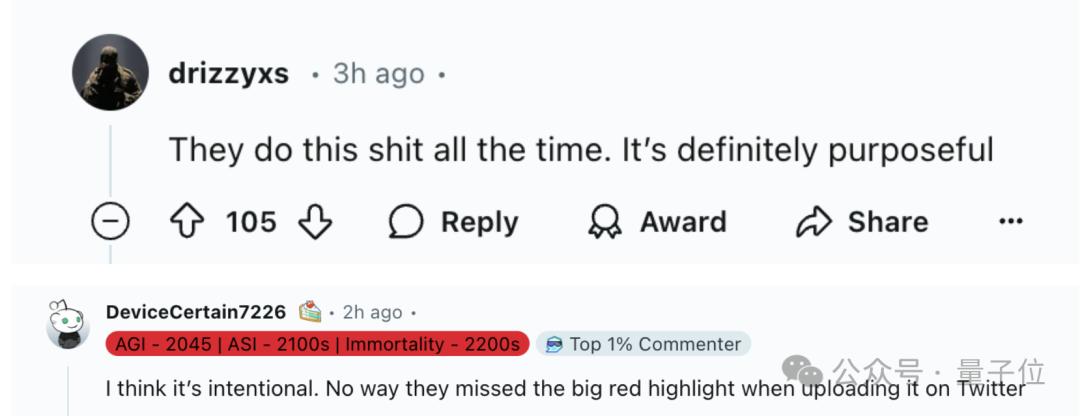
Netizens: Intentional or accidental?
The poster of the thread believes that ε is most likely the previously rumored "Orion" model.
In the post, this netizen provides his reasons -
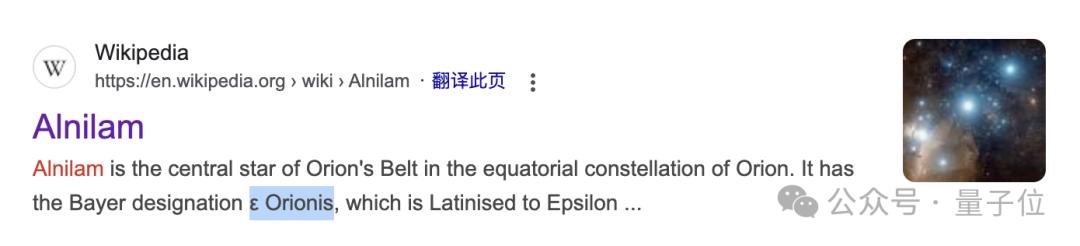
In astronomy, the central star Anilam (Zeta Orionis) on Orion's Belt is designated as Orion ε using the Bayer nomenclature.
In July this year, the prototype "Strawberry" of OpenAI's reasoning model o1 was exposed.
By the end of August, The Information reported that OpenAI had quietly demonstrated "Strawberry" and it had also been used to improve the new model codenamed "Orion".
"Orion" then surfaced, positioned as OpenAI's new flagship, which is the next generation of GPT-4.
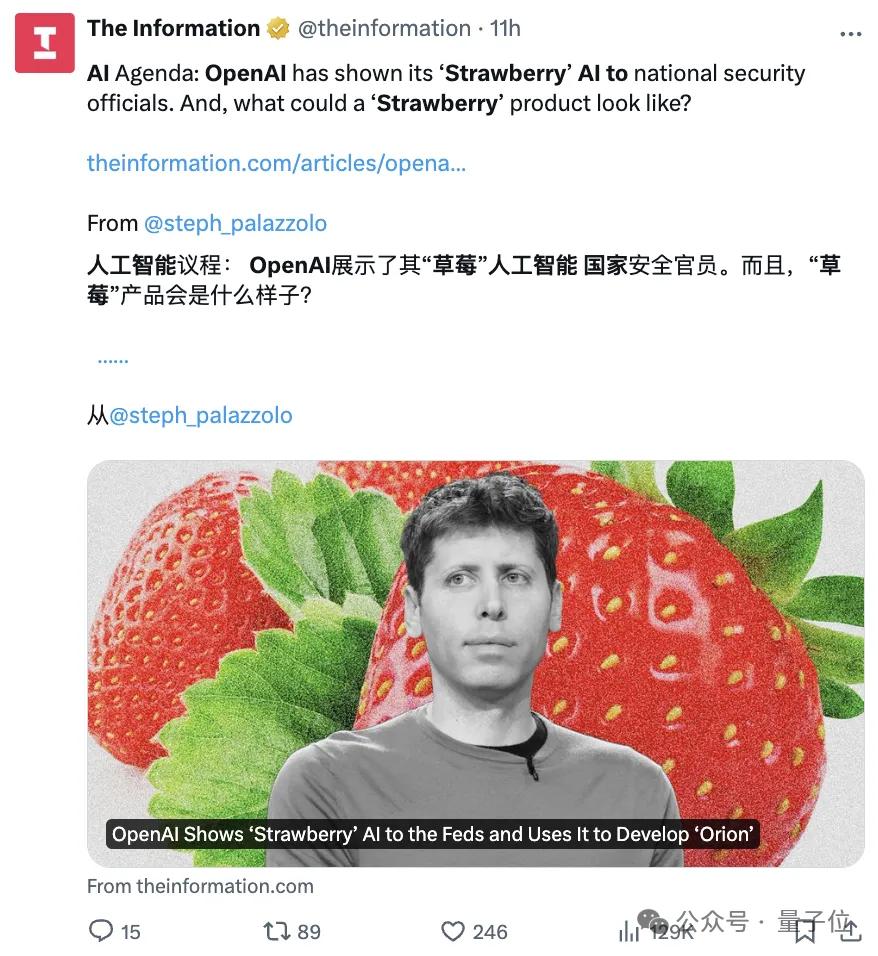
At that time, OpenAI was busy "catching the mole", which was in line with the operation before the launch of GPT-4o.

In November, "Bald Brother" Tibor Blaho, who has been closely tracking the progress of ChatGPT and the website source code, also released a series of new information.
Bald Brother's historical track record is quite impressive, as he had previously uncovered the search function interface of ChatGPT through source code analysis two and a half months before OpenAI's official announcement.
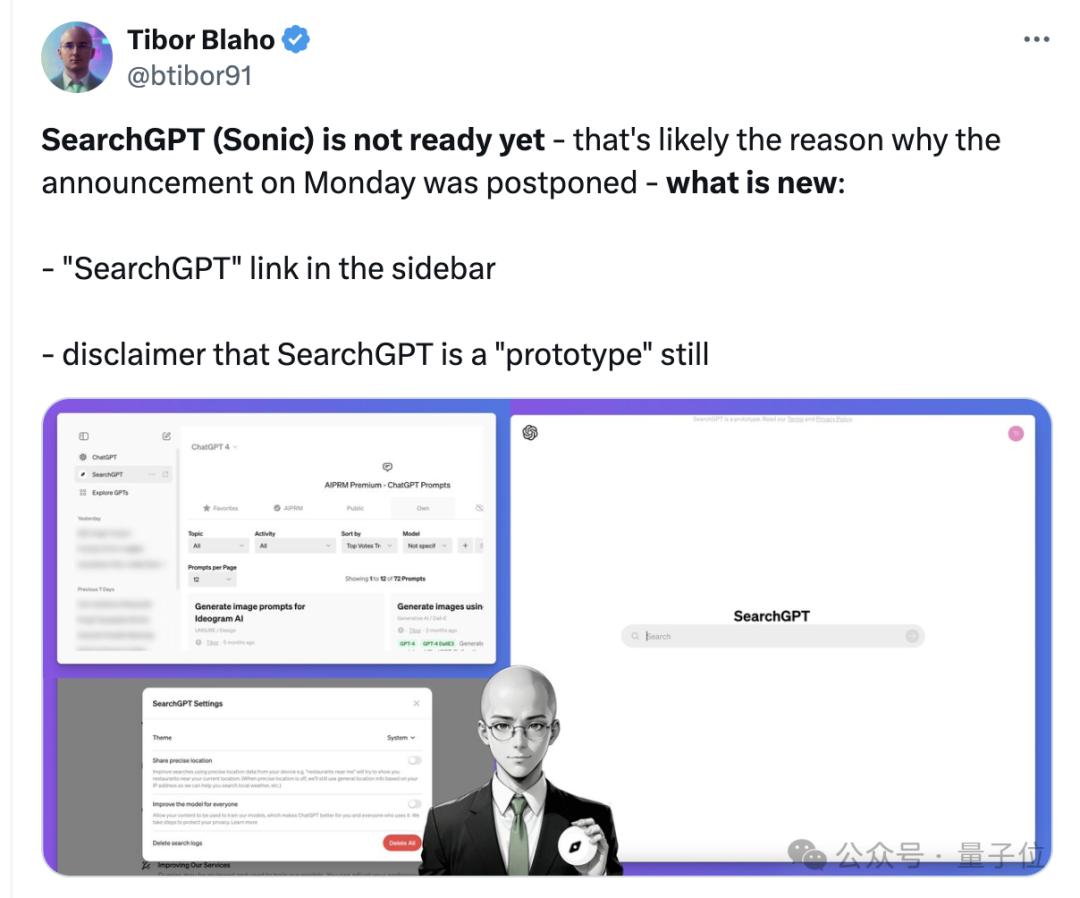
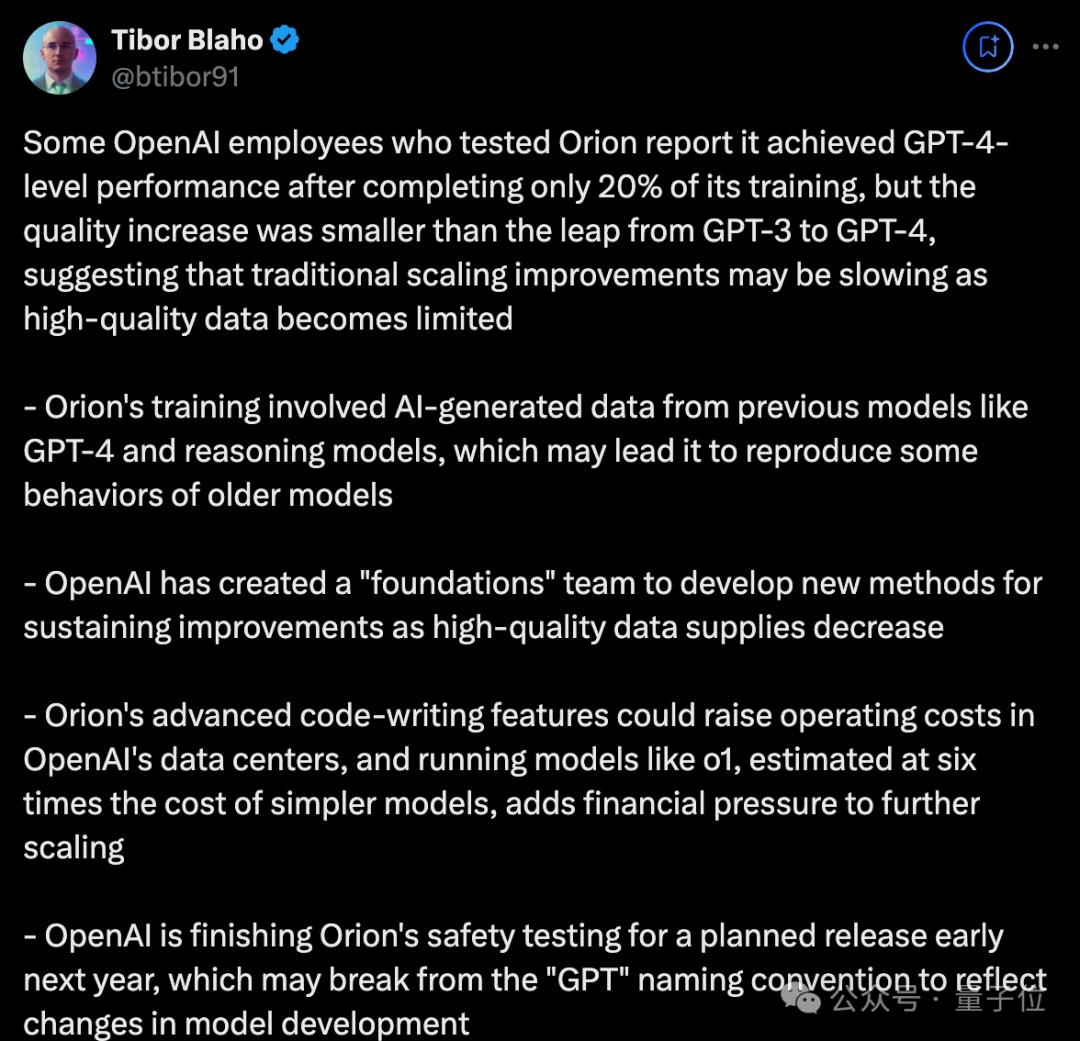
In Bald Brother's analysis, the part related to "Orion" is summarized as follows:
- OpenAI employees testing the new model said that "Orion" reached GPT-4 level performance when only 20% of the training was completed.
- But the final quality improvement was less than the leap from GPT-3 to GPT-4, indicating that traditional Scaling may slow down due to the limitation of high-quality data.
- The training of "Orion" used data generated by previous models (GPT-4 and o1), which may have caused it to reproduce some behaviors of the old models.
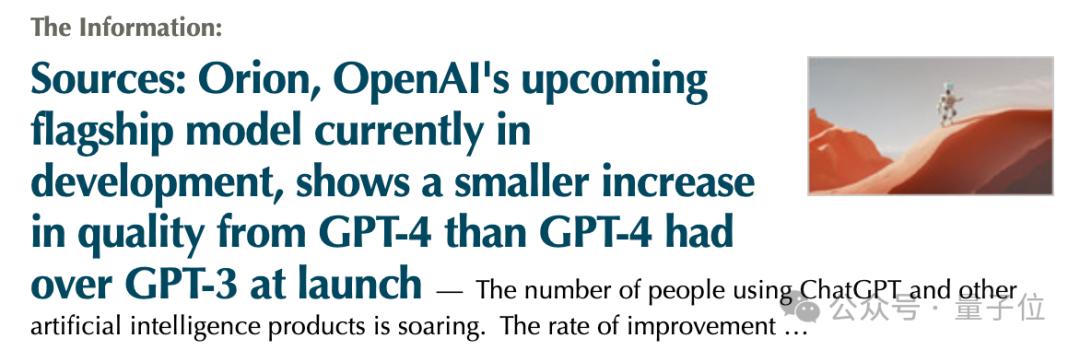
The Information also revealed that the improvement of the "Orion" model over GPT-4 is smaller than the leap from GPT-3 to GPT-4, indicating that it has entered a stage of diminishing returns.
This is one of the reasons why Otarman said he might not name the new model GPT-5.
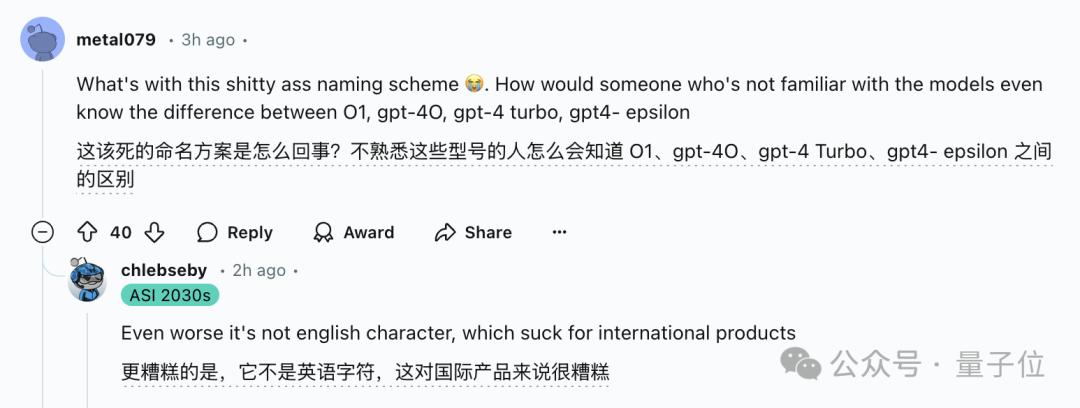
However, the naming of ε has been criticized by netizens:
Returning to the screenshot of Karina's tweet, netizens have also provided analysis on the Agent and Scientist Assistant.
Some believe that Scientist Assistant is a summary of ChatGPT-generated dialogues, and Agents is just a normal browser bookmark folder.
Others believe that the "Scientist Assistant" here is a type of intelligent agent.

Additionally, although this leak appears to be accidental, many believe that it was intentionally done by OpenAI, with some even saying that OpenAI is an expert at this kind of thing.
By the way, before the "Double Twelve" started, a netizen used Musk's Grok to analyze Twitter big data and guessed 7 new products to be released.
Among them, Sora and the fully loaded o1 have been confirmed, and the "next-generation model" ε and the possibly leaked "AI intelligent agent" are also included in Grok's predictions.
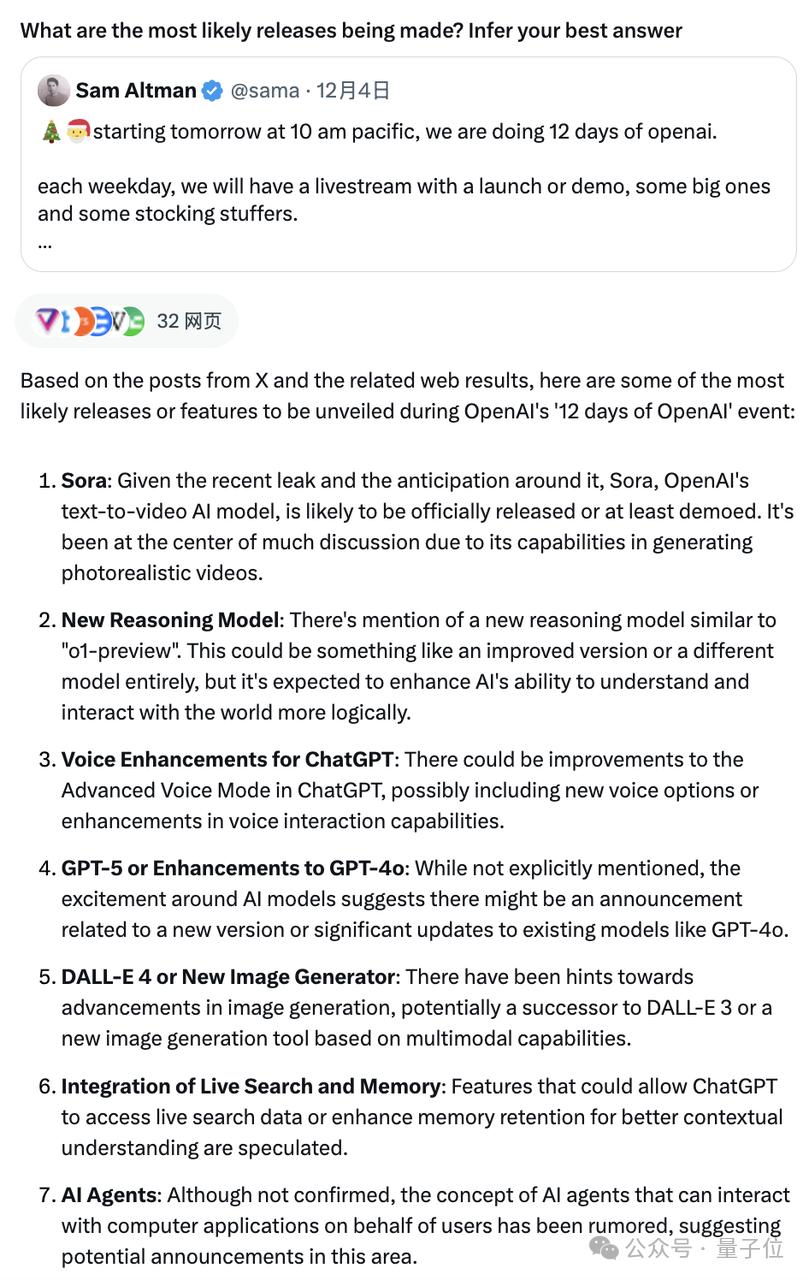
All these clues indicate that the probability of the new model being launched is relatively high, although the final interpretation right still lies with OpenAI.
Whether it really exists and how it performs, we will continue to follow the release in the next few days.
Canvas can execute code, free users can also use it
After discussing this leak incident, let's take a look at the official release content on the fourth day of "Double Twelve".
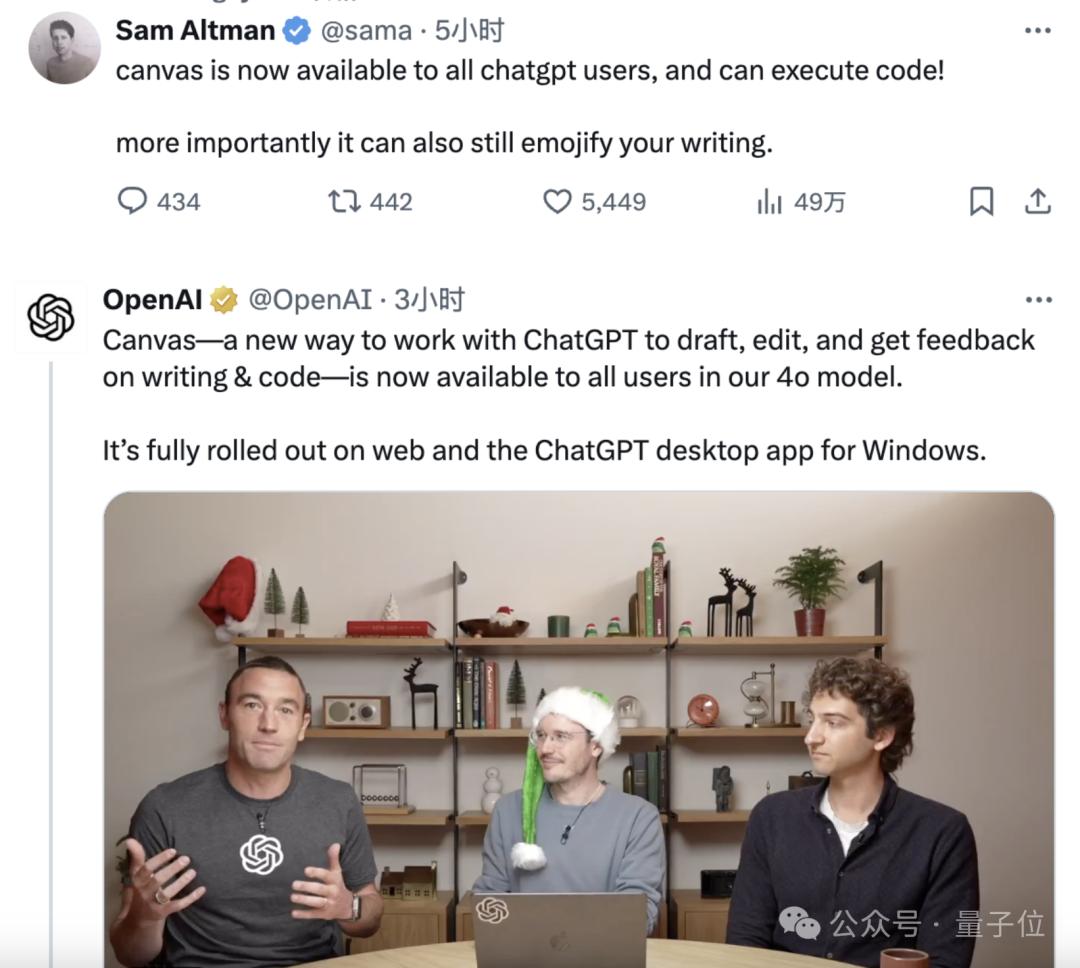
The Canvas function previously tested by OpenAI for plus users has received an update.
The GPT-4o with canvas option in the model switching bar at the top left has also disappeared, and the entry has been moved to a button at the bottom of the input box.
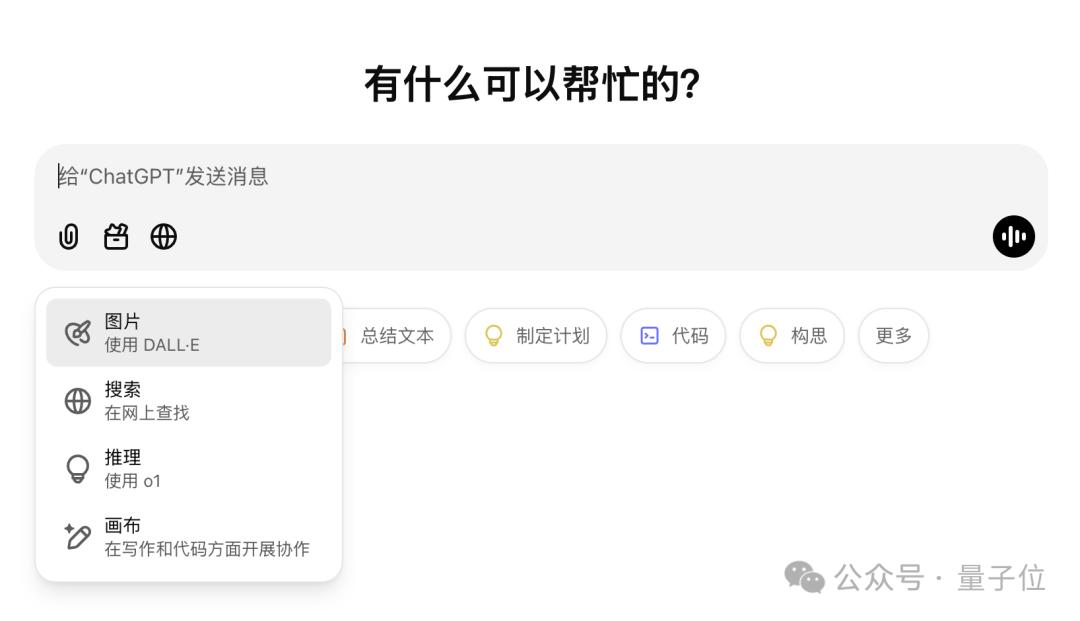
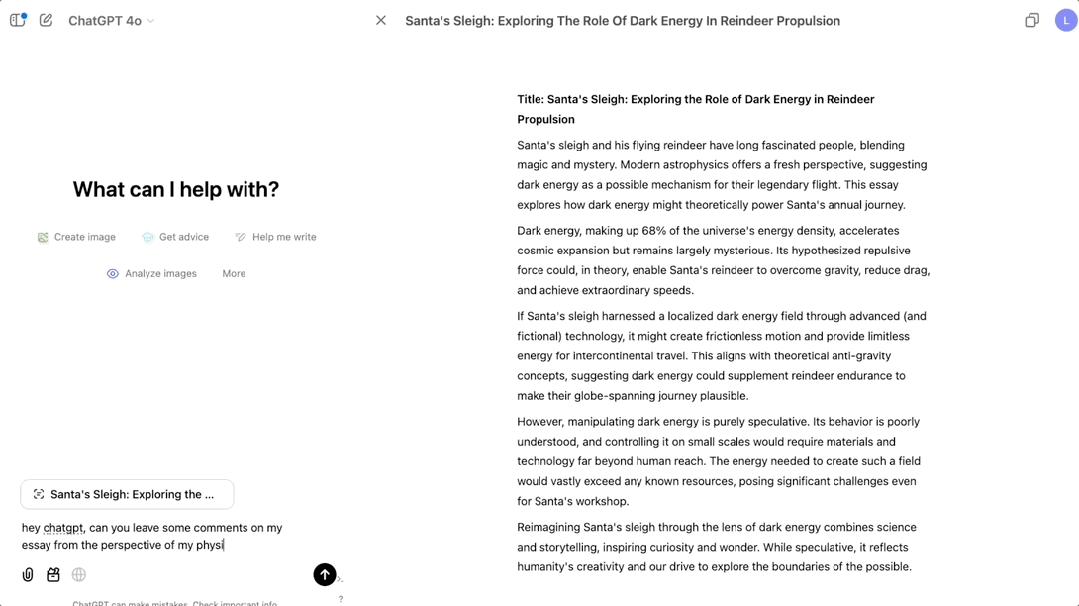
In the canvas, you can edit and review documents, with comments displayed as annotations, which looks more intuitive.
In terms of code, you can also write and debug as you go.
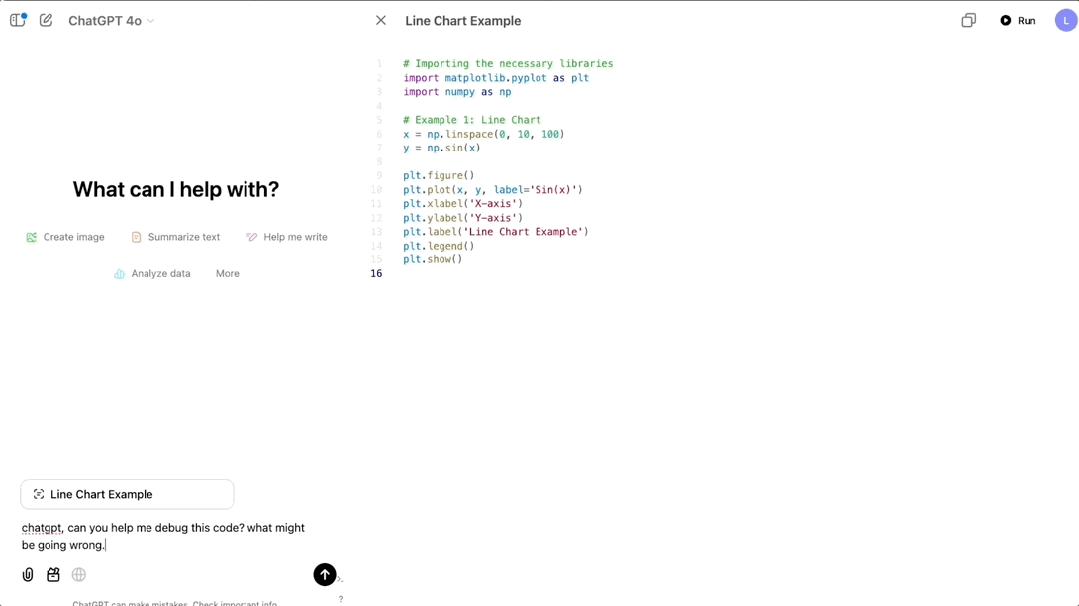
Most importantly, Python code can now be run directly in the canvas.
According to the introduction, the Canvas is equipped with almost all Python libraries, and the code execution speed is very fast.
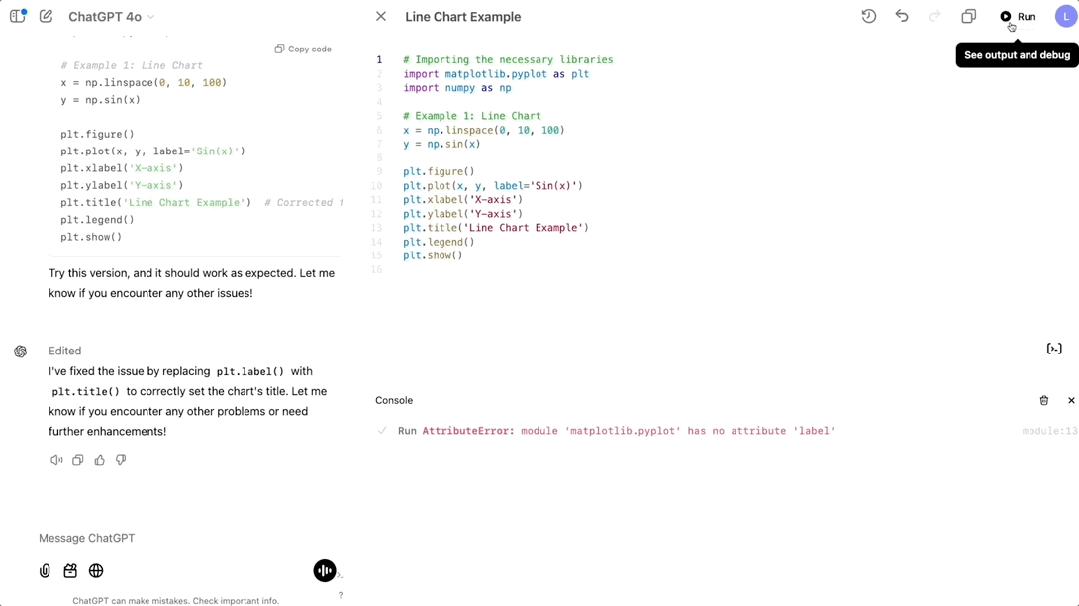
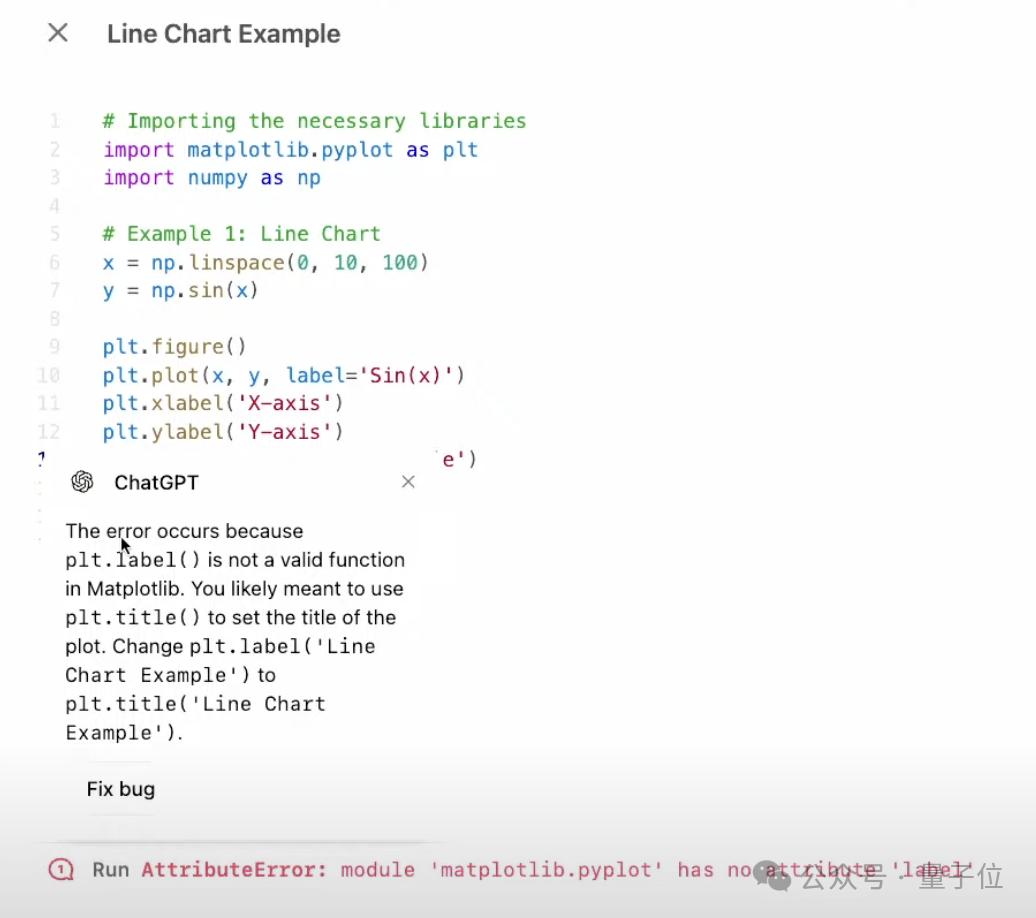
The error information during execution is also visible to ChatGPT, and you can see the specific explanation of the error information by hovering the mouse, and you can also fix it with one click.
In addition, Django framework founder Simon Willison also found that the code execution in Canvas is different from the previous code interpreter.
Simon pointed out that the Python code in Canvas is run through Pyodide (Python in WASM), which means it has network capabilities.

In the words of the leaked ε's Karina, the new version of Canvas is a "data scientist".
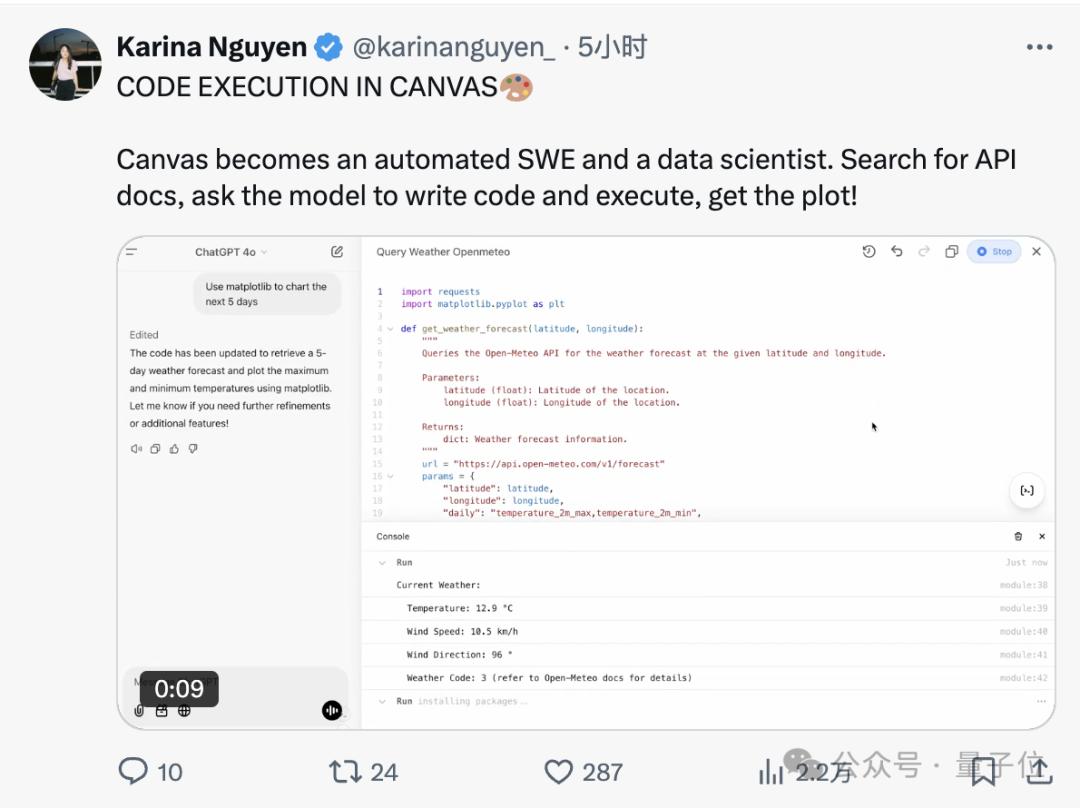
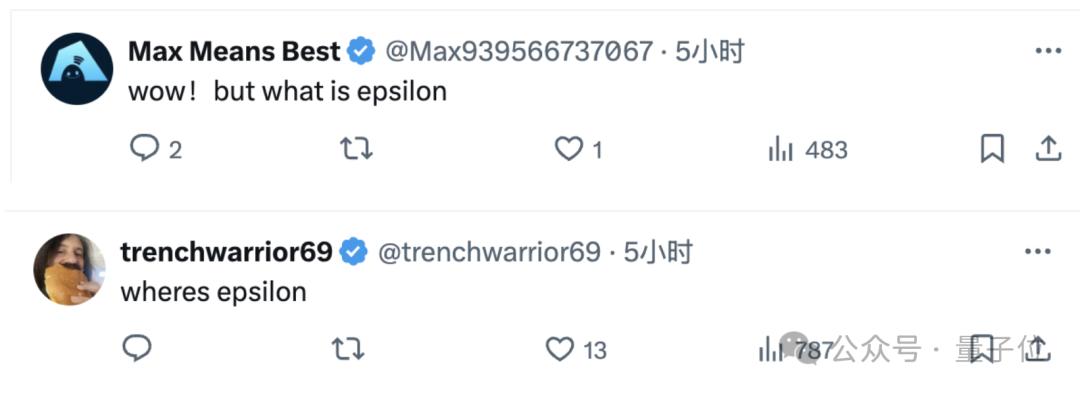
In the comments, there are still many netizens who came to ask about ε, and the "troublemaker" Karina naturally did not reply.
In addition to functional updates, Canvas is no longer exclusive to plus users, free users can also use it.
This time, it has been launched on the web version and Windows client, so Windows users no longer have to envy Mac users (manual dog head).
Reference links:
[1]https://www.reddit.com/r/singularity/comments/1hb9z2n/chatgpt_%CE%B5_seen_in_this_quickly_deleted_tweet_from/
[2]https://www.reddit.com/r/singularity/comments/1hbbi6k/agents_are_coming_as_seen_from_openai_employee/
[3]https://www.youtube.com/watch?v=qZ0ImE41pVs
[4]https://x.com/simonw/status/1866601649160278248
This article is from the WeChat public account "Quantum Position", author: Focus on frontier technology, 36Kr is authorized to publish.