As a project that claims to be a "VC-free investment DAO platform", daos.fun staged a "VC coin" revival drama over the weekend.
On January 11, the native token AICC of Aiccelerate DAO, which was supported by advisory from ai16z co-founder Shaw, Virtuals Protocol contributor #001 Ethermage, and Story co-founder Jason, was officially launched for trading. After the launch, the market value of AICC once exceeded $300 million. However, the brief moment of glory was soon shattered by a frantic sell-off, with large holders concentrated dumping the market, causing the market value to plummet sharply and triggering strong dissatisfaction in the market.
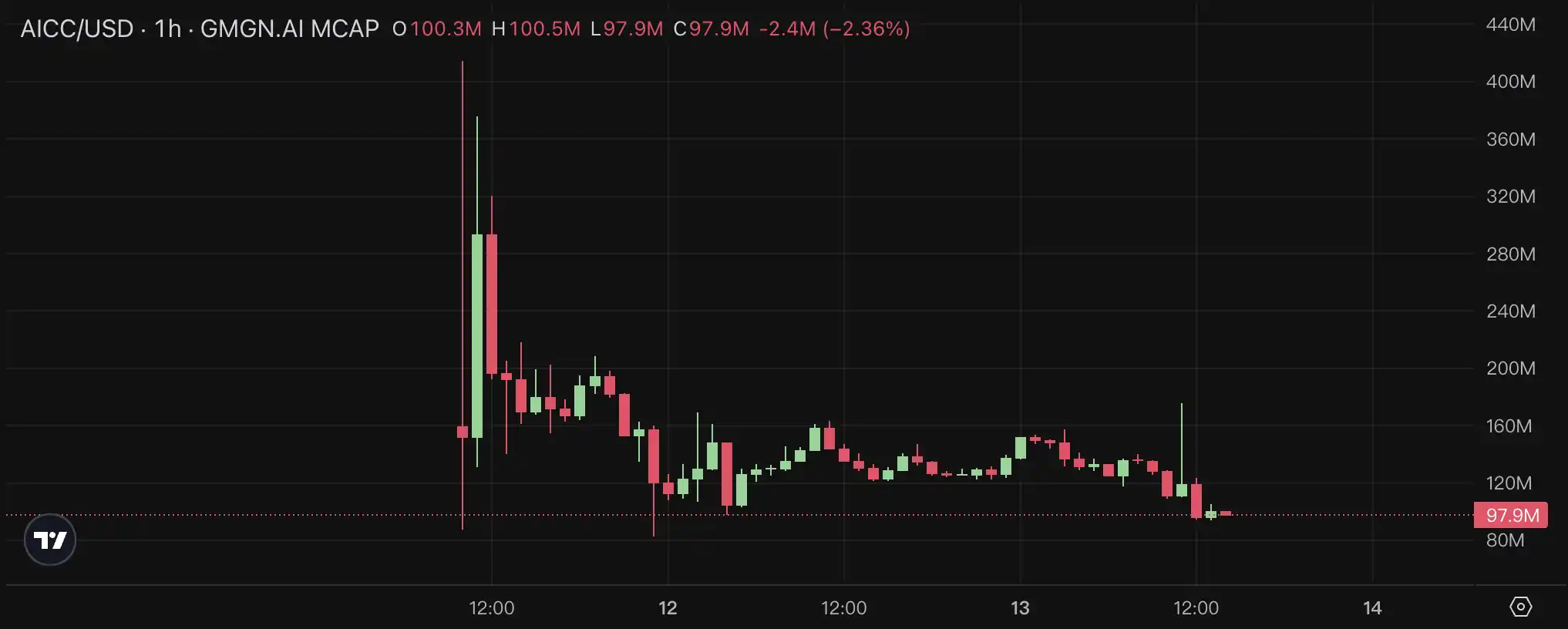
Selling immediately after launch sparks public outrage
The promotion of Aiccelerate DAO began a week ago, with the official saying that users interested in becoming partners and participating in the pre-sale could express their willingness and how they could help the project through forwarding, liking and commenting on tweets. Aiccelerate DAO will screen out suitable partners to participate in the pre-sale based on the user's participation and expected contribution.
Using the daos.fun platform, Aiccelerate DAO distributed tokens to 250 KOLs, with each receiving 0.5 SOL worth. These tokens instantly became worth $250,000 to $400,000 after the launch. In addition, the project's advisory group could donate up to 5 SOL.
However, these whitelisted users not only failed to fulfill their commitment to support the project's development, but instead chose to sell immediately after the launch to profit, which not only caused the AICC market value to plummet, but also had a bloodsucking effect on other AI-concept tokens on the chain.
In this "Crypto+AI" track KOL orchestrated frenzy, the most criticized is the crypto podcast Bankless and its VC Bankless Ventures, which have large holdings, for their sell-off behavior after the AICC launch.
The Rollup founder Andy tweeted that Bankless Ventures was selling tokens through public wallets associated with their X accounts. "They were promoting the project on YouTube with the co-founder, and then started selling on the day of launch."
It is reported that the two hosts of Bankless invested 5 SOL each, and Ben Lakoff, who is responsible for managing Bankless Ventures, invested 2 SOL on behalf of Ventures, and he also invested 5 SOL personally.
Ejaaz, the founder of Aiccelerate DAO, was a product manager at Coinbase, and in November last year, Ejaaz began to frequently appear as a guest on the Banless podcast to discuss AI+Crypto.
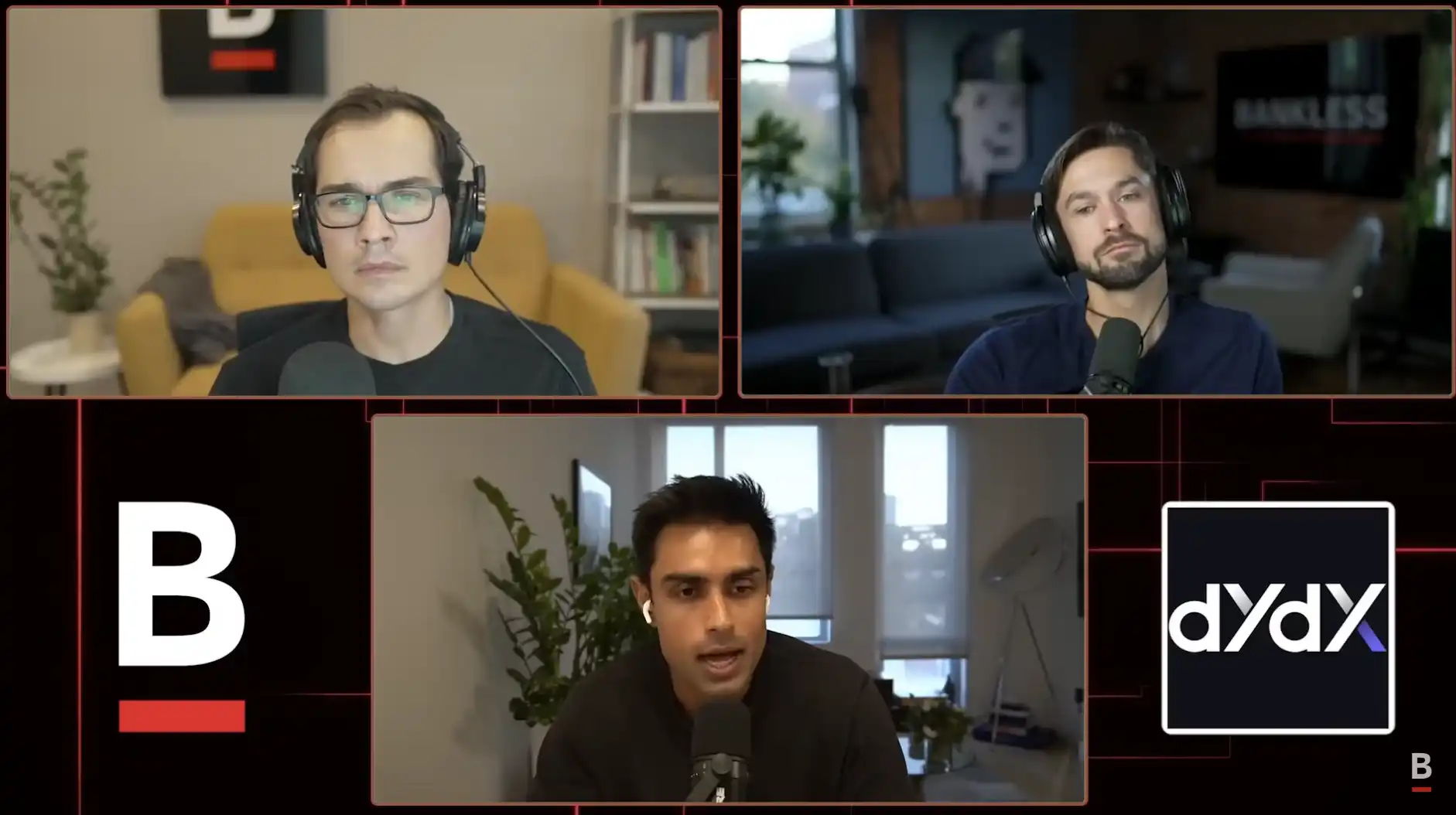
After Andy's tweet gained traction, Bankless co-founder David responded that they had repurchased the AICC shares sold by Bankless Ventures, calling it "an impulsive mistake".

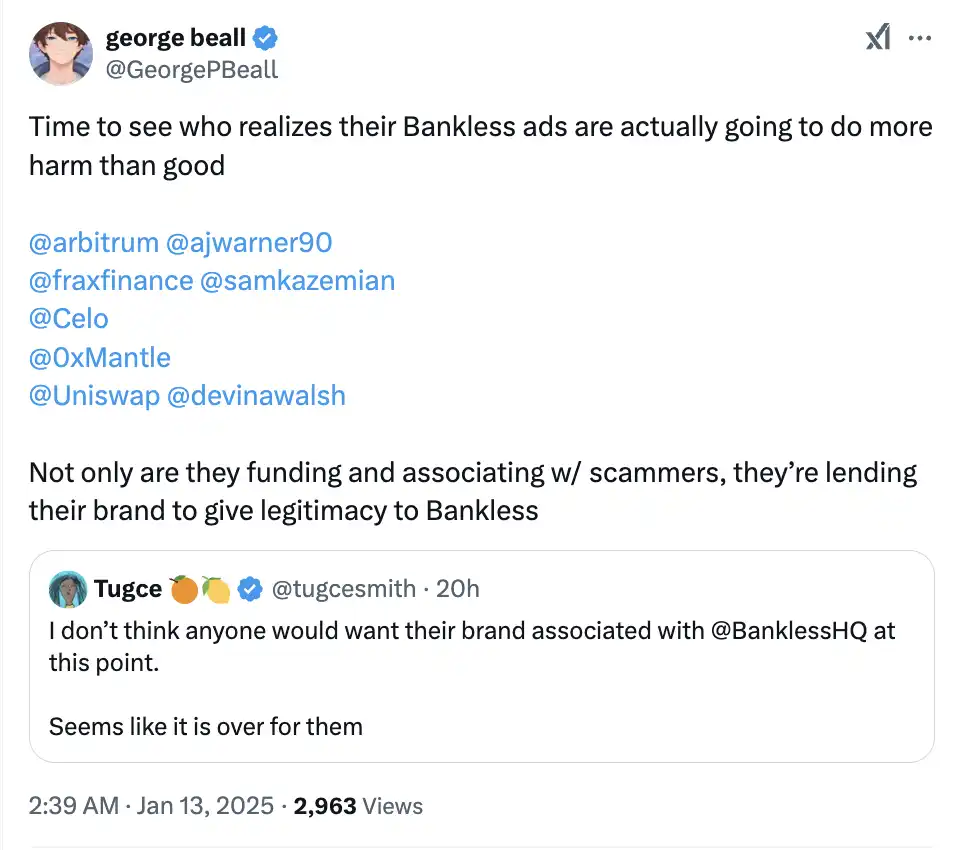
But Bankless' brand image has suffered a huge blow, with some in the community tagging Bankless' show sponsors, calling them accomplices of the scammers.
In the latest Bankless Discord channel, Bankless co-founder Ryan responded that he and David were completely unaware of the token sale, which was done by Ben Lakoff, who did not understand the background of Aiccelerate DAO, for the purpose of profit-taking.
Will the market still buy into daos.fun?
In this token dumping mystery, the whitelist mechanism of daos.fun has always been the focus of market attention. Because it is not the case that ordinary people can randomly get whitelisted by forwarding and supporting in the project's comment area, usually only KOLs with a large number of fans and a community foundation will get whitelisted, and thus stand up for the project.
daos.fun is another star asset launch product after pump.fun, except that daos.fun is a fund launch platform, and the "funds" launched based on daos.fun will operate in the form of DAOs and issue corresponding DAO tokens.
A small number of creators with invitation codes can set fundraising targets, fund expiration dates and management fees, and daos.fun's fundraising process also introduces whitelist rules, with the team selectively granting fundraising participation qualifications to users based on their community interaction content, and they all need to associate their social accounts to achieve a certain social reputation and moral constraint.
However, AICC's huge and luxurious KOL lineup and its chart of high opening and dumping after launch have slapped the moral lock-up mechanism of daos.fun. On the one hand, the initiators of the investment DAO project do not have clear whitelist access standards, and on the other hand, users who have obtained token stakes at low prices during the fundraising stage cannot remain indifferent when the project rises rapidly.
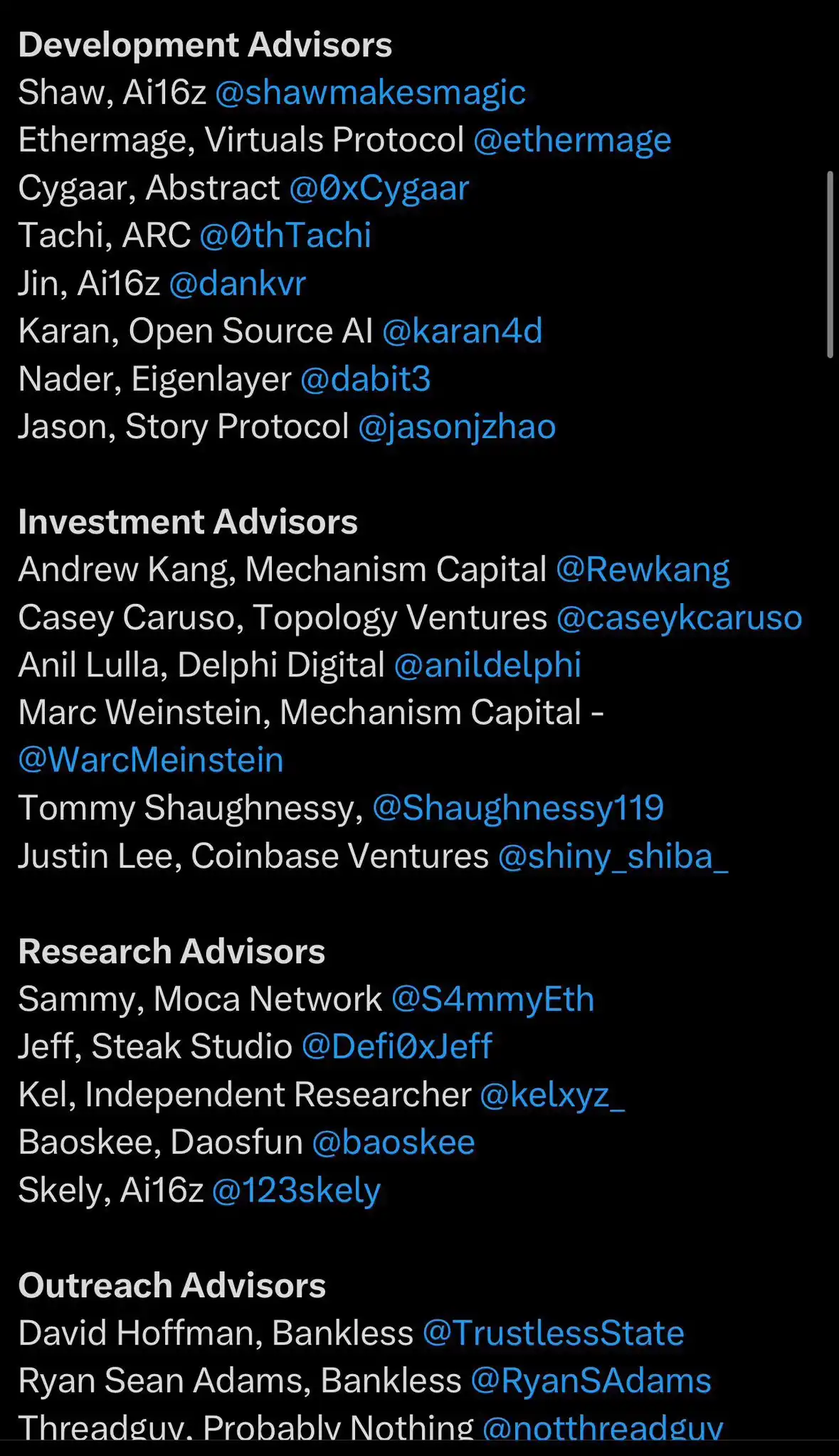
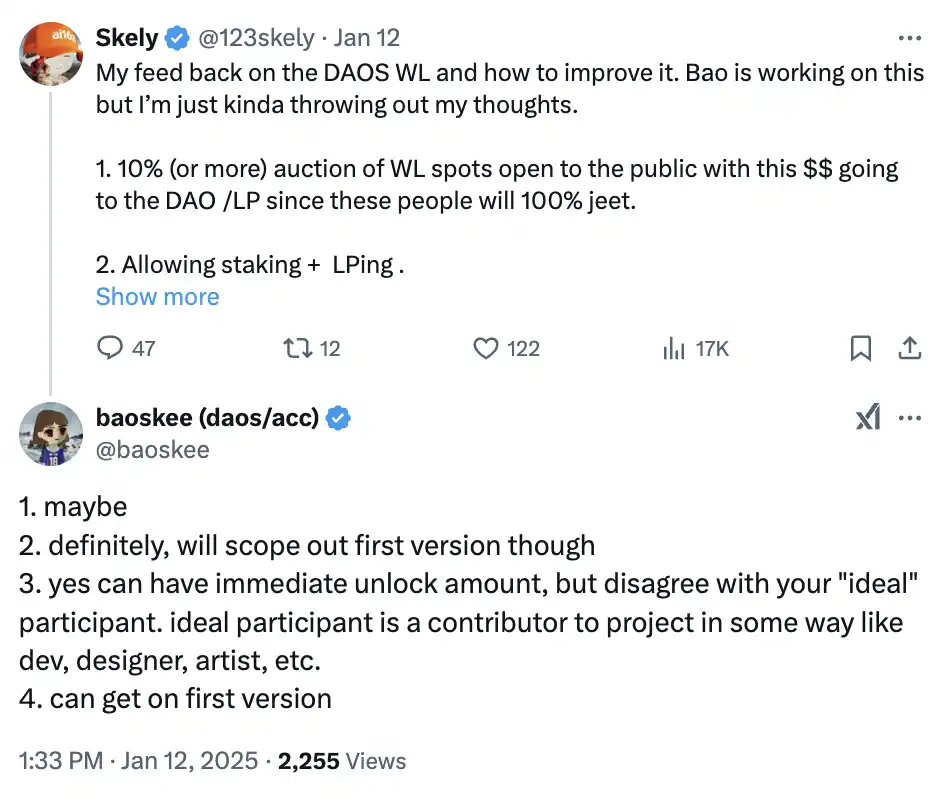
Crypto KOL Skely believes that the ideal whitelist participants should be like this: "They sell at the high point, then buy at the low point, stabilize the price by providing a large amount of liquidity, and are willing to take risks by injecting their SOL funds and tokens into the liquidity pool." But obviously this is not the behavior that a profit-seeking mentality will choose.
Skely believes that the following suggestions can be used to improve the current whitelist mechanism of daos.fun, such as: allocating 10% (or more) of the whitelist spots through public auctions, with the auction proceeds used for the DAO or liquidity pool (LP), because these people will basically cash out quickly. Allow staking and providing liquidity. And allow whitelisted users to sell to a certain extent, but need to set transparent rules so that buyers know what to expect, and avoid allowing full-scale dumping.
daos.fun founder baoskee responded that these suggestions all have the possibility of being implemented.
At the same time, the community also criticized that AICC was launched at an overly high valuation even without a product, which is exactly the same as the script of the previously criticized VC coins, with the pricing power in the hands of the project party, and then resold to the retail investors through market packaging. Whether it is the core players who donated 5 SOL or the KOLs who obtained 0.5 SOL shares through "sweet talk", any "pre-sale + whitelist + launch for trading" process is difficult to purely eliminate speculators under the current token issuance model.
Stripping off the glamorous appearance, "Crypto+AI" still needs sufficient product support and real use cases to have a foothold in the current highly competitive market. Rather than being labeled as the "AI concept stock" bubble, it would be better to let users truly feel the technical content and pragmatic long-term planning of the project, which is also the only way for investors to return to rationality and reject "VC coins".
Welcome to join the official BlockBeats community:
Telegram subscription group: https://t.me/theblockbeats
Telegram discussion group: https://t.me/BlockBeats_App
Twitter official account: https://twitter.com/BlockBeatsAsia