"Those investment tycoons in the crypto market, not relying on luck but solely on their strength, how do they manage to lead the crypto market? Crypto quantitative investment refers to achieving crypto investment returns through mathematical modeling, data analysis, and automated trading strategies. 24-hour trading, scientific and objective, highly efficient, the quantitative team takes advantage of these features of the crypto market, through high-frequency trading and automated strategies, reducing the influence of human emotions on investment decisions, and safely and transparently obtaining returns."
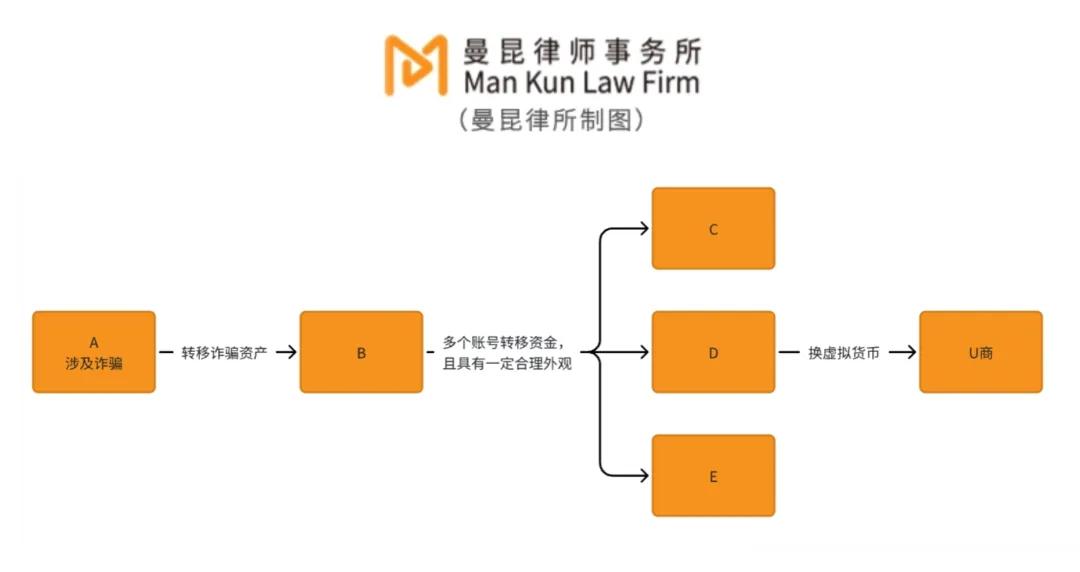
▲ The development logic of the quantitative system
As an international financial center, Hong Kong, with its open market environment, sound regulatory system, and advanced infrastructure, occupies an important position internationally and is also at the forefront of the development of the crypto industry.
In 2017, the Hong Kong Securities and Futures Commission (SFC) issued the "Announcement on Initial Coin Offerings" and the "Circular to Licensed Corporations and Registered Institutions on Bitcoin Futures Contracts and Cryptocurrency-related Investment Products", indicating that Hong Kong has begun to regulate crypto.
In 2023, the Virtual Asset Service Providers (VASP) licensing regime has been implemented, and all centralized virtual asset exchanges operating in Hong Kong or promoting services to Hong Kong investors must be licensed and regulated by the Hong Kong SFC.
The evolution of these policies has provided investors with a stable market foundation, making Hong Kong the preferred destination for the crypto and blockchain technology development.
These names may be familiar to many people: HashKey Group, OSL, MaiCapital, and the success of these leading crypto exchanges and funds in Asia is inseparable from their quantitative teams.
In this city with unlimited potential, the crypto investment market may face unprecedented opportunities and challenges.
Next, let's have Lawyer Mankun take you deeper into why Hong Kong can become the preferred destination for crypto investment quantitative teams.
Common Quantitative Trading Strategies
Crypto asset quantitative trading has specific structures and applicability based on their different characteristics, gradually becoming an important part of the crypto market. These trading strategies, driven by algorithms, reduce the impact of human emotions on trading, thereby improving trading efficiency and accuracy. Here are some of the main quantitative trading strategies:
1. Hedging Trading: Investors simultaneously execute two related, opposite-direction, and equal-sized trades. In simple terms, it is simultaneously buying and selling related digital currencies in different markets, with relatively low trading risk, commonly used by startups for venture capital or private equity investments to maintain the diversification of their asset portfolios.
Legal and Compliance Considerations: Since hedging trading involves multiple markets and trading platforms, fund managers need to ensure the qualifications and security of the trading platforms, especially in cross-border transactions, following Anti-Money Laundering (AML) and Know-Your-Customer (KYC) requirements.
2. Trend Trading: Utilizing market conditions and trend indicators, automatically determining the timing of buying and selling through computer programs. When the market shows a clear trend, it automatically generates buy or sell signals. This trading strategy is relatively complex, but can help investors capture market uptrends or downtrends.
Legal and Compliance Considerations: Trend trading involves High-Frequency Trading (HFT), and the Hong Kong SFC's regulation of HFT is mainly focused on the traditional financial market, with fewer specific regulations for crypto asset trading. However, fund managers need to ensure that their algorithmic trading systems have adequate risk management and audit mechanisms to mitigate potential compliance risks from operational errors.
3. Hybrid Model: Combines the characteristics of multiple modes, including trading of crypto and its derivatives, as well as equity investments in related companies. Hong Kong fund management companies have established strict investment allocation and redemption mechanisms, and conduct regular audits to ensure the security and fairness of the funds. This structure provides flexibility for managers to switch between different investment strategies based on market conditions and investment opportunities.
Legal and Compliance Considerations: The hybrid model involves different types of assets and trading methods, and managers need to comply with the regulatory requirements for the relevant fund types. For example, equity investments must comply with the Securities and Futures Ordinance (SFO) requirements, while crypto asset trading must comply with Anti-Money Laundering (AML) and Know-Your-Customer (KYC) regulations.
When determining the applicable laws and regulations for Hong Kong fund managers, we also need to consider whether the fund instruments are private funds or SFC-authorized funds. For example, for SFC-authorized hedge funds, there are specific hedge fund guidelines that must be followed. According to these guidelines, certain types of authorized hedge funds have minimum subscription requirements, such as $10,000 for fund-of-funds and $50,000 for single-manager hedge funds, while hedge funds with 100% capital guarantee have no subscription limits. In addition, the SFC has set higher standards for the risk management and internal control systems of authorized hedge funds.
Types of Funding Sources and Compliance Requirements
Under the SFC's regulation, different sources of funding need to meet different compliance requirements to ensure legal and transparent transactions, protecting both the operators and investors:
1. Own Funds: Funds may come from the personal assets of team members, internal accumulation of the team, or the team's own profitability. This type of funding does not involve external investors' funds, so the compliance requirements are relatively lower, but internal risk management and internal control processes still need to be followed.
2. Private Placement Funds: Private placement funds are usually from high-net-worth individuals, corporate professional investors, or institutional investors. Compared to authorized retail funds, this type of funding usually has a higher investment threshold and is subject to relatively relaxed regulatory requirements. If the fund management activities are carried out in Hong Kong, a Type 9 license is required regardless of the nature of the fund. Under the Hong Kong Open-Ended Fund Company (OFC) framework, these funds need to be registered with the Hong Kong SFC. Private funds can be closed-end or open-end funds, depending on the overall investment structure and investment assets. Private funds require a licensed fund manager and external fund administration and auditors. The compliance requirements for such funds include compliance with AML and KYC procedures, as well as regular compliance audits and risk management reporting.
3. Public Funds: Some funds may come from crypto ETFs, which are open to public investors, have stricter regulations, often use passive strategies, are custodied by third parties, and trade on the secondary market. Their compliance requirements involve the public offering and trading of the funds, including information disclosure, investor protection, and market conduct regulations.
Regardless of the type, they all need to follow the regulatory requirements of the Hong Kong SFC, such as the segregation of client funds, anti-money laundering and counter-terrorist financing compliance, risk management, and cybersecurity measures. So, what is the regulatory framework in Hong Kong like?
Regulatory Framework
1. Compliance Requirements in Hong Kong, Singapore, Switzerland, and the United States
Among the popular countries and regions in the global Chinese community, there are some differences in the regulatory frameworks for crypto funds:
· Singapore: In 2024, the Monetary Authority of Singapore (MAS) will introduce stricter regulations on crypto and digital payment token (DPT) services, covering areas such as custody services and cross-border fund transfers. In November, two new industry frameworks were released, aiming to promote the tokenization of funds and fixed-income instruments.
· Switzerland: The Swiss Financial Market Supervisory Authority (FINMA) is one of the first financial regulators in the world to develop a clear regulatory framework for crypto and blockchain technology. FINMA ensures the legality and transparency of crypto business activities through its "Swiss Blockchain Act" and the "Financial Market Infrastructure Act (FMIA)".
· United States: The Securities and Exchange Commission (SEC) and the Commodity Futures Trading Commission (CFTC) play important roles in regulating crypto activities. However, due to the decentralized state-level regulation in the US, discussions need to be conducted on a state-by-state basis.
·Hong Kong, China: The Hong Kong Securities and Futures Commission (SFC) provides a transparent and stable regulatory environment, and requires different licenses depending on the business activities, with at least a Type 9 license being required, mainly to regulate fund managers and fund products.
In summary, Hong Kong's crypto policy is relatively flexible, with a stable regulatory environment and friendly tax policies, encouraging market innovation and strengthening cooperation with traditional financial institutions; Singapore is more attractive to digital asset companies, with a more prudent policy focused on compliance and risk management; Switzerland has an early development in regulation and is a pioneer and driver of the global crypto market; while in the United States, due to the lack of unified regulation, crypto fund managers also face certain restrictions.
2. The Role of the Hong Kong Securities and Futures Commission (SFC)
To enhance public understanding of the operation and function of crypto funds, provide protection for the public who invest or hold crypto currency products, and reduce illegal and criminal activities in the industry, the Hong Kong regulatory authorities have put forward a series of compliance requirements for crypto fund teams.
The Securities and Futures Commission (SFC) of Hong Kong is the main regulatory authority for the securities and futures market in Hong Kong, as well as the main regulatory authority for cryptocurrencies. The SFC regulates the crypto currency market through the formulation and implementation of relevant laws and regulations, including the Securities and Futures Ordinance, to ensure that crypto currency funds operate under regulation, and to improve the transparency and standardization of the market.
3. SFC's Regulatory Principles
For those choosing to do crypto quantitative trading in Hong Kong, the SFC has put forward at least four requirements:
·Compliant Operation: The SFC regulates the crypto currency market through the formulation and implementation of the Securities and Futures Ordinance and other guidelines and circulars related to virtual assets, ensuring that the entire crypto market operates under the supervision of the SFC.
·Licensing System: All crypto currency exchanges and crypto currency platform operators operating in Hong Kong must obtain a license, raising the safety and stability threshold for these platforms.
·Due Diligence: All crypto currency-related enterprises must comply with Hong Kong's anti-money laundering and counter-terrorist financing laws (AML/CTF), implement customer due diligence (KYC), and report suspicious transaction activities.
·Regulatory Sandbox: The SFC and the Hong Kong Monetary Authority (HKMA) have jointly established a financial technology regulatory sandbox, where crypto-related enterprises can test their products and services in a controlled environment and conduct risk assessments in advance.
Compliance and Risk Management
So, if you want to operate a crypto fund, what aspects of risk management do you need to focus on?
1. Compliance Framework: A comprehensive compliance framework and effective risk management strategy must be established, including anti-money laundering (AML) and counter-terrorist financing (CFT) measures, to reduce the investment risks of virtual assets.
2. Asset Segregation: Ensure that assets are independent of the manager and other related parties, to safeguard the property safety of investors.
3. Customer Due Diligence (KYC): All crypto currency-related enterprises, including exchanges and wallet service providers, must implement customer due diligence and report suspicious transaction activities.
4. Internal Control and Monitoring Mechanisms: Internal control and monitoring mechanisms need to be established, with regular audits and activity reporting to ensure compliance.
5. Cold Storage Solutions: To prevent hacker attacks and asset theft, cold storage (offline storage) should be used.
6. Periodic Reporting: The custodian needs to provide regular asset reports to the management company and investors to ensure the timeliness and transparency of information.
Therefore, it is not a small task to avoid these risks and successfully establish a crypto quantitative team, and it is very important to have a reasonable plan and the support of a professional team.