Sequoia Capital's Blockchain Investment Story: From Traditional Technology to Web3
Sequoia Capital, as one of the most influential venture capital firms globally, has been leading the integration of technology and capital since its founding in Silicon Valley in 1972. It not only drove the rise of tech giants like Apple and Google, but also, with its keen foresight and solid investment logic, gradually turned its attention to the blockchain field. This article will deeply analyze Sequoia Capital's founder story, development history, investment logic, and classic cases to explore its strategic layout and future outlook in the blockchain track.
1. Founder Don Valentine: The Vision and Philosophy of the Father of Silicon Valley
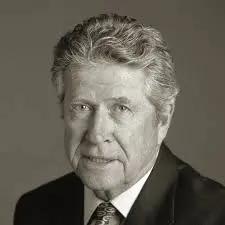
Sequoia Capital was founded by Don Valentine in 1972. At that time, Silicon Valley had not yet become the global technology center, but Valentine, with his deep background in the semiconductor industry, saw the tremendous potential of the technology industry. His core idea was to "invest in people" - to find entrepreneurs with foresight and strong execution capabilities.
Under Valentine's leadership, Sequoia Capital made early investments in companies like Apple and Cisco, which later not only reshaped the technology industry but also changed the business models of modern society. He has always believed that investment should go beyond short-term returns and focus on supporting innovators who can solve fundamental problems.
"Find great entrepreneurs who can solve problems, not just chase market trends." This is Valentine's core philosophy, and it is also the reason why Sequoia Capital has been able to transcend the times and remain undefeated.
2. Sequoia Capital's Development History: From Silicon Valley to Global Expansion
In the 1970s and 1980s, Sequoia Capital became the primary investor for Silicon Valley startups. The success of companies like Apple, Oracle, and Google established Sequoia Capital's position in the venture capital field, making it synonymous with "technology investment".
In 2005, Sequoia Capital entered the Chinese market, with Neil Shen leading the establishment of Sequoia China. As a co-founder of Ctrip and Home Inns, Shen had a deep understanding of the unique demands of the Chinese market. He led Sequoia China to invest in a batch of tech unicorns, such as Meituan, Pinduoduo, and ByteDance, making Sequoia China a heavyweight investor in the Chinese market.
In 2023, Sequoia Capital announced a global split, with Sequoia China being renamed "HongShan" and operating independently. This move not only consolidated the position of Sequoia China but also further strengthened its layout in the blockchain track.
Sequoia Capital first entered the blockchain field through its investment in Huobi in 2014. With the rise of decentralized technology and the Web3 concept, Sequoia Capital has gradually shifted its investment focus to blockchain infrastructure, DAOs, Non-Fungible Tokens (NFTs), and decentralized finance (DeFi), in order to adapt to the new wave of technological change.
3. Sequoia Capital's Investment Logic: Focusing on Innovation and Long-term Value
Sequoia Capital has always focused on companies that can define the future of the industry. Whether it's the tech giants of the internet era or the infrastructure of the blockchain era, Sequoia Capital sees it as its mission to capture the technologies that can change the world.
Sequoia Capital's core investment logic is to "invest in people", that is, to choose entrepreneurs with foresight. For example, when investing in Meituan, the founder of Sequoia China, Neil Shen, recognized Wang Xing's deep insight into market demand and his excellent execution capabilities.
Sequoia Capital avoids chasing short-term trends and instead focuses on the long-term value of companies. In the blockchain field, its investment logic is reflected in its focus on technological moats and the potential for ecosystem expansion, such as its investments in Nervos and CertiK, which are infrastructure projects.
4. Classic Case Analysis: Sequoia Capital's Blockchain Investment Trajectory
1. Huobi
In 2014, Sequoia Capital officially entered the blockchain field through its investment in Huobi, a cryptocurrency exchange that quickly rose to become one of the leading platforms globally. The success of Huobi (now HTX) not only laid the foundation for Sequoia Capital's early layout in the blockchain field but also provided it with rich experience for its subsequent investments.
2. Bitmain
In 2017, Sequoia Capital led the Series A financing of Bitmain, the world's leading mining machine manufacturer, and also participated in its Series B round. With its advanced ASIC chip technology, Bitmain has dominated the market. Through its investment in Bitmain, Sequoia Capital further strengthened its layout in the blockchain hardware infrastructure field.
3. FTX
In 2021, Sequoia Capital participated in FTX's Series B financing. This exchange, with its innovative financial products and technology, quickly rose to the forefront of the global cryptocurrency trading platforms. Although FTX later experienced a collapse, Sequoia Capital's investment reflected its long-term optimism about the potential of decentralized finance (DeFi) and emerging trading platforms.
4. CertiK
CertiK is a leading blockchain security company that provides comprehensive security auditing services for smart contracts and blockchain projects. Sequoia Capital's investment in CertiK further promoted the standardization of security in the blockchain industry. As the blockchain ecosystem expands, CertiK's technology plays a crucial role in ensuring the security of smart contracts and systems.
5. Magic Eden
Sequoia Capital invested in the multi-chain Non-Fungible Token (NFT) marketplace and Solana-based trading platform Magic Eden. As a leading platform supporting a multi-chain ecosystem, Magic Eden is known for its efficient trading performance and diverse digital asset ecosystem, providing users with fast and low-cost transactions, which has attracted a large user base and made it a leading NFT marketplace and Bitcoin ecosystem platform. Sequoia's investment highlights its focus on Web3 applications, particularly in the NFT and virtual asset sectors.

6. STEPN
Sequoia Capital supported STEPN, a "Move-to-Earn" application based on Solana. The platform combines exercise and blockchain economics, allowing users to earn tokens while exercising, creating a new blockchain application scenario. Sequoia's investment provided strong support for STEPN's rapid growth and also demonstrated its recognition of the potential for the integration of blockchain and healthy living.
7. LayerZero
LayerZero is a protocol focused on achieving blockchain interoperability, providing cross-chain solutions for decentralized applications through seamless connections between multiple blockchains. Sequoia Capital's investment in LayerZero indicates its emphasis on the future development of cross-chain technology. LayerZero's technology brings new possibilities for the interconnectivity of the blockchain ecosystem.
8. DAO and Web3
In 2021, Sequoia Capital proposed the vision of "helping entrepreneurs create great DAOs" and actively invested in decentralized autonomous organizations (DAOs) and Web3 infrastructure projects. By supporting these innovative forms, Sequoia Capital has played an important role in shaping the future decentralized Internet economy.
5. Competition with A16z: How Sequoia Capital Stands Out in the Blockchain Track
Sequoia Capital and A16z (Andreessen Horowitz) have engaged in fierce competition in the field of blockchain investment. As two top venture capital firms, they have formed unique investment styles and advantages in the global crypto market.
A16z, with its massive Crypto Fund, has quickly occupied a large market share. Its aggressive investment strategy allows it to quickly layout multiple blockchain tracks, especially in large investment projects in the fields of Non-Fungible Tokens (NFTs), Decentralized Finance (DeFi), and Web3. Sequoia Capital, on the other hand, has adopted a more prudent investment strategy, winning the trust of many entrepreneurs with its deep industry understanding and focus on long-term value.
Sequoia Capital's unique advantages are:
Focus on infrastructure investment: Sequoia pays more attention to the underlying technology and infrastructure of blockchains, such as supporting the blockchain security company CertiK and the decentralized protocol Conflux.
Avoid the trap of short-term volatility: Sequoia Capital focuses on technology moats and ecological extensibility, avoiding missed opportunities for long-term layout by chasing hot spots.
Global resource integration: By connecting global technology resources and capital networks, Sequoia not only provides financial support to entrepreneurs, but also empowers them in strategic cooperation and market expansion, helping startup projects land faster.
The competition between Sequoia and A16z is not only a contest of two investment philosophies in the blockchain track, but also a model of how technology and capital can mutually empower each other.
6. Challenges and Opportunities: The Future Outlook of Blockchain Investment
One of the biggest challenges facing the blockchain field is the uncertainty of regulation and technological risks. The regulatory policies of the world's major economies on cryptocurrencies and blockchain technology are not yet fully clear, which may affect the development path of the market. At the same time, the rapid iteration of technology also brings potential risks to investment.
Sequoia Capital addresses these challenges in the following ways:
Avoid policy risks: Choose countries or regions with a more friendly policy environment for investment, such as supporting blockchain projects in Southeast Asia and the Middle East.
Build technology moats: Prioritize investing in projects with leading technology to ensure an advantage in industry competition.
Diversified layout: Invest in multiple tracks such as exchanges, security audits, infrastructure, and Decentralized Finance (DeFi) to diversify potential risks.
Sequoia Capital not only provides funding for entrepreneurs, but also helps projects build a complete ecosystem through strategic cooperation, technical support, and resource integration. This "capital + ecosystem" empowerment model has not only improved the success rate of invested companies, but also further consolidated Sequoia Capital's position in the blockchain industry.
Sequoia Capital's ecosystem empowerment is mainly reflected in:
Technical support: Introduce technical partners to provide project-level architecture optimization and development resources.
Resource integration: Connect projects with the global market to help them quickly enter new markets.
Long-term support: Continuously monitor the operational status of invested companies and provide targeted support at various stages.
7. Enlightenment of Sequoia Capital: How Capital Drives Technological Progress
Sequoia Capital's investment practices in the blockchain field have provided profound insights for the industry. With its long-term strategic layout, global resource integration, and technical empowerment, Sequoia Capital has not only promoted the development of blockchain technology, but also set a new benchmark for the entire industry.
1. Establish an industry benchmark for the integration of technology and capital
From the early investment in Huobi to classic cases like CertiK and Bitmain, Sequoia Capital has captured industry trends with precise vision, using capital to promote the maturity and application of underlying technologies, laying a solid foundation for the development of the blockchain industry. These successful cases have verified the critical role of technology moats in industry competition, and also highlighted Sequoia Capital's leading position in technology-driven investment.
2. Drive the future of DAO and Web3
Sequoia Capital's deep support for DAOs (Decentralized Autonomous Organizations) demonstrates its profound understanding of the future economic model. By investing in Web3 infrastructure and decentralized economic projects, Sequoia is actively promoting the construction of the next-generation Internet, accelerating the transformation of the traditional economy towards a decentralized model, and leading the new direction of the global digital economy.
3. Adhere to the investment philosophy of long-term thinking
In the blockchain field full of short-term speculation and market volatility, Sequoia Capital has always adhered to the core philosophy of "investing in people" and "investing in the future". They have avoided the short-term traps of hot spots and are more focused on the technological accumulation and long-term value of companies. This long-term strategy not only consolidates Sequoia's leading position in the blockchain field, but also sets a sustainable development model for the industry.
8. Summary: Sequoia Capital's Blockchain Vision
With its keen market insight and global strategic layout, Sequoia Capital has been leading the integration of capital and technology, from traditional technology companies to the emerging blockchain field. In the continuous evolution of the blockchain industry, Sequoia Capital has demonstrated how an investment institution can empower technology and lead the industry by supporting infrastructure construction, promoting ecosystem innovation, and building a global resource network.
In the future, as Decentralized Finance (DeFi), Non-Fungible Tokens (NFTs), DAOs, and the Web3 ecosystem further mature, Sequoia Capital will continue to unleash its innovation capabilities, write its own blockchain legend, and inject more vitality into the global blockchain industry.