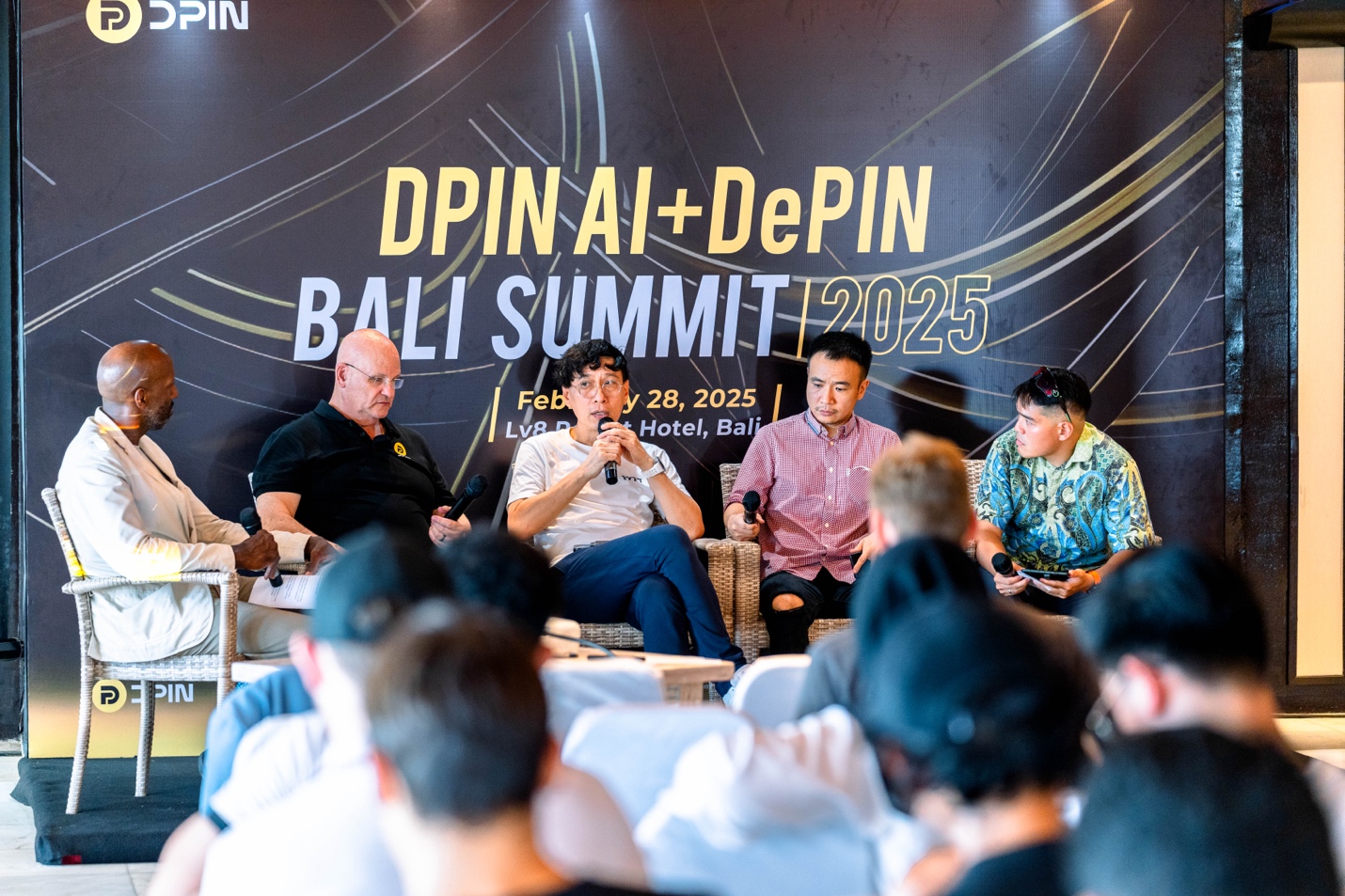
Bali, Indonesia - February 28, 2025, the DPIN AI+DePIN Bali Summit was grandly held at the picturesque LV8 Resort Hotel, gathering top experts, entrepreneurs and innovators in the field of AI and decentralized physical infrastructure network (DePIN) from around the world. This event hosted by DPIN was fully supported by QPIN, 42DAO and mainstream media, aiming to explore the deep integration of AI and decentralized technology, drive revolutionary changes in the digital economy, and map out a blueprint for future technological development.
The event was hosted by Robert Ian Bonnick, a well-known Indonesian business growth strategist and international speaker. He has collaborated with international brands like Hilton Hotels and MTV, and founded the popular program "SpeakuP Monday - Destination Indonesia". At the opening, Robert enthusiastically described the summit as "an exciting intersection of ideas and expertise", creating an inspiring atmosphere for the attendees. He emphasized that this was not only a technical event, but also an important opportunity for global innovators to collide ideas and explore practices.
DPIN, as a pioneering project of "decentralized physical infrastructure network", is committed to using blockchain technology to build decentralized infrastructure. Its core mission is to create the world's largest AI computing infrastructure by integrating global computing resources, in order to meet the growing demand in areas such as e-sports, cloud gaming, AI model training and high-performance computing. At the summit, DPIN Foundation's Chief Operating Officer Daniel Schwartz elaborated on this grand vision, emphasizing that DPIN has enhanced its technical capabilities through strategic cooperation with 42DAO and the Institute of High Performance Computing (IHPC) in Singapore, and is providing efficient and low-cost computing solutions for global users. He also pointed out that DPIN is not only a technical platform, but also a key link connecting the real world and the digital economy, pursuing the successful implementation of decentralized technology in practical applications.
QPIN CEO Shawn Tham then shared how QPIN Labs provides innovative support to DPIN through the deep integration of Web3 and AI technology. Leveraging the cutting-edge research results of A*STAR in Singapore, QPIN helps DPIN optimize computing performance and network scalability, particularly outstanding in AI-driven high-performance application scenarios. Shawn stated that this cooperation model redefines the efficiency and reliability of decentralized computing resources, injecting strong technical support into the DPIN ecosystem. He specifically mentioned the excellent performance of QPIN's technical solutions in AI model training and distributed computing optimization, ensuring system stability under high loads.
Morfolabs partner Irvan Tisnabudi analyzed the development trends of DePIN in the cryptocurrency field from an industry-wide perspective. He believes that projects like DPIN represent the wave of integration between decentralized technology and real infrastructure, opening up new paths for the practicality of blockchain. He particularly mentioned DPIN's token incentive mechanism, which not only incentivizes users to participate in ecosystem building, but also provides economic momentum for network expansion. He stated that this model may become the key to the promotion and economic sustainability of future blockchain solutions, driving the large-scale application of decentralized technology.
ForU AI co-founder Kai delved into the global AI's GPU availability and performance bottleneck issues. Combining the latest dynamics in the Chinese market, he analyzed the surge in demand for GPUs in AI model training and inference, as well as the resulting supply chain and cost challenges. He pointed out that DPIN's decentralized computing network provides an innovative approach to solving these problems, reducing the dependence on centralized hardware through distributed resource scheduling, while improving the flexibility and cost-effectiveness of computing. Kai also shared AI application cases he observed during his global travels, emphasizing the importance of cross-industry technology integration.
The core session of the summit was the roundtable discussion, where the guests engaged in in-depth discussions on AI computing demands, challenges in decentralized network expansion, and the future of token economics, sparking rich insights. Daniel Schwartz detailed how DPIN, through its global resource integration with 42DAO, supports the development of the digital economy, especially the application prospects in high-growth areas such as e-sports and cloud gaming. He also mentioned that the cooperation with IHPC has given DPIN significant advantages in computing efficiency and cost control. Shawn Tham focused on QPIN's technical contributions, explaining how it optimizes the performance and scalability of DPIN's infrastructure, particularly in terms of efficiency and reliability assurance for AI model training. He emphasized that QPIN's distributed computing solution has significantly enhanced the system's fault tolerance. Irvan Tisnabudi analyzed the challenges faced by the crypto industry in real-world applications, such as network scalability, data privacy and operating costs, and proposed that DPIN's token incentive mechanism may provide a breakthrough opportunity for more participants to join the ecosystem. Kai, from the perspective of an AI expert, discussed the current state of GPU supply and demand imbalance, pointing out that DPIN's decentralized solution not only alleviates the pressure of hardware shortages, but also provides significant cost-effectiveness for enterprises through flexible resource allocation. The brilliant interactions of the four guests presented the attendees with multi-dimensional and comprehensive in-depth insights.
DPIN is accelerating the development of its ecosystem, attracting the participation of global developers and enterprises. The cooperation with IHPC ensures efficient and low-cost computing solutions, with the core advantages being decentralized resource scheduling and the high fault tolerance of the distributed network. This technical architecture not only reduces the high costs of traditional centralized computing, but also provides users with diverse and flexible participation methods. DPIN's vision is to connect the world through decentralized technology, unleash computing power, and benefit more industries and individuals, promoting the inclusive application of technology.
In the end, Robert summarized, "This is an unforgettable journey of exploring AI and decentralized innovation, and we have witnessed the future of technology together." He thanked all the guests and participants for their enthusiastic involvement, believing that this summit was not only a feast of ideas, but also a starting point for action.
The grand event on February 28, 2025 not only demonstrated DPIN's leadership in the fields of AI and DePIN, but also further consolidated Bali's position as a global hub for technology and innovation. DPIN's grand goal - to connect the world through decentralized technology - is gradually transforming from concept to reality, injecting infinite possibilities into the next stage of digital economic development.