16 years have passed, and the cryptocurrency industry is still in its early stages.
Author: Emily Lai
Translator: Luffy, Foresight News
Web3 marketing is complex and challenging, from choosing the right channels, crafting promotional messages, to coordinating various affairs. Should you invest resources into an event? Or carefully plan an ambassador program? Or consider the incentive details of a hackathon? There are always endless tasks ahead.
Excellent marketers know how to simplify, plan meticulously, and execute effectively, while also helping to save budgets.
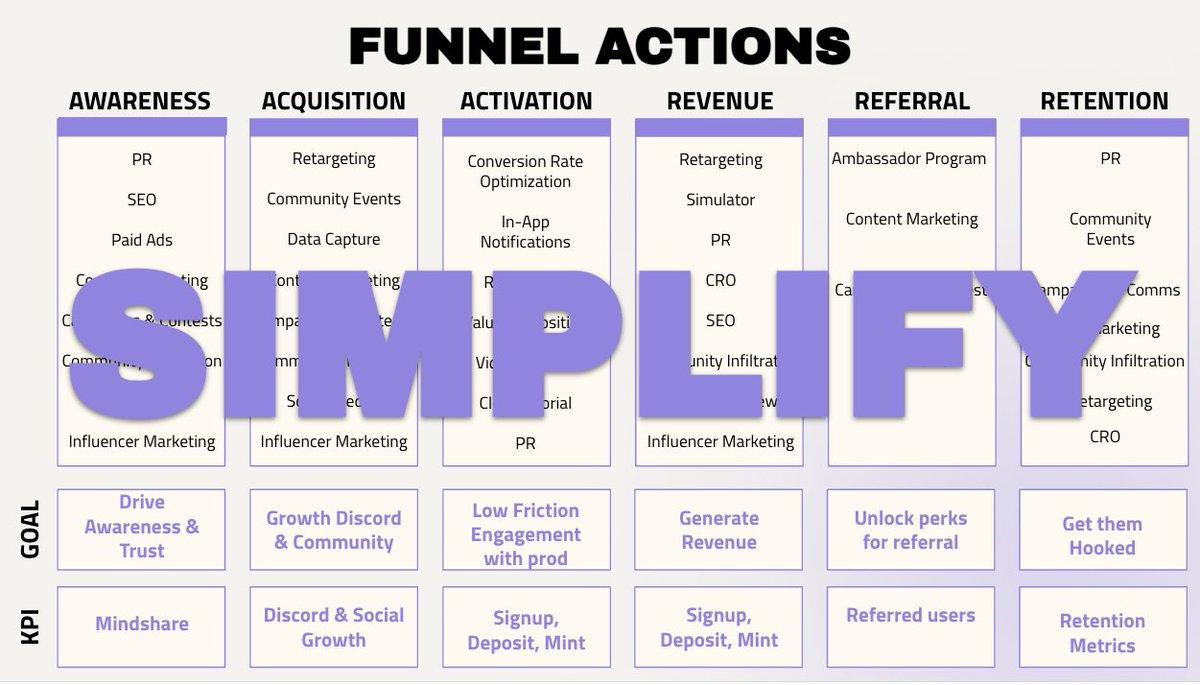
Effective marketing strategies can help you navigate seemingly daunting challenges
However, marketing in the crypto space is becoming increasingly difficult.
What exactly is the problem? As founders, developers, and marketing pioneers, how can we break through the difficulties and find opportunities?
Tracing back to the root causes, the following three key factors have contributed to the increasingly challenging user acquisition landscape.
Reason 1: Intensifying Competition
Nowadays, various blockchains, middleware, and decentralized applications (dApps) are saturated, all competing for user attention.
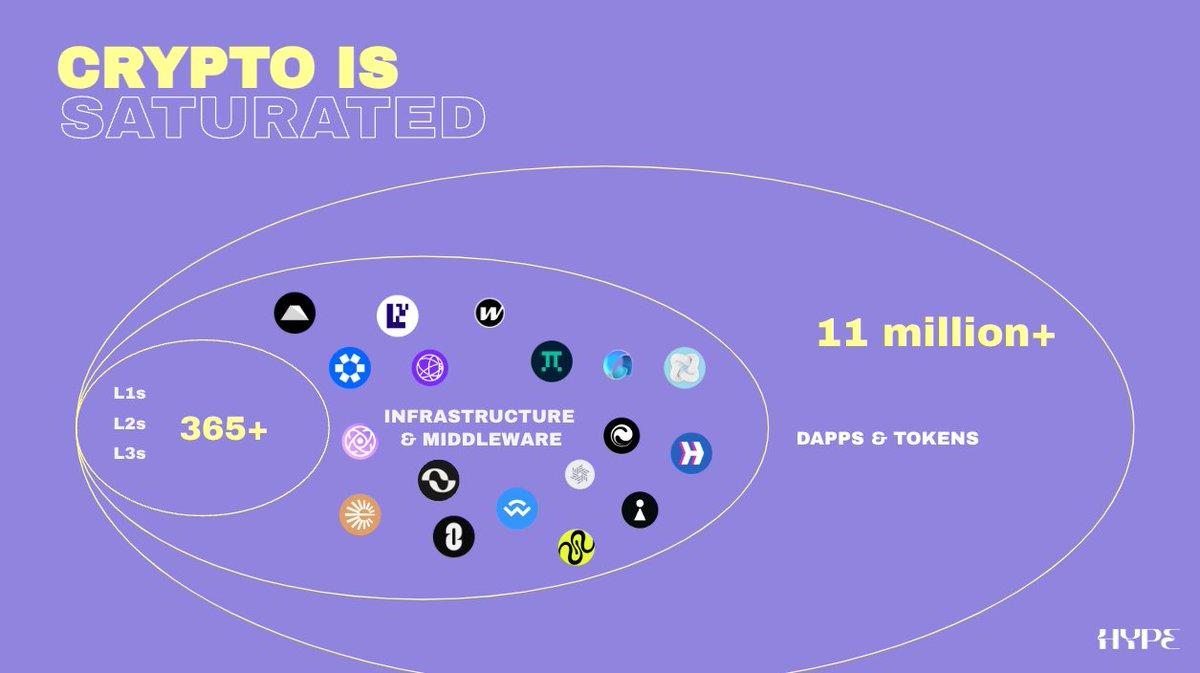
Data source: DefiLlama for blockchain-related data, Alva for dApp and token data
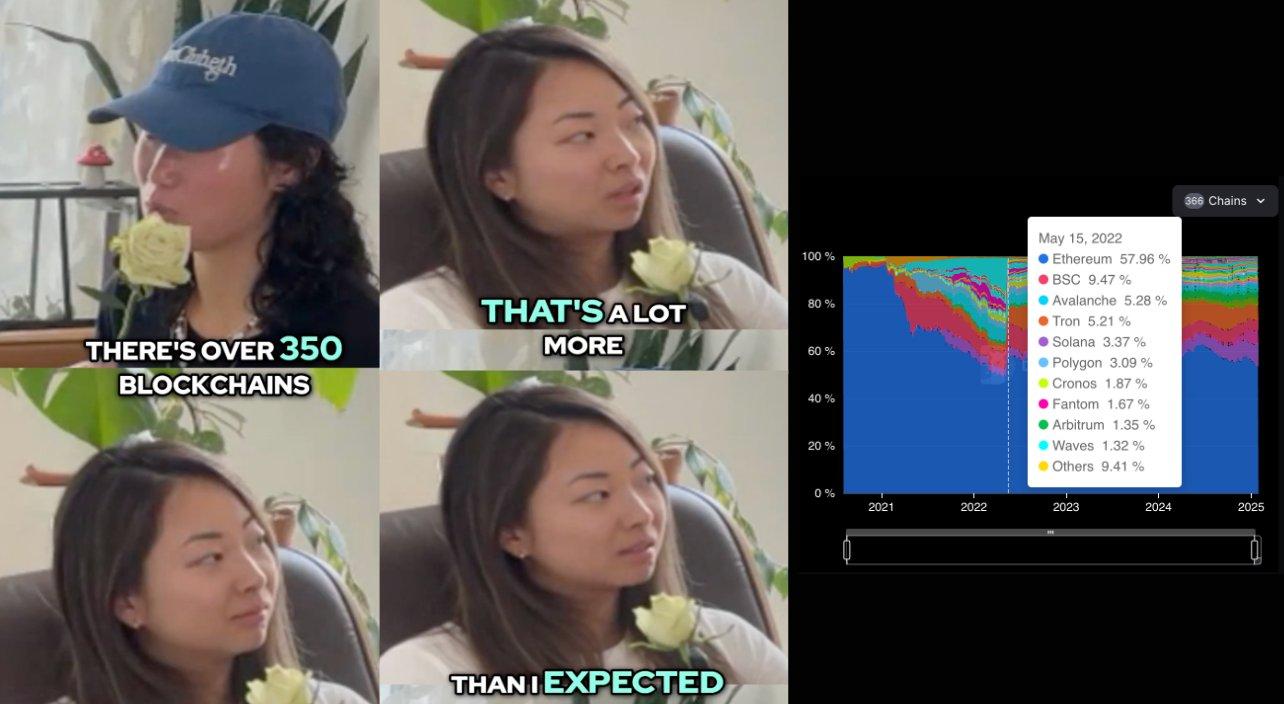
My friend @mumufengg had never interacted with on-chain before, and her immediate reaction was telling.
According to DefiLlama, there are currently over 356 blockchains. After attending a presentation, I discussed with @cattybk from thirdweb, and he shared that they have encountered over 2,000 EVM chains. I then checked Coingecko's data and found:
- Over 8,700 L1s
- Over 5,200 L2s
Additionally,
- According to Cookie DAO, there are over 1,500 AI agents
- According to Dune, Pump.fun generates over 50,000 tokens per day
- According to Kaito, there are 44 narratives
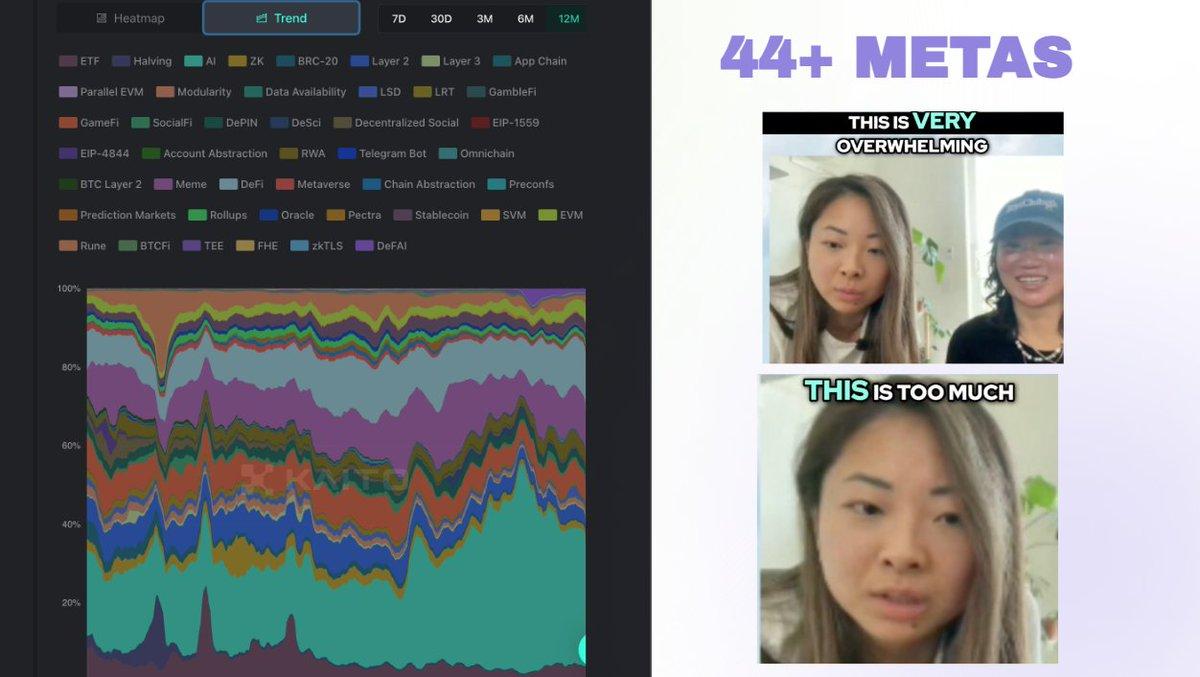
But is there enough new user influx to support the new tokens that make up these blockchains, infrastructure, middleware, and dApps?
The current Total Value Locked (TVL) matches the trend of Google searches for "cryptocurrency", which is gradually declining, indicating that the mainstream's interest in cryptocurrencies is waning and their willingness to enter the market is decreasing.
Even if they do enter, with hundreds to thousands of blockchains, not to mention hundreds of wallets, the user's choice has become unprecedented, and the confusion index is skyrocketing.
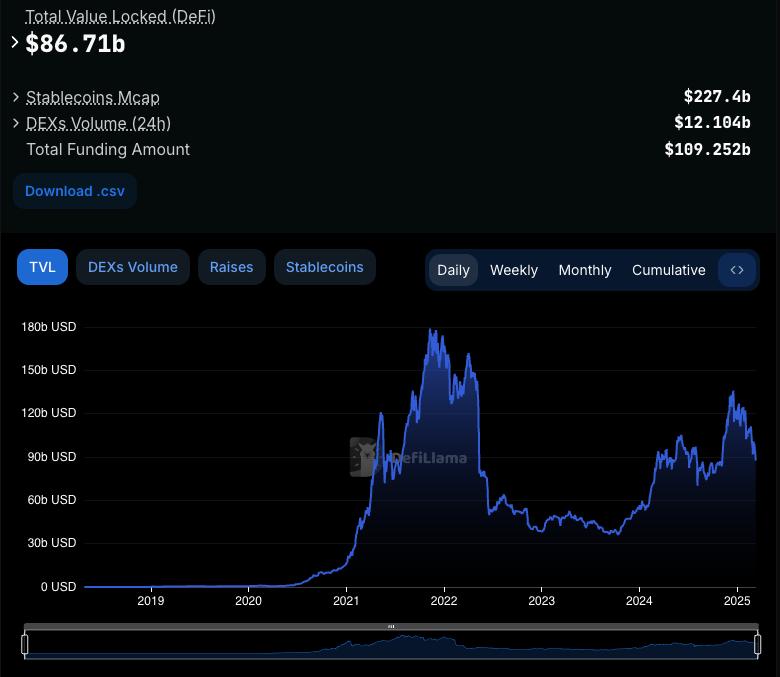
DefiLlama shows the TVL comparison between the current and previous cycles
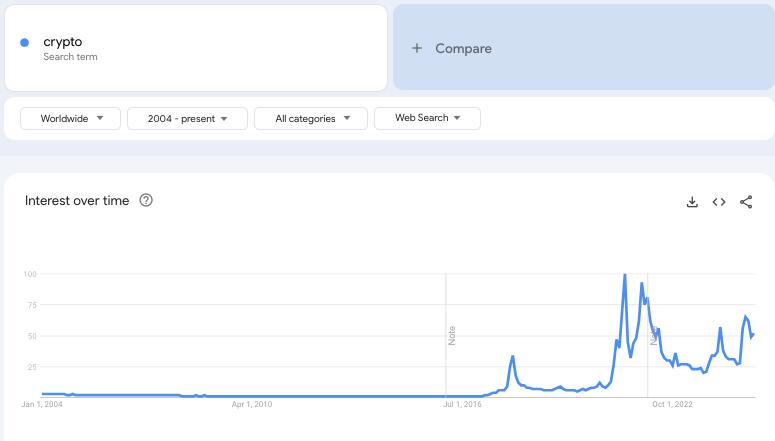
Google Trends shows the global search interest for "cryptocurrency"
Reason 2: Diversified Audience
There are various crypto audience groups globally, each with different motivations, further fragmenting the market.
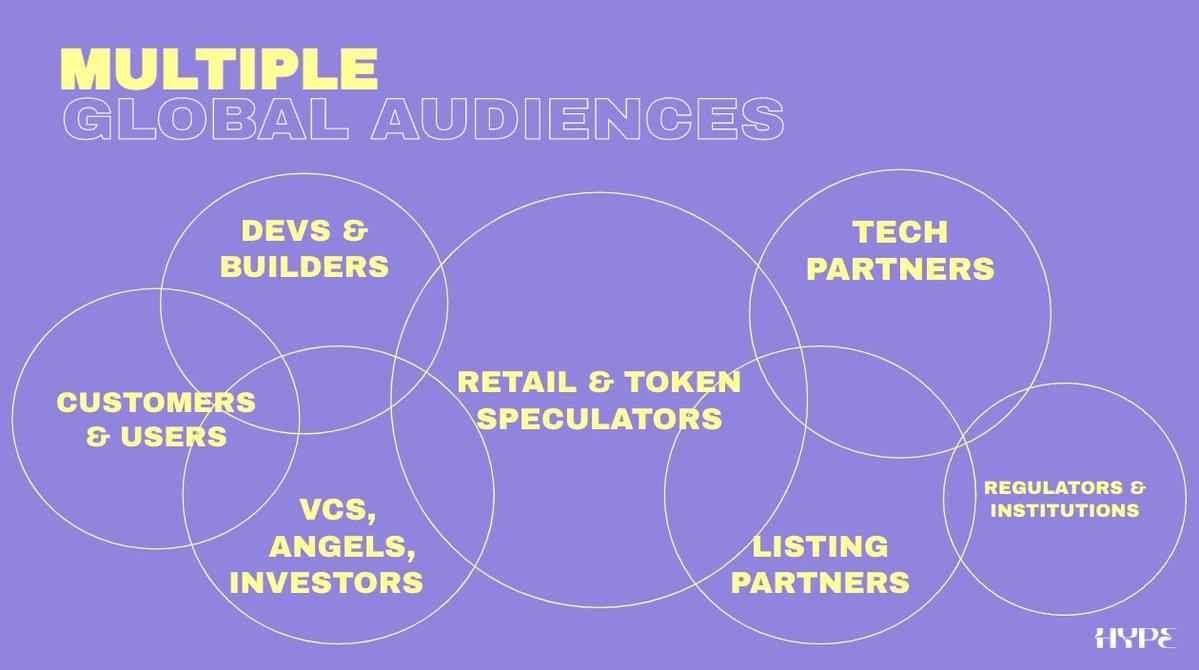
Developers and builders: If you're operating a blockchain network or ecosystem, you need developers to build applications to attract new users. This requires marketing to developers and guiding them to join. Their motivations vary - some want to build unique things using your tech stack, some are attracted by funding programs, and some see higher chances of success due to network effects and distribution advantages.
Consumers and users: If you're operating a protocol, dApp, middleware, or service provider, you need to attract users to generate revenue. Be mindful not to confuse users with token holders, as some may just be speculators trading your tokens, not your actual users.
VCs and investors: This audience is your fundraising target, motivated by investment returns. They often focus on tokens, and token performance may not always correlate with technology, user numbers, or developer count.
Retail investors and token speculators: This audience may or may not be your product users. They also seek investment returns and are passionate about trading tokens.
Technology partners: The blockchain advancement journey requires breakthroughs in areas like speed, security, and cost, giving rise to middleware infrastructure categories covering chain/wallet abstractions, cross-chain bridges, interoperability, composability, and modularity. There are also service providers like blockchain explorers, ad tech, attribution, and unlocking software. Yes, everyone hopes to achieve co-branding, but this is usually a broad audience that most projects need to target, which is why business development is a hot role in our space.
Listing partners: Including exchanges, Launchpads, market makers, and OTC brokers and KOLs. These audiences play a critical role in the success or failure of tokens, and their motivations are often also tied to investment returns.
Regulators and institutional investors: These audiences can bring significant liquidity, but may also lead to the demise of your company.
In addition to these seven audience groups, the global nature of cryptocurrencies may further segment the audience. This means understanding cultural differences, coordinating messaging across time zones, and managing localized marketing efforts.
All these factors make crypto marketing significantly more challenging. In the Web2 world, marketing is often more direct, messaging is clearer, and audience motivations are more aligned.
For example:
- Selling health supplements, the target audience is health-conscious people, the elderly, and those with higher disposable income.
- Selling winter jackets, the target audience is residents of cold regions, skiers, and mountaineers.
- Selling protein powder, the target audience is fitness enthusiasts and gym members.
Reason 3: Immature Technology and Burned Users
Since the birth of Bitcoin, the news headlines have declared its "death" 415 times. In addition, our industry has also been infamous for scams, money laundering, and crimes.
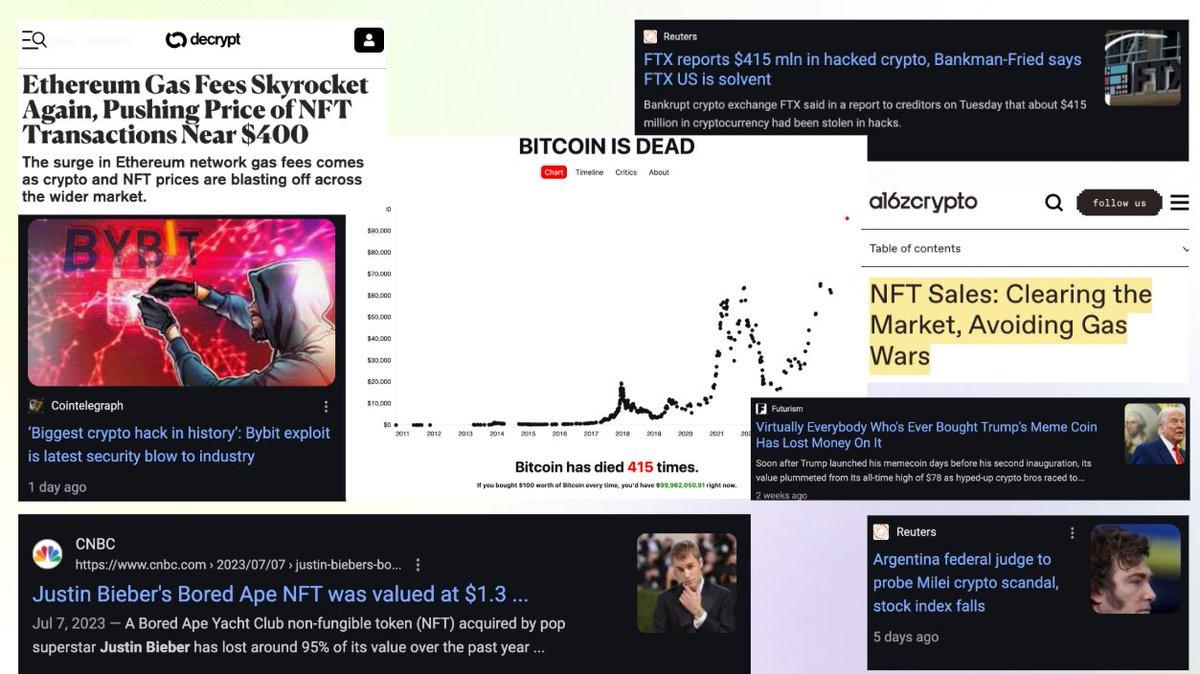
If you tell your parents you work in crypto, these headlines might make them worry
In 2021, I witnessed a massive influx of users due to the NFT and metaverse hype, with celebrities also joining in. If you work in this field, your friends are likely to text you about these things. But when we realize that gas fees can skyrocket, token prices can plummet, and losing money is no fun at all, the hype quickly fades away.
After the mainstream users left, we entered a developer (bear) market, resulting in thousands of blockchains and middleware.

The market oscillates between "we need more applications" and "we need more infrastructure". Image inspiration from @jillrgunter
Why Do You Still Persist?
I don't know, let me take a deep breath and clear my mind, then please tell me (seriously, I really want to hear your story, as it's also important for your own marketing).
For me, it was around 2013 in my university dorm when I fell into the Bitcoin "rabbit hole" because I was passionate about property rights and self-sufficiency.
Since then, I have seen cryptocurrencies being widely used in places like Argentina, Indonesia, and Turkey.
I was able to survive in Buenos Aires, Argentina, mainly relying on stablecoins, as the hyperinflation there was too crazy.
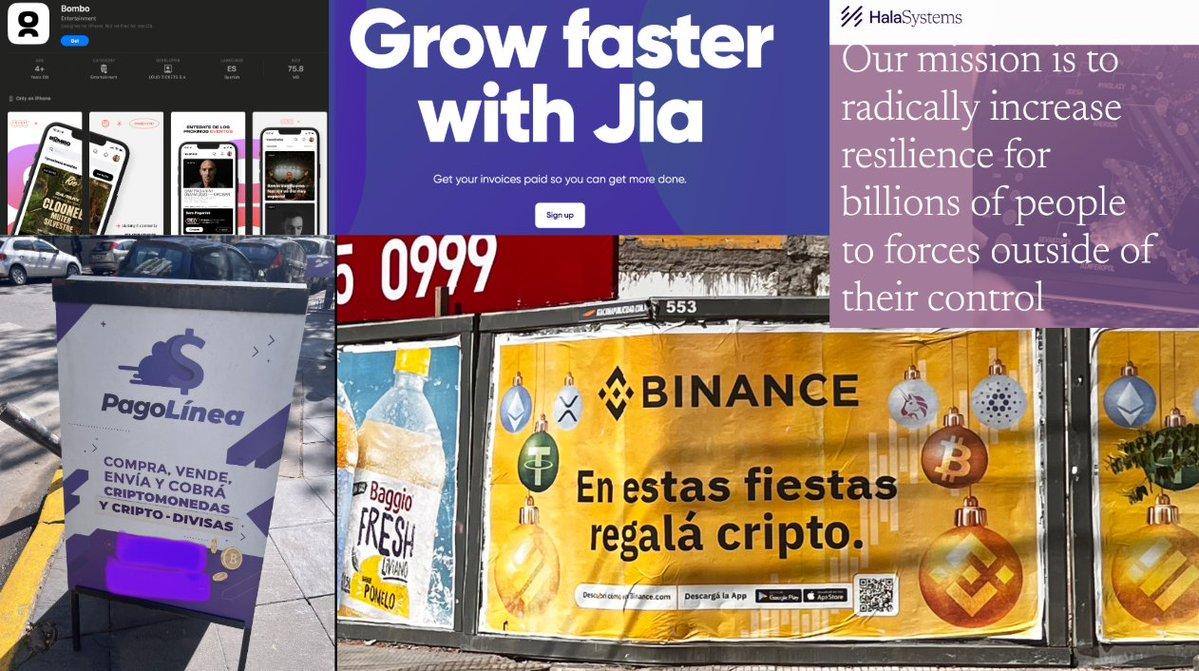
There are also many companies using blockchain technology, and they have already fully abstracted it.
I would like to pay tribute to @benLLS of @octantapp, who introduced me to @jia_DeFi, a company that helps emerging markets unlock capital, and Hala Systems, which helps reduce harm, enhance security, and stabilize communities.
There are also companies like BOMBO that use NFTs to represent music tickets and have completely abstracted the crypto language.
@cattybk also told me about some popular casual games that use blockchain technology and are gaining a large user base outside of crypto Twitter.
In addition, Electric Capital releases a developer report every year. Overall, Web3 developers are growing (although down from the previous cycle, indicating we haven't attracted net new users).
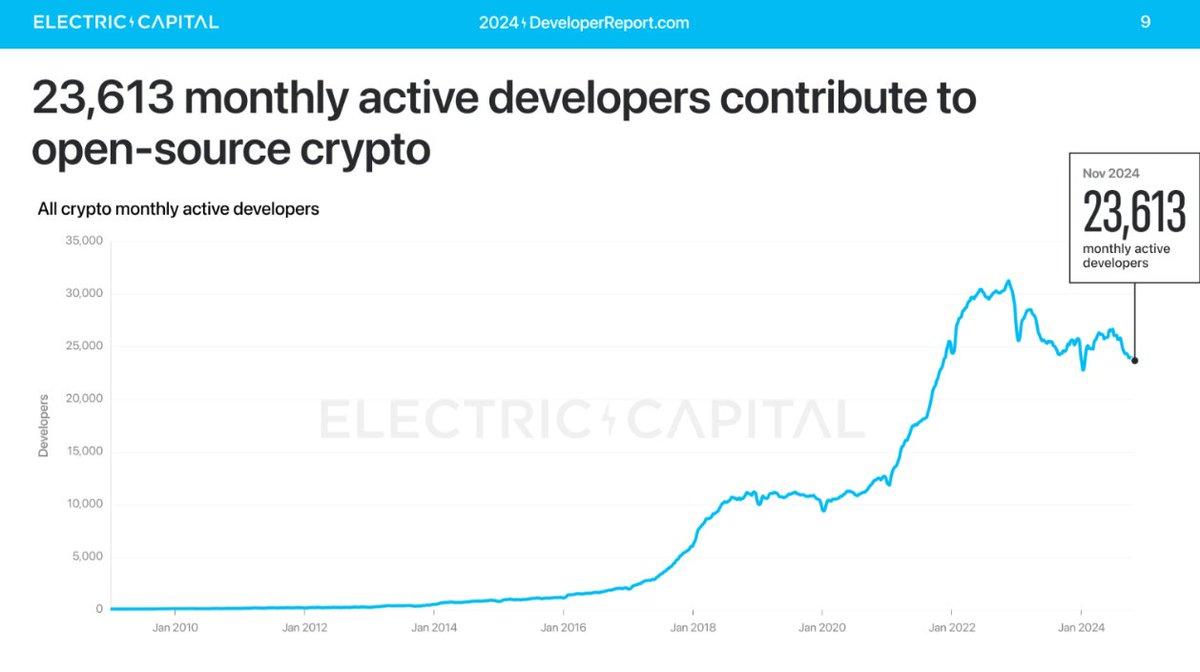
16 years have passed, and we are still in the early stages
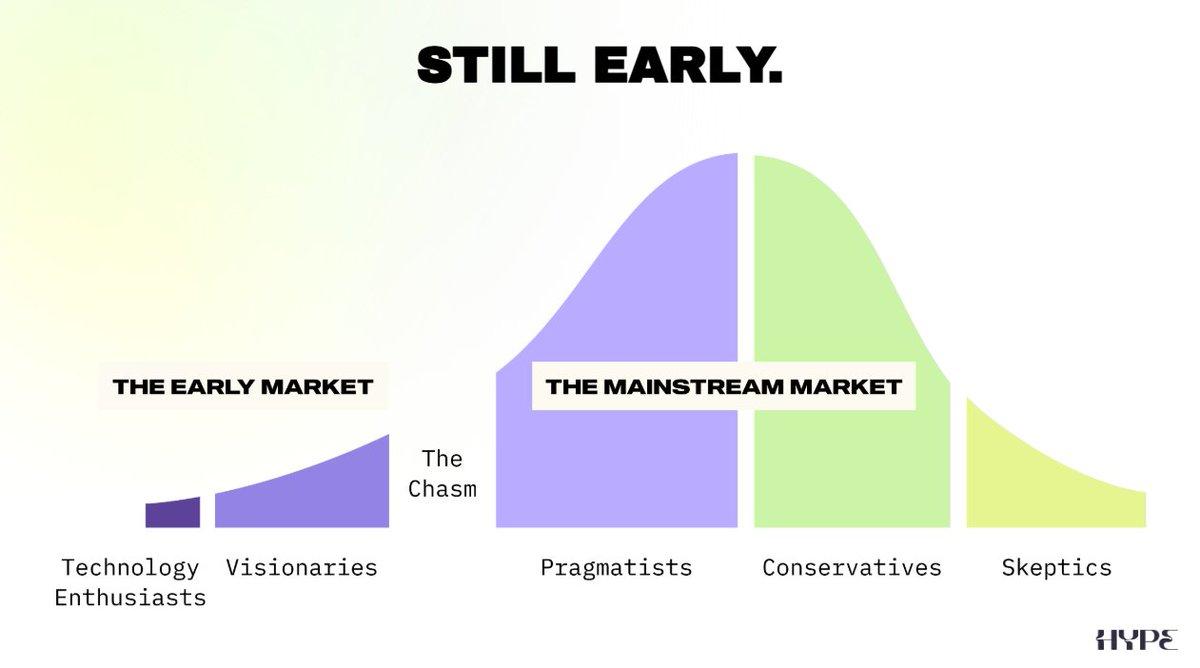
In a sense, we have crossed the chasm, as the mainstream market with higher risk tolerance has already embraced Bitcoin, viewing cryptocurrencies as an asset class.
But what we haven't successfully sold them on is why we need thousands of blockchains, let alone a single application they would use more frequently than Instagram, TikTok, WhatsApp, or ChatGPT.
What does this mean? We haven't built what people want. Or, the products aren't ready yet.
So let's start from here.
I truly believe that there are many well-intentioned, public-spirited, and value-driven people working to build in this space.
Assuming you are building a project with the best of intentions, what are the main marketing fundamentals you should understand and apply in the crypto space?
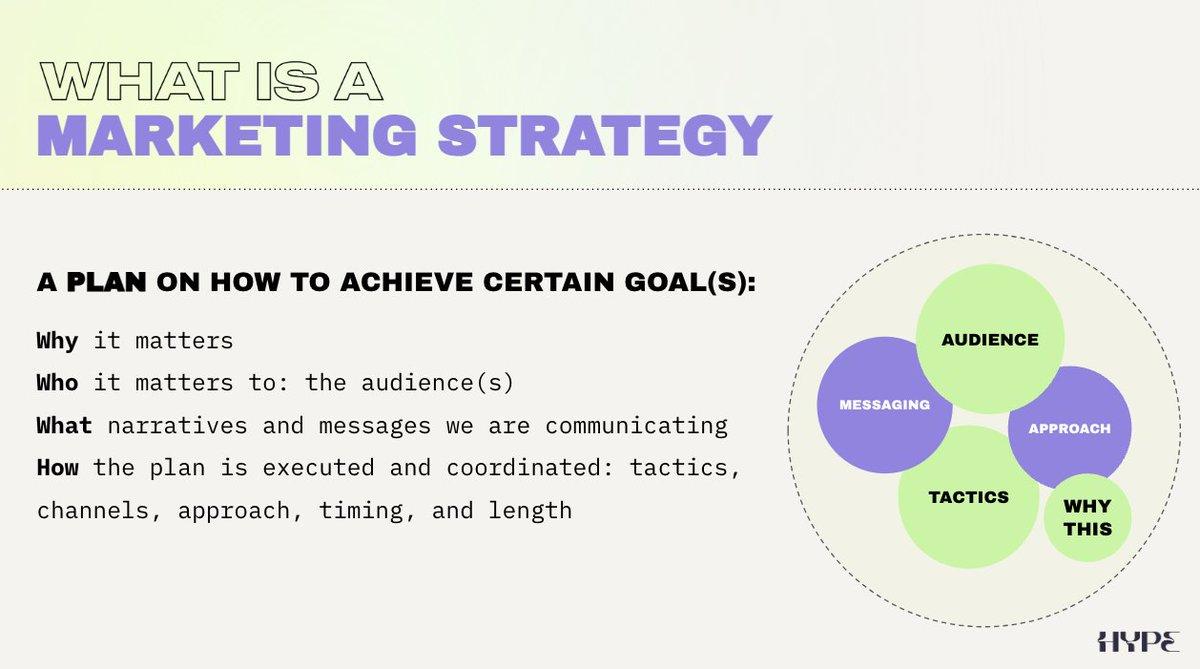
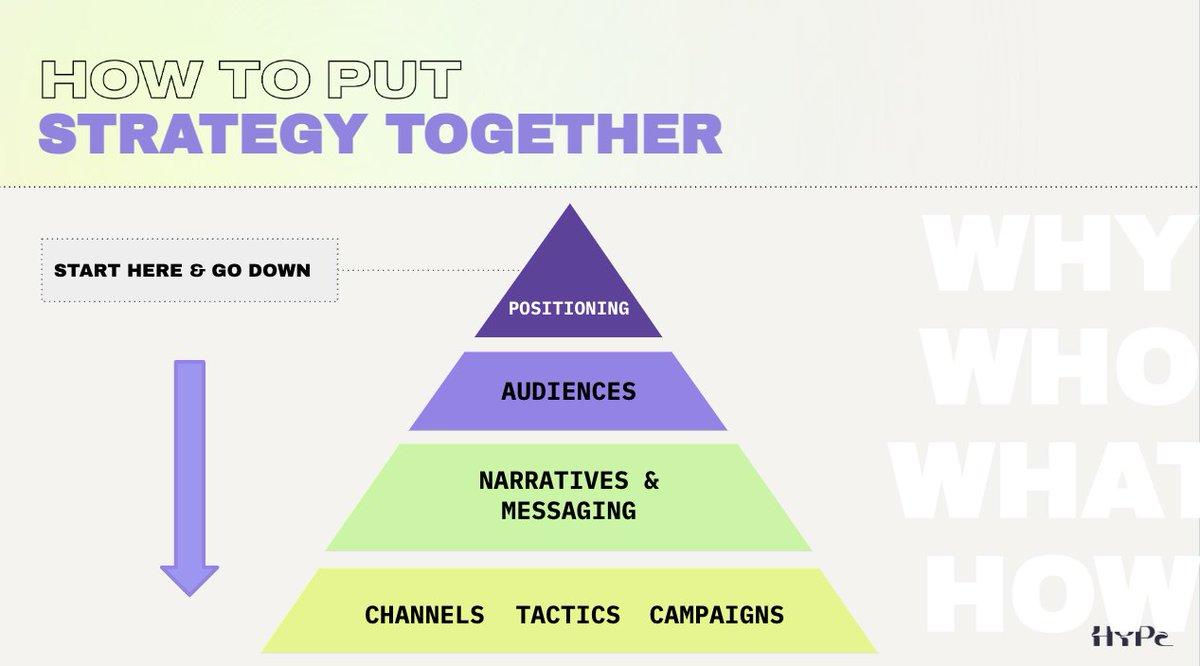
These are two slides I like to showcase in my "What is Marketing" presentation, essentially distilling marketing strategy into four words. (You can watch a more detailed explanation in this video I did with Mode.)

Three other important tips for user acquisition in the crypto space
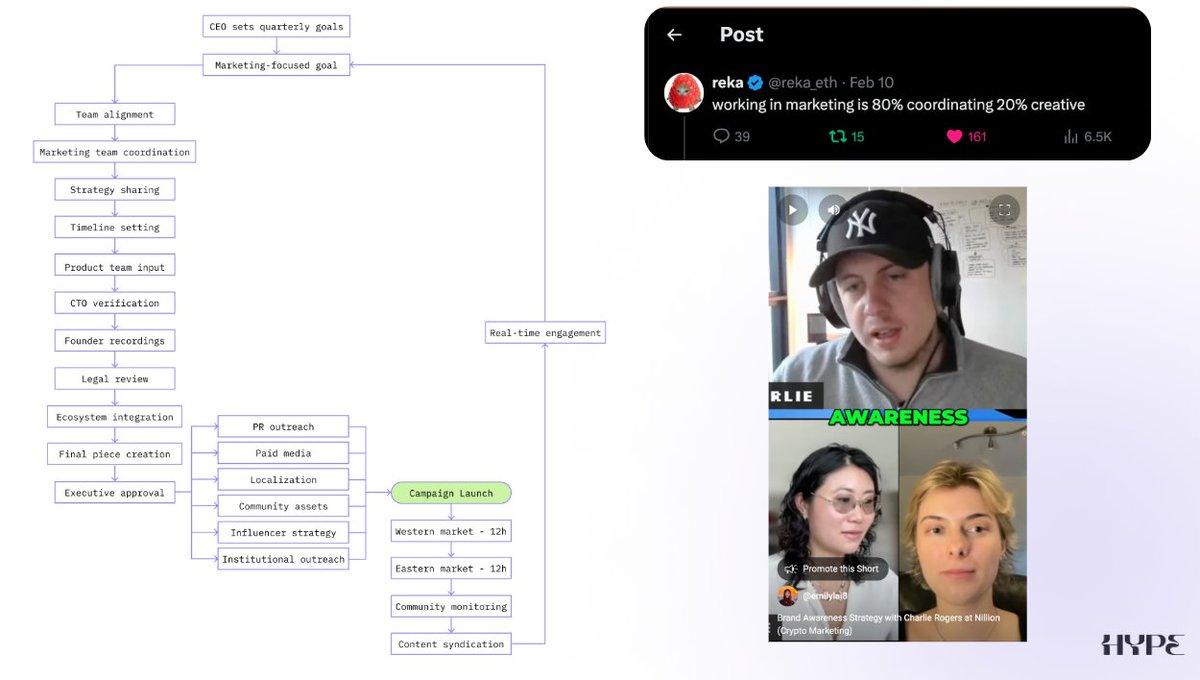
Coordination is key
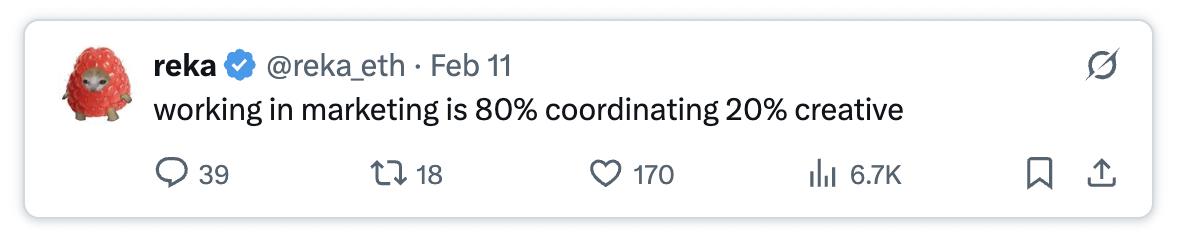
Tweet content: In marketing, 80% is coordination, 20% is creativity.
You have seven different audience segments from around the world, as well as team members from your internal business development, product, marketing, creative, and legal departments. All of these need to be coordinated.
In the AMOS series hosted by @xkonjin, I co-participated in an episode where @jaambutties (Nillion's CMO) explained how he coordinates brand activities.
Coordination allows all stakeholders to get involved and support your marketing efforts, making them more impactful and breaking through the clutter to capture the scarce attention in this competitive space.
Do the mundane things
Ultimately, due to the early stage of technology and the relatively saturated market, we do need to do some mundane things, such as onboarding individual new users and personally educating them.
I love showing Pump.fun to my friends who have never been in the crypto space, but I have to give a shoutout to @a1lon9:
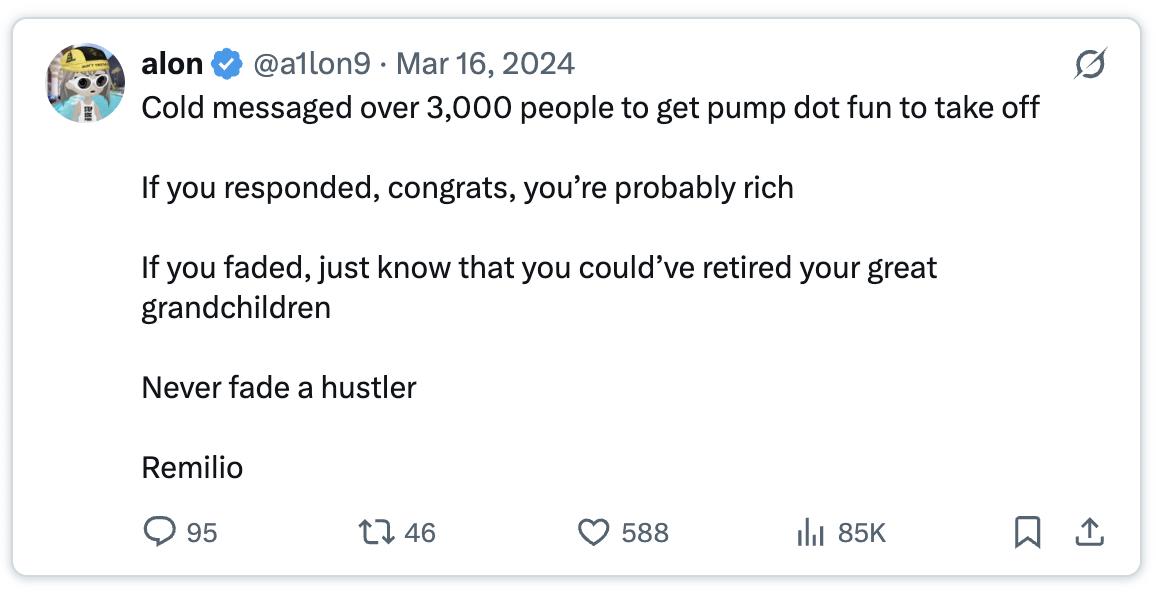
Tweet content: To get Pump.dot.fun off the ground, I've personally messaged over 3,000 people. If you replied, congratulations, you might be rich. If you didn't, know that your great-grandchildren could have been set for life. Never underestimate a determined hustler.
But is there a better way?
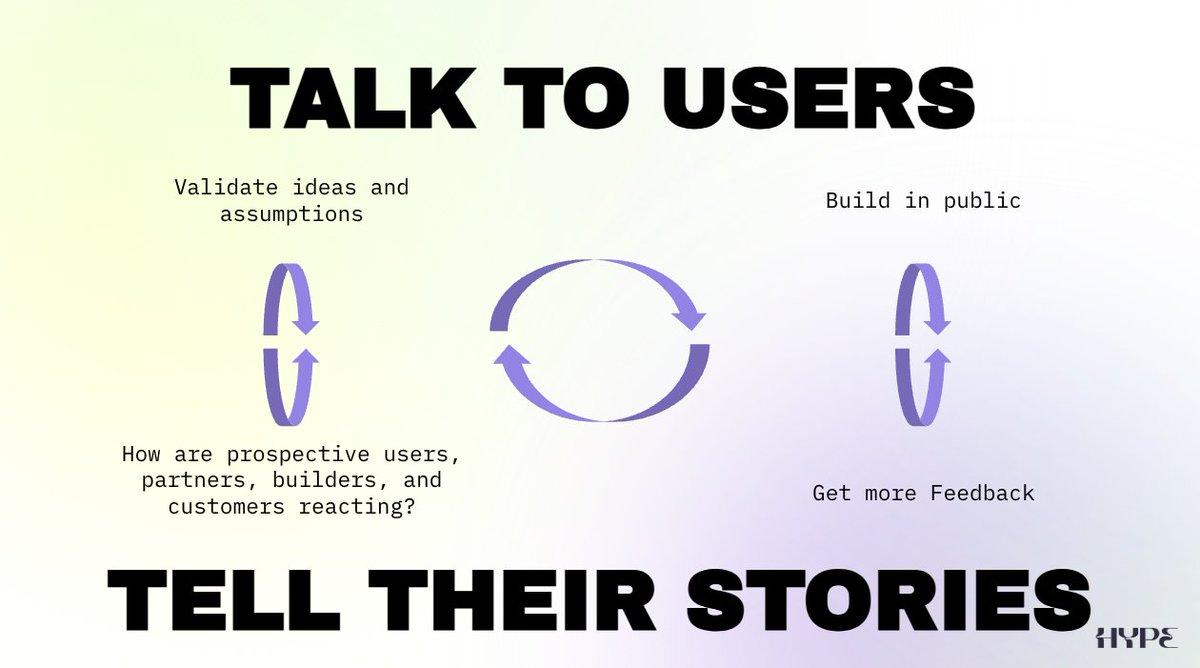
To break through the attention fragmentation, you need to maintain consistency in your messaging and content to maintain relevance. This is why you see founders responding to tweets, why you see them participating in online AMAs, and why you see teams recording videos at events.
Engage with users, developers, investors, and customers, and tell their stories. You'll also get reliable product feedback.
My friend @shayyydz posted about choosing her first crypto wallet, and at the time of writing, the post had 5,200 views, and she chose Rainbow.
Finally, if you are a founder or developer, this is the most important point:
Tell your own story
Let's go back to the earlier question: "Why are you still here?"
No one knows your motivations better than you. Tell us why you are building your project, and why it matters. These are the stories you need to tell when recruiting new team members, attracting investors, and building your community. Keep saying it, keep repeating it, try different content formats. Please, tell me, I really want to know.