On local time March 25, OpenAI announced major updates to GPT-4o and Sora, including a notable new feature - a brand new text-to-image generation model.
During the live stream, Altman personally demonstrated GPT-4o's new native image generation capability, which can be said to be quite impressive.
Simply put, the image generator is based on the previous GPT-4o model, capable of simultaneously understanding images and text, and can perfectly follow prompt instructions to ultimately create results that are very aligned with the user's intent.
Initially, various experts were using the model to generate realistic photos that were so true-to-life they seemed almost real.
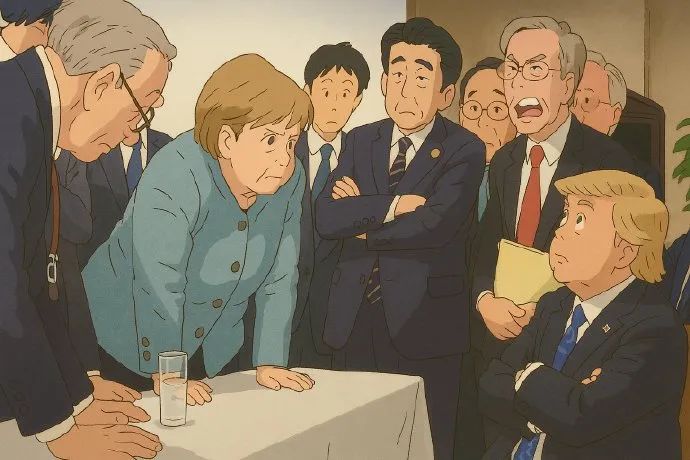
However, as people began using the model to generate comics, things started to develop in a strange direction - netizens began frantically recreating "world-famous paintings" in the "Ghibli style" (the familiar Miyazaki animation style).
At first, netizens used GPT-4o to redraw celebrities like Elon Musk and Trump, and after OpenAI CEO Sam Altman created his new avatar in a similar style, users began uploading various images to ChatGPT and requesting the chatbot to recreate them in the new style.
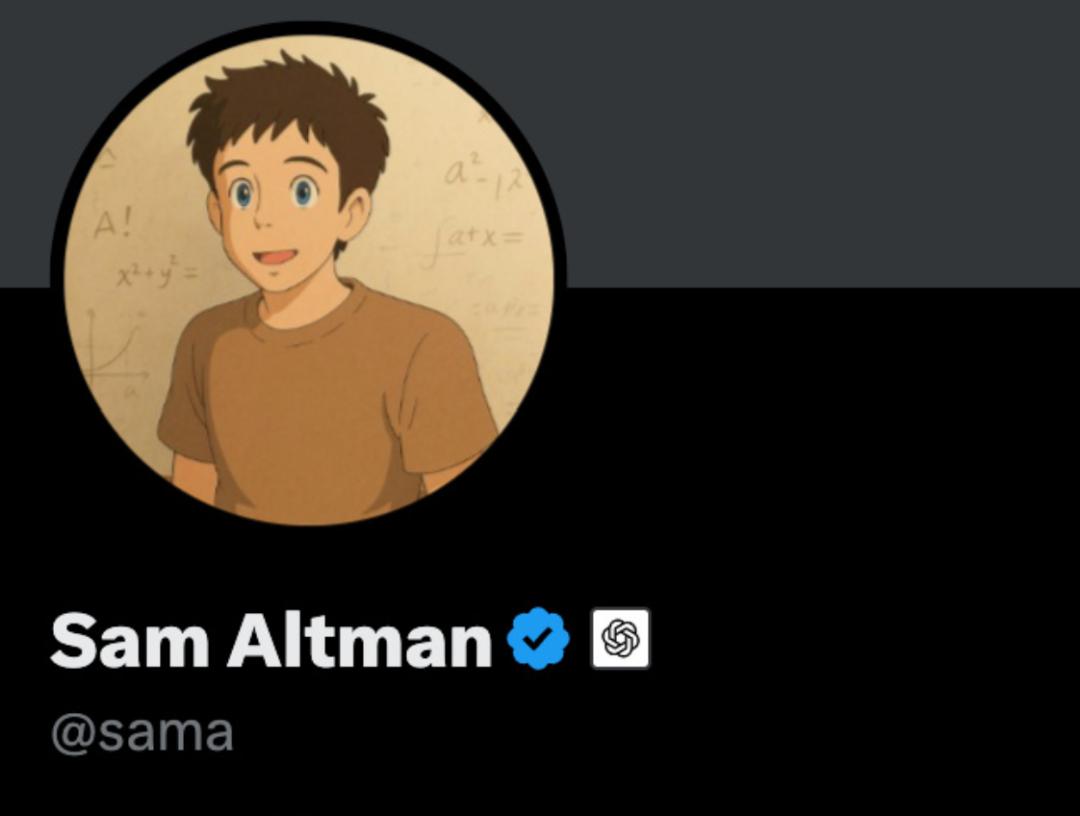
It's worth mentioning that this time OpenAI finally "opened up", with even free users able to use it, which sparked this crazy "viral spread".
In terms of style, the Japanese Ghibli studio's animations are based on gouache, incorporating watercolor blending effects that create rich and dreamy colors. Additionally, the studio's works generally use "high-end gray" as a base, reducing visual aggression while maintaining color vibrancy and naturalness through high saturation, making them visually comfortable with clear shadow details.
In other words, the Ghibli style not only has the beauty of animation but also retains details - something many painting masters find difficult to capture, let alone previous painting AIs.
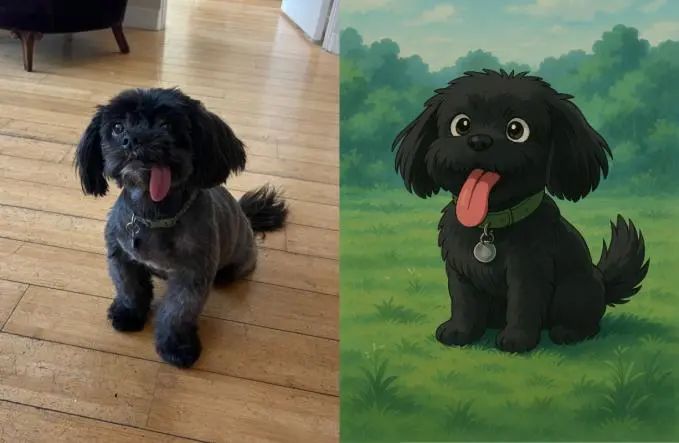
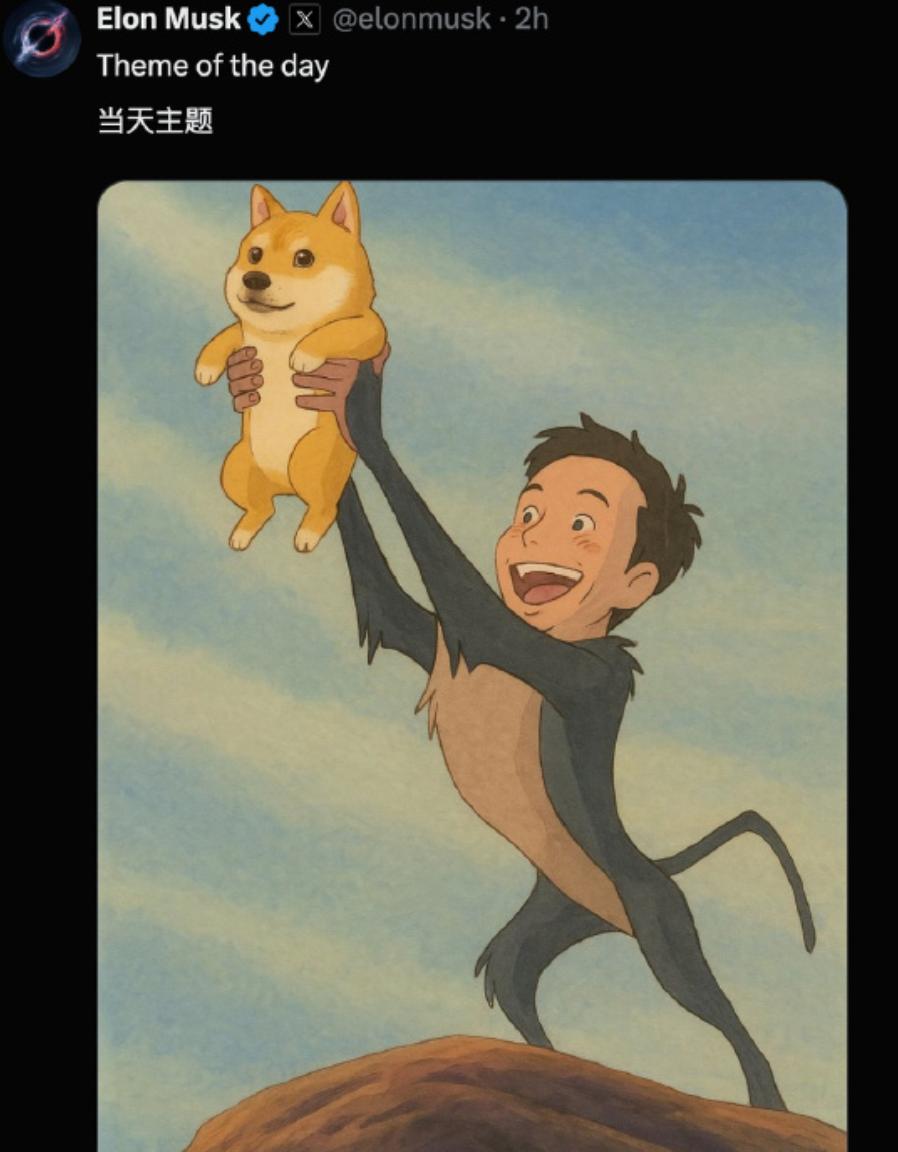
Professional media compared several popular AI image generators, including Google's Gemini, xAI's Grok, and Playground.ai's image generator, to test whether they could match the Ghibli studio style. The final result found that only OpenAI's new image generator could accurately replicate this style.
However, behind the users' crazy creation and spread, many also mentioned the copyright issues brought by AI - if these companies are training using copyrighted works, are they violating copyright law?
In an interview with a media outlet, Evan Brown, an intellectual property lawyer at the law firm Neal & McDevitt, stated that products like GPT-4o's native image generator are currently in a legal gray area. He noted that style is not clearly protected by copyright, which means OpenAI seemingly does not violate the law by generating images that look like Ghibli studio films.
An OpenAI spokesperson stated in a statement that while ChatGPT refuses to replicate "individual living artists' styles", OpenAI allows it to replicate "broader studio styles".
It's worth noting that the Ghibli style itself is obviously characterized by Miyazaki's drawing style, which corresponds to the first half of the spokesperson's statement.
Therefore, for users, creating with tools is not wrong in itself - what truly needs attention are the developers of these generative AI models.
This article is from the WeChat public account "Meikers Network", author: Meikers Network, published with authorization by 36kr.