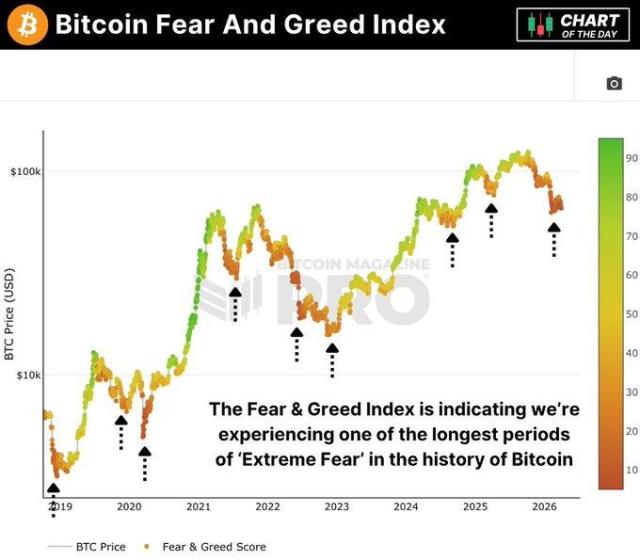
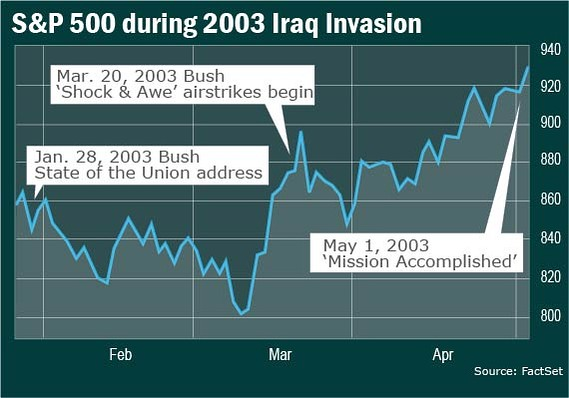
The rate at which new tokens are issued has slowed down, but I believe it will accelerate soon because
- The market is slowly recovering.
- Many projects can no longer be delayed.
These projects will serve as a testbed and pave the way for other projects. In this post, I want to highlight some of the protocols that frequently appear in my X feed. However, it seems that not everyone is familiar with their role.
I wrote a similar blog post about the 7 Big Projects a year ago and plan to release these posts more frequently, so feel free to subscribe.
So if you’re one of those people on X waiting for the hyped up project to launch a token and airdrop (but don’t really understand what they do), this post is for you.
Initia – Multichain Eden
Initia is the first sale conducted by Cobie’s Echonomist Group on its Echo fundraising platform.
Cobie’s team has only raised three ad hoc rounds, which could make the situation bullish. The mainnet and airdrop should be live soon (although it seems to be delayed until April).
If there’s one word you should know about Initia, it’s “interweaving.” "Interwoven."

Initia is L1, which integrates L2 to build a modular network of application chains.
It sounds like Ethereum, but Initia solves the problem that ETH maxis don’t like about Ethereum.
Unlike Ethereum L2, which is executed in isolation, Initia fuses Layer 1 with Layer 2 to build an intertwined ecosystem. They called these L2s Minitias. Also similar to Avalanche subnet (recently renamed L1).
Unlike Ethereum but similar to Avalanche, OPinit Stack supports EVM, MoveVM, and WasmVM. So developers can use whatever language they feel is appropriate.
This could make ETH bulls salivate. Initia’s Enshrined liquidity allows staking of INIT tokens alone or approved INIT-X LP tokens (paired with INIT) to earn rewards in the Delegated Proof of Stake (DPoS) mechanism.
Fixed liquidity is a good manifestation of Ponzi token economics, which forces 50% or more of INIT to be used as a pairing token for all ecosystem tokens. These LP tokens must be whitelisted by governance.
Like Berachain, Initia also has a native dex: InitiaDEX on L1 built with the Move programming language. It is the liquidity hub of the Omnitia ecosystem, and from what I understand, even between L2s, most liquidity will flow through InitiaDEX (and through the mandatory INIA pool).
There are more features to Initia, like a native bridge (confusingly named Minitswap) and a vested interest program (aggregators get rewarded for building apps and new use cases for INIT), but the above 4 features stand out to me.
Initia truly takes what Ethereum natives demand of Ethereum and puts it into one product, making it an intertwined ecosystem.
Tokens and Financing
Tokenomics is not fully launched yet. Initia shared only four details about it:
- 50% of supply is used for VIP and Enshrined Liquidity
- No unlocking of staking rewards for insiders
- The community round discount is about 30%.
- 15% to investors.
We can look forward to airdrops, as Initia co-founder Zon said, "Vesting unlock is a gift. It prevents you from giving up too early and forces you to believe."
In September 2024, Zon also shared with Block Initia’s previous round of Series A financing, raising $14 million from companies such as Theory Ventures, Delphi Ventures, and Hack VC, with an FDV of $350 million.
The testnet is incentivized, so feel free to visit the official testnet website to earn testnet tokens and play a role in its ecosystem. All information can be found on the testnet page here.
As usual, I don’t have much expectations for testnet activity.
Overall, the ecosystem is well built. The key question remains: Will builders and users choose to participate?
Fogo——The fastest L1 blockchain
Fogo, another project that conducted a token sale within Cobie’s own Echo Group, raised $8 million at a $100 million valuation.
Fogo uses Firedancer, a highly optimized Solana validator client built by Jump Crypto, as the only execution client on the network.
It’s not even live on Solana yet. Solana will soon benefit from the Firedancer client, but not all validators will be able to switch to it right away. This means that the network speed is limited by the slowest node.
As Fogo co-founder Doug Colkitt puts it: “It’s like owning a Ferrari and driving it in New York City traffic.”
Under optimal conditions, they have theoretical speeds of up to 1 million transactions per second with a block time of 20 milliseconds, but Fogo’s live developer network reaches around 54,000 TPS. In comparison, Solana’s current theoretical limit is 65k TPS, but it’s currently hitting 4.3k.
The MegaETH testnet pushes 20k TPS with 10ms block time.
In contrast, the TradFi system can handle over 100,000 operations per second with sub-second latency.
The Fogo team believes that decentralized networks must match institutional-grade use cases such as high-frequency trading and instant payments.
It runs the Solana Virtual Machine (SVM), which means developers can easily migrate Solana applications, tools, and infrastructure to Fogo without making any changes. Expect a series of forks with new shiny tokens (Jupiter, Kamino, Pumpfun, etc.).
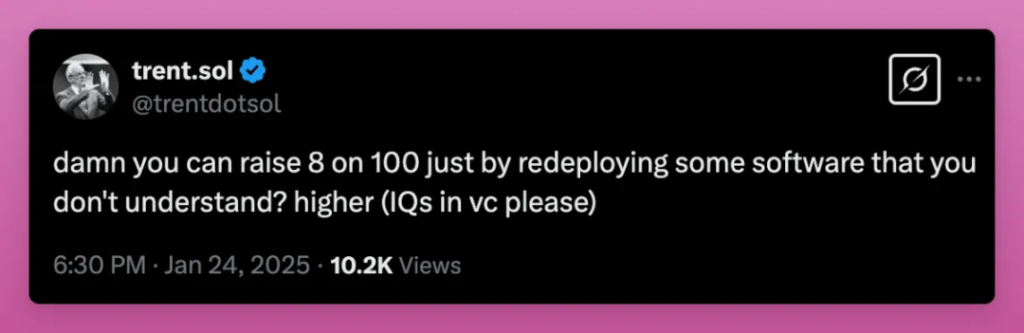
Apparently, not everyone in the Solana ecosystem is happy about this.
Notably, Fogo’s contributors include members of Douro Labs, the team behind the Pyth oracle network, which itself is closely associated with Jump Crypto.
Other notable features:
- Multi-Local Consensus (“Follow the Sun”): Fogo groups validators into geographic “regions” that work semi-independently. Control rotates regularly to the next area, preventing any single position from dominating. This means that during normal execution consensus can be reached more quickly because messages don’t always have to travel across the globe. You can read more here.
- It will initially have a select group of validators (20-50) at launch.
- Fee abstraction: Transaction fees can be paid in any token.
Tokens and Financing
Fogo raised about $5.5 million in a seed round led by Distributed Global, with participation from CMS Holdings. This is the top amount of the $8 million round raised by Echo Group.
Devnet will be live by the end of 2024, testnet will be launched soon, and mainnet will be launched in mid-2025. There is not much information available about the token or the airdrop at the moment.
Succinct — Software that Proves the World
“Crypto has failed in its mission. We were promised transparent, verifiable, trustless, globally coordinated systems. Instead, we got bridge hacks, multi-signature L2s with no fraud proofs, and a committee of 21 validators controlling billions of dollars.”
This is the main problem that Succinct is solving.
“ZK proofs are one of the most critical technologies for blockchain scaling, interoperability, and privacy, but are too complex for most developers today.”
It’s hard to get excited about ZK proofs right now, but Succinct caught my attention with its great marketing campaign and testnet/website dashboard as a MacOS interface.
You can play games and earn points.

anyway. The problems we are facing now are:
Each project has to build its own proof system (e.g. zkSync and Scroll use zero-knowledge for their extensions, but the infrastructure is fragmented.)
Many rely on centralized providers to generate proofs.
Not only is this costly, it also slows down innovation.
As a result, succinct ZKPs (a technique for cryptographically proving authenticity without revealing material) are difficult to implement due to fragmented infrastructure and high costs.
Succinct provides a shared proof generation marketplace instead of every project reinventing the wheel. Developers can focus on building applications (aggregators, bridges, oracles) while outsourcing proof building to the network.
Notable partners: Polygon, Celestia, Avail, Gnosis.
But the use cases are much more diverse, such as private voting systems or anonymous transactions. Or you can prove that you have money in your wallet without actually showing how much money is in it.
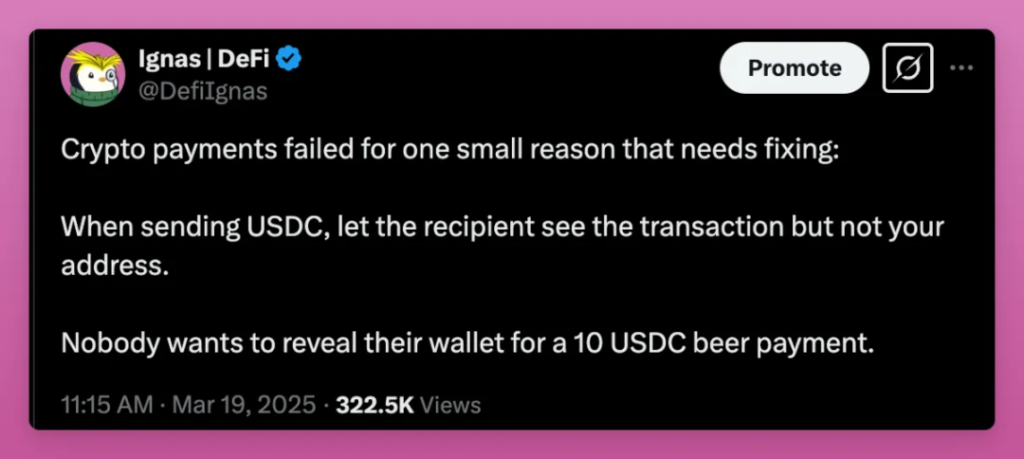
It’s a technical project, but one that could be the glue that decentralizes and protects the most vulnerable crypto projects.
Their testnet “Level 1: Confidence Crisis” was launched two months ago. You can earn stars by generating zero-knowledge proofs. You will need a $10 USDC deposit to cover the proof generation costs. But to get the invite code, you need to farm it on platforms like X, Discord, etc.
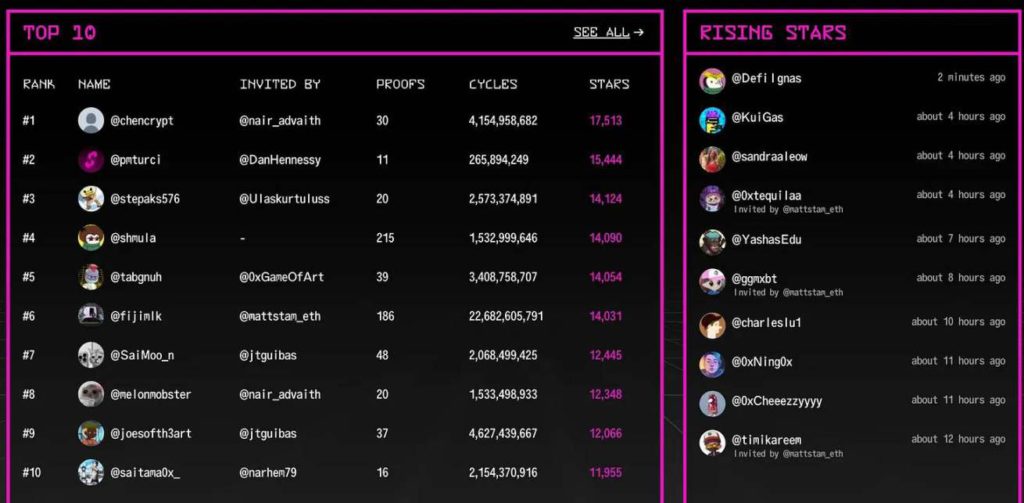
I think this will be a standard airdrop, but the details of the tokens are not yet public.
Succinct raised $55 million, led by Paradigm, with participation from Robot Ventures, Bankless Ventures, Geometry, and others.
When the mainnet, TGE is expected to come soon.
Resolv - A truly effective Delta Neutral Stablecoin
Many now believe that the next wave of Altcoin gains will be driven by increased institutional adoption, especially of stablecoins.
The problem is that the main beneficiaries of stablecoin adoption appear to be institutions and stablecoin issuers, while retail investors may only benefit a little.
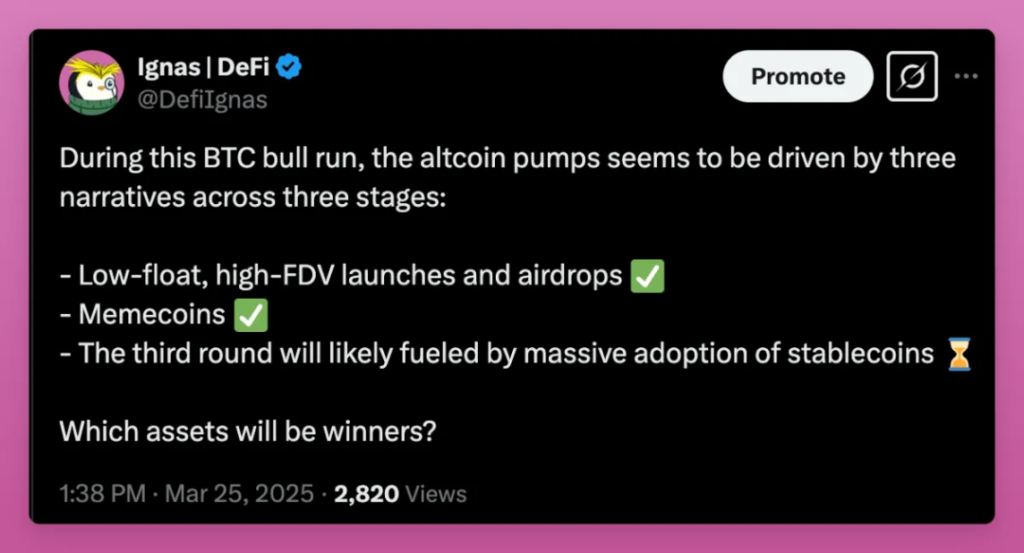
I’ve written a few thoughts on protocols that could benefit from stablecoin adoption, but I’d like to add one here — Resolv.
If you know how Ethena works, you already have a good basic understanding of Resolv.
The core concept of both is the same - using crypto collateral plus short-term perpetual hedging to build stablecoins. However, Resolv's architecture and approach are different:
First is the dual-token model vs. the single-token model: Ethena has a single-token model (USDe) where all risks and rewards flow to stablecoin holders and are managed behind the scenes by the protocol’s reserves.
Resolv uses a dual token model (USR + RLP) that explicitly isolates risk into separate tokens.
USR: Like USDe, USR hedges the ETH price by short futures, using a delta-neutral strategy to maintain its peg. You can stake USR to earn yield, converted to stUSR, similar to a savings account.
RLP acts as insurance for the USR, absorbing losses to keep the USR stable (for example when the funding rate is negative). RLP holders take on risk in exchange for higher returns. The value of RLP fluctuates with the performance of the protocol, acting as a buffer: it grows with profits and shrinks with losses.
This setting allows users with high risk tolerance to obtain more returns while protecting stablecoin users from market risks. As of this writing, USR’s APR is 4.3% and RLP’s is 6.7%.
Although not too high, airdrop point farming has earned Resolv a TVL of $636.9 million. not bad.
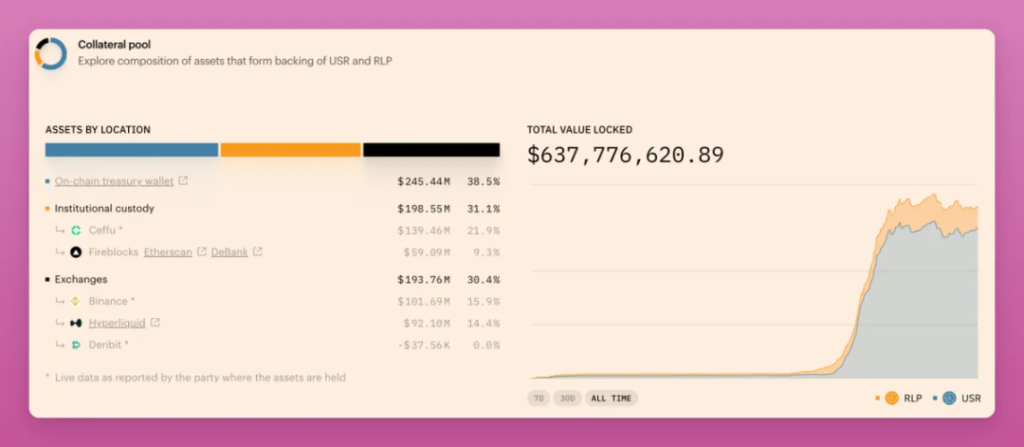
Secondly, Resolv's philosophy is to maintain 100% cryptocurrency support. All collateral is ETH (BTC support has just been announced), and RWA is not involved.
Initially, Ethena also only supported cryptocurrencies, but later launched a secondary stablecoin USDtb, 90% of which is backed by BlackRock’s tokenized money market fund (BUIDL).
For Resolv, USDtb is somewhat of an insurance token similar to USR, designed to stabilize USDe during bear markets by providing traditional asset yields when cryptocurrency yields fall.
So you could say Resolv is more “crypto-native” and decentralized in spirit, although Ethena’s strategy could gain additional stability by introducing centralized assets.
Tokens and Financing
Resolv has not officially announced the details of its funding, but backers include Delphi Labs, Daedalus and No Limit Holdings. They are preparing to launch community funding through Legion soon.
From September 2024, Resolv will start implementing a points program. You can still join by depositing stablecoins and earning points.
After making a deposit, you can maximize your points through Pendle pools or other strategies.
The token $RESOLV is expected to be launched in early 2025.
Snapchain — Probably the largest consumer L1
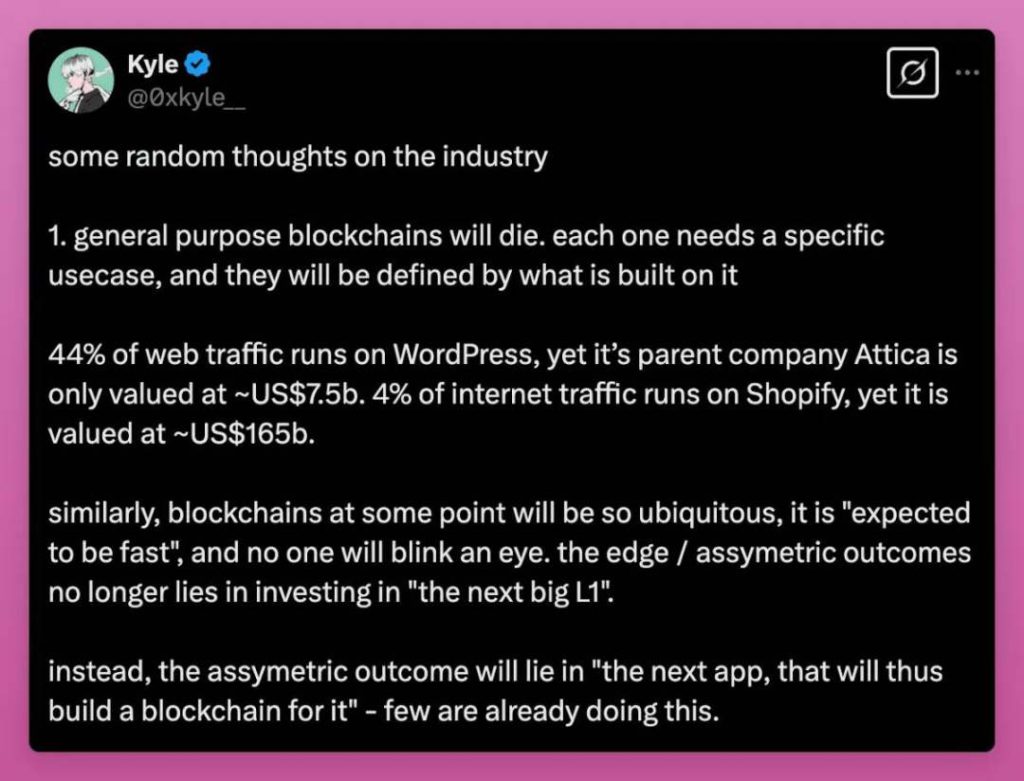
My biggest concern is will Fogo, Initia, and other chains that are launching be adopted? What killer apps have been launched on them? As Kyle said:
“General-purpose blockchains will die. Each blockchain will need a specific use case, and they will be defined by what is built on them.”
This is where L1 Snapchain built for the Farcaster social network comes in.
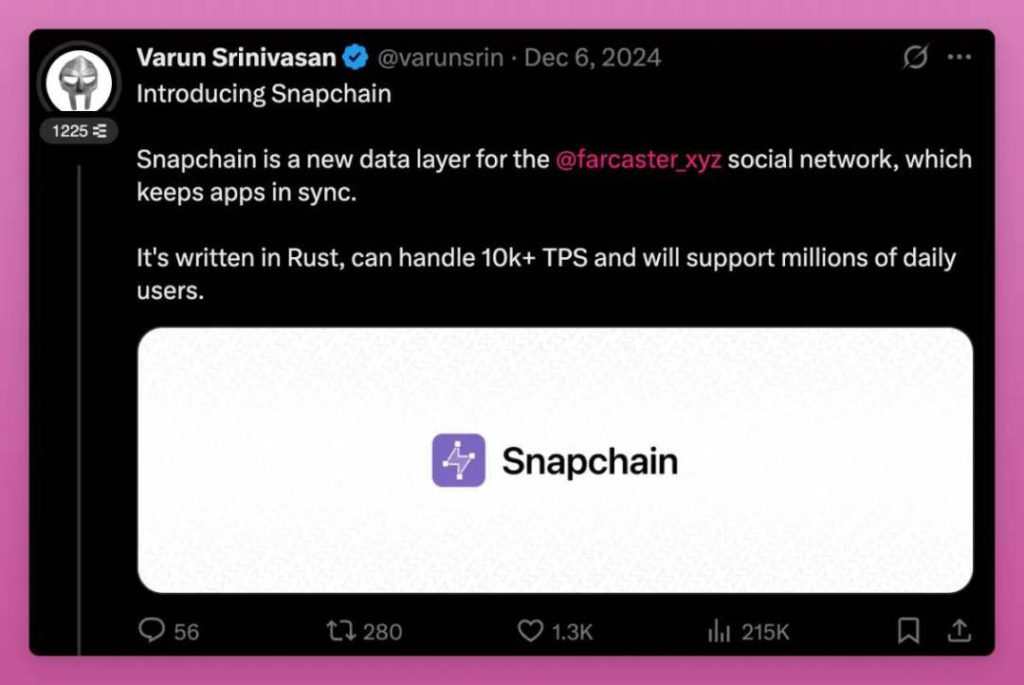
Snapchain is necessary because decentralized social networks have difficulty staying in sync and providing real-time updates as they scale. Lens will use zkSync technology, but Farcaster is developing its own technology.
“For example, if Twitter has 200 million daily users and processes 10,000 messages per second, the state’s data could grow by 1TB to 10TB per day.”
Farcaster's current system performs well at small scale, but breaks down as the number of users and nodes increases. Snapchain will fix this problem in a decentralized way.
At release, it should support 9k+ TPS, thus supporting 2 million users per day (currently DAU is around 50k).
I won’t go into too much technical detail, but there are two exciting parts:
First, delete the data (prune), haha. On the blockchain, most data needs to be stored permanently, but what if you release a meme and immediately regret it? It must go away! Gone forever.
Therefore, on Snapchain, once old material (posts, likes, following) is no longer needed, it can be deleted.
This is important because users pay a $2 or $3 per year fee to get 500 tx/hour and a storage limit of about 10,000 tx.
So if you delete old transactions, storage space will open up for new transactions (or you will pay more fees).
The second cool part is sharding. Remember, Ethereum considered sharding before moving to a layer 2 scaling suite.
Imagine putting all social media transactions (likes, posts, etc.) on-chain. Millions of transactions are processed every day. If every node has to store and process everything, it will lag behind. Every full node is required to process every transaction, even if it does not affect them. This is fine for money and smart contracts, but it doesn’t scale well for instant social interaction.
Snapchain solves this problem by making each user completely independent (when you register on Farcaster, you get an ID number, and if you have the lowest ID number, it's just bragging rights). Your post will not affect my account.
Therefore, Snapchain spreads users across multiple shards (which, by the way, was inspired by the Near model). Each shard handles only its consumers. This means more consumers = more shards = higher throughput.
To keep everything in sync, there is one final layer: the main chain that bundles the shards and publishes global blocks.
Ethereum cannot do this easily. Its transactions rely on shared state — smart contracts, tokens, balances. This makes account-level sharding difficult.
Snapchain works because the social act is simple. They only affect the sender.
There’s more to it, which you can read here, but I like Farcaster and Snapchain because it’s building the use case first and then adding blockchain to it.
It works well for Hyperliquid, and even with 50k DAU and 900k total users, Farcaster is still one of the top consumer apps.
Tokens and Financing
TLDR: Genesis block is live, mainnet is expected to be launched on April 15, 2025. So very quickly.
I believe that once Snapchain is live and Farcaster has its extension suite ready, Coinbase x Farcaster will start announcing integrations with the Coinbase Wallet.
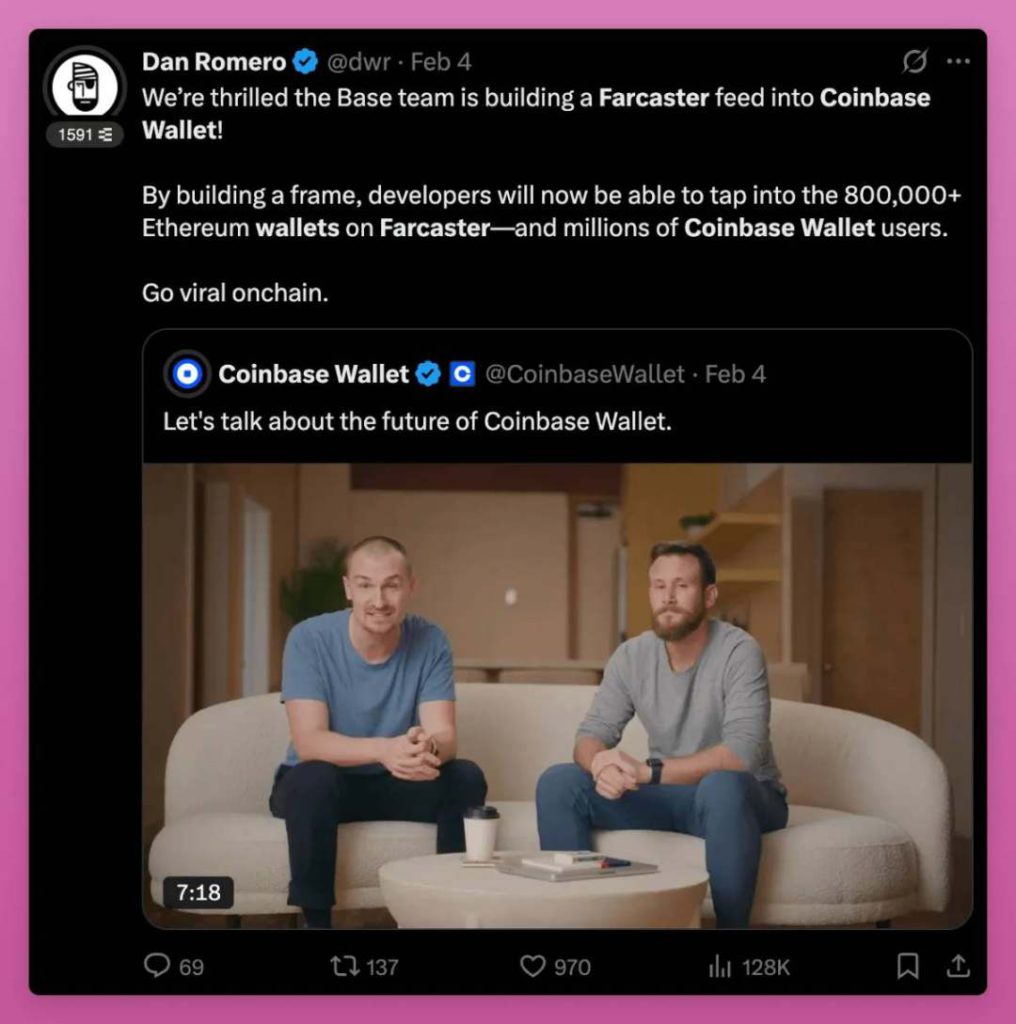
This is a really big deal. Is there social media information on the Coinbase wallet? I'm serious.
I’m not sure when the token will go live though, the team has been keeping mum on this, but some rumors and funding announcements could mean it’s coming soon. Snapchain itself is a technology component, not a separate entity raising funds. Snapchain’s development is funded by Merkle Manufactory, the company that built the Farcaster protocol.
Most notably, in May 2024, they announced a $150 million funding round led by Paradigm, with participation from other major investors such as a16z Crypto, Haun Ventures, USV, Variant, and Standard Crypto.
Bonus 2 projects for you: Eclipse and Atlas
I originally planned to write about the top 7 TGEs and protocols, but this post is too long. I always get carried away (often deleting 30% of the content before releasing it!)
Eclipse and Atlas are two other SVM (Solana VM) chains on Fogo.
Eclipse is an Ethereum L2, but it uses SVM instead of EVM and uses Celestia for DA. It’s already live, but the total locked value is only $57 million. As Kyle (tweet above) said, this shows how hard it is to differentiate from other general purpose chains.
SVM alone is not sufficient to distinguish other L2.
The token appears to be confirmed to be coded as ES:
- E - Ethereum
- S-Solana
Atlas is another L2 SVM based on Ethereum, but built specifically for on-chain order books, margin systems, and high-frequency trading. So it needs speed! The testnet is now online.
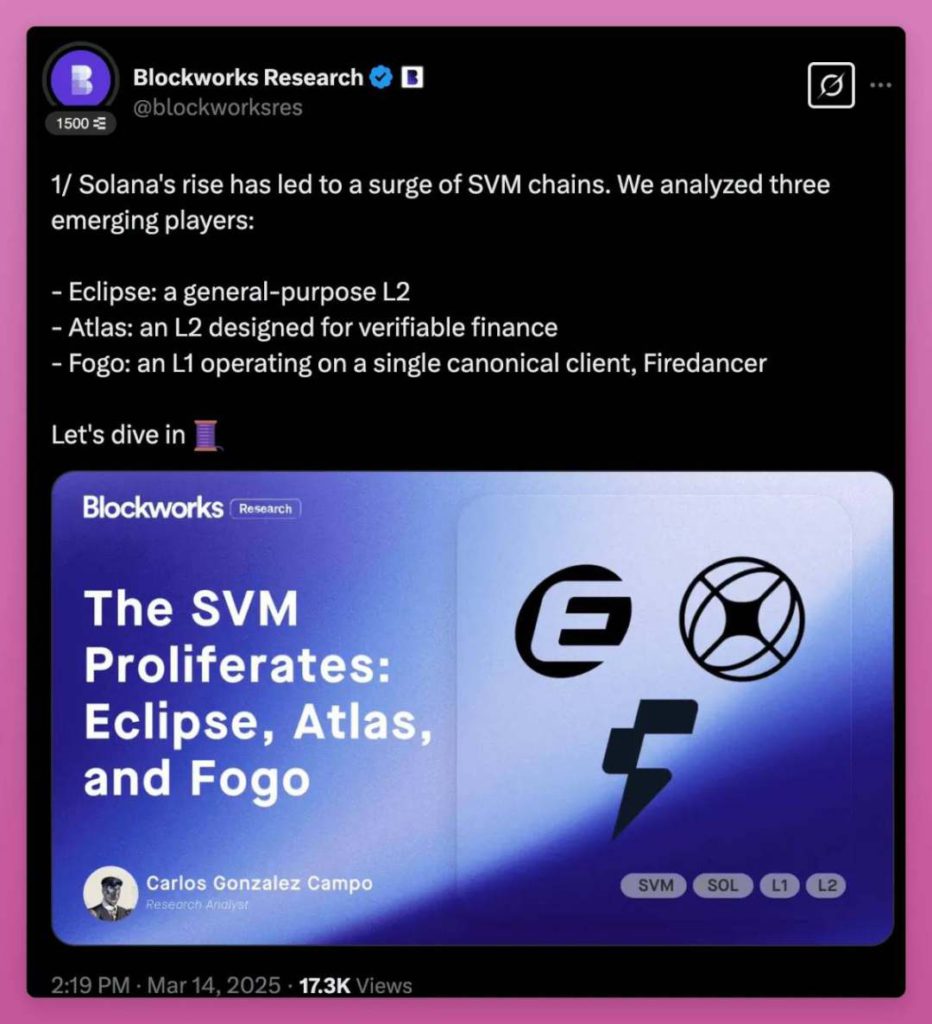
Since I know you want to get back to surfing on X, here's some more news on Eclipse and Atlas from Blockworks.