Gomining has introduced a competitive game tournament that combines real Bitcoin mining with clan-based competition.
According to the project statement, Miner Wars currently has over 245,000 active Bitcoin Miners and distributes 1 BTC in prizes daily.
Gamifying Bitcoin Mining
This new tournament is built on Gomining's global infrastructure, including nine data centers with a total capacity of 7.5 M TH/s. The game leverages established connections with top mining providers in the US without relying on third-party facilities.
The core of Miner Wars is using digital Miners—tradable Non-Fungible Tokens representing a portion of Gomining's industrial-scale hardware.
Purchasing a digital Miner allows users to commit terahashes to Gomining's pools and receive proportional rewards when the mining network creates a new Block.
These Non-Fungible Tokens are also the key to participating in Miner Wars rounds, which occur 120–150 times daily. Each round reflects Bitcoin's Block creation protocol. When a new Block appears on the blockchain, its Hash will determine the winning clan.
"Positioned at the intersection of digital mining and GameFi, Miner Wars has found a welcoming niche with a loyal and stable audience. It serves as a multi-platform gateway for new miners," Mark Zalan, CEO of Gomining, told BeInCrypto.
Clans committing more terahashes have higher chances of winning Bitcoin rewards for the day, while in-game purchases and enhancements add GOMINING token rewards and strategic diversity.
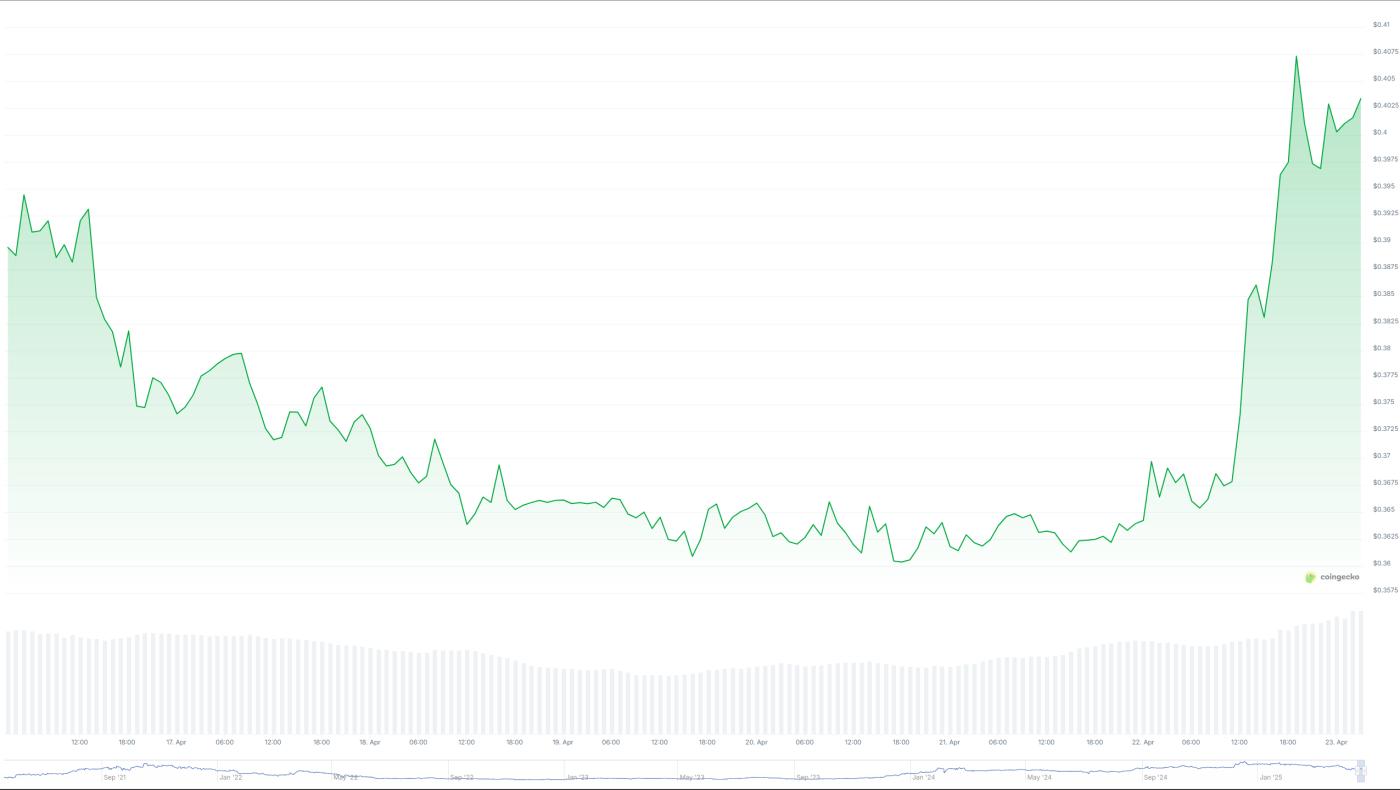
The GOMINING token was launched in 2022 under the name GMT but was later renamed in 2023. Following today's announcement about the new 'clan league' feature, GOMINING increased nearly 10%. Its daily trading volume also rose nearly 35%, according to CoinMarketCap.
Since its launch in September 2024, the game has attracted over 165,000 unique players and generated more than 58,000 USD from in-game purchases.
Can Gamification Make Mining More Accessible?
Cryptocurrency mining has always been challenging for non-specialists without technical skills. It has always been seen as a niche for a specific community.
However, turning Bitcoin mining into a game transforms passive activities into interactive experiences, enhancing participation and expanding engagement.
Gamification platforms can decentralize mining by attracting diverse participants and encouraging broader Hash power distribution. They also serve educational purposes, teaching newcomers about mining economics and network incentives through practical competition.
As Web3 gaming booms and attracts investor attention, gamification could democratize access to mining profits.