As the global AI competition enters a white-hot phase, NVIDIA CEO Jensen Huang recently made a heavyweight statement at a Washington technology conference, emphasizing that China is "not lagging behind" in artificial intelligence, and even praised Huawei as one of the most powerful technology companies globally. This statement not only breaks some Western preconceptions about China's AI capabilities but also highlights that semiconductors and AI chips have become the frontline of a new Cold War under US-China technological confrontation.
Table of Contents
ToggleUS and China AI Capabilities Are Close, Jensen Huang: This Is a Long-Term Race
At the conference, Huang pointed out that although China is currently "slightly behind the United States," the gap is very small. He stated directly: "We are very close. Don't forget, this is a long-term and endless race."
NVIDIA's Role Is Key, But US Policy Is the Biggest Challenge
In recent years, NVIDIA has become the core force in global AI technology development, with its chips providing computing power for most high-end AI applications. However, Huang also candidly admitted that US export policies have become a significant obstacle to the company's development.
Currently, the Biden administration is considering a new regulation that would restrict NVIDIA's high-end AI chip exports to multiple countries, including China. Previously, the Trump administration had already banned NVIDIA from exporting its H20 chip designed specifically for China without a license, a product originally developed to comply with earlier export restrictions. NVIDIA estimates that this ban will cause up to $5.5 billion in losses for the company.
(Trump Administration Considers Further Restricting NVIDIA H20 Chip Exports to China, NVIDIA: May Stimulate Chinese Chip Development)
Huawei's Self-Developed AI Chips Advance Rapidly, Jensen Huang Highly Praises: Very Impressive!
For Huawei, which has been placed on the US trade blacklist, Huang gave extremely high praise. He noted that Huawei has made "huge progress" in computing and network technologies, describing it as a "collector of key capabilities needed to advance AI development". Currently, Huawei is actively developing its own AI chips for the Chinese market, aiming to reduce dependence on US technology.
Jensen Huang Urges US Government: Focus on Industrial Competitiveness, Not Export Restrictions
Facing increasingly strict export restrictions, Huang once again urged the US government to focus on enhancing the competitiveness of domestic tech companies, rather than maintaining a lead by restricting other countries' access to technology. He said: "This is an industry we must compete in."
Investing in US Domestic Manufacturing, NVIDIA Plans to Invest $500 Billion to Build AI Infrastructure
US President Trump also referred to Huang as "my friend Jensen" that day and strongly supported NVIDIA's recent investment plan. The company plans to invest up to $500 billion in the United States over the next five years to build AI infrastructure.
Huang also expressed confidence in manufacturing AI devices within the United States. NVIDIA announced earlier this month that it will assemble AI servers with partner Foxconn near Houston, Texas. He emphasized: "With determination and national resources, I believe we can achieve local manufacturing."
Stock Price Correction Pressure Emerges, But Long-Term Outlook Remains Positive
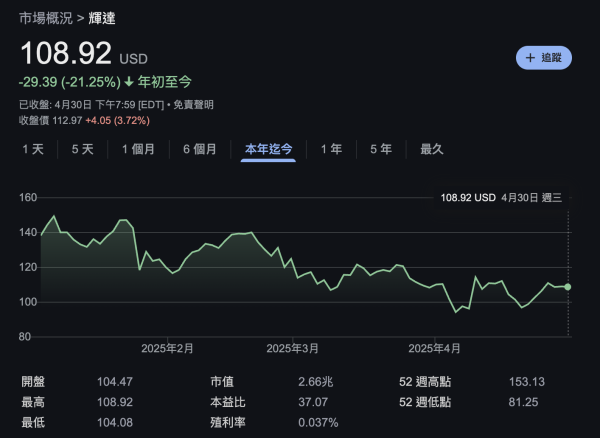
Although NVIDIA's stock price surged nearly threefold last year, it has dropped over 20% this year due to market corrections and policy shadows, including a nearly 3% drop on Wednesday. However, the industry generally believes that as AI technology continues to explode, NVIDIA's long-term value remains robust.
Risk Warning
Cryptocurrency investment carries high risks, and its price may fluctuate dramatically. You may lose all of your principal. Please carefully assess the risks.