Author: Liu Honglin
I took a walk in Hong Kong on the weekend and passed by the Admiralty Centre in Wan Chai. I visited several cryptocurrency OTC exchange shops. To be honest, this place is very well chosen. The location of the Admiralty Centre can be said to be the most political and economic nerve-intensive area in Hong Kong. The Legislative Council, the Government Headquarters, and Tamar Park are all nearby. A wall separates the two of them, and they are dressed in suits and solemn. Turning around and entering the mall, it is a different scene: various cryptocurrency exchange shops and hardware wallet sales counters are low-key scattered on each floor. The people coming and going are not typical faces in the financial circle, but more like a small underground financial market wandering between "formal" and "informal".
I took a walk in Hong Kong on the weekend and passed by the Admiralty Centre in Wan Chai. I visited several cryptocurrency OTC exchange shops. To be honest, this place is very well chosen. The location of the Admiralty Centre can be said to be the most political and economic nerve-intensive area in Hong Kong. The Legislative Council, the Government Headquarters, and Tamar Park are all nearby. A wall separates the two of them, and they are dressed in suits and solemn. Turning around and entering the mall, it is a different scene: various cryptocurrency exchange shops and hardware wallet sales counters are low-key scattered on each floor. The people coming and going are not typical faces in the financial circle, but more like a small underground financial market wandering between "formal" and "informal".
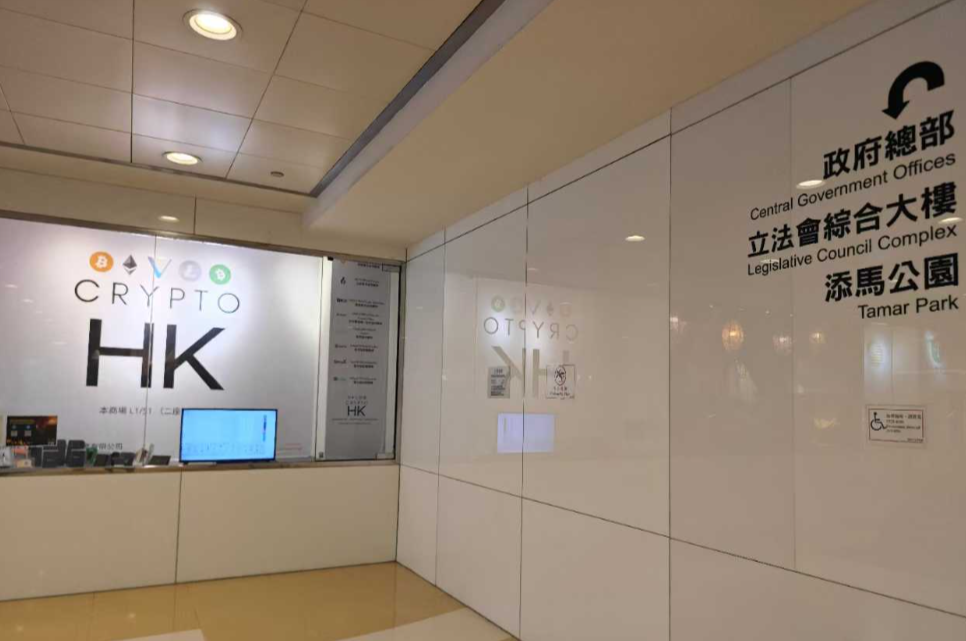
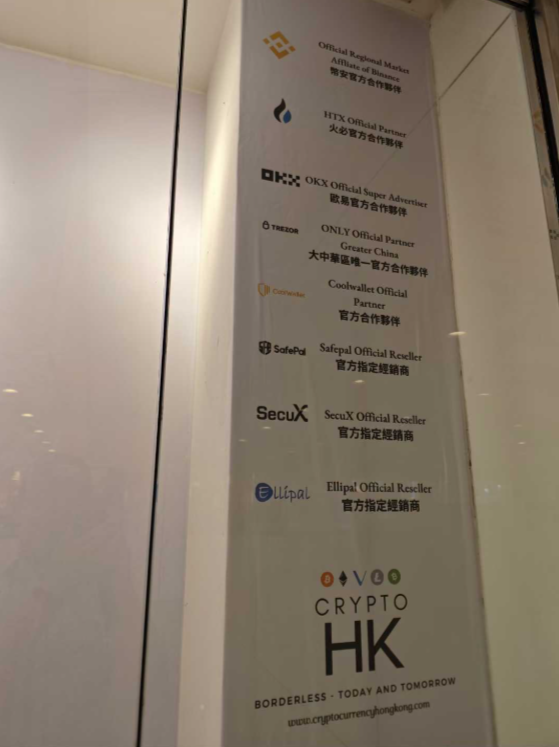
The first thing I saw was "Crypto HK". There was a big white wall with a huge "HK" in the middle and the shop number was L1/51, neat and tidy. There was a big screen at the door of the store, scrolling the buying and selling prices of mainstream currencies such as BTC, ETH, USDT, ADA, etc. It supports settlement in multiple currencies such as Hong Kong dollars, RMB, US dollars, Korean won, and Japanese yen. There was also a conversion table next to it, and even the exchange rate changes every 10 minutes were clearly marked.
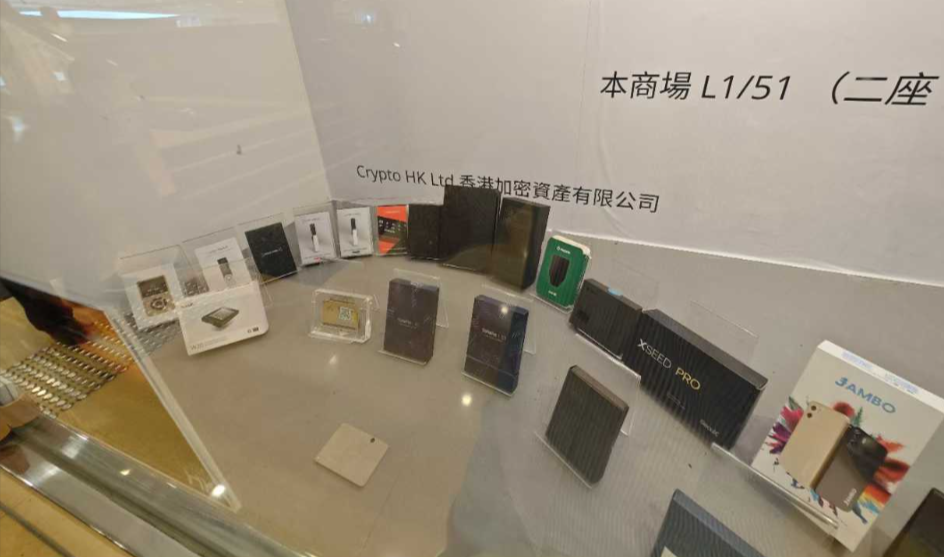
The display cabinets below the screen are full of products: Trezor, Ledger, CoolWallet, SafePal, Ellipal, SecuX... From cold wallets to seed phrase boxes, there is everything, and even many domestic brands are displayed in the most conspicuous position in the window. It can be seen that the idea of this store is "one-stop": you can buy coins and also get complete security equipment to store assets.
There is also a whole list of partners hanging on the wall, including HTX, OKX, and Binance, and the "official partner" certifications of major hardware wallet brands are also hung up. Although I know that these brands sometimes mean "friendly cooperation", for ordinary users, at least at first glance, it feels like walking into a semi-official service site.
There is also a whole list of partners hanging on the wall, including HTX, OKX, and Binance, and the "official partner" certifications of major hardware wallet brands are also hung up. Although I know that these brands sometimes mean "friendly cooperation", for ordinary users, at least at first glance, it feels like walking into a semi-official service site.
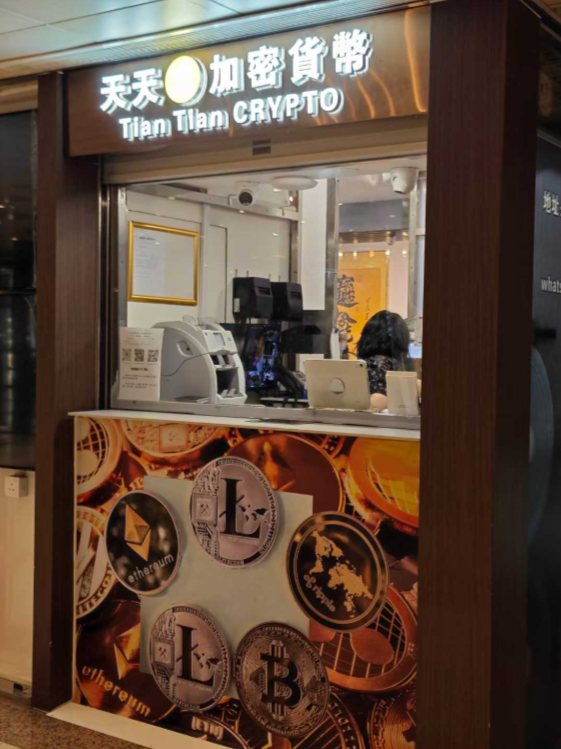
Take the escalator to the first floor, and at the corner is Tian Tian Crypto. In comparison, this store is more street-like and down-to-earth. In a small storefront, there are a money counter, payment code, and an iPad on the table. The decoration outside the front counter is directly decorated with huge logos of various cryptocurrencies, BTC, ETH, LTC, and XRP are lined up, for fear that you don’t know that you can exchange coins here. There are not too many rhetoric, nor the kind of deliberately packaged sense of distance in the financial industry. The clerk sits behind the counter, staring down at the computer, occasionally looking up to greet new customers, and the atmosphere is naturally loose.
Walking further in, I came across "ONE GO Crypto Exchange". The overall decoration of the store is more stylish than the previous two stores, with white walls and a golden logo, "One Go", and the intention is obvious: get it done in one go. A huge Tether (USDT) logo is painted on one wall at the entrance, and there is a Q version of a black cat cartoon doll next to it, which seems to be waving to a younger customer base.
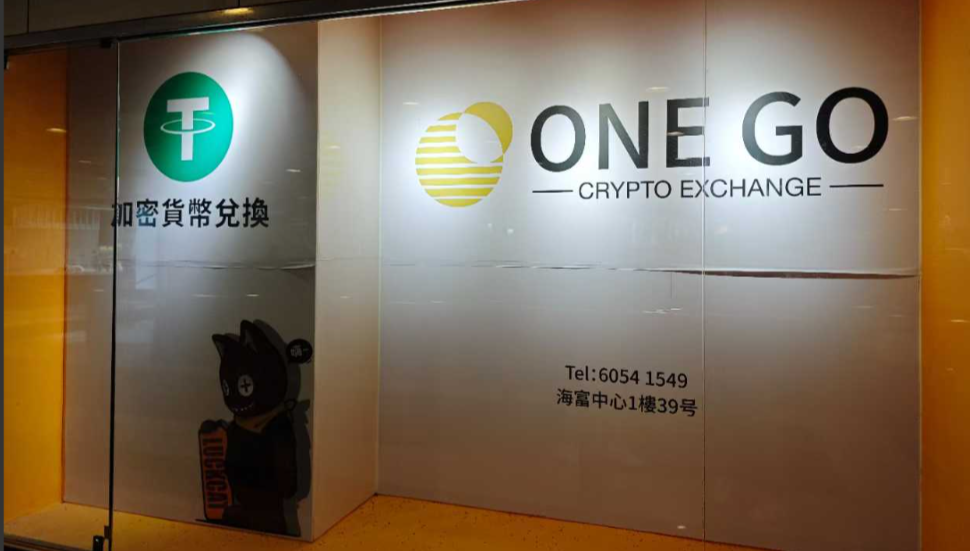
This store mainly offers USDT exchange, and both HKD and RMB cash can be exchanged, and the handling fee is clearly stated. In the cryptocurrency market with huge fluctuations, this is a very reasonable price difference. But if you understand the OTC industry, you will know that the profit structure here is not as simple as the handling fee. The exchange rate difference, capital flow, and trading time window are all areas that can be manipulated.
This store mainly offers USDT exchange, and both HKD and RMB cash can be exchanged, and the handling fee is clearly stated. In the cryptocurrency market with huge fluctuations, this is a very reasonable price difference. But if you understand the OTC industry, you will know that the profit structure here is not as simple as the handling fee. The exchange rate difference, capital flow, and trading time window are all areas that can be manipulated.
I chatted with the owner of one of the shops for a while, and he said: "In the past, most of the people who came to exchange coins were speculators; now, many of them come here for life and business needs. For example, many tourists from the mainland are small business owners who come to exchange cash for USDT and do cross-border business; workers in the crypto use their virtual asset wages to exchange cash here."
Web3 is neither a castle in the air nor a utopia. It has penetrated into real life in a low-key but tenacious way.
Web3 is neither a castle in the air nor a utopia. It has penetrated into real life in a low-key but tenacious way.
Along the way, Lawyer Honglin had some general feelings:
First of all, USDT is the absolute core of the OTC market. Whether it is BTC, ETH, or other on-chain assets, 99% of OTC transactions rely on USDT for transit. Stablecoins are not only the "dollars" of crypto transactions, but also the real lubricant of the entire on-chain capital system. Many people may still be talking about the value storage narrative of Bitcoin, but here, stablecoins are the first choice for daily payments, cross-border capital flows, and asset storage.
Secondly, OTC shops have become industrial chains. Behind every small shop, there is actually an entire invisible supply chain: upstream currency suppliers (large households, miners, cross-border funders), middle matchmakers (OTC agents, individual brokers), payment and clearing links (various offshore accounts, third-party payment channels), hardware wallets, compliance services, etc. Although each shop appears to have only three or five clerks on the surface, the network behind it is extremely complex. The clerk told me that they have been doing business in Hong Kong for more than ten years, have more than a dozen stores, and have many agency partners helping them expand their business.
Third, compliance and gray areas coexist in Hong Kong. Although the Hong Kong government has introduced a licensing system for virtual asset trading platforms, there is currently no unified mandatory supervision for retail OTC stores. Most stores operate under the name of "cryptocurrency exchange" and "hardware wallet sales", circumventing the legal definition of "securities trading". This gray area, which is allowed to exist but not over-regulated, has given the industry vitality and also buried potential legal risks. Without the protection of a license, the cost of rights protection is extremely high for users in this process. If something goes wrong, it is difficult to complain, appeal, and hold accountable like in a regulated exchange. More often, you can only blame yourself for your bad luck, which is also an important reason why the Hong Kong Customs and the Securities and Futures Commission want to implement the OTC licensing system as soon as possible.
Fourth, KYC and AML standards vary. Some stores are very strict in anti-money laundering compliance. Both buyers and sellers must register with their real names. Some even require the source of funds, such as cash flow bills for the past month. However, most stores only need to scan a code to pay and fill in a wallet address to quickly complete the transaction. The clerk first recommends cash transactions. As for whether the cash you get can be deposited in the bank, you need to figure it out yourself. It can be seen that the clerk is also very clear that the legal risks of cryptocurrency OTC transactions are actually relatively high. Once illegal funds are involved in the transaction process, whether you do it intentionally or not, your account may be frozen or even investigated by the judicial authorities. This is not only a problem that is easy to encounter with bank cards in the mainland, but also in Hong Kong. In the past six months, Mankiw has received more and more consultations from clients whose Hong Kong bank cards have been frozen.
The future crypto asset market is not just about exchanges, NFTs, or public chain technology, but also about real business needs and capital flows in thousands of small corners like the Haifu Center.
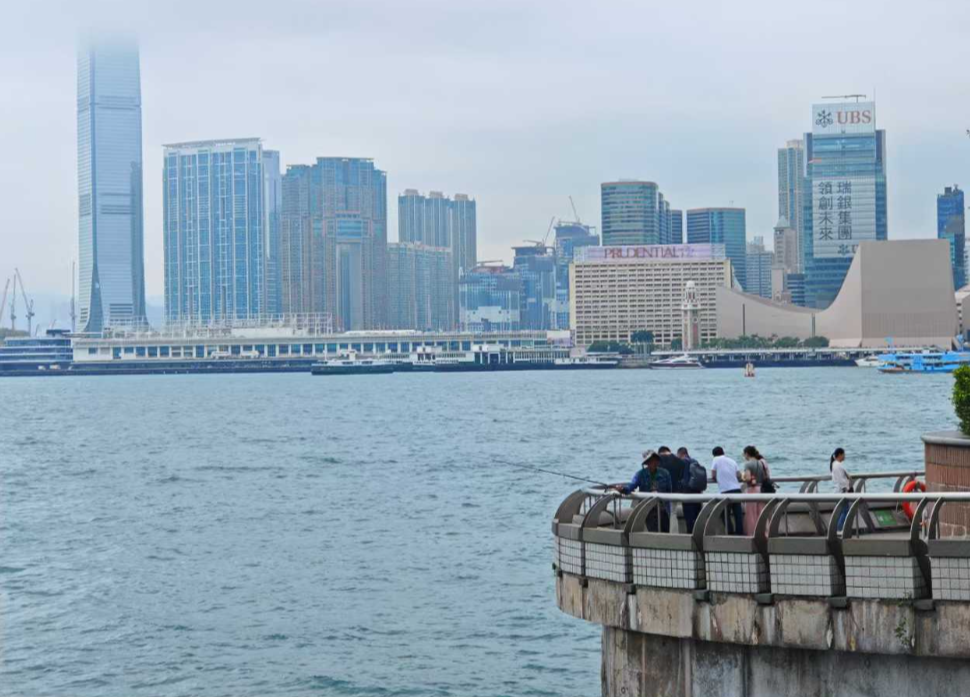
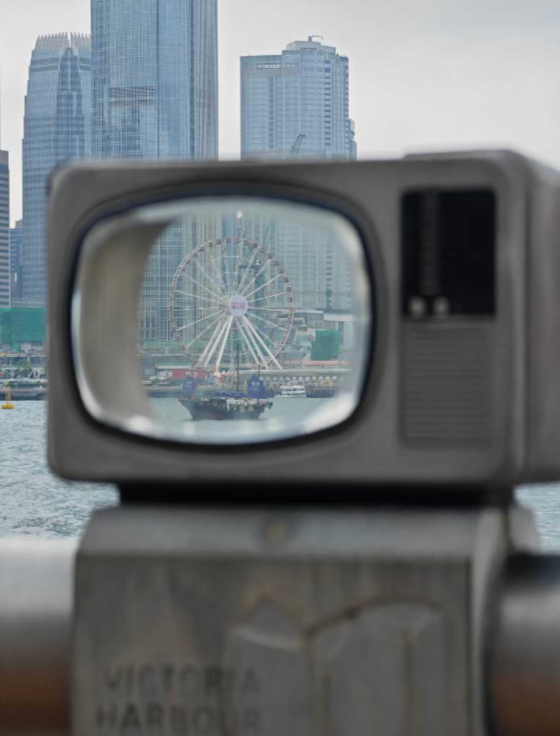
Coming out of the Admiralty Centre, in Tamar Park, people are still running, some are sunbathing on the grass, and some are fishing and feeding pigeons. The hustle and bustle of the financial world and the tranquility of city life coexist just across the street.