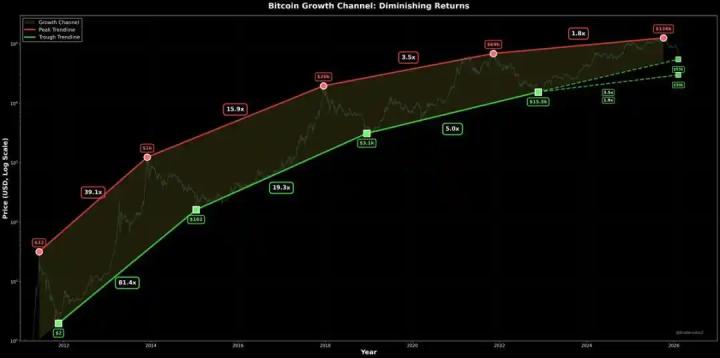
On May 27, Bitfinex Alpha released a report stating that after hitting a historical high in January, Bit experienced a 32% pullback, but subsequently rebounded strongly by over 50%, reaching a new high of $111,880, and is currently in a healthy consolidation phase. Strong ETF capital inflows, a surge in spot market participation, and positive "realized net capital" growth have driven structural buying in the market, rather than excessive speculation. Despite a decline in macro risk appetite, such as rumors of the US potentially imposing a 50% tariff on European imports, Bit has remained resilient—showing no significant decline during deleveraging and profit-taking.
This resilience is drawing market attention to Bit's evolution into a "macro-sensitive, belief-driven asset," with its trading behavior now more closely tied to global liquidity trends rather than retail sentiment. Notably, Japan's Metaplanet company increased its Bit holdings to $104 million, and Michigan proposed legislation favorable to crypto assets, further validating the growing institutional and policy-level support for digital assets.
Looking ahead, whether Bit can maintain consolidation above its short-term holder cost basis (around $95,000) will be crucial. In the past month, short-term holders have realized over $11.4 billion in profits, potentially creating some selling pressure in the short term, but structural demand remains. The strength of ETF buying, low volatility, and spot market premium signals indicate the market is maturing, and a clearer macro environment could lead to further increases. Currently, the next few weeks will determine whether this Bit breakthrough is a temporary top or the prelude to a stronger Q3 rally.