For many parents, facing a busy and noisy life, child-rearing is no longer a simple family task, but a continuous "high-pressure challenge". Parents often feel anxious and overwhelmed while shuttling between heavy work and daily life.
According to a study from Ohio State University, 57% of American parents suffer from parental burnout, with psychological, physical, and emotional exhaustion constantly haunting them. In this context, artificial intelligence is quietly entering families in an unexpected way, becoming a "co-parent" for many parents.
AI tools represented by ChatGPT can not only plan meals and optimize bedtime routines but also provide non-judgmental emotional support, reducing parents' psychological burden.
Recently, Lilian Schmidt, a 33-year-old brand strategist from Zurich, Switzerland, referred to ChatGPT as a "second mother", and her story resonated with over 21,000 parents on TikTok, sparking a wave of "AI-assisted parenting". However, this emerging technology is not without controversy: it is both a liberator and potentially a source of risks, from inaccurate advice to privacy concerns and potential impacts on interpersonal relationships.
According to the latest Axios report, ChatGPT receives 2.5 billion user inputs or requests daily, with users exploring how AI can integrate into their daily lives - from therapists to stylists to co-parenting partners. In fact, parents are more likely to experience high stress compared to other adults. The U.S. Surgeon General also stated in early 2025 that the stress of parenting has become a public health crisis.
01. Life Assistant: AI's Daily Magic
Schmidt's approach is not an isolated case, but an emerging trend: AI is quietly becoming a "co-parent" in modern families. She shared on TikTok how she trained ChatGPT to create nutritional meal plans for her 3-year-old daughter, organize birthday parties, plan family vacations, and even optimize bedtime routines, attracting thousands of followers to imitate her.
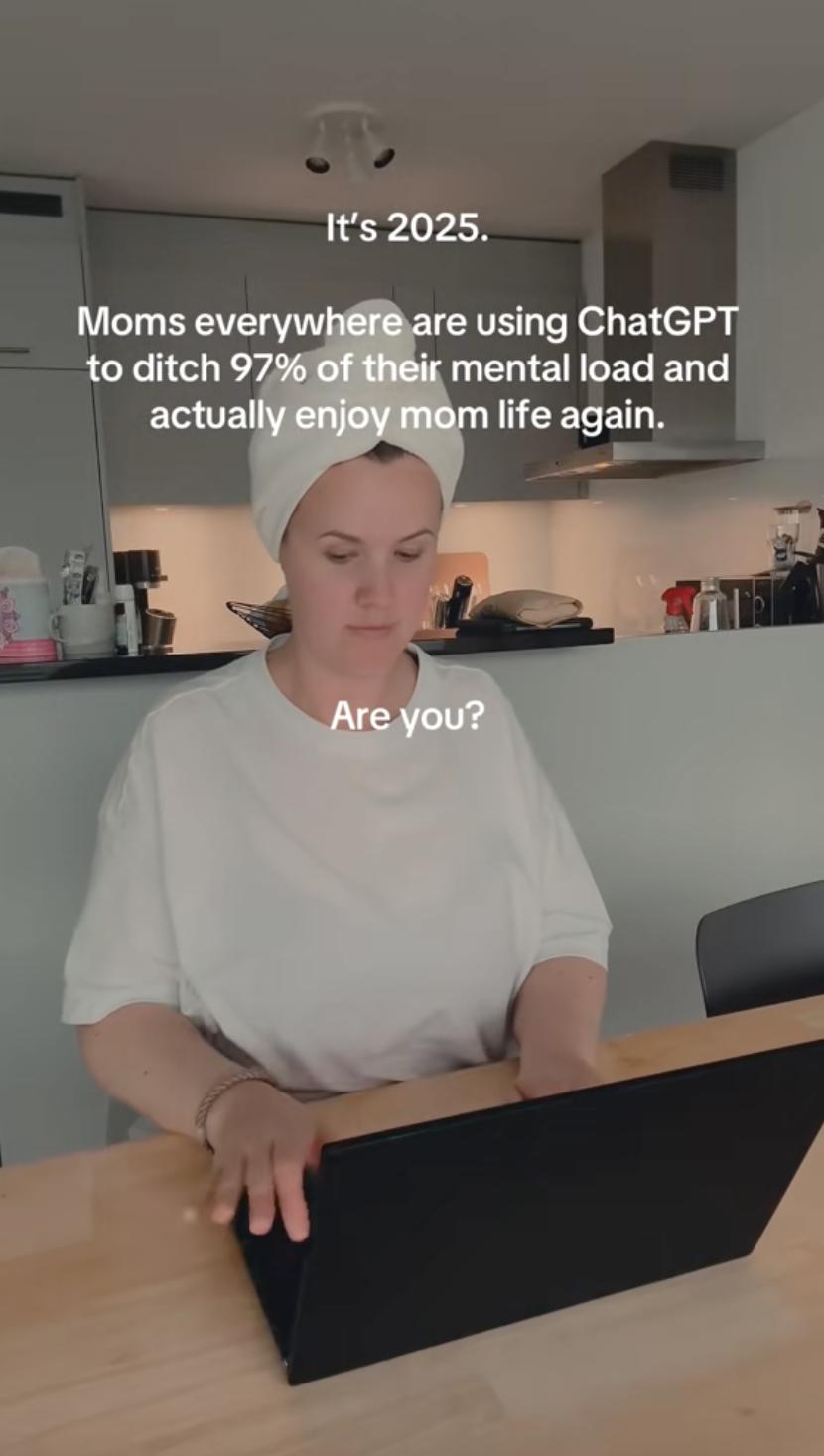
Lilian Schmidt's social media content example
Schmidt shaped ChatGPT into a multi-talented assistant: sometimes a child coach, sometimes a nutritionist. She recalled that bedtime in the past four years was always a battlefield of tears and struggles, until ChatGPT suggested letting her daughter jump on the bed to release excess energy. "Since then, no arguments, no tears, she falls asleep in 5 to 10 minutes," she said. This simple and effective strategy helped her regain nighttime tranquility.
Other parents have discovered similar liberations with AI's help. Alicia Robinson from Chicago views ChatGPT as an "never-resting parenting assistant", using it to write teacher emails, plan parties, and create bedtime stories. Olivia French from Texas relies on AI to plan summer camp lunches and family meals for her three children (13, 10, and 8), calling it an "indispensable tool".
Leah Anise, OpenAI's consumer communications lead, points out that AI tools can help parents simplify and establish some daily tasks, becoming a valuable assistant for parents.
02. Emotional Support: A Non-Judgmental Space for Venting
AI's role goes far beyond logistical management. In Schmidt's most vulnerable moments, when her daughter's tantrums frustrate her or the 5 PM busyness overwhelms her, ChatGPT becomes a non-judgmental confidant. "Sometimes when educating my child makes me feel irritated, I confide in ChatGPT. It understands me, thinks for me, and provides specific solutions," she says.
[The rest of the translation follows the same professional and accurate approach]
Over-reliance on AI may also trigger deeper psychological and social issues. Clinical psychologist Pierce pointed out that parents are already overwhelmed by conflicting information in child-rearing, and AI advice can sometimes exacerbate confusion or self-doubt, potentially leading to isolation from real-world support systems. Pierce warned: "Support systems in the real world cultivate creative problem-solving, empathy, and a sense of belonging, while AI might make parents feel less confident or disconnected from their intuition."
Privacy concerns are equally worrying. Leah Anise stated that OpenAI allows users to turn off chat logs or delete conversations to protect data, but parents still need to be cautious about sharing sensitive information, such as their children's health conditions or birthdays. However, the complexity of technology causes many parents to overlook these settings. A TikTok user commented: "I'm worried that all the parenting questions we input will be stored and potentially used to analyze our families in the future."
Such concerns are not unfounded, especially in an era of frequent data breaches and privacy scandals. For example, in March 2023, a ChatGPT data leak caused by a Redis open-source library vulnerability exposed payment information for approximately 1.2% of active ChatGPT Plus users, including names, email addresses, and the last four digits of credit cards, potentially affecting up to 1.2 million users. OpenAI CEO Sam Altman publicly expressed deep regret and quickly patched the vulnerability, but the incident still raised public doubts about privacy protection on AI platforms.
In February 2025, a hacker claimed on a Dark Web forum to have stolen login information for 20 million OpenAI users. Although OpenAI did not confirm a direct system breach, threat intelligence company Kela analyzed that these credentials might have been obtained through information-stealing malware. These events highlight the ongoing security challenges faced by AI platforms, with parenting questions potentially being exploited by criminals for phishing attacks or identity theft. The Italian data protection agency Garante consequently imposed a substantial fine on OpenAI and required a six-month public education campaign to improve data collection transparency.
Additionally, the environmental cost of AI has sparked controversy. Some TikTok commenters questioned whether the massive computational resources required to run large AI models might burden the environment for the next generation, and parents' reliance on AI rather than human partners has also triggered ethical discussions. One commenter asked: "Isn't it problematic that women are reducing stress through AI instead of partners?" This reflects the complex emotions society has about AI's potential impact on family roles.
To balance AI's benefits and risks, experts have proposed a series of safe usage guidelines. Parenting coach Claudia Hoetzel suggested: "When time or energy is insufficient, AI is a convenient way to obtain basic information, but it cannot replace experience, intuition, or professional support." She recommends viewing AI as a brainstorming partner and validating its output with pediatrician or parenting coach advice.
Jacobsen further advised that parents should filter AI suggestions through their understanding of their children to ensure decisions align with family realities. For example, Schmidt adjusts menus based on her daughter's taste preferences when using AI meal recommendations, rather than accepting them wholesale. Pierce emphasized that AI information is based on generalized patterns and lacks personalized context, so parents should always be guided by their own intuition.
04. Future Outlook: The Potential and Challenges of AI Parenting
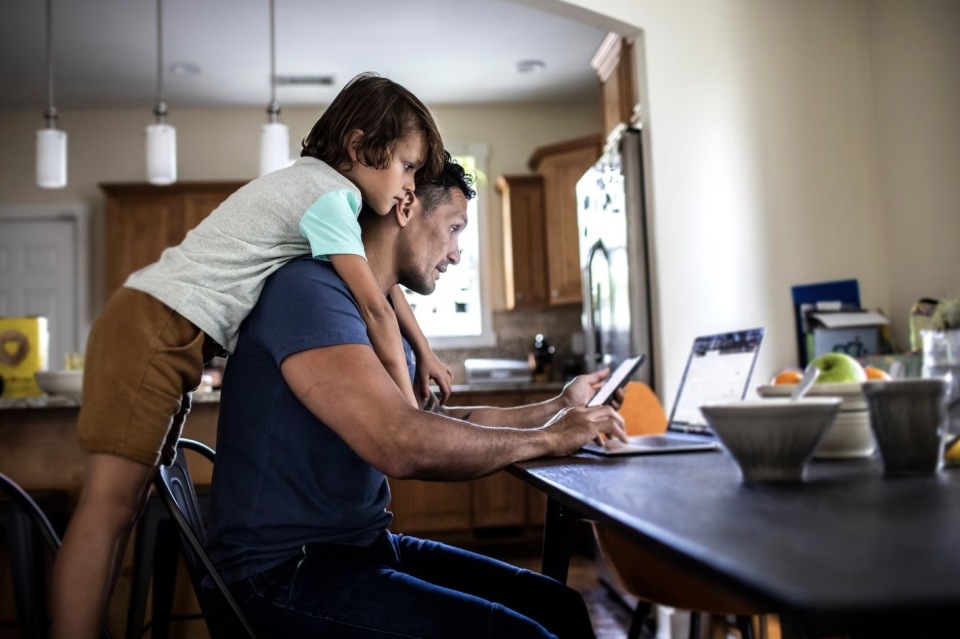
ChatGPT's growth has been remarkable, with weekly active users now around 700 million. As AI integrates more deeply into daily life, its role in parenting is expected to continue expanding. Parents are innovatively incorporating ChatGPT into family life, from assisting with breastfeeding to decorating birthday cakes.
However, Jacobsen warned: "Technology is developing so rapidly that we need science to catch up, understand its impacts, and establish appropriate safeguards." Parents like Schmidt believe in AI not as "outsourcing" parenting, but as creating space for companionship. As AI strategist Hannah Ryu said: "AI reduces psychological burden, giving you more time to truly be with your children."
In Schmidt's home, AI is more than a tool; it's a liberator. It transformed her 5 PM from a battlefield into a manageable moment, adding more composure to her parenting life. Her story, along with thousands of parents who follow her lead, demonstrates that AI is reshaping family dynamics—not replacing humans, but becoming a "second brain" for parents in an unprecedented way. But like any powerful tool, AI's power lies in how it's used: it can illuminate the path of parenting, but only truly shines when guided by parental intuition and wisdom.
This article is from "Tencent Technology", compiled by Wuji, edited by Helen, and published with authorization from 36Kr.