
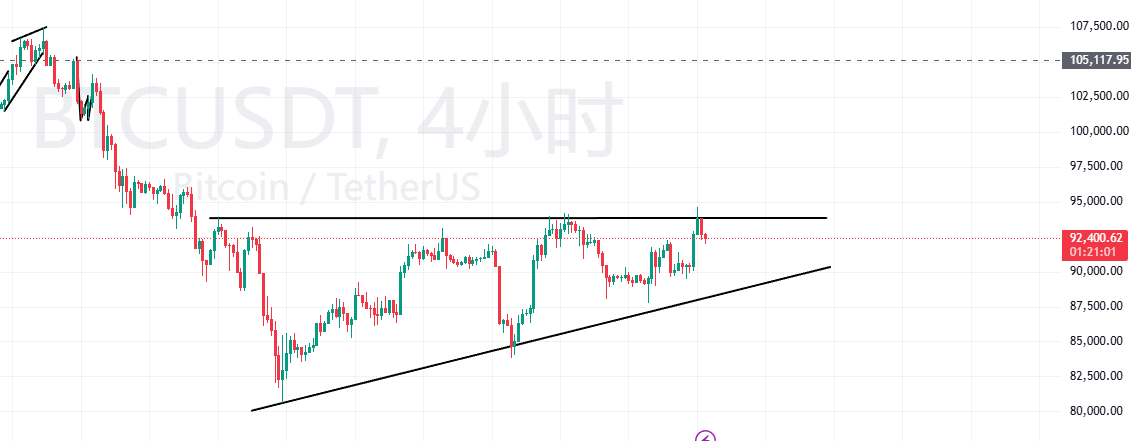
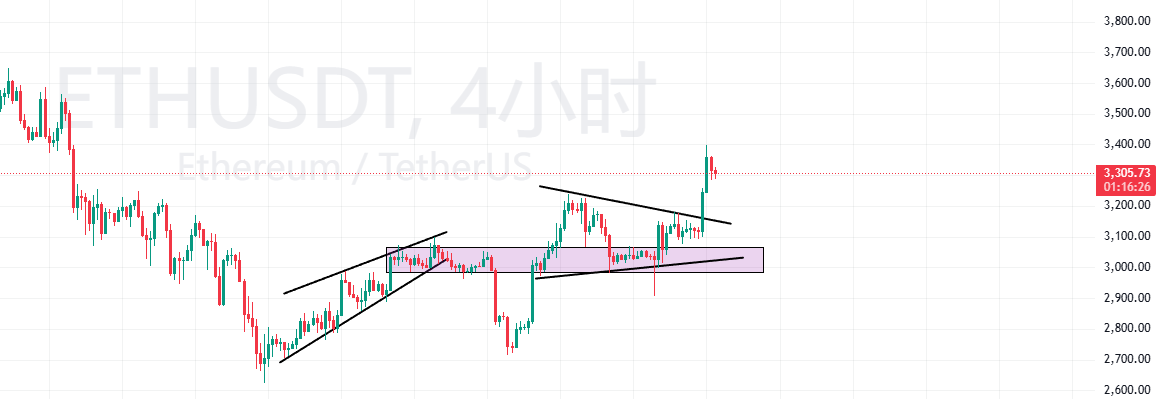
Let's take a look at the situation of some popular cryptocurrencies:
TRUMP: The official mobile game has just been launched, and the number of fan interactions on the X platform has exceeded 100,000. The stock price has increased by 15% in 24 hours, and the market value has exceeded $500 million.
PIPPIN: It has rebounded 20 times from the bottom, the long fee has soared to 1030%, and the 24-hour trading volume is $120 million. As a hot coin, it deserves close attention.
WET: Surges 100% immediately after listing on exchanges, reaching a market capitalization of $180 million. Backed by market makers, it has the potential to double in the short term.
FKH: It's a potential coin themed around the Year of the Horse, with a 25% increase in 24 hours. The community is calling it "the next WIF," and its low market capitalization makes it prone to explosive growth.
Now that the Federal Reserve has essentially decided to cut interest rates and will begin quantitative easing to inject money into the market, it's time to appropriately increase risk investment and capitalize on this decent daily and weekly rebound.
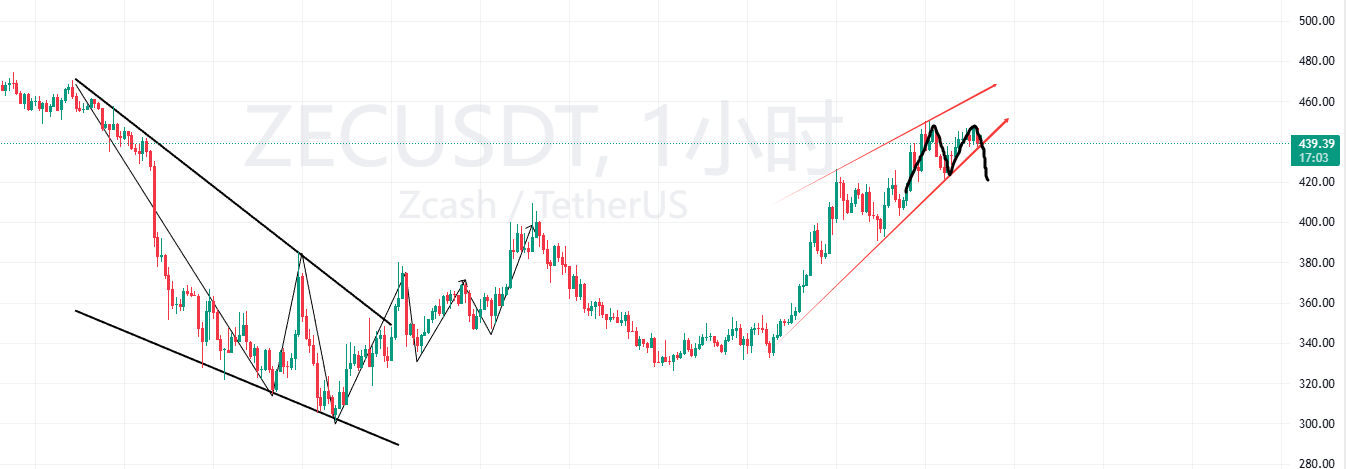
Follow-up: It's time to take profits on your ZEC long positions! The 1-hour chart looks off; there's a rising wedge, a double top, and a bearish divergence. A short-term pullback is highly likely, so don't give back your profits. We bought at 359, and it's now up to 440—we've made enough profit already. Don't be greedy and chase the last bit of gains; it's more reliable to secure your profits first!
DOYR is now listed on Binance's Alpha platform. From June to October this year, I kept an eye on Alpha for opportunities and made quite a bit of money there. This model is indeed clever—it allows secondary users to gradually become familiar with on-chain operations while also helping primary projects obtain funds from centralized exchanges. I even joined the project team to "brush" (perform) Alpha tasks.
However, after November, the market turned bearish, and there was little profit to be made from arbitrage. Furthermore, there were teams actively manipulating contracts, and projects like $PALU were listed one after another. My view on Alpha completely changed. Putting aside whether it's profitable or not, just looking at the project performance and listing time, I can't help but think of conspiracy theories and the possibility of insider manipulation. Based on comments from the forum, I've summarized two possibilities:
- Binance is relatively ethical. After some coins plummeted to zero, many people bought at high prices and lost money. Listing Alpha gives them an opportunity to sell, which is also known as "exiting the pump."
- In the conspiracy theory case, it's possible that Binance's Alpha team employees don't have the time or ability to make money through cryptocurrency trading, so they wait for these coins to go to zero, buy the dips at the bottom, and then list them on Alpha to drive up the price, which is essentially a disguised employee benefit.
Do you think there are other reasons why Binance waited for Meme Coin to go to zero before launching Alpha?
The market is constantly changing, and specific entry and exit points should be determined based on real-time conditions. Follow the trend after a breakout! No matter how confident you are, please strictly adhere to your stop-loss and take-profit strategies! That's all for today! Follow me so you don't get lost! QQ: 2178747366, QQ: 2499660658 ( Add me with a note, and I'll add you to our learning and discussion group).