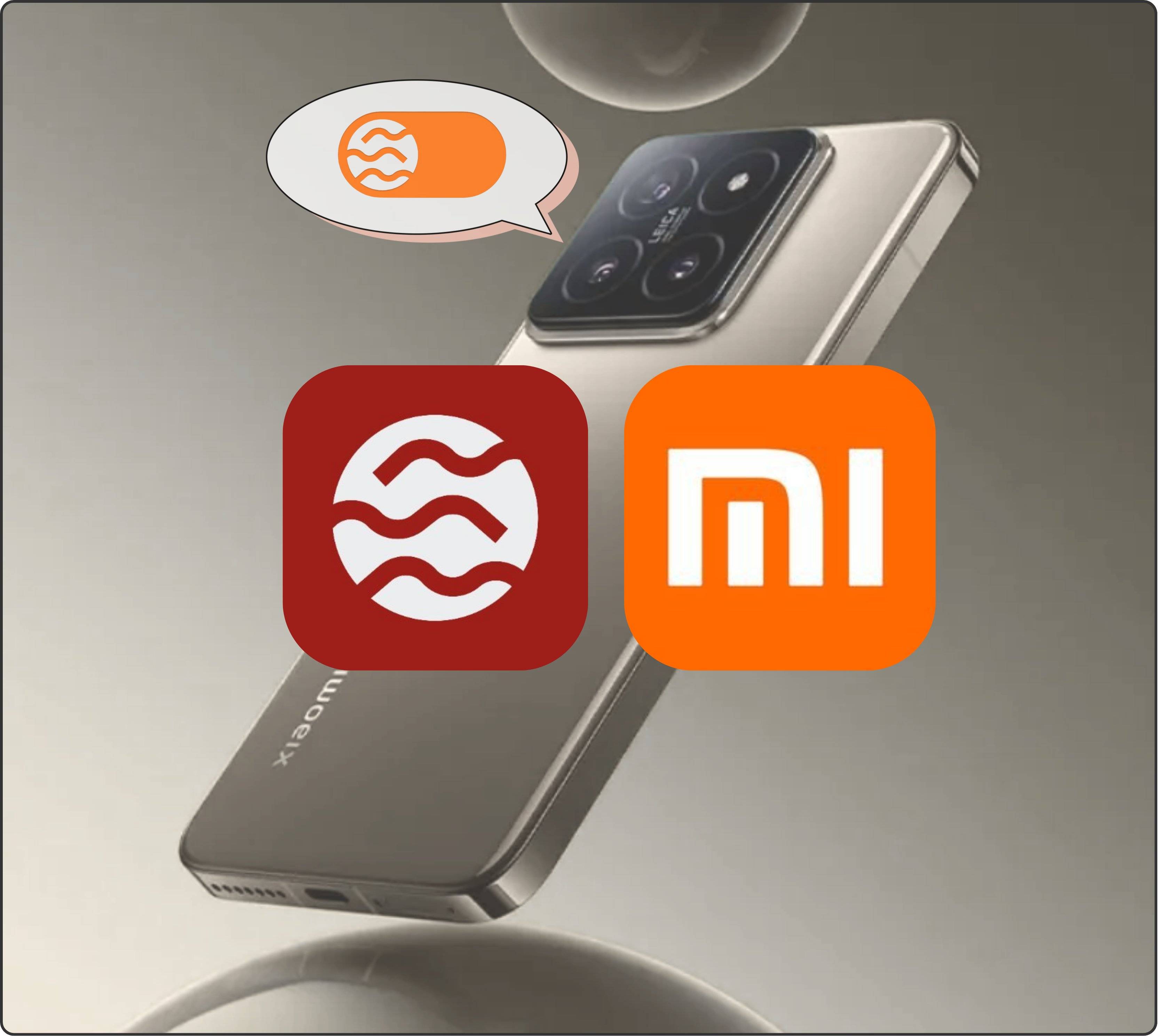
 Sei Wallet will be integrated with millions of Xiaomi phones. Image: Collected from X.com
The handshake between Sei and Xiaomi
Sei Development Foundation is taking a big step in its journey to popularize blockchain, with an agreement to integrate a crypto wallet directly into millions of Xiaomi Sei globally.
A new era of mobile finance is coming to Xiaomi's global user base.
— Sei (@SeiNetwork) December 10, 2025
A next-gen finance app powered by Sei and designed for stablecoin payments, will be integrated into the Xiaomi mobile ecosystem, coming pre-installed on new devices.
Money made instant — built into your phone. pic.twitter.com/75ly01AHB3
Starting in 2026, the crypto wallet and discovery portal app developed by Sei Labs will be pre-installed on all new Xiaomi phones sold in markets outside mainland China and the United States.
This application allows users to send and receive P2P payments, access dApps, and explore Web3 without installing additional apps. It integrates Google/Xiaomi ID login and MPC technology for private key security.
Unprecedented scale of distribution
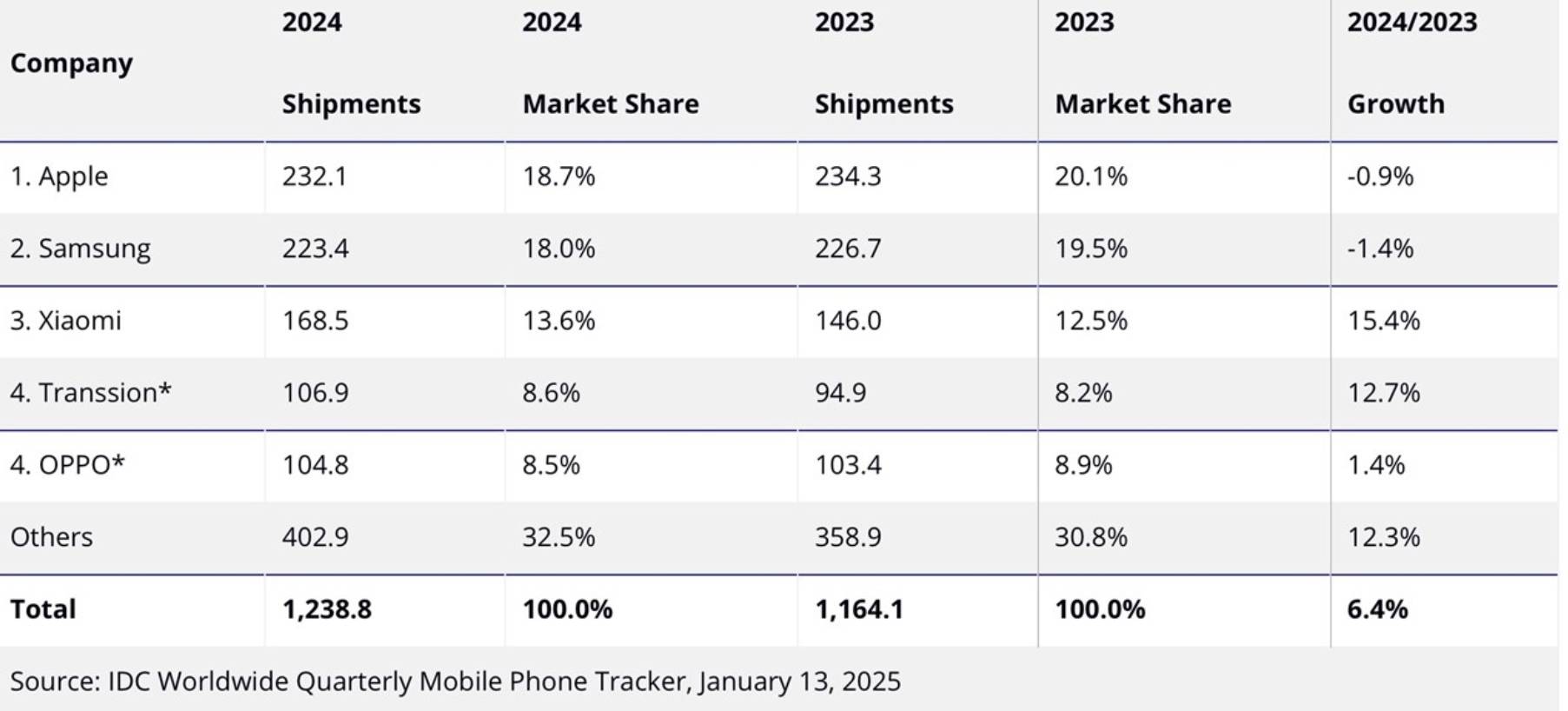
With over 13% of the global market share and approximately 680 million active devices, Xiaomi is currently the world's third-largest smartphone manufacturer, behind only Apple and Samsung.
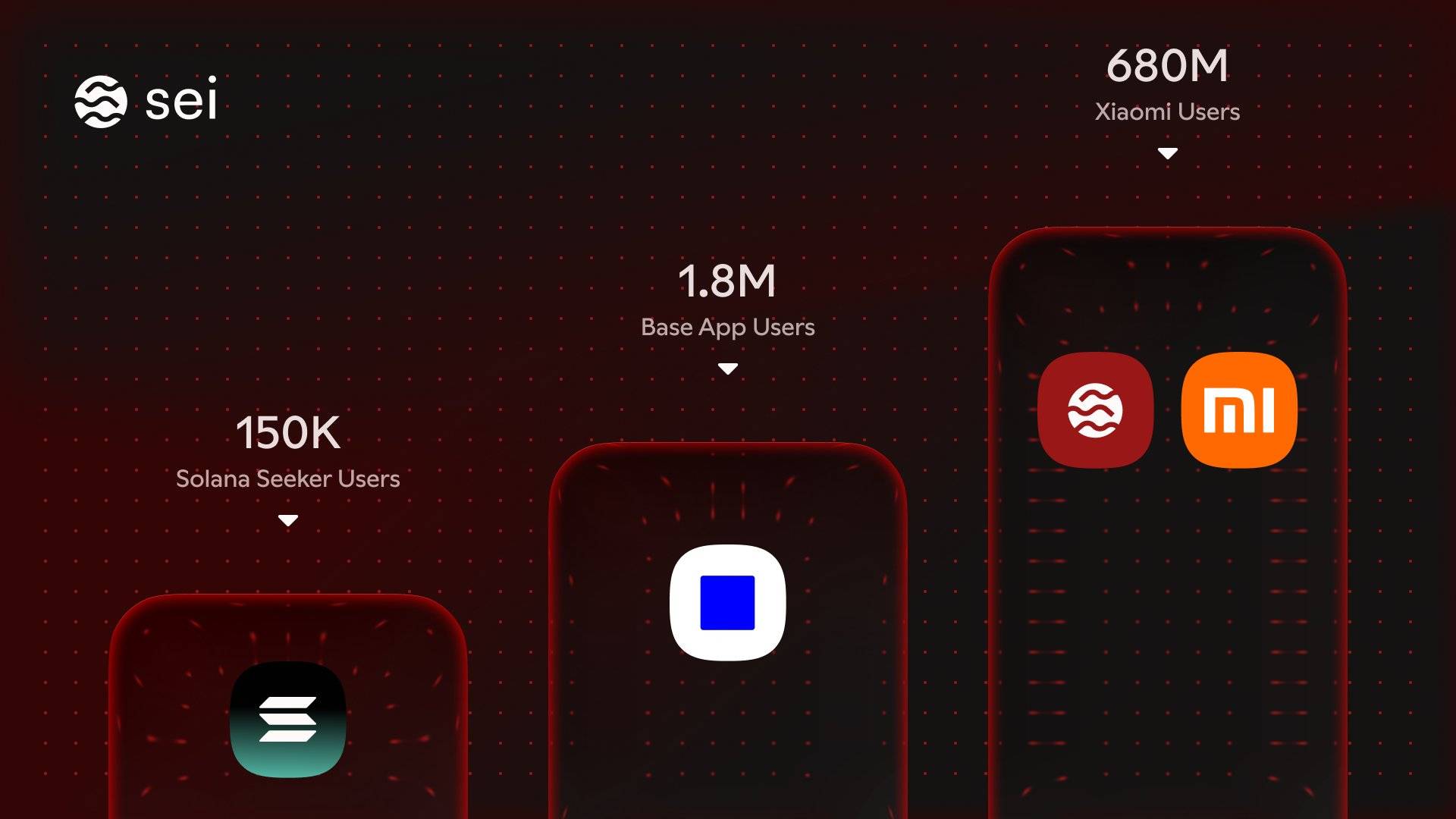
Compared to major competitors in the crypto industry, the scale of distribution that Sei is about to achieve through Xiaomi is almost unprecedented. Coinbase currently has around 105 million users, Phantom has 15 million, and efforts to build Web3 smartphones like Solana Saga only reach a tiny group. Even rapidly expanding ecosystems like Base still rely on self-installing applications, making the onboarding process slow and optional.
Meanwhile, the partnership with Xiaomi allows Sei to reach over 170 million new devices annually, integrated at the system level, requiring no app downloads or prior blockchain knowledge from the user.
Beyond just wallets, Sei plans to roll out stablecoin payments at over 20,000 Xiaomi retail stores globally, starting in Hong Kong and Europe – regions with stable legal frameworks. If successful, users could use stablecoins like USDC to purchase Xiaomi phones, tablets, or electric scooters, with transactions processed directly on the Sei blockchain.
According to the announcement, this partnership will become the first crypto touchpoint for millions of users in markets where Xiaomi dominates, such as Greece (36.9%) and India (24.2%). With 170 million phones sold annually, this agreement could generate adoption growth rates rarely seen in the Web3 industry.
Before partnering with Sei, Xiaomi had already experimented with Web3 wallet payments for its Xiaomi Store in Hong Kong and collaborated with wallets like Crypto.com Pay. Additionally, the tech giant had already accepted crypto payments in Portugal as early as 2021.
Long-term vision
In an interview at Devconnect Buenos Aires, Jay Jog, co-founder of Sei Labs, noted that most blockchains don't prioritize performance. He stated that Sei is preparing for real-world operations such as payments, transactions, and handling large volumes of real-world finance by building a robust blockchain before demand explodes. Sei 's long-term vision is to create a "decentralized NASDAQ," aiming for 200,000 transactions per second to bring the entire financial ecosystem on-chain.
Meanwhile, the Sei Development Foundation has just launched a $5 million Global Mobile Innovation Fund, funding teams developing applications for mobile users. However, Jog acknowledges that Capital only solves part of the problem: “The biggest bottleneck is always finding good users and distribution channels. A $50,000 grant cannot create a market on its own.” Therefore, being the default app on millions of devices is expected to be the key Shard to unlocking the speed of adoption.
Sei 's infrastructure, based on parallelized EVMs, is designed to handle thousands of transactions per second, with finality under 400 ms. This is a significant advantage for retail payment applications, which require low latency and a seamless experience. Jog stated that the difference is clear: “On legacy blockchains, users sit anxiously waiting for confirmation. On Sei, the payment is completed in the blink of an eye.” However, the deployment of stablecoin payments still depends on the regulatory framework of each region.
Coin68 synthesis