There's been some interesting news in the investment community these past couple of days.
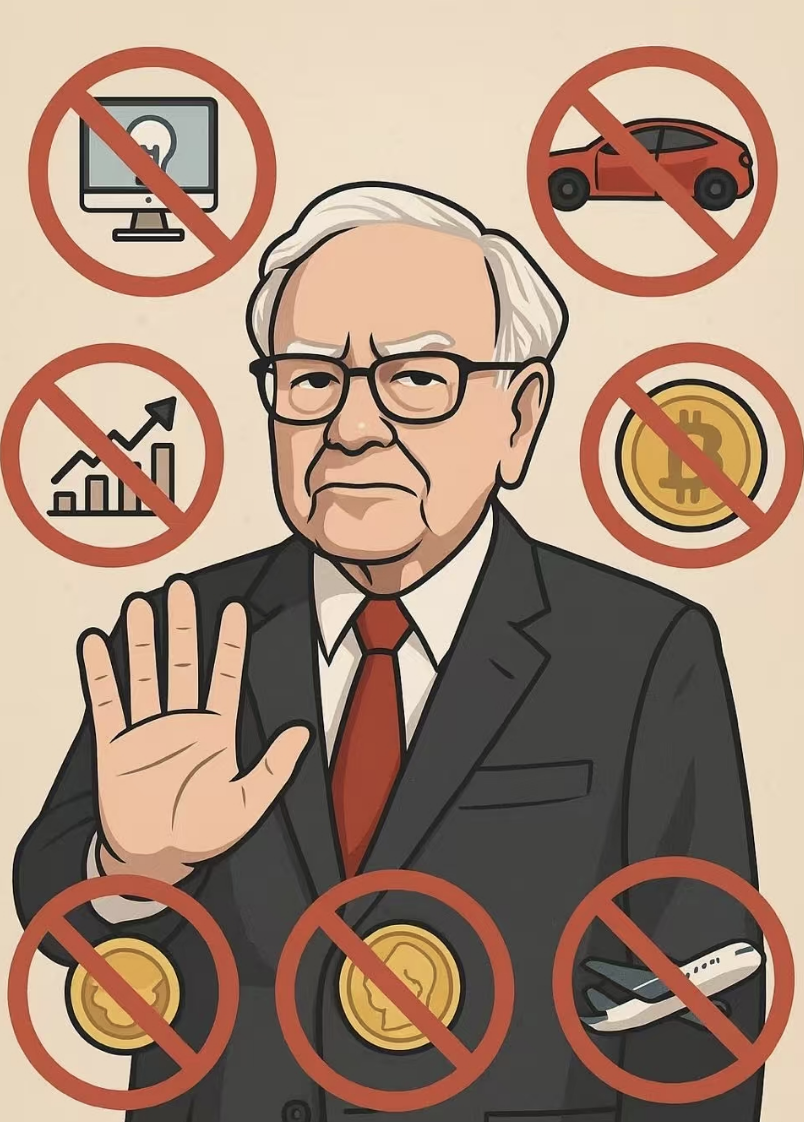
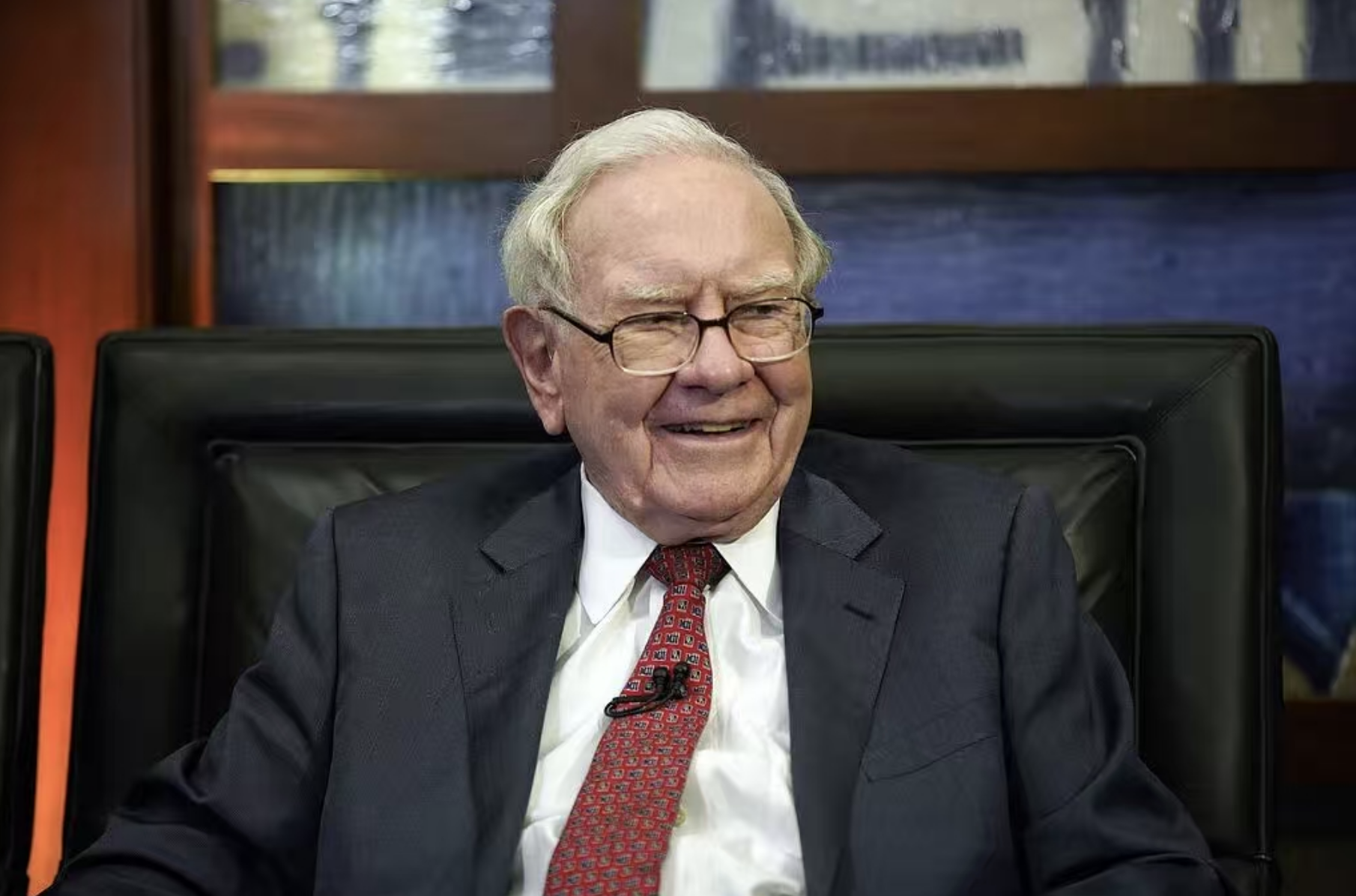
When I saw this, I had to read it twice to confirm: Warren Buffett, who has always called Bitcoin a "gambling token," has actually had his Berkshire Hathaway company quietly invest $1.5 billion in a digital bank called Nubank.
That's interesting.
If you look closely, you'll see that one of the main businesses of Nubank's New Bank is enabling users to buy, sell, and store Bitcoin. So, Buffett didn't buy Bitcoin himself; he invested in the business – he earns money by providing the service to anyone who wants to mine (or buy) Bitcoin.
Why go through all this trouble?
We need to figure out what the old-school capitalists are thinking about this.
Buffett and Munger criticized Bitcoin in the past because they felt it didn't generate cash flow and its price only increased by others buying in, which contradicted their value investing philosophy.
But investing in Nubank is a completely different story:
- He invested in a legitimate bank, not a cryptocurrency : Nubank has over 40 million users in Latin America and annual revenue exceeding $8 billion; it's primarily a profitable fintech company. Cryptocurrency is just one aspect of its strategy to attract young people and expand its business. What Buffett valued was its fundamentals and growth potential.
- This approach offers manageable risk : directly investing in Bitcoin, with its volatile price, doesn't align with the conservative style of large funds. But what about investing in a bank that provides related services? You earn traditional financial returns like fees and interest rate spreads, with much less volatility. This is a comfortable way to access new markets.
- The signal is more important than the money : $1.5 billion may not be a large sum for Berkshire Hathaway, but the move itself sends a strong signal. It's saying that cryptocurrency-related financial services are no longer a fringe topic, but a business with real demand that legitimate financial institutions should be developing.
Therefore, the deeper point of this matter is that Bitcoin's value story is quietly changing. It is no longer just a single role as "digital gold," but is beginning to become the infrastructure and underlying asset driving the growth of new financial businesses.
Its value lies not only in the price of the coin itself, but also in the size of the ecosystem it can support and the amount of real service revenue it can generate.
However, this makes another problem even more apparent: while Bitcoin is becoming increasingly easy to buy and store through these "formal channels," it is somewhat "unable to exert its power" in its own territory—the crypto world.
On most blockchains, Bitcoin is like a giant sleeping in a vault: everyone knows it's valuable, but it's difficult for it to flexibly participate in DeFi activities such as lending and providing liquidity, and it can't "make money from money" as easily as other on-chain assets.
Buffett and his team solved the problem of "how to buy it", but the key question of "how to make it more valuable after buying it" still lacks a good answer on the blockchain.
So, is there a way to transform Bitcoin from a "lying-down" asset into "working" capital in the crypto world?
It depends on the design philosophy of the underlying network.
For example, Berachain, which has been quite popular recently, has developed a mechanism called Proof of Liquidity (PoL) .
The logic is simple and straightforward: the activity and security of the network require real-money asset liquidity to support it, so whoever contributes significant liquidity should be rewarded by the network.
In this model, if Bitcoin can be included, it will no longer be a mere "outsider," but rather a formal participant in the network's reward system, earning "salary" based on its contributions. This idea aligns perfectly with the beraBTC project.
beraBTC: Paying a "salary" to BTC on-chain
You can think of beraBTC as a "work permit" for Bitcoin on the Berachain.
It is pegged 1:1 to Bitcoin and has transparent reserves, which guarantees its intrinsic value.
The key point is that when you convert BTC into beraBTC and use it within the Berachain ecosystem (such as putting it in a trading pool for liquidity), it can earn the network's native token BGT as a reward for this "work".
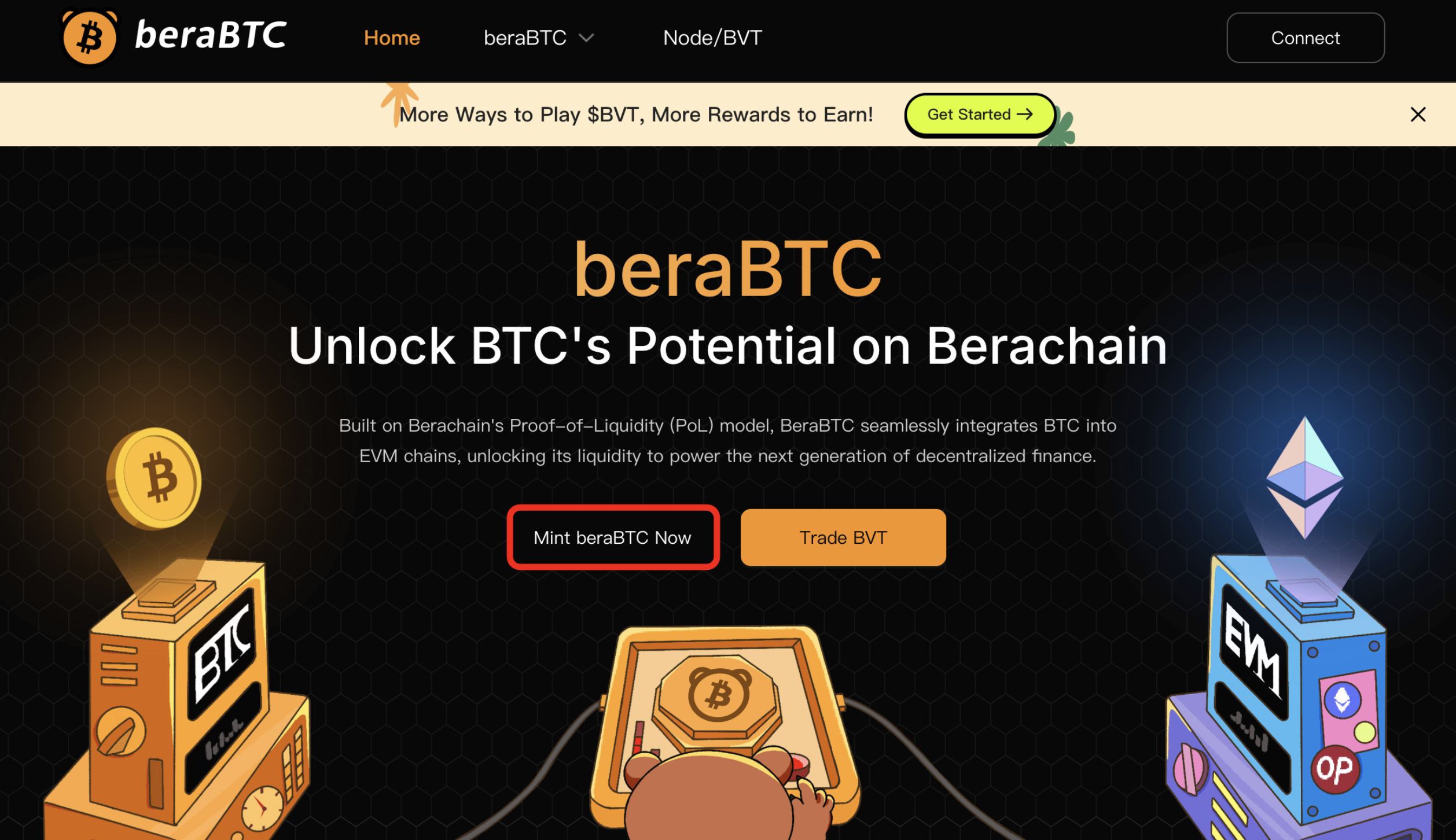
This means that for the first time, Bitcoin can earn native on-chain rewards by participating in the construction of a mainstream smart contract ecosystem.
It has come into play, transforming from a dormant asset into capital capable of generating cash flow. This addresses the long-standing pain point of BTC being "idle" in DeFi.
BVT: Save the money you earn and cycle through it.
Making money is not enough; a good ecosystem also needs to make good use of the money earned.
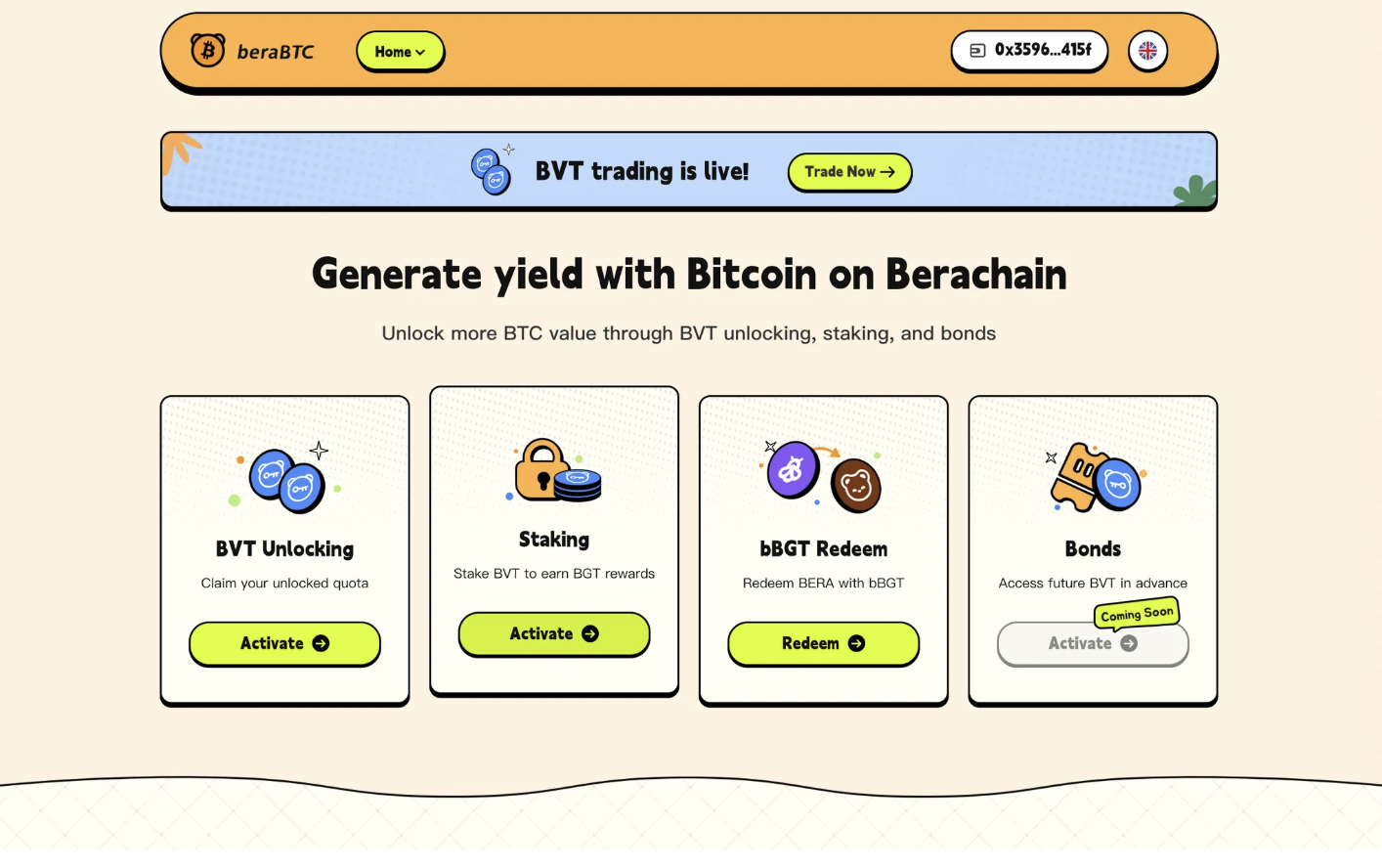
If beraBTC is the module that makes Bitcoin "work and make money," then BVT is like the system's "piggy bank" and "governance center."
The designers (Batoshi Foundation) have set up an economic cycle: a portion of the revenue generated by beraBTC within the ecosystem (such as transaction fees and incentives) will be periodically used to buy back and burn BVT from the market. Meanwhile, BVT holders can also share in the long-term benefits of the system's growth through staking and other means.
Looking at it this way, things make sense: Buffett is investing in "bridges" and "service providers" that connect the traditional world and Bitcoin; while the Batoshi Foundation is building "value factories" and "profit engines" for Bitcoin within the crypto world.
One is expanding entry points and channels, while the other is tapping into the productivity within the pool.
Ultimately, the evolution of Bitcoin's value can now be roughly traced along three lines:
- It was treasured and hoarded (the earliest story).
- Treat it as the foundation of a business (what Buffett and others are doing now).
- Treat it as capital that can lay eggs, and generate revenue in its native environment (like the direction explored by beraBTC and PoL mechanisms).
As large funds begin to gradually move along this path, focusing on the underlying infrastructure that can truly enhance Bitcoin's "earning power" may be the key to understanding the next wave of value growth. The focus of Bitcoin's story is slowly shifting from "whether to buy" to "how to make it more valuable after buying it."
🎉Let 's explore everything about beraBTC, BVT, and BearChain together .
Welcome to follow ⭐️ Batoshi