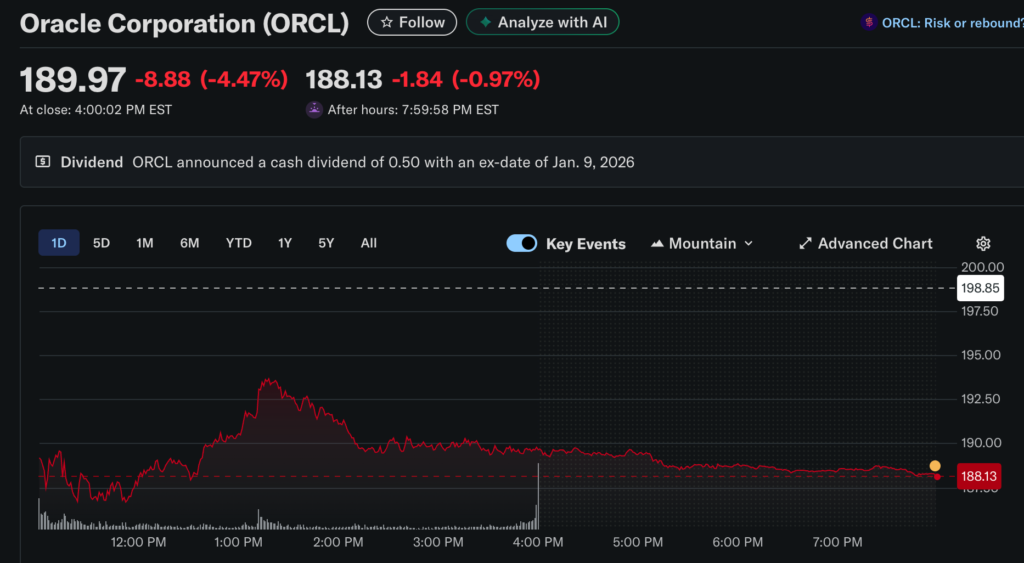
Last night (12th), US AI concept stocks generally fell, with Oracle plunging more than 6% at one point during the session, closing down 4.47%; Nvidia also weakened by nearly 3%, and AMD fell by more than 5%. The trigger was market rumors that Oracle's ultra-large data center for OpenAI would be delayed from 2027 to 2028 due to labor and building material shortages in the United States.
Cryptocurrency stocks also declined almost across the board. Bitmine (BMNR), a standout stock, plunged 9.17% to close at $34.86; stablecoin issuer Circle fell 5.76%, and Coinbase dipped slightly by 0.46%.
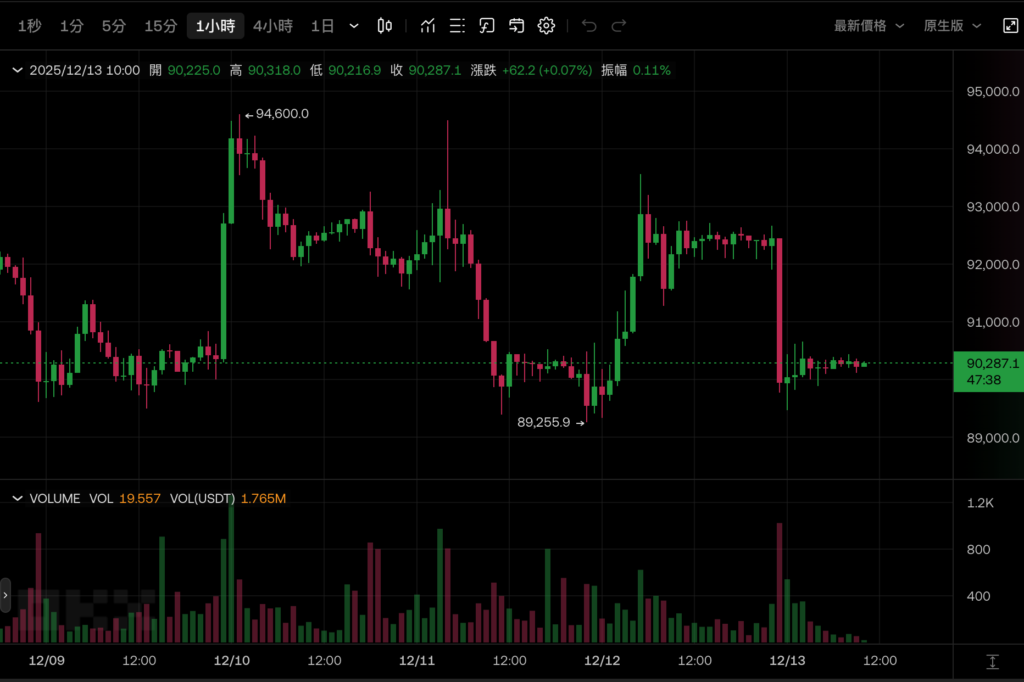
The cryptocurrency market also experienced selling pressure, with Bitcoin quickly falling below $90,000 around midnight, and temporarily trading at $90,287 before the time of writing, while Ethereum held above $3,000.
Rumors and official denials intertwine
Multiple media outlets have pointed out that the $300 billion computing power agreement signed between Oracle and Openai this summer is facing labor and material bottlenecks, forcing a delay in the timeline. If the timeline is indeed extended, Oracle will need to advance $50 billion in capital expenditures over the next three years, causing its debt default swap (CDS) costs to soar.
However, an Oracle spokesperson immediately clarified the report, stating that the first data center in Abilene, Texas, has deployed 96,000 Nvidia chips, and emphasized:
All contract milestones proceeded as planned without any delays.
Despite the strong rhetoric, the market responded with sell orders. Oracle's stock price has fallen approximately 40% from its peak since September.
Supply chain constraints and their impact on stock prices
If the data center hardware cannot be implemented as scheduled, it also means that NVIDIA's high-end GPUs will be difficult to be installed and recognized as revenue, which will suppress the stock price.
This incident once again highlights that AI development has shifted from a "computing power race" to a "civil engineering and power race." Labor shortages, material shortages, and power dispatch have become new bottlenecks. If any link in this chain breaks down, it could trigger sharp fluctuations in highly valued tech stocks.