At the start of the year, OpenAI is experiencing another personnel upheaval: the top inference model expert has left the company!
Jerry Tworek —a key figure in building o3, o1, GPT-4, ChatGPT, and OpenAI's first AI programming model, Codex, and VP of Research at OpenAI— announced his difficult decision :
Leave OpenAI and try to explore some research areas that are difficult to conduct in OpenAI.
I'm curious, what aspects of the "research that is difficult to conduct at OpenAI" he mentioned include?
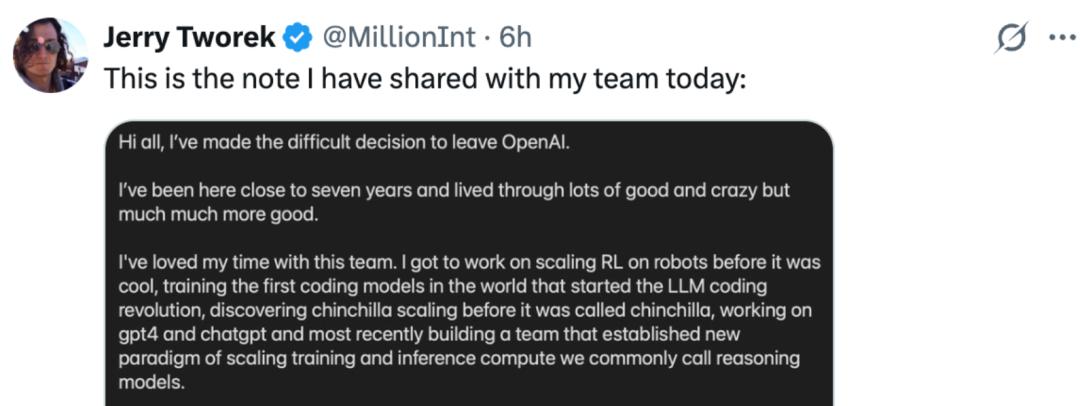
He said that in the nearly seven years he has been with OpenAI , he has experienced many wonderful and crazy moments, but more of them have been wonderful times.
(Even the bigwigs at OpenAI are experiencing the seven-year itch?)
Many OpenAI employees shared their pleasant experiences working with Jerry in this tweet.
I also wish him a bright future.
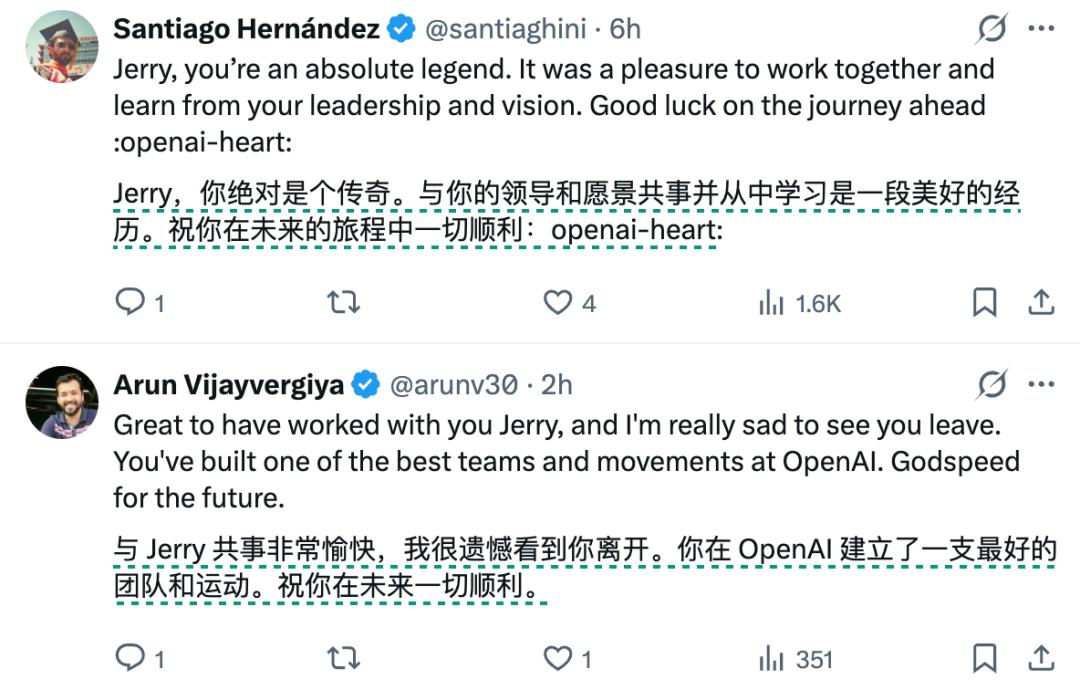
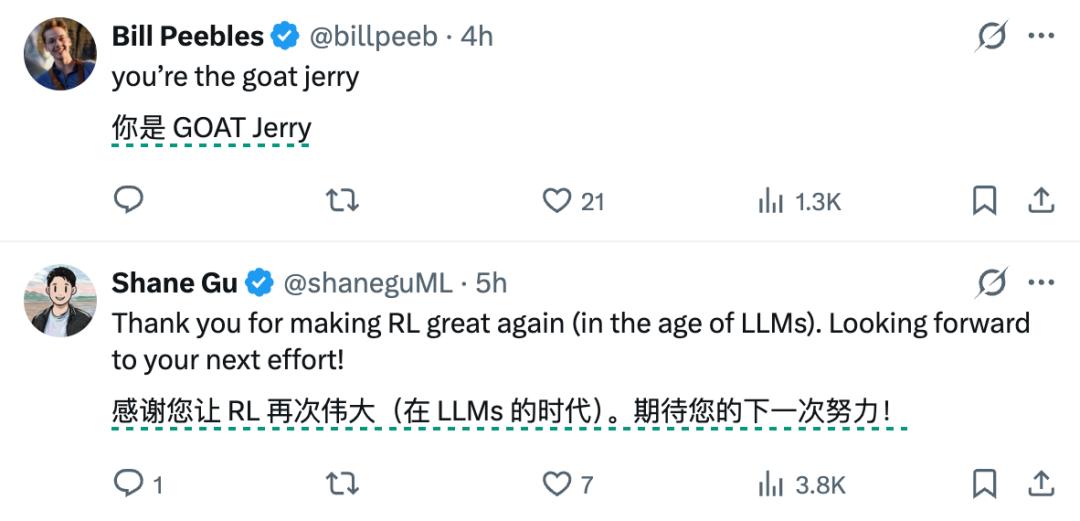
The keywords in the comments from netizens and onlookers were mainly "thank you" and "admiration" .
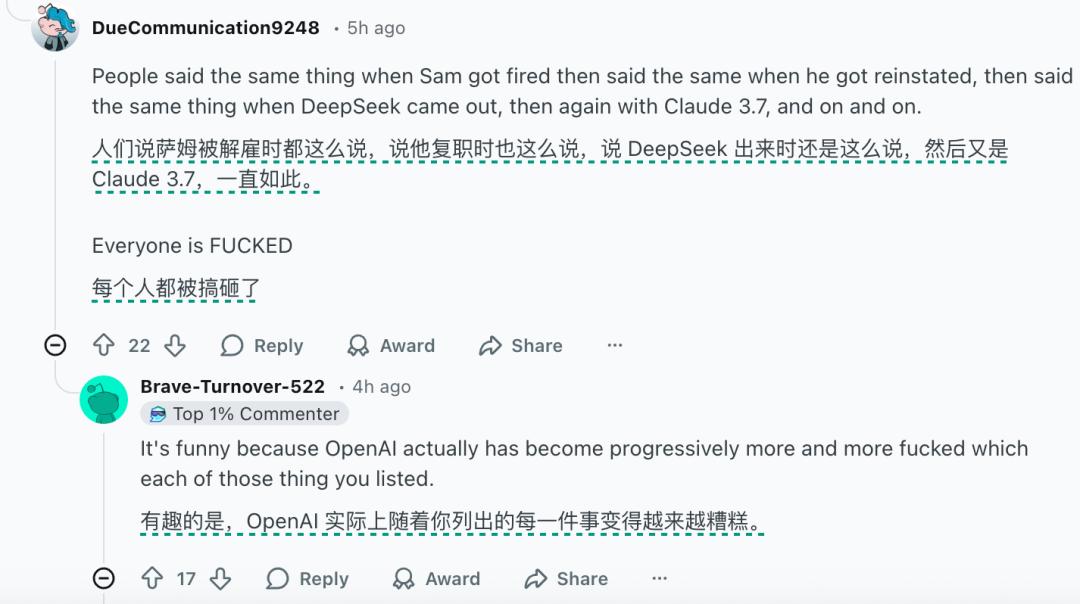
There are still friends who are frustrated by the loss of key talent from OpenAI .
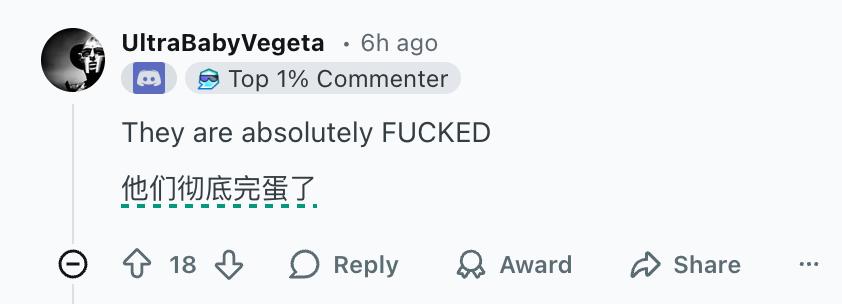
But this friend's comment section is even funnier.
Many people may know Jerry from his sporadic interviews and speeches, and their understanding of him is not comprehensive.
Now, let's get to know this master of inference models properly , as a way of saying goodbye and wishing him a new journey ahead.
The first person to develop OpenAI inference models
Jerry Tworek was born and raised in Poland. He earned a master’s degree in mathematics from the University of Warsaw and has a strong theoretical and mathematical background.
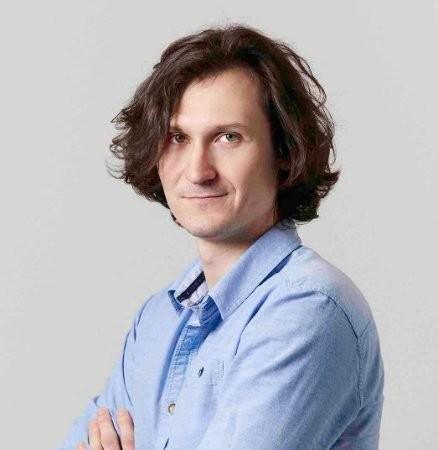
He didn't enter the AI field immediately after graduating from school .
For the first five years after leaving school, he worked in Amsterdam conducting quantitative research, mainly studying quantitative trading strategies in the futures market.
During this period, Jerry used optimization theory and techniques for extracting signals from noisy datasets to research and develop quantitative trading strategies for the futures market, which ultimately led him to begin researching reinforcement learning .
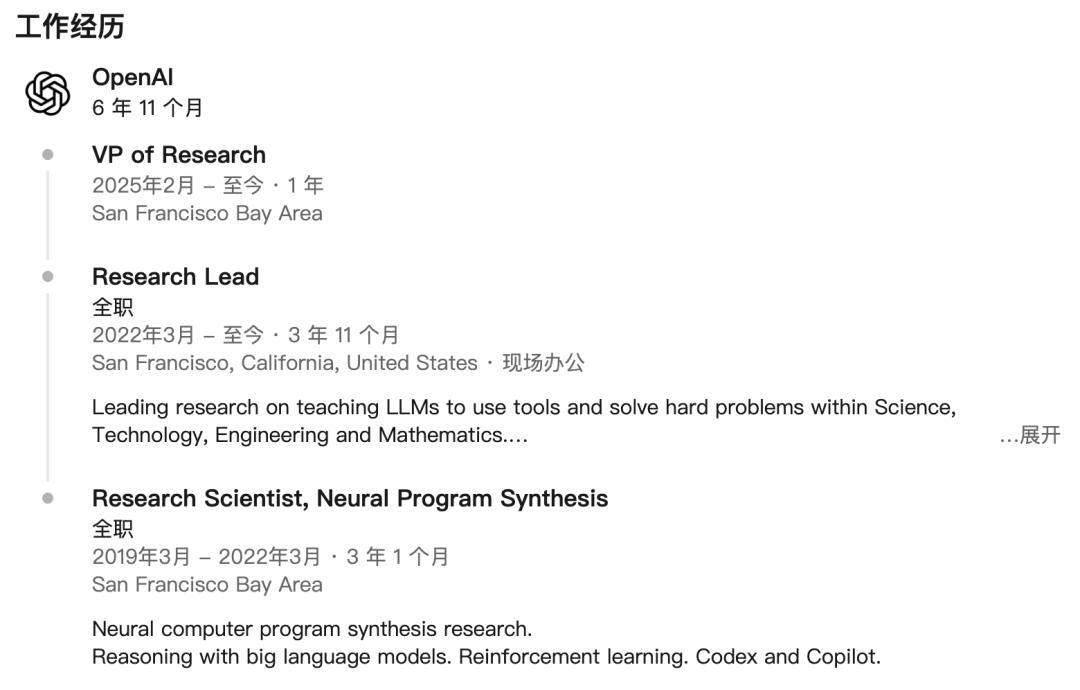
In 2019, Jerry joined OpenAI as a research scientist, focusing on neural program synthesis and reinforcement learning.
At the time, GPT-2 had just been released, and OpenAI was still mainly a non-profit research laboratory, small in scale and not very well-known.
Early in his career, he participated in the robotics project “Solving Rubik’s Cubes with Robotic Hands” and presented the project at the NeurIPS 2019 Deep Reinforcement Learning Workshop.
Jerry was also one of the earliest researchers to participate in the "large-scale pre-training + computing power expansion" approach , and he had already shown great interest in model inference during the pre-ChatGPT period.
After the release of GPT-3 in 2020, he began to study how to evaluate and train GPT-3 to solve reasoning and logic problems.
To date, in various public speeches and interviews, Jerry has repeatedly emphasized the importance of "reasoning" rather than just "pattern matching generation," and tends to view large models as systems that can be trained to "learn the thinking process," rather than just a black-box text predictor.
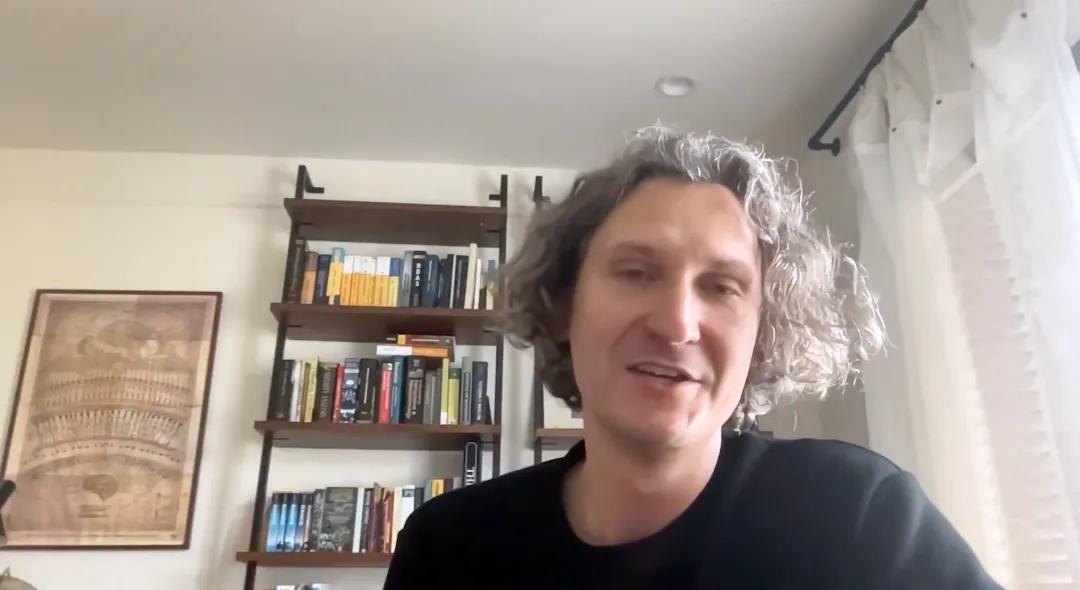
Between 2019 and 2022, he conducted research on neural program synthesis and large model inference at OpenAI, involving large code models such as Codex and Copilot, while using reinforcement learning to improve reasoning and decision-making capabilities on complex tasks.
Since 2022, Jerry has served as Research Lead at OpenAI, leading a team to research "how to enable large language models to use tools to solve difficult problems in STEM fields," including plugins and code interpreters.
After ChatGPT emerged, he gradually became known to more people—as one of the main contributors to ChatGPT and the GPT series of models.
Jerry was the principal investigator of GPT-4 and led the research and development of the first inference model, o1. He was introduced as the core person in charge of the inference mechanism and long-term thinking ability of GPT-5.
In various interviews and podcasts, they systematically explained the thinking methods and evolution of the reasoning model of GPT-5.
In 2025, Jerry was promoted to Vice President of Research at OpenAI.
On January 6, 2026, Jerry announced his departure from OpenAI without disclosing his future plans.
Below is the original translation of Jerry's resignation essay.
What did Jerry write in his resignation essay?
Hi everyone, I've made a difficult decision—to leave OpenAI.
I've worked here for almost seven years and experienced many wonderful and crazy moments, but mostly wonderful times.
I thoroughly enjoyed my time working here. I worked on early development of reinforcement learning in robotics and trained the world’s first programming models, which ushered in the large language model programming revolution.
Before DeepMind released the Chinchilla model, I discovered a phenomenon that was later known as the "Chinchilla Scaling Law".
I was involved in the development of GPT-4 and ChatGPT, and recently I also formed a team to establish a new paradigm for scaling training and inference computation—which is now commonly referred to as an inference model.
I made many friends, spent many nights in the office, participated in and witnessed a considerable number of technological breakthroughs, and shared laughter and worries with many people I considered close partners.
I was fortunate enough to build and grow what I believe to be the world’s strongest machine learning team.
It was a very enjoyable experience. Although I am leaving OpenAL to explore some research areas that are difficult to conduct at OpenAL, it is a special company and a special entity in the world, which has already occupied an eternal place in the long river of human history.
I am very grateful for the trust that OpenAI and you have placed in me over the years. These kinds of moments always feel a little unnatural, but when viewed from a positive perspective, they can be catalysts for great things.
Together we make machine intelligence more useful and reliable. I am a loyal user of the ChatGPT inference model.
Thank you again, thank you a thousand times over.
Take care of yourselves, dear strawberries.
Jerry
One More Thing
Originally, this post should have ended after including Jerry's short essay.
But I came across a comment that seemed funny at first glance, but upon closer inspection, it made some sense:
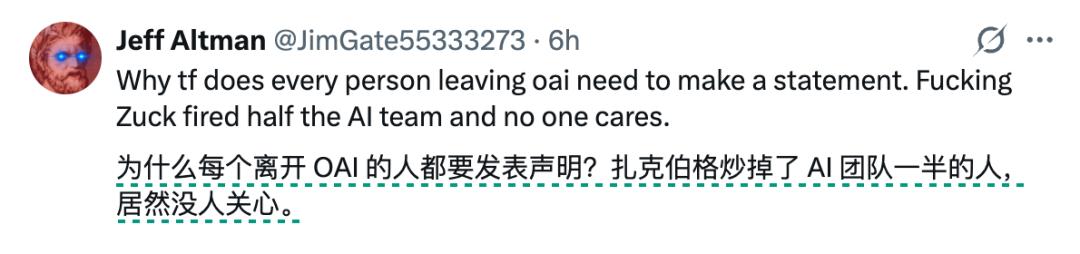
Thinking about it carefully, it's true that many people who leave OpenAI write a short essay when they do. Is this some kind of unwritten rule? Or is it part of the company culture?
Curious.jpg
Reference link:
[1]https://x.com/MillionInt/status/2008237251751534622?s=20
[2]https://www.linkedin.com/in/jerry-tworek-b5b9aa56/
[3]https://warsaw.ai/speaker/jerry-tworek/
This article is from the WeChat public account "Quantum Bit" , author: focusing on cutting-edge technology, published with authorization from 36Kr.