The data landscape has undergone a dramatic shift; by 2026, the whole old-school, piecemeal approach to reporting will have finally kicked the bucket, and we're now living in a world of autonomous intelligence.
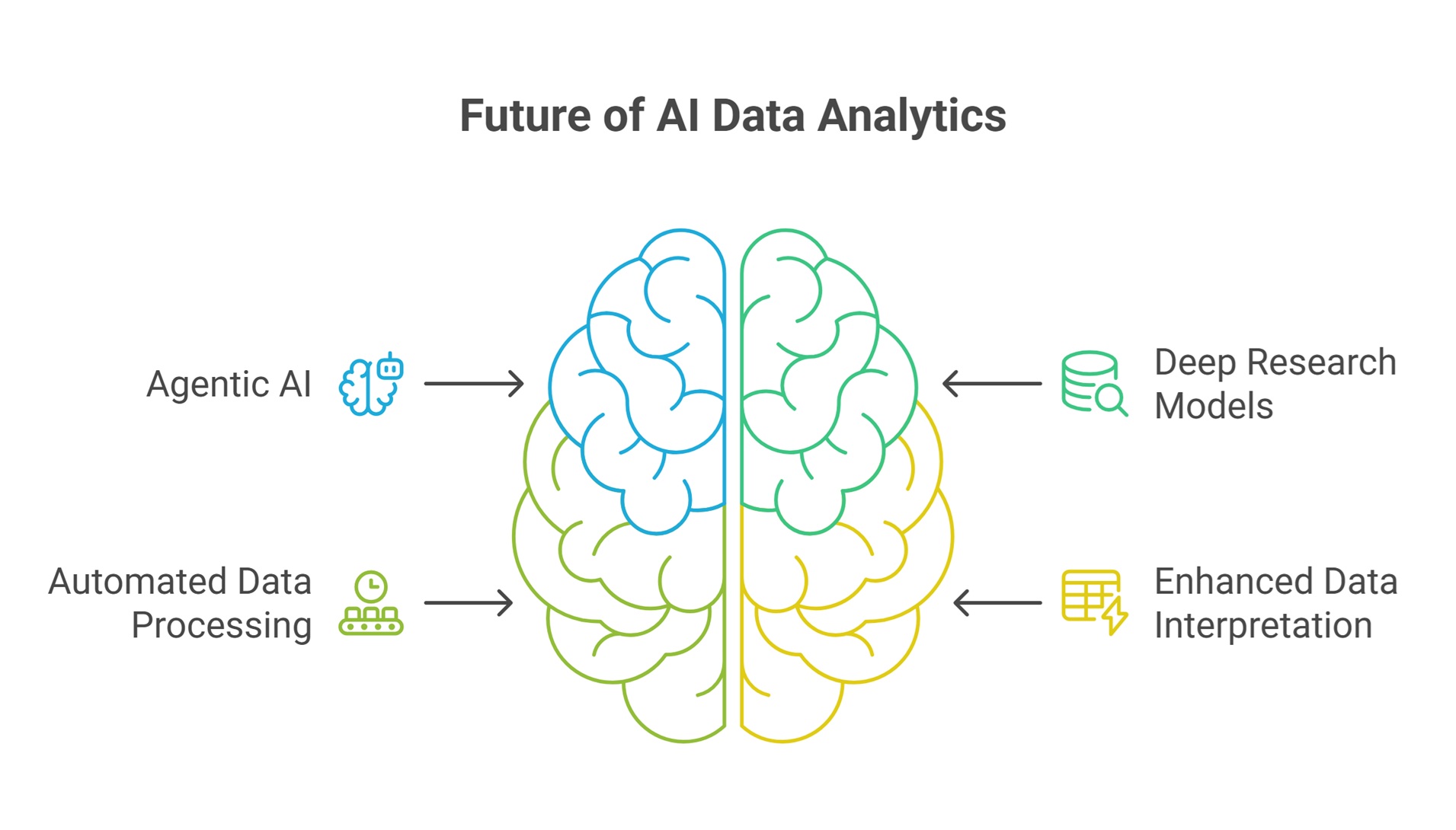
For those at the helm of big organisations - enterprise leaders - the challenge has shifted from gathering data to figuring out how to wrangle the super-smart AI systems that are now processing, interpreting, and actually acting on that data in real-time.
Leaving Dashboards Behind for Autonomous Systems
This year's most eye-catching change is the way we're ditching human-monitored dashboards for autonomous analytics systems. For the past decade, the focus was on just being able to see data through charts - but 2026 is all about tuning in to what data is telling us. Modern platforms have moved way beyond just simple visualisation to actually proactive alerting and self-correcting. Where once a manager might have to spot a dip in the supply chain on a Tuesday morning, an autonomous system would have already identified the problem at midnight, sorted out logistics, and sent a summary of what they'd done by dawn.
Agentic AI & Deep Research Takes Centre Stage
At the heart of this revolution is Agentic AI. Unlike traditional "Copilots" that just hang around waiting for a user to ask them to do something, AI agents are goal-driven. They've got the power to go off and do some self-directed digging across different bits of data - merging customer information with what's going on in the market and then comparing that to what's happening in the supply chain, all without any human help.
But on top of that, we've also got what are being called Deep Research and Reasoning models (like the ones from DeepSeek or OpenAI). These models aren't just there to churn up data; they actually think through it. They can spot anomalies, check them against what's happened before, backtrack, and verify their own thinking to make sure they're being 100% accurate before coming up with some kind of strategic recommendation. This level of automated data processing is turning what used to take weeks of manual research into just seconds of machine-driven insight - fast enough to change the whole game.
Why Speed and Accuracy are the New Currency of the Digital World
At the heart of all this is the drive to get AI-powered tools - because in today's hyper-competitive market, waiting is costly. When you can do predictive decision intelligence - modelling 'what if' scenarios on the fly - you can be that much more agile than your rivals. And when it comes to choosing the best AI software for data analysis, what organisations are really looking for are platforms that offer more than just speed - they're also looking for transparency.
As organisations grapple with these trends, they often look at the tried and true alongside the newer, bolder players:
- Microsoft Power BI & Tableau: These guys are getting some seriously smart "thinking" modes, which can actually tell you why some KPI has shifted.
- IBM Watson Analytics: Watson is now leveraging some massive reasoning models to get deep insights into industry-specific areas.
- Qlik & Zoho Analytics: These guys are really pushing the envelope in automated data prep, making it possible to get the data in the first place without having to spend 80% of your time 'data cleaning'.
Picking the Right Tool in 2026
When it comes to choosing a platform today, you need to look beyond just the list of features and start looking at Data Sovereignty and Governance. Because as AI agents get more and more powerful, they can start to take action on data - and that means you need the right guardrails in place to protect that data. For a deeper dive into which platforms are leading the pack in these key areas, taking a look at a curated list of top-tier AI tools can help sort out the best fit for your organisation - and your technology choices.
The future of analytics is about more than just having the ability to look back at what happened - it's building a system that can tell you what to do next.
#DataTrends #FutureOfAI #AnalyticsSoftware