Foresight News gives you a quick overview of this week's hot topics and recommendations:
01 Direct Coverage of Myanmar
Myanmar Under Fire: The Dignity of the US Dollar, Trapped Youth, and the Underground Financial Market
02 Web3 Global Chinese Community Map
"Wishing you a prosperous start to the work year! Here's a guide exclusively for Web3 digital nomads!"
03 Crypto Fun Facts
Why did Bitcoin, which was poised to reach $150,000, plummet in value? Was Jane Street the mastermind behind it?
One failed attempt at market manipulation became a model for wrongdoing using Polymarket.
Vitalik dumped nearly 20,000 Ethereum in a single month; what are the reasons behind the founder leading the sell-off?
New rules for X advertising disclosures are coming, potentially ending the "passive income" model for crypto KOLs.
The company Wall Street is most pessimistic about is actually a leading cryptocurrency stock.
Zuckerberg relaunches stablecoins; can Meta win this "revival round"?
WLFI's FUD farce stems from a sensitive nerve in a bear market.
01 Direct Coverage of Myanmar
Under the shadow of war, Myanmar is experiencing multiple crises: a fractured exchange rate, soaring inflation, and widespread poverty. The official and black market exchange rates differ drastically, ordinary people earn meager incomes, and young people are trapped in a reality where leaving the country is difficult. Based on on-site investigations, this article unveils the true picture of monetary beliefs, underground finance, and the struggles for survival of ordinary people amidst the flames of war, presenting a folded and overlooked side of Myanmar. Recommended Articles:
Myanmar Under Fire : The Dignity of the US Dollar, Trapped Youth, and the Underground Financial Market
The camera focuses on a little boy quietly gazing out the train window.
He is the epitome of millions of ordinary boys in Myanmar. Time will irrevocably push him forward, making him grow into a boy, a man, and ultimately, inevitably, someone like my guide, Kosla.
I once asked this ordinary Burmese man, "Are you happy?" Kosla didn't answer immediately. When I pressed him a second time, he simply dodged the question, saying, "We're so busy making a living every day that we simply don't have time to think about happiness."
Much later, by a dusty roadside, he answered the question for the third time, and most completely:
"I could die tomorrow. They could conscript me at any time and send me to fight on the other side of the river. After 7 p.m., any man on the streets of Bagan could be imprisoned and then thrown onto the battlefield without any reason. I've been working since I was nine, but wages never keep up with inflation."
"A lifetime. No happiness," he said.

02 Web3 Global Chinese Community Map
Web3 breaks down geographical boundaries, making distributed collaboration the norm, but it also leaves digital nomads facing online loneliness and a lack of community. Global Chinese professionals are scrambling to find communities that offer a balance of cost, resources, and a sense of belonging. From the Greater Bay Area and Yangtze River Delta in China to Southeast Asia, Europe, America, and the Middle East, Web3-based Chinese communities are quietly taking shape. This article outlines the global landscape of Chinese Web3 communities, providing practical references for digital nomads regarding lifestyle, cost, and community. Recommended Articles:
" Wishing you a prosperous start to the work year! Here's a guide exclusively for Web3 digital nomads! "
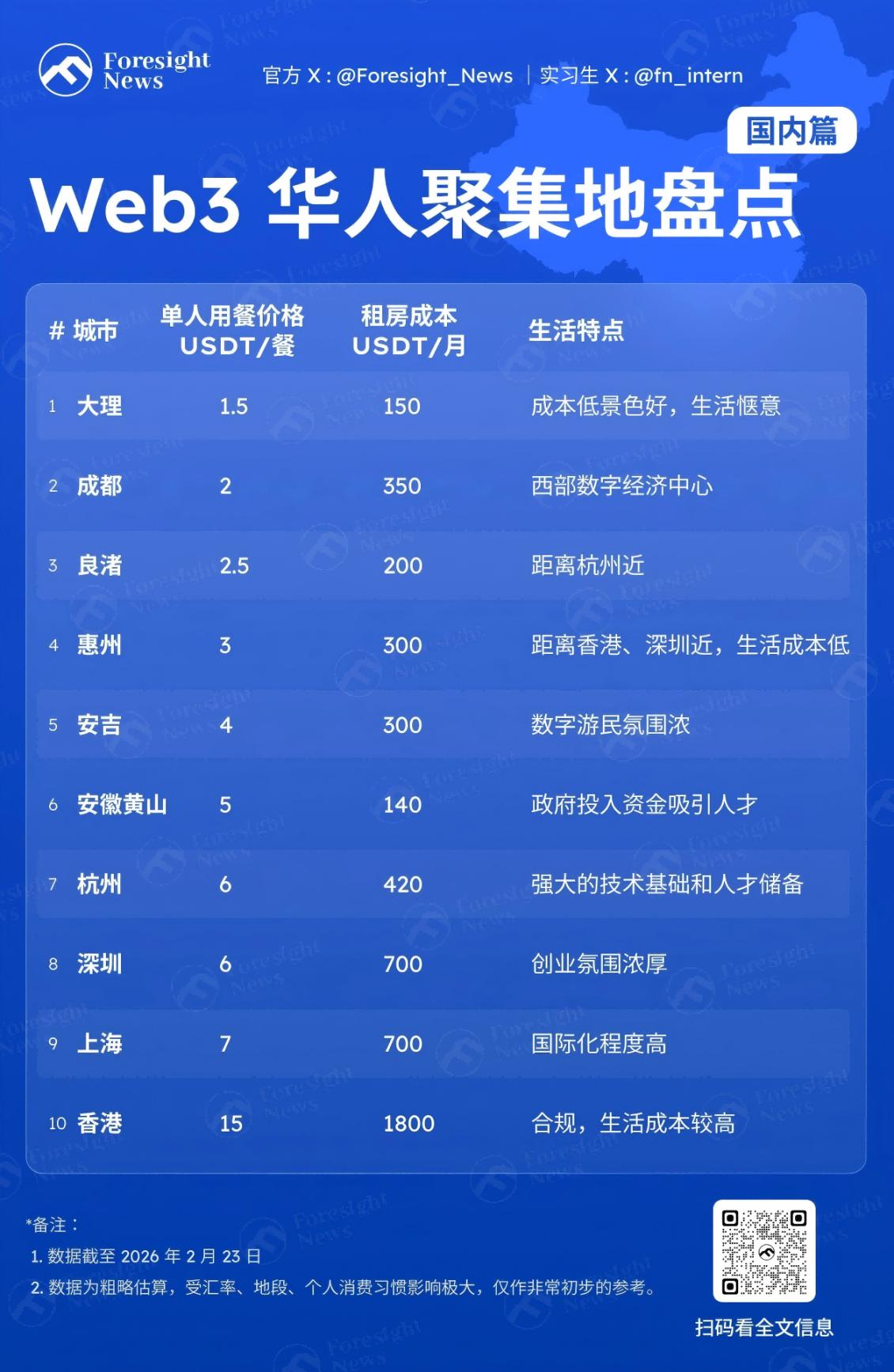
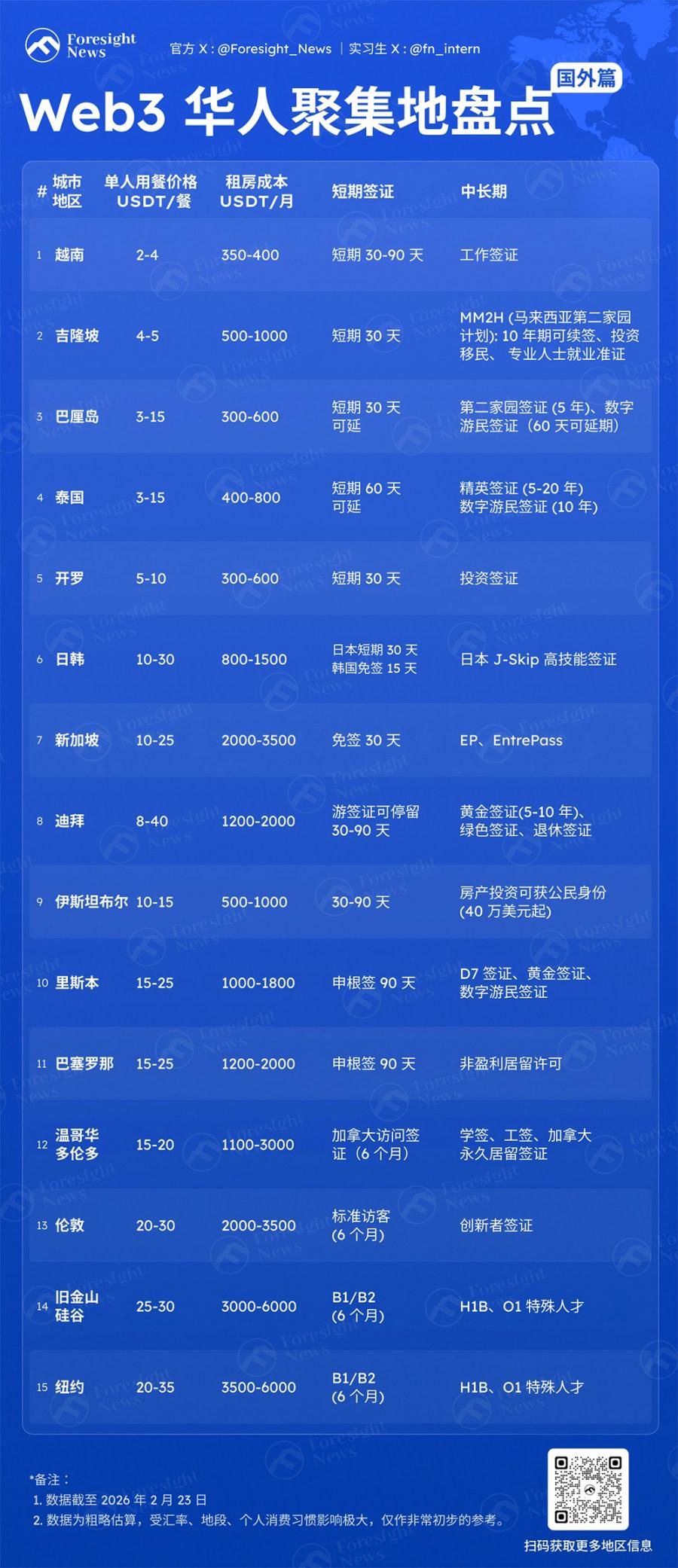
This article provides an in-depth analysis of the most discussed Web3 Chinese communities (Note: The data mentioned below are rough estimates and are greatly affected by exchange rates, location, and personal consumption habits, and are only for very preliminary reference). From the cost of living in various places to the unique community ecosystem, we will reveal where you can find delicious and affordable "pork leg rice" and where you can find affordable and comfortable places to live, helping you find your ideal base in the global Web3 landscape.
03 Crypto Fun Facts
Bitcoin reached a high of $126,000 in October 2025 before quickly halving in value. From the end of 2024 to 2025, there was a persistent pattern of precisely timed price drops around 10 AM Eastern Time. In February 2026, a federal lawsuit was filed, directly accusing Jane Street of using insider information, algorithmic manipulation, and concealed derivatives ledgers to distort Bitcoin's price mechanism, turning the digital gold into a tool for institutional exploitation. Recommended Article:
Bitcoin should be worth at least $150,000 right now, and everyone knows that.
But why doesn't the actual price reach that level? A federal lawsuit filed yesterday in Manhattan provides the answer.
Let's connect these three things together for the first time: a federal insider trading case brought about by a private chat group called "Bryce's Secret"; a program that consistently dumped and suppressed Bitcoin prices at 10 a.m. every day until the end of 2025; and a never-before-disclosed derivatives ledger that may have turned the world's largest Bitcoin ETF holdings into a tool for suppressing Bitcoin.
All three clues point to the same name: Jane Street Capital.
In February 2026, ZachXBT's exposure of insider trading in the crypto industry garnered widespread attention. A bet of only $6,000 on Polymarket was questioned as potentially manipulating a project with a market capitalization of nearly $200 million. Although there was no concrete evidence of manipulation, it undeniably exposed the liquidity vulnerabilities and information asymmetry risks in prediction markets, prompting the industry to deeply reflect on market fairness and regulatory boundaries. Recommended Article:
One failed attempt at market manipulation became a model for wrongdoing using Polymarket .
This time, the massive criticism on X, while ostensibly still about insider trading, actually reflects a deeper concern: Polymarket has provided yet another low-cost tool for manipulating emotions in a market where trust is already on the verge of collapse.
In other words, if this incident was indeed market manipulation, and the price of MET was indeed affected, then the manipulator could have manipulated the market capitalization of a $200 million project with less than $6,000. What's even more frightening is that this process has virtually no barriers to entry; all you need is a cryptocurrency browser wallet and the ability to place orders on Polymarket—it's practically "easy for anyone."

In February 2026, the crypto market remained sluggish, with Ethereum experiencing its sixth consecutive monthly decline. Founder Vitalik Buterin publicly announced and sold nearly 20,000 ETH in batches, exceeding the previously announced amount, with the funds earmarked for open-source and public goods initiatives. This transparent move, occurring during a period of market fragility, sparked widespread discussion within the community regarding confidence and the future market direction. Recommended Article:
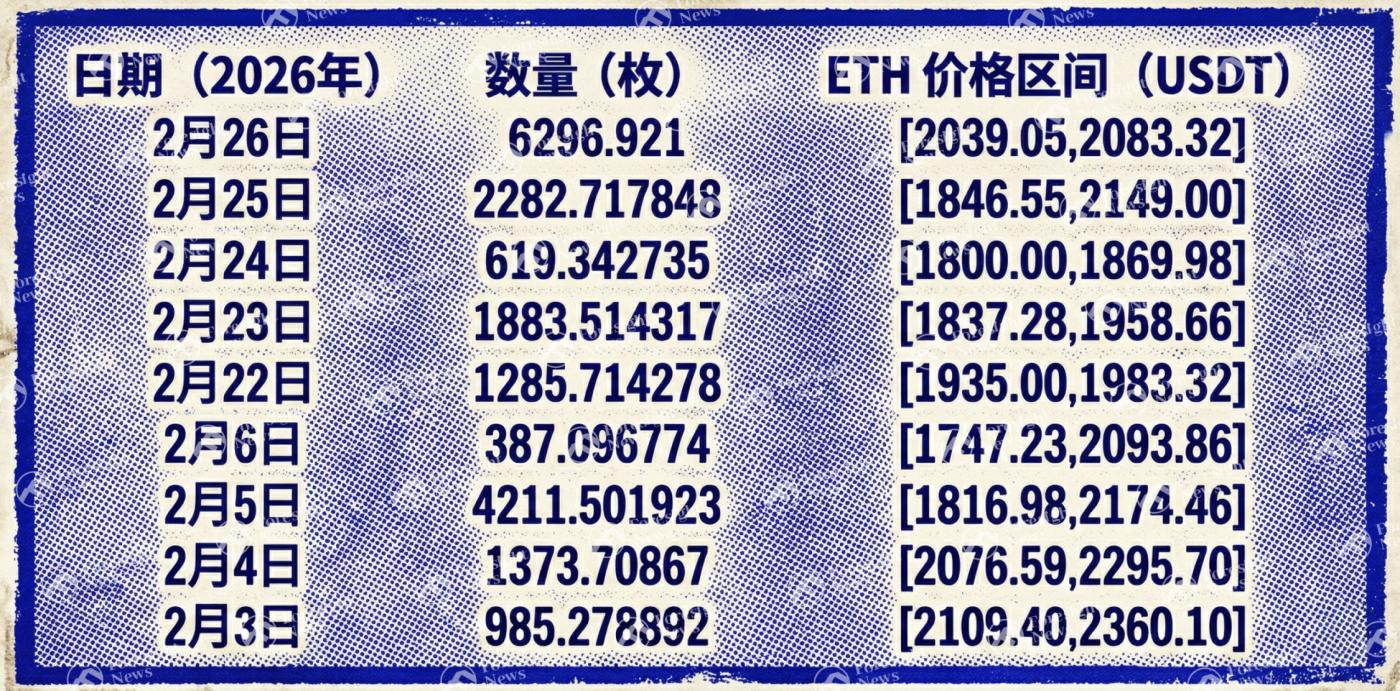
Despite the high level of transparency, the execution results differed slightly from the initial forecast. The Vitalik address actually sold more than the previously announced 16,384 ETH, totaling approximately 19,326 ETH (about 2,942 ETH more than the initial forecast).
The sale began in the early morning of February 3rd, paused for about 10 days, and resumed on the 22nd, with the acceleration mainly occurring in the last two days. Specifically, approximately 4211.5 ETH were sold on February 5th, approximately 2283 on the 25th, and approximately 6297 on the 26th.
On February 21st, Platform X will launch new advertising disclosure rules, requiring paid promotional content to be clearly labeled, and accounts violating these rules will face bans. This move directly addresses the long-standing problem of "hidden advertising" among KOLs in the crypto and prediction market sectors, breaking the unspoken rules of attracting users through soft advertising and FOMO (fear of missing out), marking a shift in Web3 marketing from unregulated growth to compliance and transparency, and ending the KOL "passive income" model. Recommended Article:
New X Ad Disclosure Regulations to be Implemented; Crypto KOLs' "Passive Income" Model May Come to an End
For Web3 projects, this means a significant increase in marketing costs. Many prediction market projects (such as Polymarket and Kalshi) rely on KOLs' soft advertising to drive user FOMO (Fear of Missing Out) entry at low cost.
The new regulations now require any content involving payment, gifts, affiliate links, or material incentives to be prominently labeled with "#ad", "sponsored", or "paid collaboration", otherwise the tweet will be taken down immediately and the account will face suspension or even permanent ban.
In the short term, the growth of these platforms will slow down, KOLs will be hesitant to share content, cooperation thresholds will rise, and budgets will be forced to shift to more expensive channels.
For KOLs, the most direct impact is the end of the "low-cost passive income" model. In the past, many project teams relied heavily on KOLs' "soft advertising" strategy: by disguising themselves as neutral experience sharing, data pain point complaints, or viral memes, they created FOMO at low cost and drove user participation.
As cryptocurrencies gradually integrate into mainstream finance, Wall Street's attitudes are becoming increasingly divided. Among S&P 500 stocks, crypto-related companies are among the top short sellers, becoming the most pessimistic targets in the market. On one hand, there are business models firmly betting on Bitcoin's long-term rise; on the other hand, there is widespread skepticism from institutions regarding its sustainability. Behind this battle between bulls and bears lies the clash of values and the future struggle between traditional finance and the crypto world. Recommended Article:
The company Wall Street is most pessimistic about is actually a leading cryptocurrency stock .
The Financial Times' Alphaville column published an article on February 24th titled "Mirror mirror on the wall, what is the most shorted stock of them all?", which provided some interesting data.
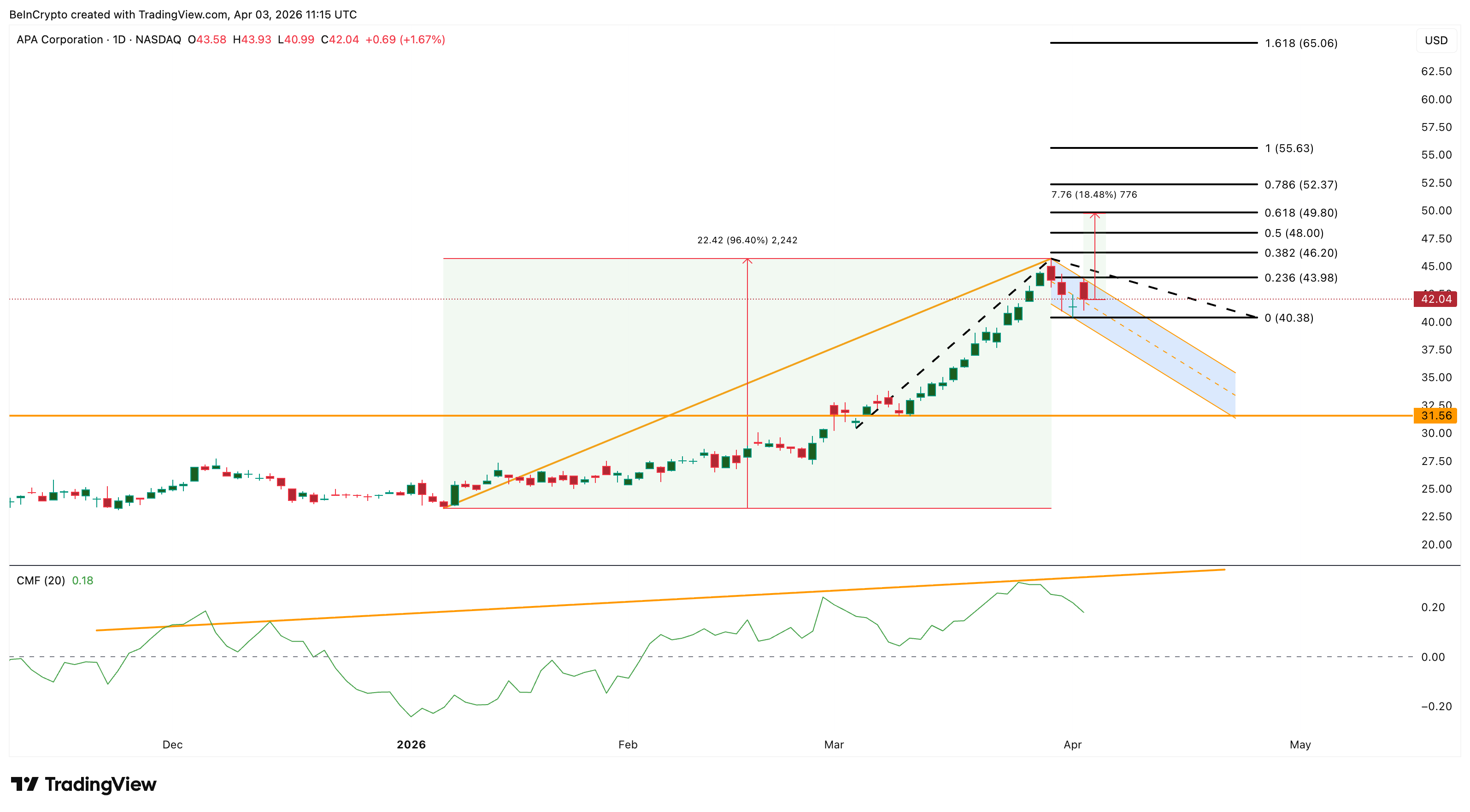
The article shows that the median short position in S&P 500 constituent stocks has climbed to 2.7%, one of the highest levels in nearly a decade. Among all constituent stocks, Strategy has the highest short position at 14% of its market capitalization, followed by Coinbase at 11%. This means that among all companies with a market capitalization exceeding $25 billion in the US stock market, Strategy is the least favored.

From the setbacks of Libra to Diem, Meta's journey into stablecoins came to an abrupt halt due to regulatory and trust crises. Four years later, Zuckerberg is making a comeback, no longer issuing its own token but instead partnering with compliant third parties. Leveraging its ecosystem of over 3 billion users, Meta attempts a more stable entry into the payments market. In a climate of easing regulations and intensifying competition, this "revival" reflects both its ambition in social finance and its multiple challenges. Recommended Article:
Zuckerberg relaunches stablecoins; can Meta win this "revival round" ?
Compared to Libra's attempt to challenge the global financial system in 2019, Meta in 2026 is more stable and compliance-oriented.
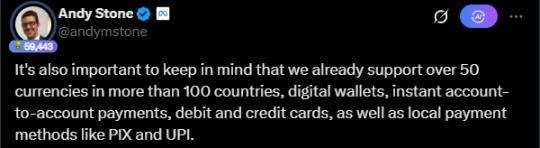
In his response, Meta spokesperson Andy Stone emphasized that Meta currently supports more than 50 currencies and payment methods in over 100 countries/regions, attempting to downplay the special nature of "stablecoins" and package them as an "extension of existing payment infrastructure."
In a bear market, the cryptocurrency market is extremely sensitive, and even the slightest disturbance can trigger a chain reaction of panic. Eric Trump's deletion of a tweet caused WLFI and USD1 to fluctuate wildly in a short period, sparking widespread speculation and uncertainty. The project team denied the allegations by claiming account theft and coordinated attacks, but this failed to quell market skepticism. This farce reflects the collapse of trust in the industry, the extreme paranoia among retail investors, and exposes the vulnerability of crypto assets to public opinion and emotional manipulation. Recommended Article:
WLFI 's FUD farce stems from a sensitive nerve in a bear market .
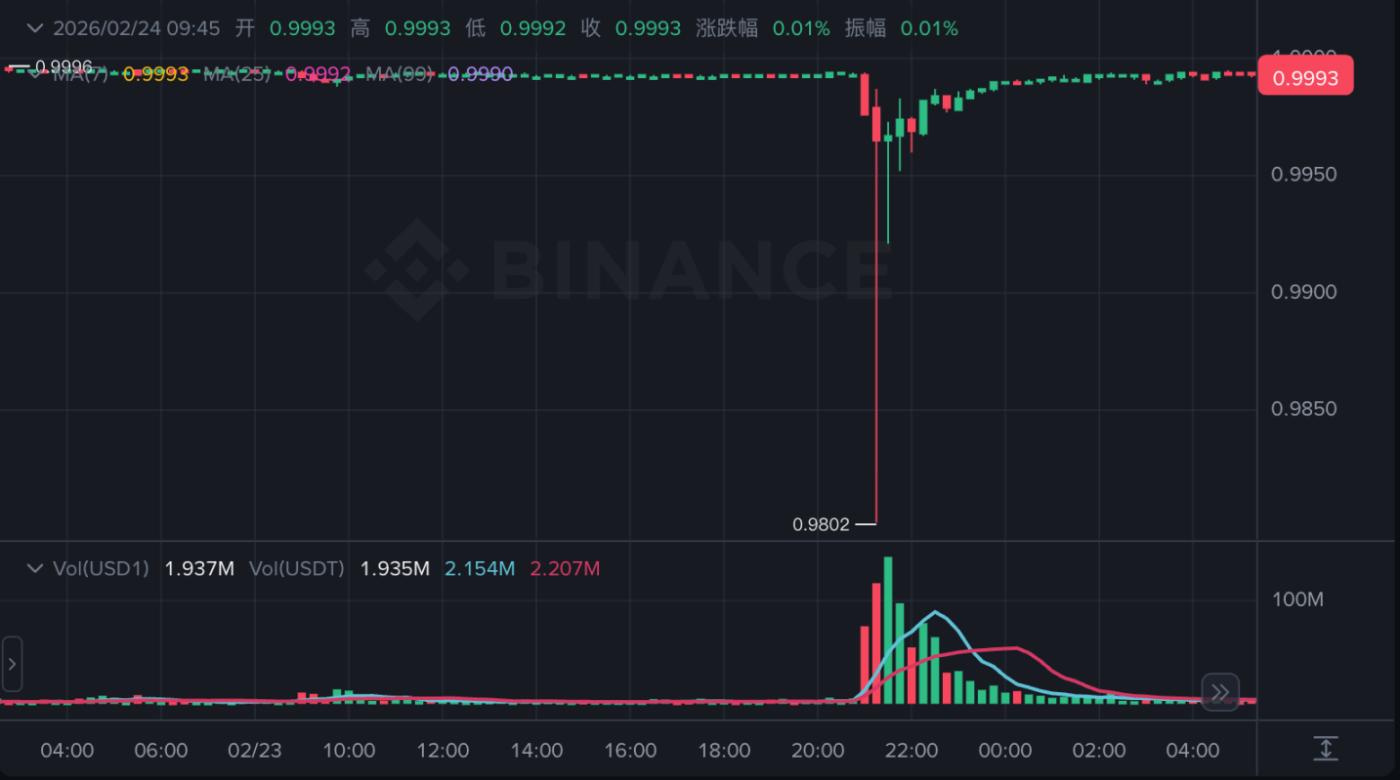
Amid the pessimistic atmosphere of the bear market, speculation surrounding this simple action was amplified. The USD1 to USDT exchange rate on Binance briefly de-pegged to 0.9802, and the price of WLFI also briefly fell by nearly 10%. As of press time, the price fluctuations of USD1 and WLFI have returned to normal.