This event focused on the AI Agent and Intelligent Agent ecosystem within the Web4.0 context, highlighting the critical shift in computing systems from response tools to continuous execution capabilities. Against the backdrop of rapid global AI technology iteration, participants discussed the practical paths to large-scale deployment of intelligent agents from the perspectives of technical architecture, industry collaboration, and ecosystem support, as well as the position of Chinese teams in the new round of industry competition.
Article author and source: ME News
On the evening of March 1, 2026, the "Web4.0 China Tour - Shanghai Station" (OpenClaw Agent Thematic Exchange), jointly supported by Nano Labs, ME Group, Web3Labs, and iPollo, was successfully held and concluded at the Lujiazui Riverside Center in Shanghai. The event focused on the integration of Web4.0, AI Agents, and Web3, with a key discussion on how "active computing" can become a key variable in the next stage of industrial evolution. Several guests from the technology, investment, legal, and industry platform fields analyzed the path of intelligent agents transforming from tools to sustainable actors from different dimensions, and pointed out that Chinese teams are at a critical window of opportunity in the competition for cognitive and integration capabilities.
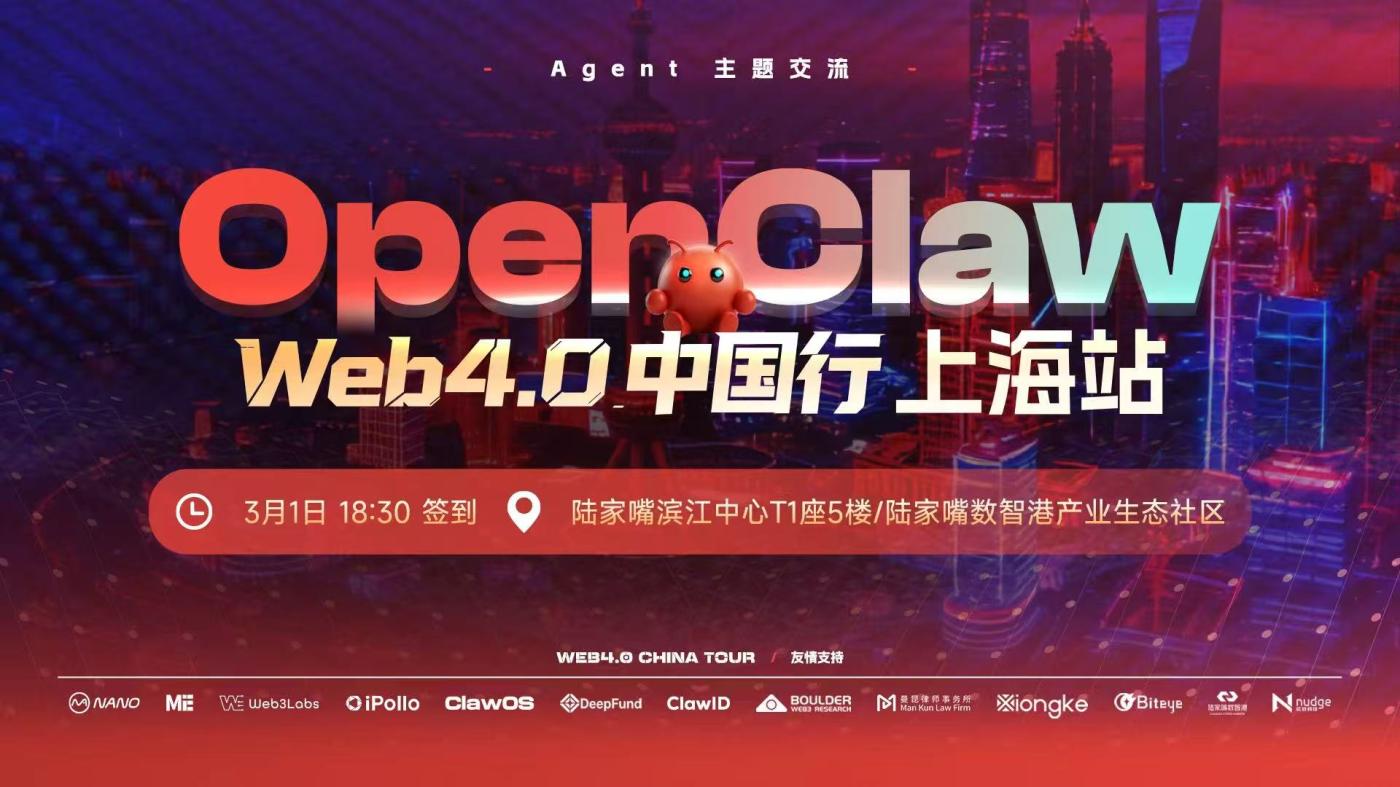
The event, centered on the theme of "OpenClaw," systematically discussed the technical framework, ecosystem collaboration, and industrial application pathways of AI agents. Against the backdrop of the rapid evolution of global AI technology, industry focus is shifting from "the capabilities of large models" to "whether intelligent agents possess the ability to sustain action." The Shanghai event unfolded within this context.
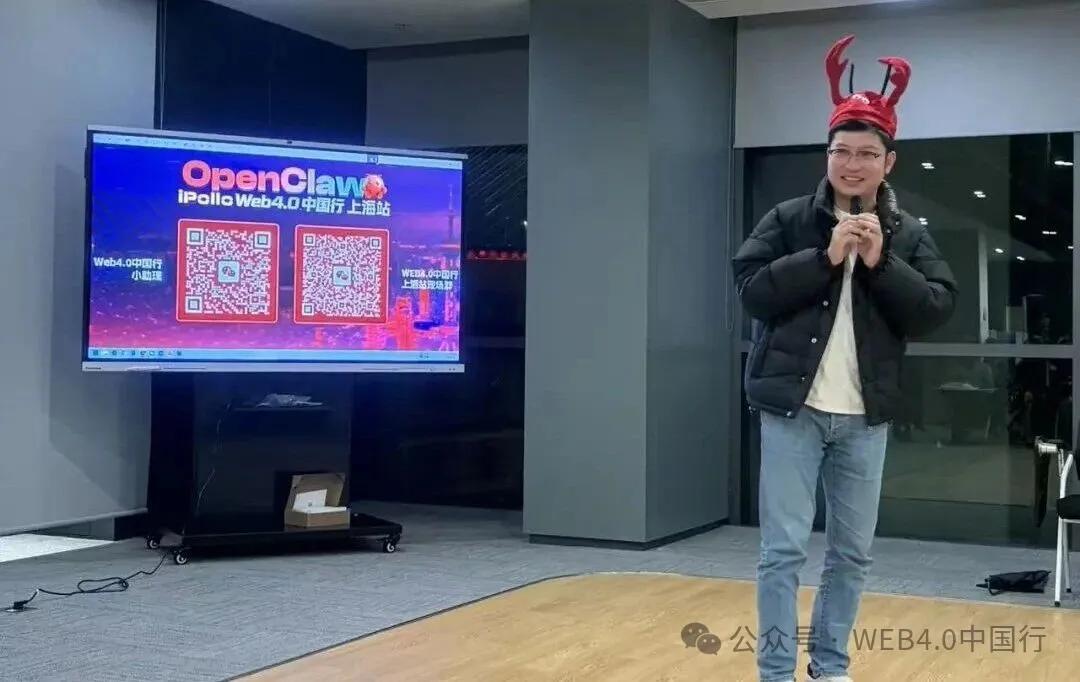
At the event, Kong Jianping, Director of Hong Kong Cyberport and Chairman of Nano Labs, delivered the opening remarks, setting the strategic tone for the Shanghai event. Web4.0 is a new stage of development that has emerged against the backdrop of the accelerated popularization of AI, and its core still revolves around AI applications and the intelligent agent ecosystem.
He emphasized that, looking back at the early stages of the mobile internet and Web3, those teams that truly seized the opportunities were often those that acted first before a consensus was reached. The current pace of AI technology evolution is significantly faster than the previous two cycles. The competition in the first phase of Web4.0 is likely to occur primarily among Chinese teams, a contest of cognitive speed and industry integration capabilities.
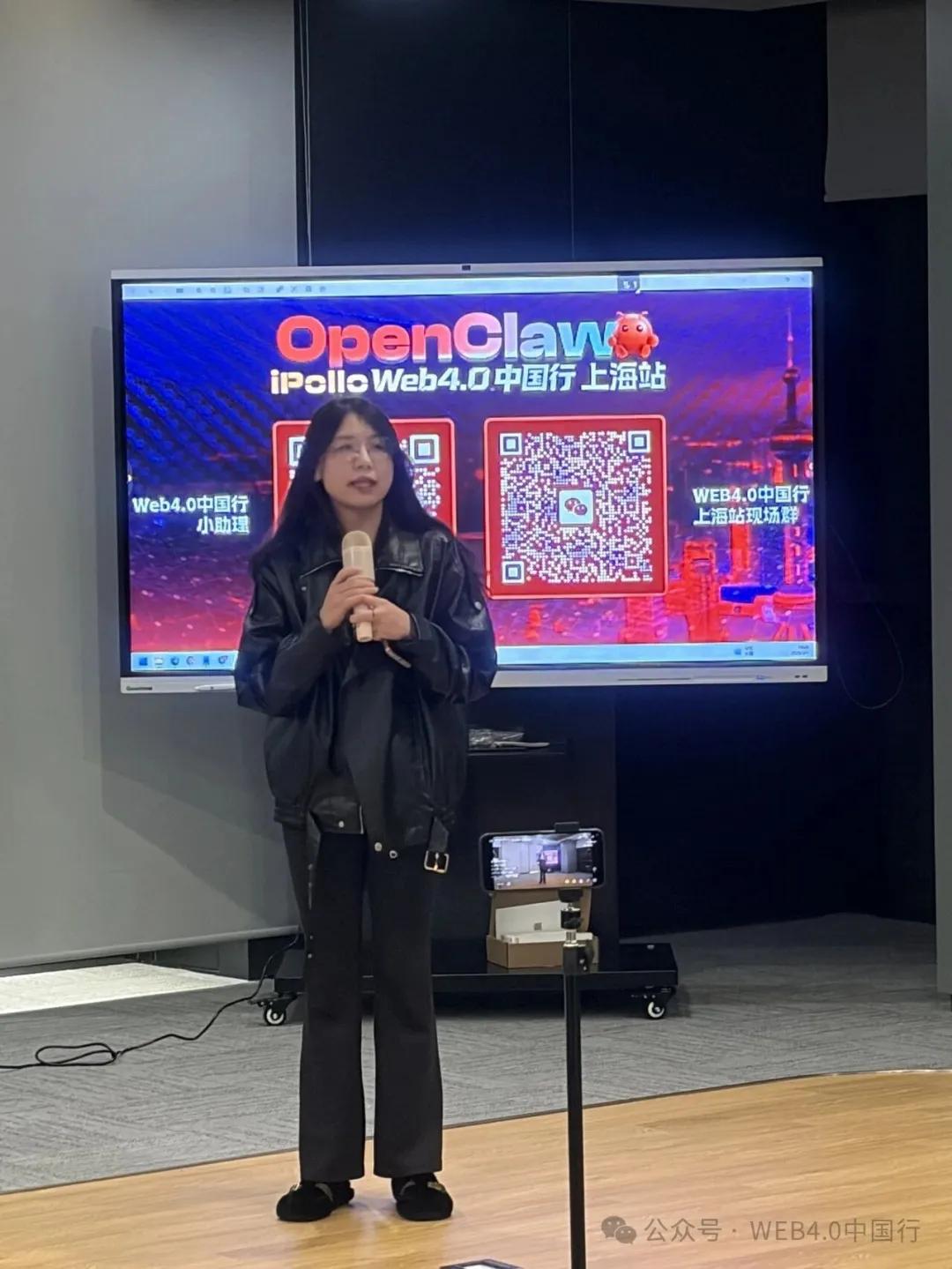
Li Danqing, Deputy General Manager of Lujiazui Digital Port, stated that a new round of technological and industrial revolution is accelerating, with AI reshaping personal production methods and the industrial structure shifting from a platform model to a new system centered on models, interfaces, and intelligent agents. She pointed out that the importance of fundamental elements such as computing power, data, and energy continues to rise, and in the future, it will be necessary to promote innovation in Shanghai and form an open and collaborative digital industrial ecosystem through industrial space, policy support, and the integration of computing resources.
During the thematic discussion centered on Web4.0, representatives from the fields of technology research and development, industrial investment, legal practice, and digital economy research, including Vito, He Qiong, Da Xiong, Zhao Xuan, Teddy, Little Penguin, and Yubei Morgan, participated in the exchange.
The topics covered included the engineering deployment capabilities of intelligent agent systems, the evolution of industry structures driven by models and interfaces, the allocation logic of capital in the agent sector, and the compliance boundary issues faced by independent developers. It also addressed the potential structural impacts of large-scale intelligent agent applications on the macroeconomy and value network structure.
From a technological perspective, the deployment practices and application evolution of OpenClaw serve as important references; from an industry perspective, the reorganization of production units and the amplification of individual capabilities become the core threads running through the discussion.
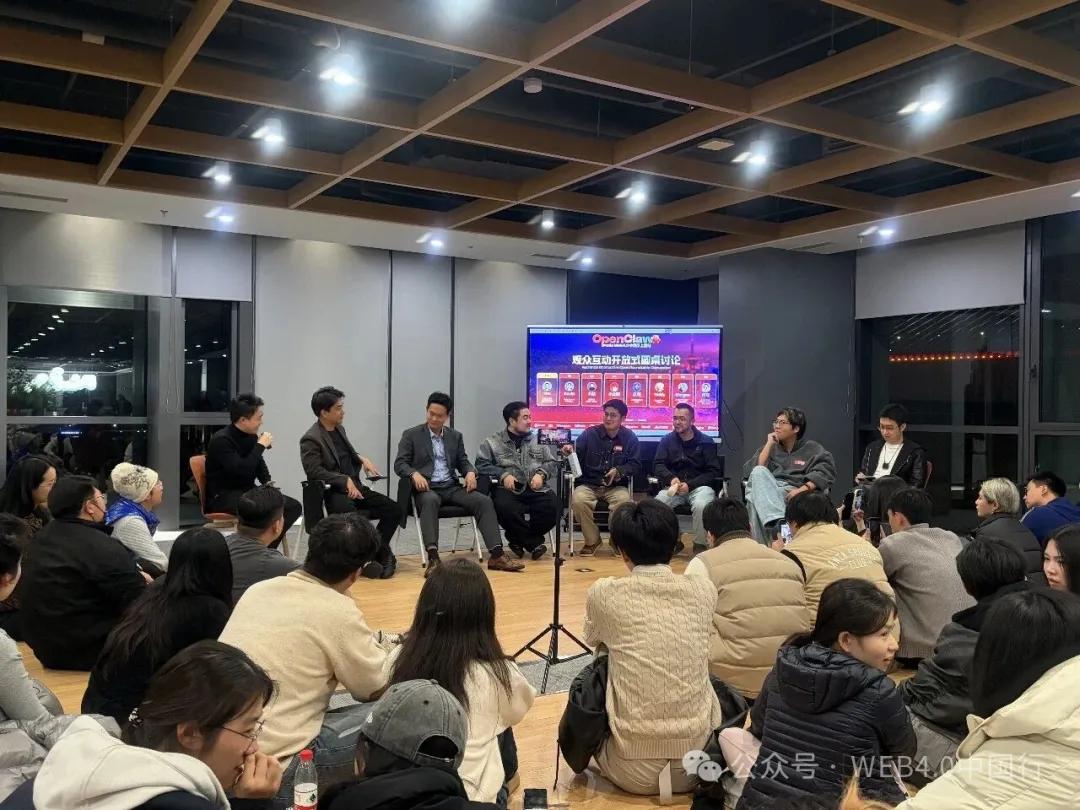
The roundtable discussion, moderated by Vito, featured guests Devin Wang, Da Xiong, Xiao Penguin, Zhao Xuan, Teddy, Morgan Yubei, and He Qiong, who discussed core issues surrounding Web4.0, including its development opportunities, industry challenges, and implementation pathways. The participants shared their practical experience from their respective fields, exchanging views on technological advancement, industry collaboration, and practical constraints, further extending the discussion to the application prospects and realistic considerations of Web4.0 across different dimensions.
In the subsequent open discussion and hands-on guidance session, the audience interacted face-to-face with guests and peers, and experienced the relevant functions of OpenClaw. The exchanges focusing on practical application scenarios and technical practices extended the event from topic discussion to a more concrete interactive level.
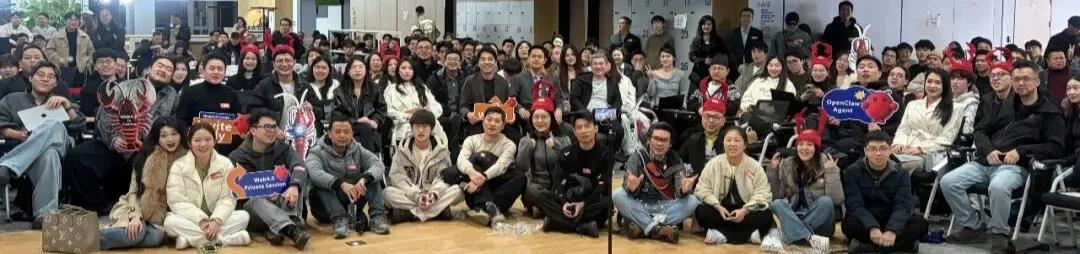
The successful hosting of the Web4.0 China Tour in Shanghai has further promoted systematic discussions on the topic of intelligent agents in core industrial cities. Following Hangzhou, the Shanghai event extended the discussion to the level of industrial collaboration and competitive landscape, and also provided a clearer topic direction for subsequent exchanges in cities such as Beijing, Hong Kong, and Shenzhen.
As computing systems gradually acquire the ability to operate continuously, Web4.0 is moving from a trend assessment to actual implementation. For Chinese teams, this is both a continuation of the technology evolution cycle and an important window for upgrading their capabilities.