Military tensions between the US, Israel, and Iran are creating a new risk to the global economy, at a time when markets have just experienced a period of relative stability.
Previously, despite the Trump administration's controversial policies during its second term, such as widespread import tariffs, pressure on the Federal Reserve (Fed), and controversial geopolitical proposals, the global economy remained stable. Inflation tended to cool, and stock markets in the US, Europe, and many Asian economies continuously reached new highs. However, new developments in the Middle East could change that picture.
The greatest risk: The Strait of Hormuz
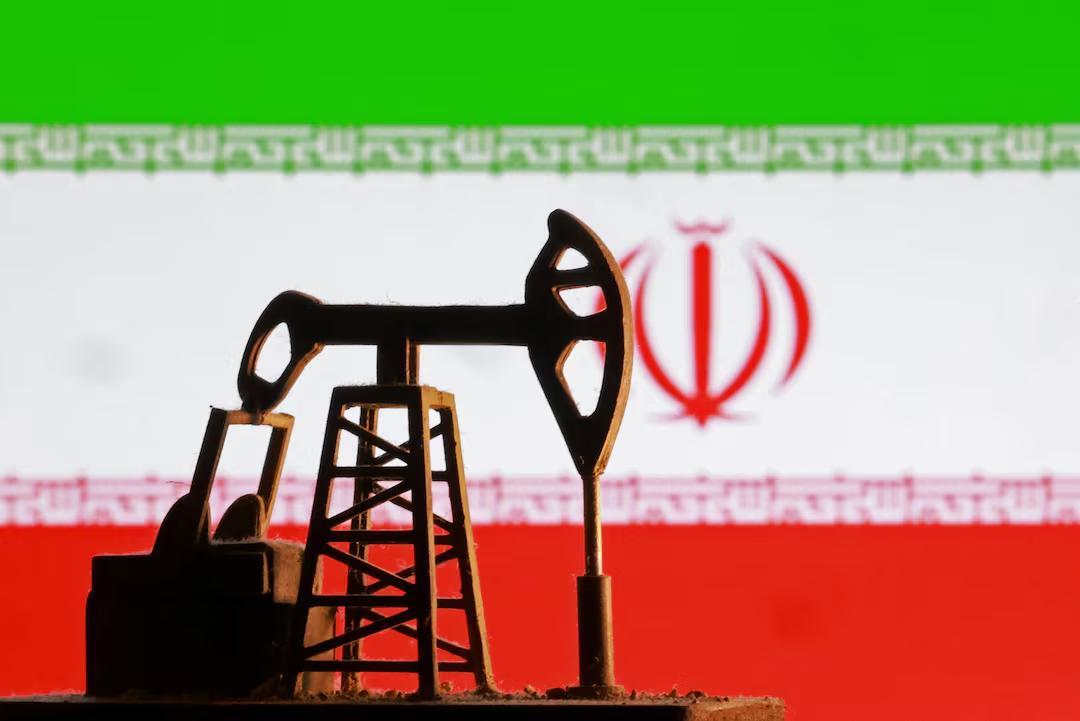
The main concern among analysts right now is the possibility of Iran blockading the Strait of Hormuz – a shipping route for approximately 20% of the world's oil supply. If this scenario unfolds over an extended period, the global energy market would suffer a significant shock.
As soon as the market opened at the start of the week, oil prices surged. WTI crude rose by more than 8% at one point, while Brent crude increased by nearly 9% compared to the end of the previous week. Although the gains later narrowed, the market still reflected concerns about supply disruptions.
According to experts, there are two main scenarios:
Serious scenario
Hormone circulation is disrupted for an extended period. This then occurs:
Oil prices could exceed $100 per barrel.
Gas prices have risen accordingly.
Inflation in the US and Europe is at risk of rising again.
Central banks' plans to lower interest rates may be delayed.
Lighter scenario
Hormuz wasn't completely shut down, but Iran's oil exports declined. At that time:
Oil prices could hover around $80 per barrel.
The impact on the global economy has been more moderate.
Currently, Iran's oil production accounts for less than 3% of global supply, so the extent of the impact will depend on the response of OPEC+ countries increasing production.
How will the US be affected?
Although the US is now almost energy-independent, world oil prices still directly impact domestic fuel costs.
If oil prices rise to $100 per barrel:
Inflation in the US could rise from around 2.4% to over 4%.
The likelihood of the Fed further lowering interest rates has decreased.
Consumer spending may weaken.
Estimates suggest that for every $10 increase in sustained oil prices, U.S. economic growth could decline by 0.1–0.2 percentage points in the following year.
Additionally, the US dollar tends to strengthen during geopolitical shocks, which can put further pressure on emerging economies.
Impact on Asia and Europe
Asia is a region at high risk due to its heavy reliance on oil from the Gulf region. Approximately over 80% of the oil and liquefied natural gas (LNG) that passes through the Hormuz ends up in countries such as China, India, Japan, and South Korea.
If oil prices rise to $100 per barrel, global inflation could increase by an additional 0.6–0.7%.
In Europe, rising energy prices will put pressure on growth. However, given that inflation in the eurozone is currently low, the European Central Bank may not need to adjust its policy immediately.
Meanwhile, the Bank of England may face a more difficult decision due to internal Chia over the direction of interest rates.
Market sentiment and risk spread
The conflict is unfolding at a time when global financial markets are already sensitive to a number of other factors such as tariffs, credit risk, and the impact of AI on businesses.
If energy prices rise sharply and for an extended period:
Investor confidence may decline.
Businesses are cutting back on investment.
The financial markets are more volatile.
However, some experts argue that the global economy has recently demonstrated good resilience to geopolitical shocks.
Summary
The impact of a US-Iran conflict will depend primarily on developments in the Strait of Hormuz and the level of escalation of military tensions.
If oil supplies are severely disrupted, the global economy could face renewed high inflation and slower growth. Conversely, if the conflict is contained and energy markets stabilize, the impact may be short-term.
Currently, the deciding factor lies not in the fighting itself, but in the reaction of the global energy market and monetary policy.