When someone reaches the top in a certain field, it's often not because they caught a trend, but because they inherently possess the ability to succeed.
These skills are transferable. So we can see a very interesting phenomenon: the smartest, most radical, and most restless people in the crypto industry over the past few years are now frequently appearing in the world of AI.
Some people are writing lengthy macro articles that influence Silicon Valley's judgments, some are leading strategic decisions at top AI companies, and some are building the infrastructure that developers use every day.
Although many who have moved on are reluctant to mention encryption anymore, it is undeniable that encryption is like a training camp, cultivating batches of people with judgment, risk acumen, and an extraordinary sensitivity to "power structures," and is reshaping another industry.
Alex Atallah
If you've done AI development, you've most likely used or heard of OpenRouter. It's a unified API that connects to hundreds of large models, from the GPT series to Claude, Llama, and various open-source models. You can use whichever one you want.
Its emergence solved a very real problem: by 2026, the model layer was iterating too fast, and each company's interface standards were different. Developers could get stressed just by worrying about "which model to connect to".
The founder of OpenRouter is Alex Atallah.
Before AI, he had a more well-known identity as the co-founder and CTO of OpenSea.
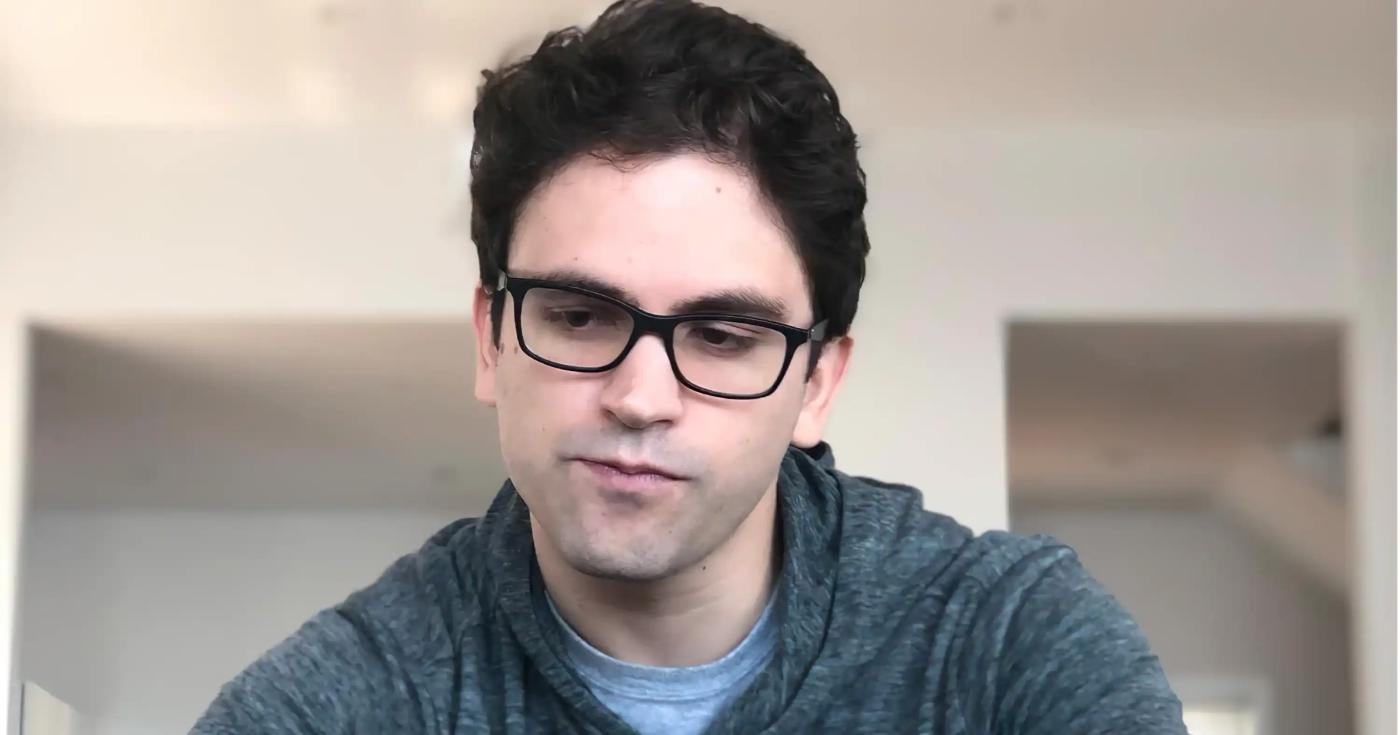
Before dominating the AI infrastructure race, Alex had already established a name for himself in the tech world. As one of the few products in the crypto industry to break out of its niche, OpenSea has transformed the NFT market from a fringe concept into a multi-billion dollar platform.
From OpenSea to OpenRouter, he has shifted his integration mindset from the crypto industry to AI. He realized that models in the AI era, much like tokens or protocols in the Web3 era, will inevitably undergo a process of consolidation from chaos. Currently, he is leveraging his experience in high-concurrency processing accumulated in the crypto and his deep understanding of decentralized distribution to build OpenRouter into the underlying "app store" for the AI era.
Kris Marszalek
In 2025, someone spent $70 million to buy the domain name AI.com.
This person is Kris Marszalek, co-founder and CEO of Crypto.com.
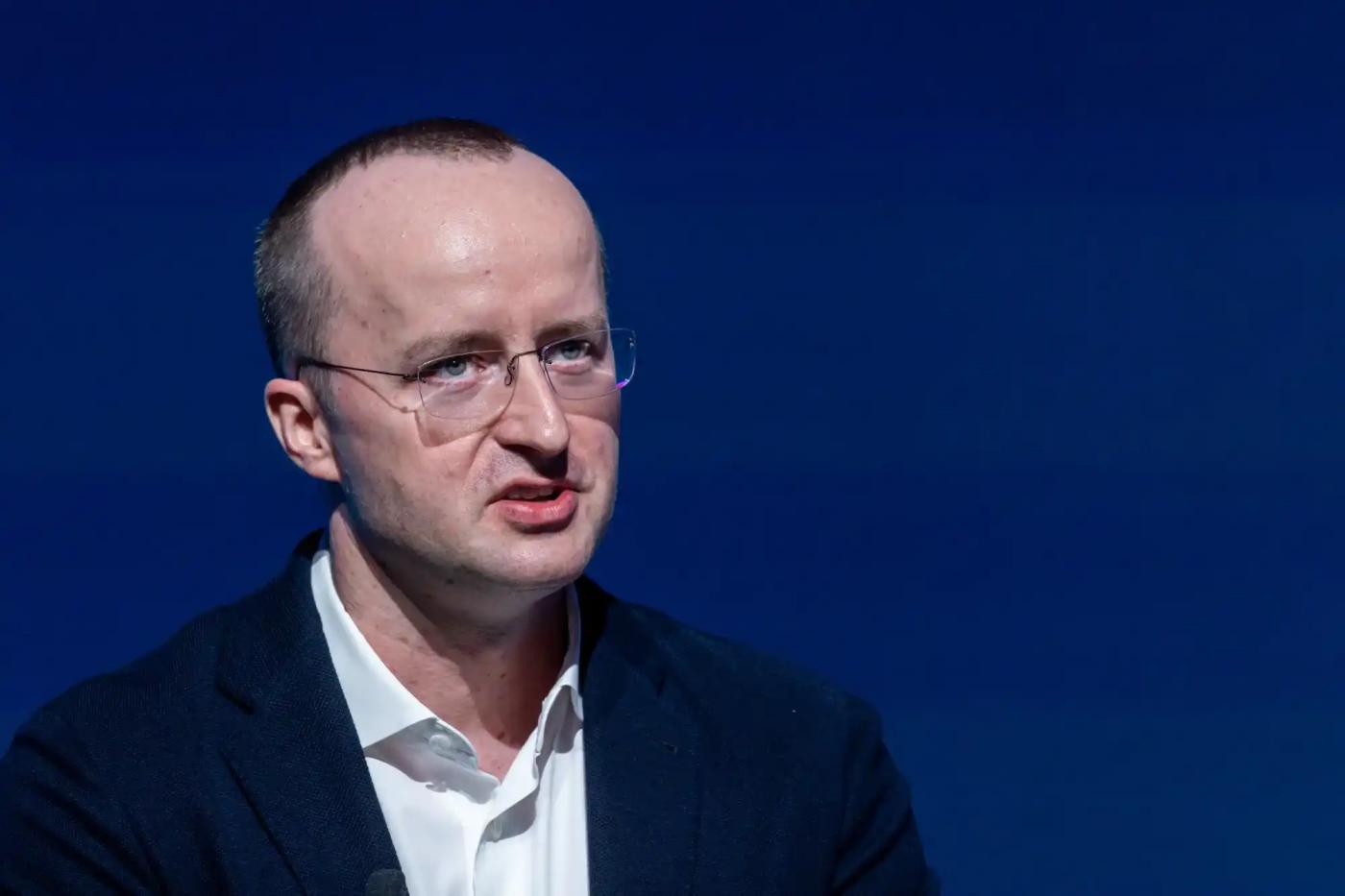
In the crypto, Kris is most famous for renaming the Staples Center in Los Angeles as the Crypto.com Arena, and for the Super Bowl ad that made countless people remember the name "Crypto.com".
After acquiring AI.com, he plans to turn the domain into an AI Agent integration platform. He aims to move beyond simply using AI in chat windows and transform it into a "digital employee" capable of booking tickets, managing finances, and even handling complex workflows for users.
Leopold Aschenbrenner
If you've been in the AI industry for a while, you've probably heard of this name: a guy who graduated from Columbia University at the age of 19, was later fired by OpenAI, and then turned around to manage a multi-billion dollar fund.

As one of the most controversial and talented young talents in the contemporary AI field, Leopold Aschenbrenner has become a top AI macro strategist and investment tycoon in Silicon Valley. He currently manages the multi-billion dollar investment fund Situational Awareness LP, which focuses on the underlying core supporting the AGI process: power infrastructure, cutting-edge semiconductors, and massive computing power centers.
Many people first became aware of him through his famous 165-page article, "Situational Awareness," which predicted the arrival of AGI around 2027. He is not only a core member of OpenAI's former "Super Alignment" team, but also a key lobbyist currently pushing the United States to elevate AI research and development to the level of the "Manhattan Project." He is widely recognized as one of the few prophets capable of seeing through the black box of large-scale model evolution.
Interestingly, Leopold's starting point was not AI, but encryption.
Around 2022, at the age of 19, after graduating from Columbia University, he joined the FTX Future Fund, which was then established by Sam Bankman-Fried (SBF), the founder of the cryptocurrency exchange FTX. In this fund with a strong "Effective Altruism" (EA) approach, Leopold was not researching secondary market speculation in the crypto, but was responsible for assessing how to use crypto wealth to mitigate existential risks to humanity.
It was this experience working at a top think tank in the crypto that allowed him to get early access to in-depth research on artificial intelligence risk and taught him how to think about the ultimate direction of technology in the context of large-scale capital flows.
Avital Balwit
In addition to Leopold Aschenbrenner, Avital Balwit, a former senior associate at FTX Future Fund, has also entered the AI industry, becoming a core decision-maker at Anthropic, one of the world's most watched AI startups.
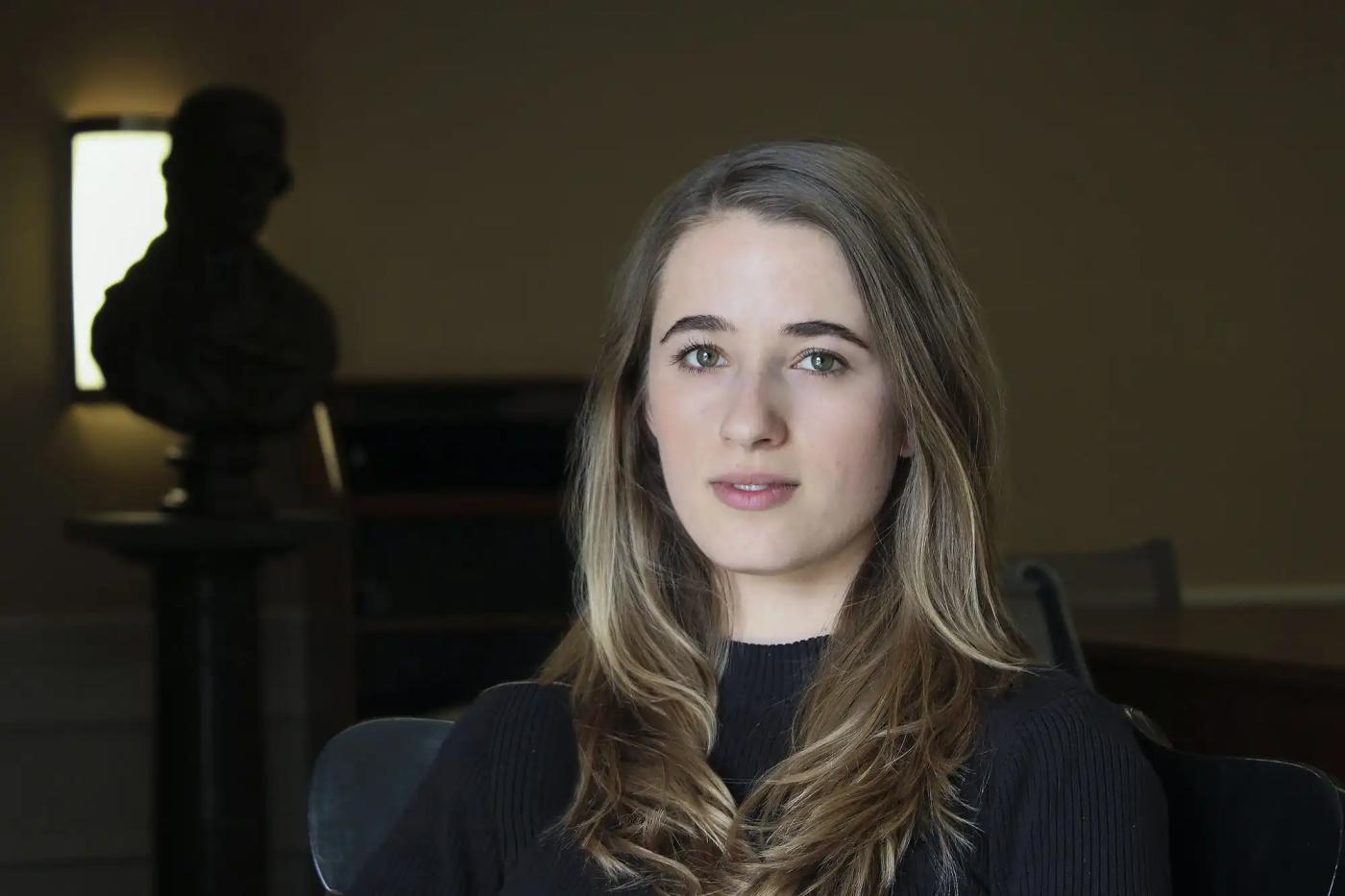
Avital Balwit currently serves as the Chief of Staff to Anthropic CEO Dario Amodei. Her role involves participating in top-level strategic decisions and coordinating resources in the model race between Anthropic and OpenAI. After all, Anthropic's star product, Claude, is steadily catching up with ChatGPT.
Avital Balwit is best known in the AI community not entirely for her job title, but for her writings. She has seriously discussed "where does the sense of meaning for humanity come from in the post-work era," profoundly shaping Silicon Valley's thinking on the social structure after the widespread adoption of AGI, thus becoming one of the most influential cultural commentators in the AI era.
Previously, in a lab funded by cryptocurrency giant SBF, she was responsible for screening and evaluating projects that could withstand the survival risks, biosafety, and long-term governance challenges posed by AI. Anthropic was one of their investments in the FTX Future Fund at the time, with SBF investing $580 million in the AI project in 2023.
In addition, Avital’s recent views on “UBI (Universal Basic Income) in the AI era” are very unique, which largely benefited from her earlier research on decentralized distribution in the Web3 field.
Emad Mostaque
Many people first became acquainted with Emad through Stable Diffusion.
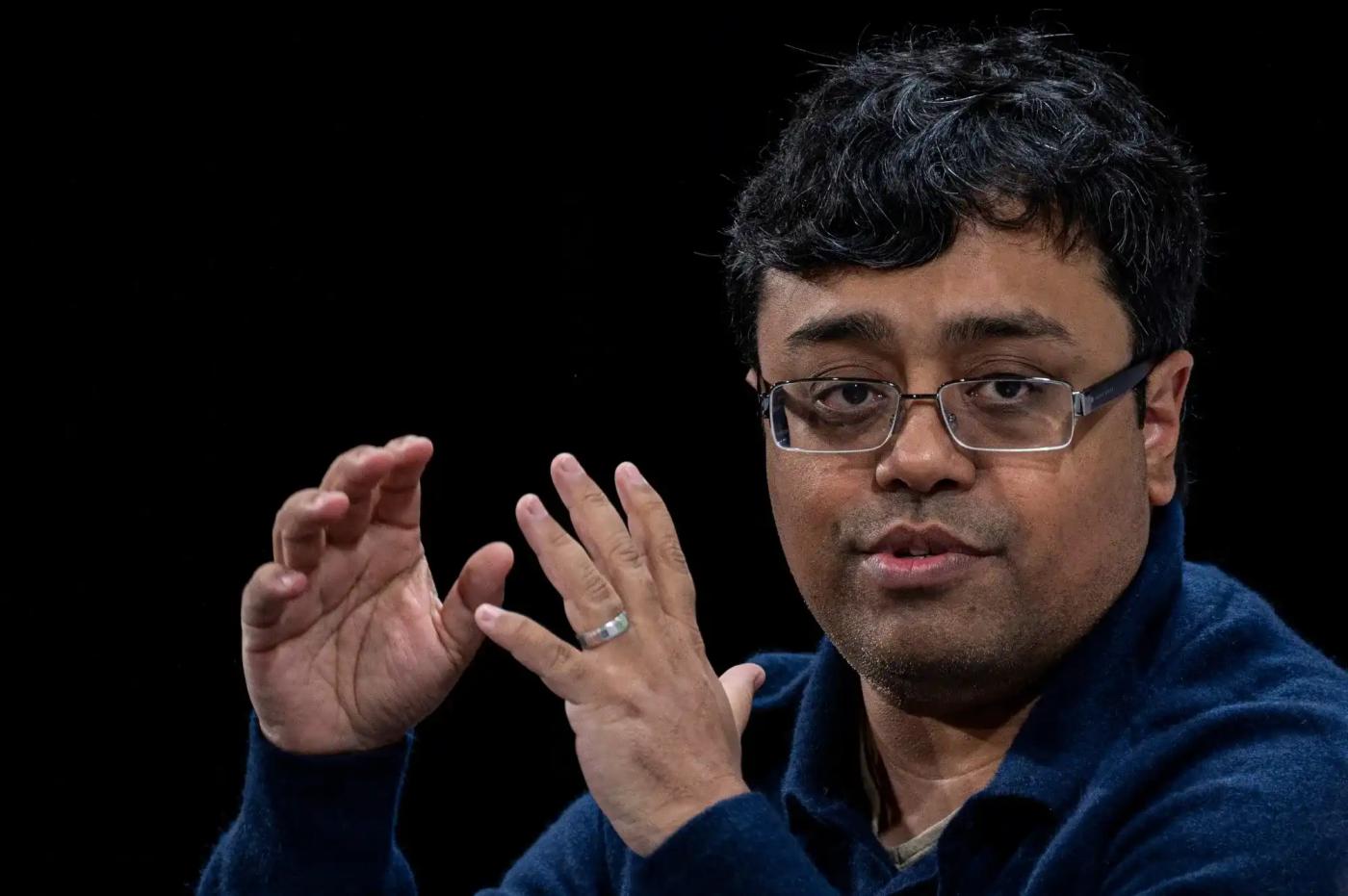
But Emad's career actually began in finance. He started managing his own hedge fund at the age of 23, and later served as co-chief investment officer at Capricorn Long/Short EM, focusing on emerging market strategies. In 2017, the fund he led won the Emerging Market Risk-Adjusted Hedge Fund of the Year award. From 2005 to 2020, he spent a full fifteen years in the global macro hedge fund field, studying "systemic megatrends," such as the long-term impact of economic cycles, policy changes, and technological disruption on asset prices.
In 2013, he began to explore Bitcoin and Ethereum, entering the market as an investor and participating in many early-stage crypto projects as an angel investor.
In 2019, Emad worked on a project called Symmitree, which aimed to use blockchain technology to lower the barriers for impoverished people to access digital technology. The project essentially shut down after only about a year because he encountered a major problem: various centralized institutions, hospitals, governments, and technology companies were unwilling to share their data and models, even in the face of a global public health crisis.
Emad later said that this experience solidified his belief that centralization is not an efficiency issue, but a structural one. No one will voluntarily relinquish control over data and computing power unless the mechanism forces them to cooperate. So, in 2020, Emad founded Stability AI. He believes that AI shouldn't be the exclusive toy of a few labs; models should be open-source, the training process should be transparent, and anyone should be able to build their own on it.
In 2022, Stable Diffusion was released, marking the first time that an open-source image generation model truly breached the moat of commercial closed-source models. During that period, Stability AI's valuation soared to the billion-dollar level, and Emad himself became a landmark figure in the open-source AI movement.
However, internal problems were also accumulating at the same time. Controversies surrounding his management style, questions about the mismatch between the rate of cash burn and revenue, and the departure of several core researchers... In early 2024, he left Stability AI amidst controversy.