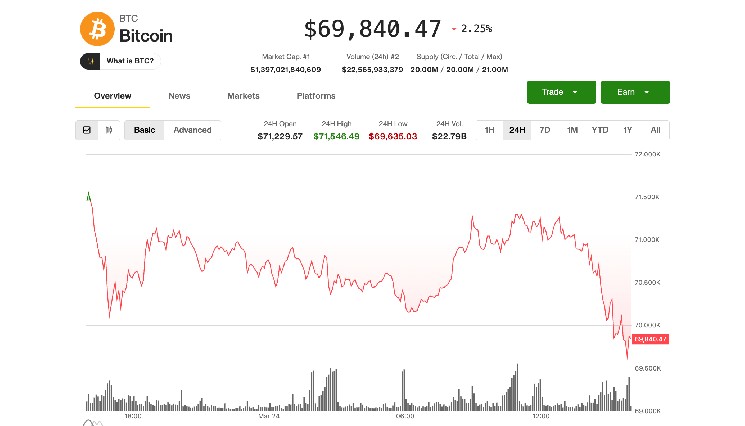
The SEC designates 18 Token as “digital commodities”: A legal turning point that could reshape the crypto market.
A new picture: Crypto is no longer automatically considered a "securities"
The U.S. Securities and Exchange Commission (SEC) , in conjunction with the Commodity Futures Trading Commission (CFTC) , has just made a landmark move: classifying 18 major crypto Token as “digital commodities” rather than securities.
This is part of a new digital asset classification framework that Chia crypto into five main categories:
- Digital commodities
- Digital securities
- Stablecoins
- Digital collectibles (Non-Fungible Token, meme coin)
- Digital tools
The key point: only "digital securities" are subject to the strict oversight of US securities laws .
18 Token vindicated: Familiar names
The SEC has identified several top crypto assets as digital commodities, including:
- Bitcoin (BTC)
- Ethereum (ETH)
- Solana (SOL)
- Cardano (ADA)
- XRP
- Dogecoin (Doge)
- Avalanche (AVAX)
- Polkadot (DOT)
- Chainlink (LINK)
- Litecoin (LTC)
- Hedera (HBAR)
- Shiba Inu (SHIB)
- Stellar (XLM)
- Tezos (XTZ)
- Aptos (APT)
- Bitcoin Cash (BCH)
…and several other Token in the expanding list.
Removing these Token from the category of "securities" represents a major shift from the previous period, when the SEC frequently sued projects for violating securities laws.
What has changed in the market?
1. Reduce legal pressure on the entire industry.
This classification helps to:
- Eliminate the risk of being sued for "illegal securities sales".
- Reduce project compliance costs.
- Creating a clearer environment for crypto startups.
This move is expected to attract more institutional Capital thanks to a more transparent legal framework.
2. The CFTC will Vai a larger role.
When Token are classified as "commodities," oversight will shift to the CFTC – an agency that generally takes a more lenient approach than the SEC.
This could:
- Boosting the crypto derivatives market
- Increase liquidation
- Paving the way for new financial products.
3. DeFi, Staking , and mining are "unleashed."
The new guidelines also clarify:
- Staking is not automatically considered a security.
- Mining and Airdrop do not automatically violate the law.
This is extremely important for ecosystems like Ethereum or Solana, where Staking is a core mechanism.
But it's not "absolutely bullish."
Despite the positive long-term outlook, the market reacted rather neutrally. The reason:
- This is just a guideline (interpretation), not official law.
- The US Congress has yet to pass key crypto bills.
- Policies can change depending on a political term.
In addition, the SEC also emphasized that:
Even though a Token is a commodity, it can still be considered a security if it is marketed as a profitable investment.
Trader's perspective: A major narrative is forming.
This move opens up some noteworthy narratives:
 "Commodity narrative"
Large layer-1 coins may be revalued as follows:
- Digital gold (BTC)
- Digital infrastructure (ETH, SOL)
Institutional acceptance
A clear legal framework leads to the strong growth of ETFs, derivatives, and custody services.
Tokenization & TradFi convergence
Simultaneously, the trend of asset Tokenize and integration with traditional finance is accelerating:
- Securities
- on-chain settlement
Crypto and TradFi are converging faster than ever before.
The SEC's designation of 18 Token as digital commodities is not just a technical change—it represents a reversal in the thinking behind crypto regulation in the US .
- From “enforcement-first” → “framework-first”
- From viewing crypto as a risk → to viewing it as a new financial infrastructure.
If this trend continues, the crypto market could enter a new growth cycle based on regulatory clarity and institutional capital .
Follow CoinMoi to stay updated on the hottest issues in the crypto market. Okay!!
The article SEC identifies 18 Token as digital goods: Is crypto entering a new legal era? first appeared on CoinMoi .