Creating a perfect game is a daunting task, and I decided to make a fundamental exposition. The perfect game doesn't exist because there are too many different markets and different players to build a formula that pleases everyone. But taking these different factors together, we may be close to perfection.
Core Principles of a Great Game
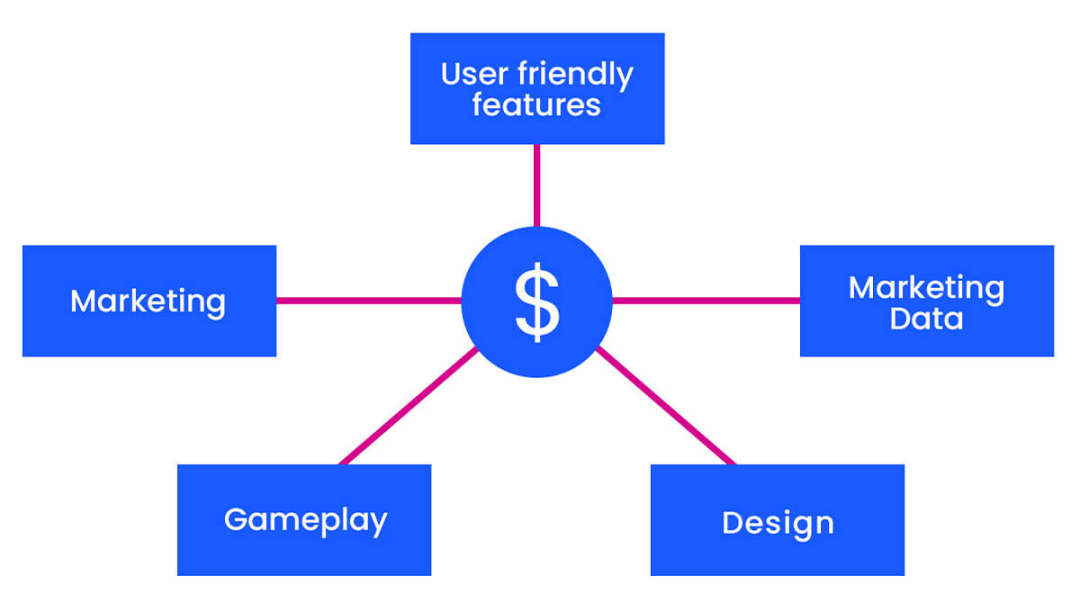
The core principles of our formula should include:
- how to play
- market data
- marketing
- User Friendly Features
- design
Gameplay, user-friendly functionality, and design can all be lumped together ("game design"), but I've decided to keep them separate because we're talking about a hypothetical situation where we're piecing together some puzzles and coming up with ideas for game design. The key part of the early stage. The purpose of this section is to show that there are many avenues for game creation adventures, but there is always one that they can bring into their digital world.
From the perspective of software sales market data, a perfect answer includes: Minecraft and GTA V, plus Tetris, Wii Sports, Super Mario and PUGB. Analyzing arcade games in terms of gross revenue, the conclusion is a combination of Space Invaders Pac-man and Street Fighter II. The perfect mobile game? Honor of Kings, Puzzle & Dragons, PUBG Mobile and Clash of Clans and Candy Crush Saga. It sounds pretty crazy, and some of these wild mixes look like fun, but imagine playing them.
Let's take a step back and look at what elements we can take and use from some games, from a gamer's point of view. Looking through the "best of.." lists (whether it's top sellers or highest concurrent players), we can see that they share the following attributes and characteristics:
- world building
- compete
- exploration
- cooperate
- creative factor
- Stimulus (has a mathematical equation )
The results point to sandbox-type games that incorporate elements of adventure, action, and social simulation. Another reason is also obvious: cost.
Sandbox-type games and simulations can be less expensive and require smaller teams to develop them (as the success of Minecraft or Terraria has shown). Additionally, product development and adding new content can take years or decades. They also serve as digital playgrounds for players, something Nintendo has found huge success in with some of its sims, Animal Crossing: New Horizons.
One might scratch their head and say that the same argument applies to role-playing video games (cRPGs). They have constant content delivery, updates, focus on experience and story; but they are missing one important aspect: social interaction in games. It's taken out of the game and formed into a collective experience outside of the game, on social media, reddit forums or Discord channels. Caves of Qud , which has been in development since 2007 (the developers promised a full release in 2023!), is a good example. A sci-fi RPG, single player, with tons of content, modding options and amazing character development options, but no in-game socialization. Many cRPGs share the CoQ path, so if we want to find the perfect game formula, we have to look further than complex cRPGs.
Games that unleash the creativity of the player have the most potential to be one of the more immersive experiences we tend to bring our friends into or meet new humans. Social, cooperative, and creative factors are fundamental to success in Fortnite or Roblox (yes, I believe you can unleash your creativity in Fortnite, and not just by showing innovative ways to kill other players ). Social sims have helped many people weather the pandemic, with games like Animal Crossing seeing sales soar and showing many people the concept of digital playgrounds, in-game social interaction, and creativity they never knew existed.
But even though Animal Crossing comes close to being an example of our ideal game, it misses some key points, such as a lack of sandbox factors and freedom in asset distribution. Why this doesn't matter, if we look at market data or the number of players playing a given game at the same time (tetris, PUGB or Wii Sports definitely don't check those boxes), a large percentage of games will depend on these factors
Having said that, for our ideal game, we could test some hypothetical content distribution models.
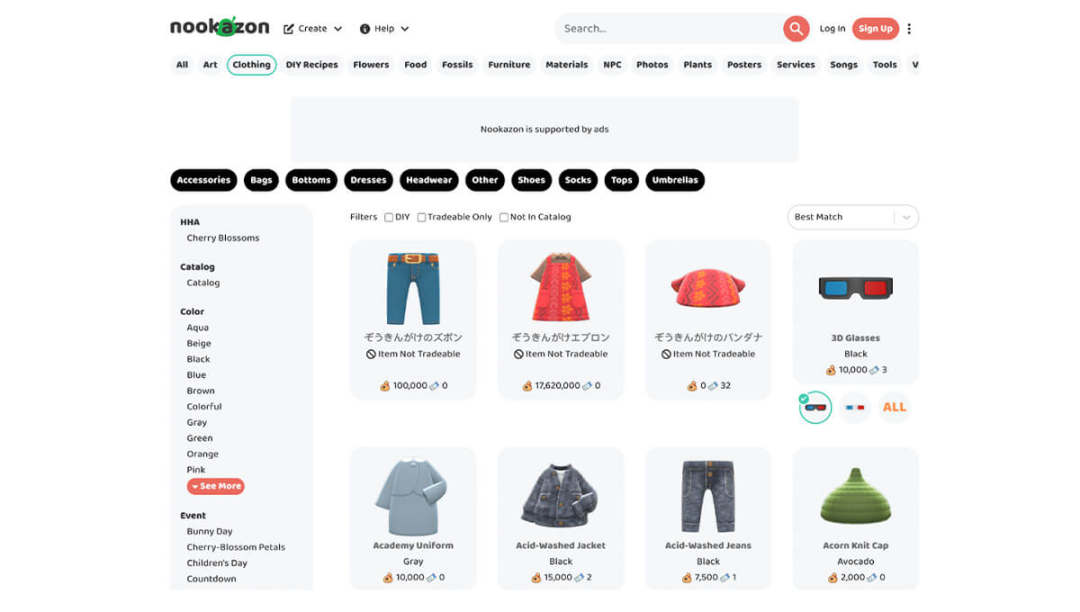
While Nintendo, Epic, or Blizzard forbid the resale of their in-game assets, players have found a niche and circumvented this by creating marketplaces, ads, and webpages as places to sell content, while others operate The gray (or even black) area of content distribution. Pages like Nookazon or PlayerAuctions were created to meet a market need: liquidity of assets and desire of players to make money. Additionally, some players want a return on investment (in this case time and money) so they can move on to the next game.
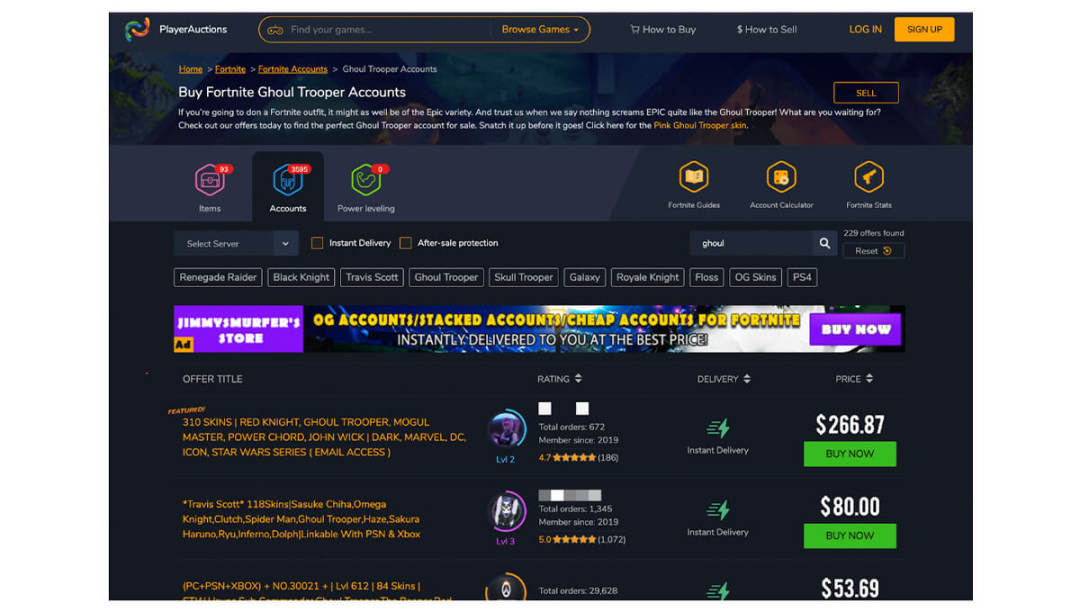
As blockchain game models such as "play and earn" become more and more popular, solutions to player problems are within reach, but companies need to be more open about their game ecosystems. For Triple A game companies like Epic, this will mean huge economic changes, and they will no longer see sales figures like $50 million from a single set of skins.
NFTs offer entirely new opportunities for creators and resellers. Developers can include a mandatory percentage (should not exceed 10%) cuts on in-game items so that they can make money even if the item leaves the main market and circulates in the secondary market. Brand partnerships will also be made simpler by having automated payments written into smart contracts (a problem that may arise in the virtual world, but is easier to track in the digital world than in real life).
Another picture comes to mind if our games have interoperable assets (which is a song of the distant future for the current state of game development, but companies like Fragnova are working hard on that) Medium: User-generated assets will serve as content to fuel not only our perfect game, but the Open Metaverse itself.
Assuming a game is free to play and the developer's revenue comes from item sales, if user-generated assets sell more than developer-created items, then the game economy is not sustainable. For big game developers, it means death. For indies, this could mean a pivot or window of opportunity, and experimentation with game and asset economics. The creators of a game called Time Riders have already started experimenting with the idea, and even said they would promote user-generated levels and NFTs in their game. So imagine a game created by a small development team without the "perfect game" formula, but with extra areas bought or given away as NFTs. Imagine being an early adopter of a game and getting all the Steam achievements; afterward, specific NFTs are AirDrop into your wallet as keys or tickets to other content. Or you can link your account and use your assets from another game there. What's more, if you sell it, the game developer gets their share of the profit. World building games with extensive content are great for in-game economies. But it's important not to get lost in the money side of the game and to have a fun and challenging experience. Money aside, the game itself should be an enjoyable experience. Co-op mechanics, well-mapped controls, world and lore design, it all can ruin a game or make it the best game ever made.
The 21st century is the perfect age for video game fans, with a huge catalog to choose from, great games coming out every month, and the option to bring parts of your reality (like your friends) into the game world. From a game developer's perspective, it's either picking from various formulas and mixing them up into something new with a familiar vibe, or risking everything to enter a niche filled with unknowns. The game has so many avenues you can think about: immersive single-player adventures, corners filled with puzzles, engaging co-op play. At Outlier Ventures, we take the open metaverse path, focusing on openness and seamless distribution, which is a great platform for testing sandbox and simulation games. When creating an ideal game title, my educated guess would be to move to a sandbox/sim mode, designed to immerse, replace some of our social media, to fully open and decentralize the digital asset market, and inspire user creativity force. I can't wait to see and experience what the next generation of builders will create!