
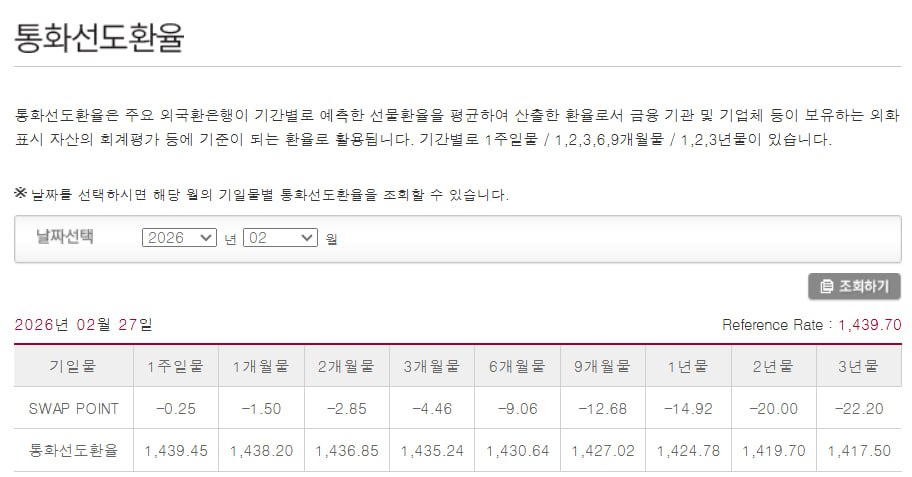
Basis cited by the incoming Bank of Korea Governor 1. Foreign Exchange Reserves - Reserves are continuously increasing; after declining from 2021 to 2024, they rebounded in 2025. - It is true that there is ample reserves. 2. Supply of Dollar Funds due to FX Swap Inflows - The negative values shown in the table as of the end of February support the smooth inflow and supply of foreign dollar funds into the domestic financial market. ※ Meaning of Swap Rate ◽️ Plus: When the swap rate is positive, it indicates a situation where the forward exchange rate is higher than the spot exchange rate, meaning that the cost of raising dollar funds is increasing. ◽️Negative: When the swap rate is negative, it indicates a situation where the forward exchange rate is lower than the spot rate, meaning there is a cost involved in selling dollars at an exchange rate lower than the dollar. 3. Korea's CDS at Very Low Levels 🙂💥💥💥💥💥💥💥💥💥💥💥💥💥💥 However, the Korean economy is highly dependent on external factors, spending over 40% of total income on imports. If such high exchange rates persist, the resulting rise in import prices (increased unit costs of raw materials) will shift the burden to consumers, driving up inflation and potentially pulling the lifeline off the already dying domestic economy. I don't understand why the Bank of Korea, where only total elites work, keeps talking about this so lightly and saying there is no need to worry and everything is fine. You should be wary of what needs to be guarded against, you bitches.
This article is machine translated
Show original
Sector:

Telegram
Disclaimer: The content above is only the author's opinion which does not represent any position of Followin, and is not intended as, and shall not be understood or construed as, investment advice from Followin.
Like
Add to Favorites
Comments
Share
Relevant content