Author: Gu Yu, ChainCatcher
Last week's backpacking backfired spectacularly, and today another decentralized perpetual contract trading protocol, edgeX, is facing a massive wave of criticism.
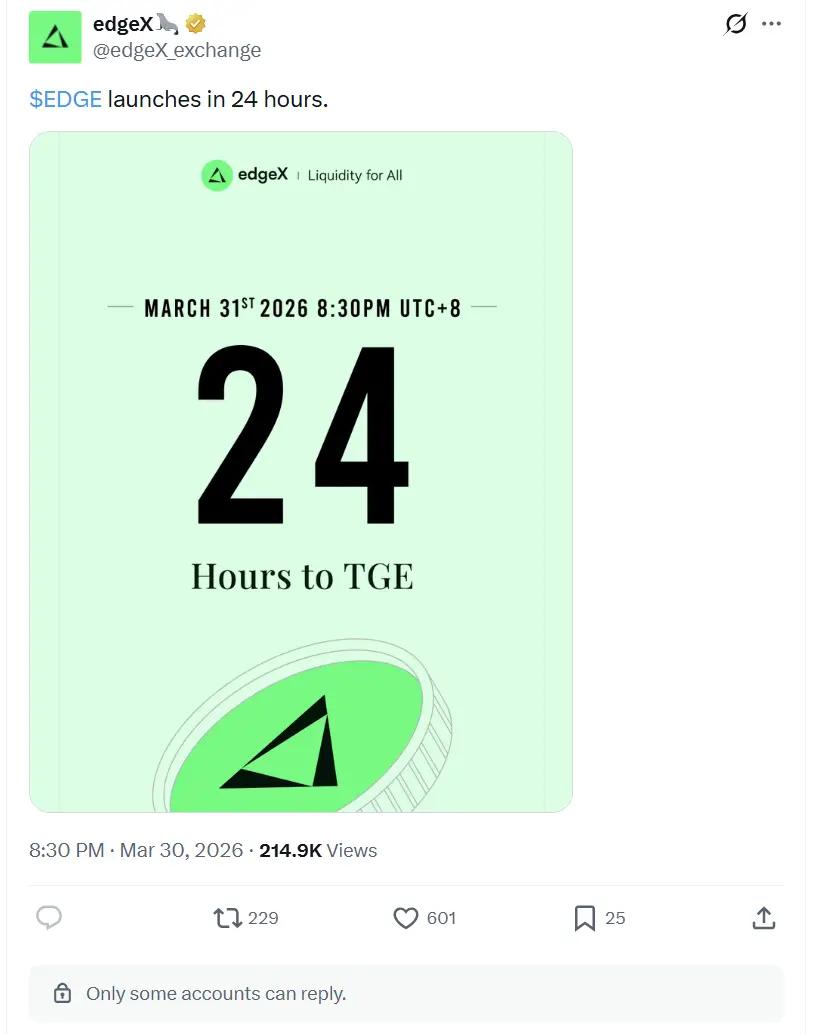
This morning, edgeX officially announced the website for viewing and claiming its token airdrop, and plans to list it on exchanges tonight. As a project incubated by Amber Group and strategically invested in by Circle Ventures this year, edgeX was once highly anticipated by token collectors.
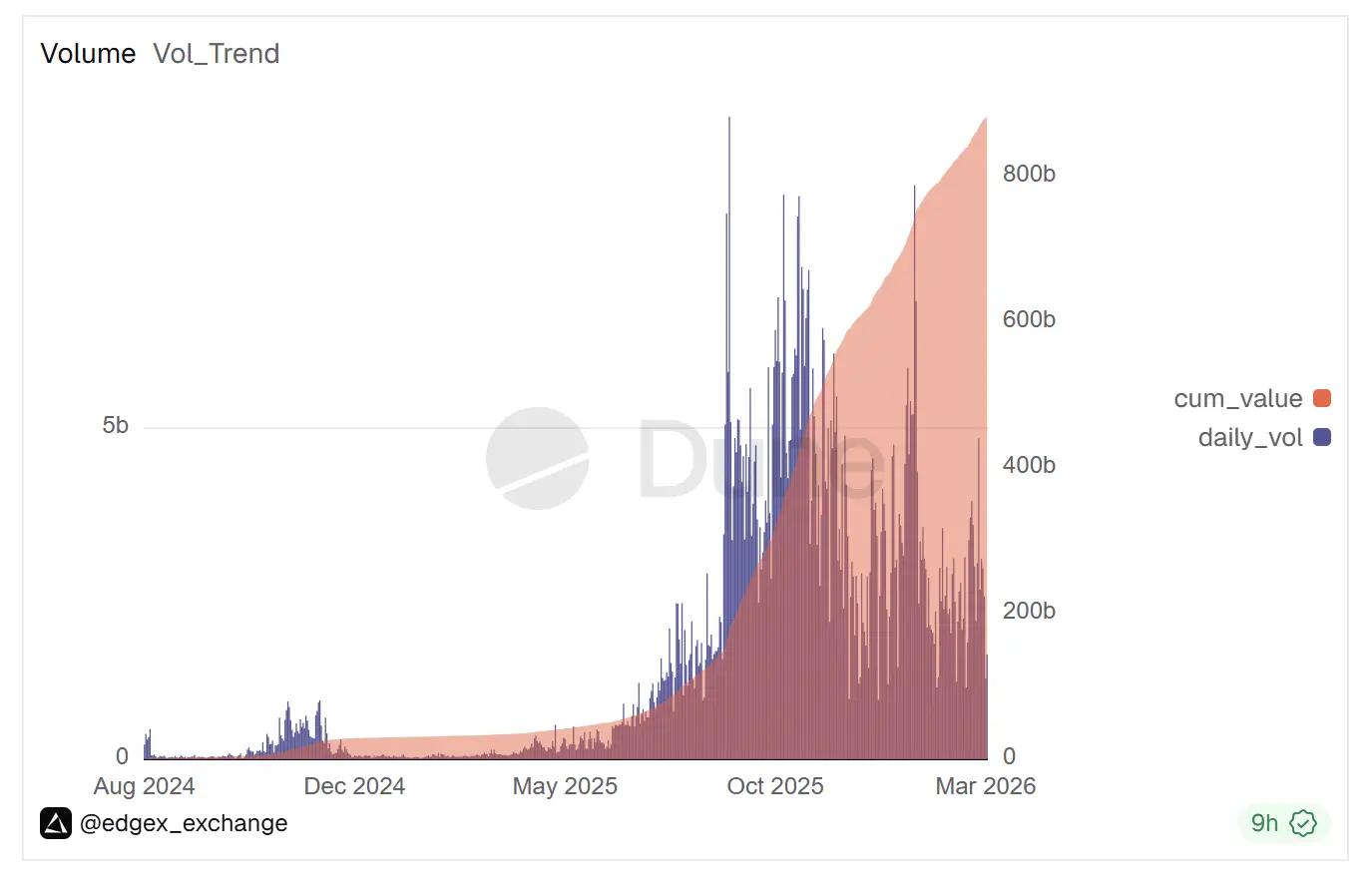
Since August 2025, edgeX's trading volume has entered a period of rapid growth, accumulating over 470,000 user addresses and a total trading volume exceeding $87.7 billion, with a current total TVL exceeding $360 million. Furthermore, edgeX has earned over $180 million in transaction fees from these transactions.
The edgeX project team had promised the community that they would never investigate witch accounts and that points would be exchanged for coins, which was the source of confidence for many edgeX users. However, to everyone's surprise, while edgeX did not remove witch accounts this time, it manipulated the "point weighting" system.
According to community feedback, many users earned the same number of points through trading, but received different amounts of airdrop tokens. Some users received an average of 4 airdrop tokens per point, while others received only 0.5 tokens, and still others received 11 tokens. The project team only acknowledged that points from different sources do indeed have different weightings.
Even if each point is exchanged for 11 tokens, its current value is only $5.50, while last year each edgeX point was priced at $30-40 on the secondary market, which resulted in heavy losses for secondary market buyers of its points.
Even worse, several KOLs, including He Bi, revealed that the edgeX project team was involved in insider trading, with multiple low-scoring linked addresses collectively receiving a quarter of the airdropped tokens.
As community criticism grew, edgeX shut down the comment section of its X account in an attempt to suppress the spread of negative comments, but to no avail.
"Why do we see unequal power for equal scores and arbitrary rule changes? Why are posts deleted, people kicked out, and discussions suppressed? Because a project that from the beginning is prepared to rely on fake transactions to build up data, on inflating valuations to tell a story, and on colluding with market-making groups behind the scenes to transfer benefits, is fundamentally incapable of respecting users or the community," said well-known KOL Ice Frog in a post on X.
IceFrog also stated that EdgeX's worst aspect is that it wasn't initially there to build projects, but rather to create a scheme and attempt to destroy the industry through manipulation and exploitation.
Undoubtedly, this "post-rule" approach directly undermines the core premise of user trust in airdrop mechanisms—predictability. Once users cannot assess their gains based on publicly available rules, the so-called "score-boosting strategy" loses its basis for competition, and one large-scale "anti-score-boosting" and "malicious" incident after another continues to erode user confidence.
In fact, the trading volume and user activity of a large number of DeFi protocols that have not yet issued tokens are based on the expectation of airdrops. The seemingly large community size and trading volume are all built on this. Once these projects complete the issuance of tokens, they will lose the attraction of potential returns for users, and the false prosperity will collapse quickly. Once the expected returns from airdrops through trading are no longer certain or even negative, the activity of the entire DeFi market may decline significantly.
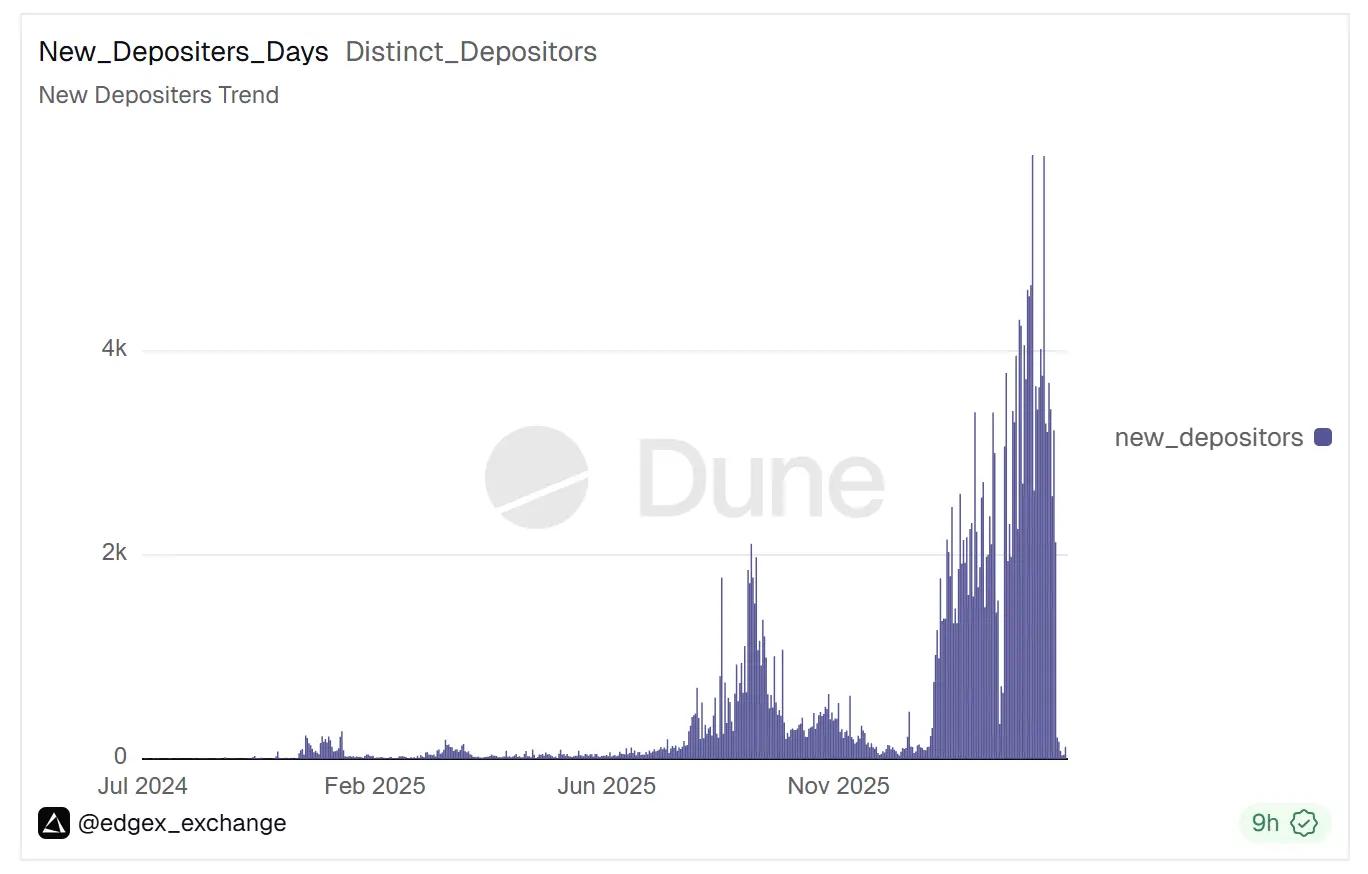
Taking edgeX as an example, in the days following the end of the project's airdrop snapshot, the number of new deposit users per day for the protocol dropped rapidly from over 2,000 to below 50.
After edgeX's reverse exploitation, a series of questions remain for the market: How many people will still believe in "getting rich by exploiting free resources"? When reverse exploitation becomes the new normal and a large number of free resource exploiters leave, will DeFi's trading activity and user stickiness continue to decline?
As "anti-airdrop" sentiment evolves from an isolated phenomenon into an industry consensus, the myth of getting rich through airdrops may have come to an end. For participants in the post-airdrop era, protecting their cash flow may be more important than chasing those dubious "airdrop expectations."