
This article is machine translated
Show original
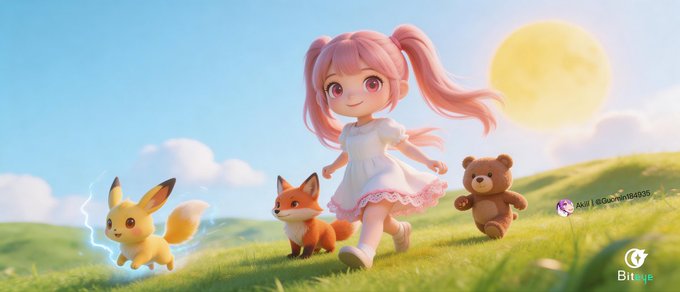
When we were kids, we all watched Pokémon—catching a Pikachu was basically the epitome of a perfect life, no exaggeration.
The joy back then was simple: watching Ash scoop a ball out of the grass, our hearts would race in front of the screen.
"I wish I could catch a Pikachu too."
This wish is more sincere than any "financial freedom".
Then look back at Web3 today—we're still "catching Pikachu," just in a different version:
Before, we caught Pokémon; now we catch trending topics.
Before, they lost Poké Balls; now they're losing market value notes.
Previously, people chased rarity; now, they chase a single large green candle.
The question is:
You caught a Pikachu, will you keep it as a pet? Or will you sell it at the market right after catching it?
After reading this article, I feel its most valuable aspect isn't simply introducing a project, but rather its attempt to answer a larger question:
As the old narratives of memes and GameFi gradually lose their effectiveness, what can Web3 rely on to continue attracting users?
---
The article introduces the concept of "Meme 3.0," the core of which is:
Let memes move from emotional hype to real-world usage scenarios.
This judgment is quite insightful—at least it acknowledges one thing: the old formula of "shouting slogans + issuing tokens + making a quick rush" is becoming increasingly ineffective.
I also agree with the author's observations on the current state of the industry.
Whether it's GameFi from the past or many traditional memes, they all rely too much on speculative sentiment and lack content and experiences that can retain users in the long run.
To put it bluntly: you think you're playing, but you're actually digging; you think you're participating, but you're actually relaying the baton.
If RealGo (@RealGoOfficial) can truly combine AR games, social interaction, IP collaboration, and on-chain consumption, it certainly has more potential than simply issuing tokens.
It at least tries to make "catching Pikachu" a sustainable activity, rather than something you can just catch and then sell at a street stall for money.
---
Whether a project can go the distance depends not on short-term popularity, but on a more brutal indicator:
Whether a product remains fun and whether users are willing to stay long-term—rather than "a group of people rushing in to take pictures and tweet, and then collectively falling silent."
//
Author: Akiii | A Web3 blogger who loves life
If you make money, don't complain; if you lose money, don't thank me. Just keep applying!
@RealGoOfficial @xhunt_ai @BiteyeCN
twitter.com/Guomin184935/statu...

From Twitter
Disclaimer: The content above is only the author's opinion which does not represent any position of Followin, and is not intended as, and shall not be understood or construed as, investment advice from Followin.
Like
Add to Favorites
Comments
Share
Relevant content