Chainfeeds Summary:
I bet the integration of encryption and AI will be a major event in its mature phase, and one of the most noteworthy phenomena in the history of this industry.
Article source:
https://www.techflowpost.com/zh-CN/article/30981
Article Author:
Connor Dempsey
Opinion:
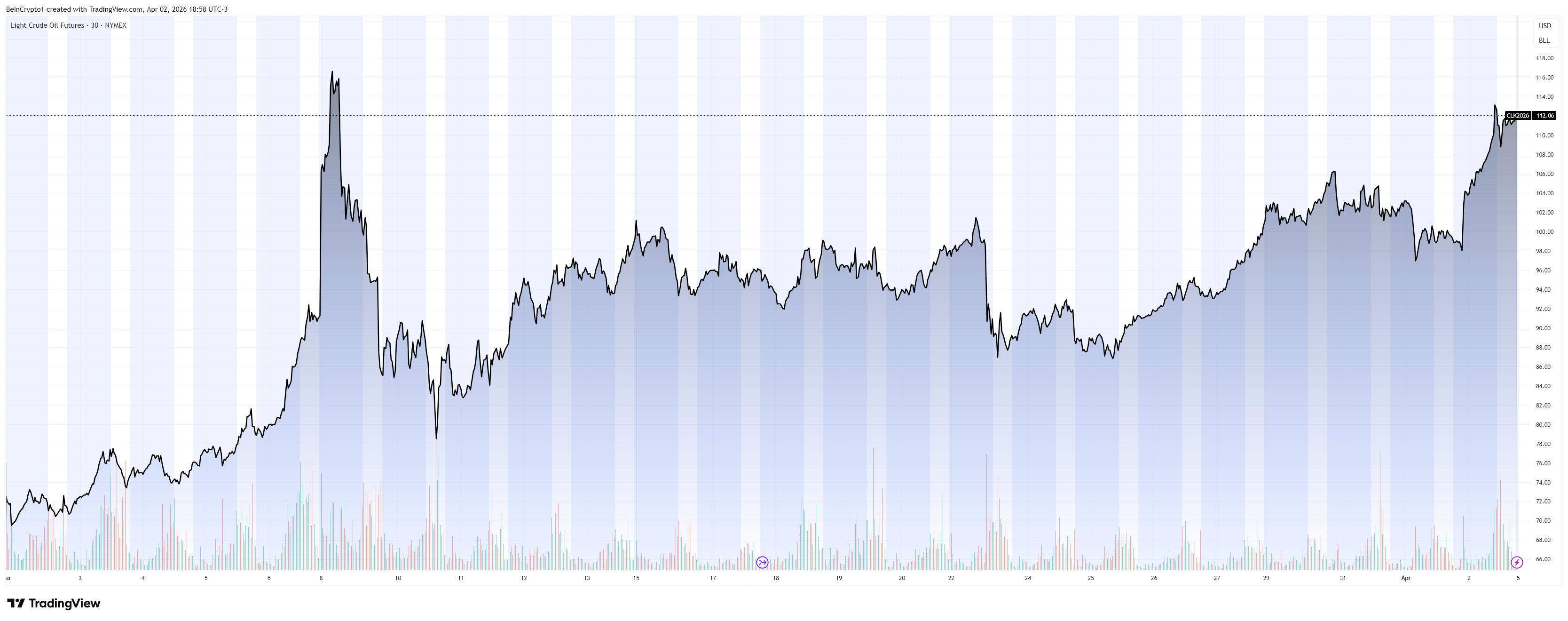
Connor Dempsey: A wave of IPOs for Chinese AI companies is on the horizon and will last for 1-2 years. Their valuations are more attractive than their American counterparts. China's AI development is progressing at a similar pace to the US. However, China has stronger control over the private sector, and their concern is about wealth inequality. The logic is this: AI is a winner-takes-all game. The longer companies remain private, the more concentrated wealth becomes in the hands of a few entrepreneurs and investors. Chinese policies are putting pressure on rapidly growing AI companies to go public earlier, allowing ordinary investors to share in the profits. MiniMax (AI video generation) and Zhipu (China's OpenAI) have already gone public. Moonlit Dark Side (chatbot), Baichuan Intelligence (medical AI), and Baidu's Kunlun Chip are all in the queue, with reasonable IPO valuations between $2 billion and $7 billion. DeepSeek is the only exception, stating it will continue to raise funds privately. There is also a wave of AI IPOs in the US, expected to begin in late 2026 or early 2027. OpenAI, Anthropic, Databricks, Perplexity, and Elon Musk's xAI (after merging with SpaceX) are expected to go public within this timeframe. However, by the time ordinary investors can buy in, these companies' valuations could be 100 times that of their Chinese counterparts. OpenAI and Anthropic will likely be valued at trillions of dollars by the time they go public. Databricks and xAI are already over $100 billion. Regardless of how things ultimately unfold, the US-China AI race will continue at full speed and may even drain the air from all other tech sectors, including crypto. Why? Because AI is the most important technology we will ever see. If you are a capital allocator, it's hard to look elsewhere right now. For example, if you have $1 million to deploy, you'll likely try to ride this AI wave. A drop in sentiment and a loss of investor interest are nothing new for crypto. For instance, after the ICO bubble burst in 2018, most of the investing public was indifferent to crypto for two whole years. But if you were an early investor during that period, you did very well. Solana, Compound, and Uniswap all received seed funding around that time. Circle's USDC (founded in 2018) was also established during that period. I believe 2026 could be a similarly good year for those still deploying early-stage capital in the crypto space. Meanwhile, US crypto regulations are becoming clearer, and infrastructure development around tokenization is underway to transform financial markets. Protocols like Hyperliquid are beginning to spill over into traditional markets, offering 24/7 crude oil futures trading when traditional markets are closed on weekends. While there are fewer crypto founders now, new and interesting companies are still launching. For example, Ryan Yi, with four years of venture capital and corporate development experience at Coinbase, founded Onchain Group, essentially an investment bank built for the token economy. It can be understood as traditional M&A, but the target is tokens, and the clients are the largest protocols in the crypto space.
Content source