Table of Contents
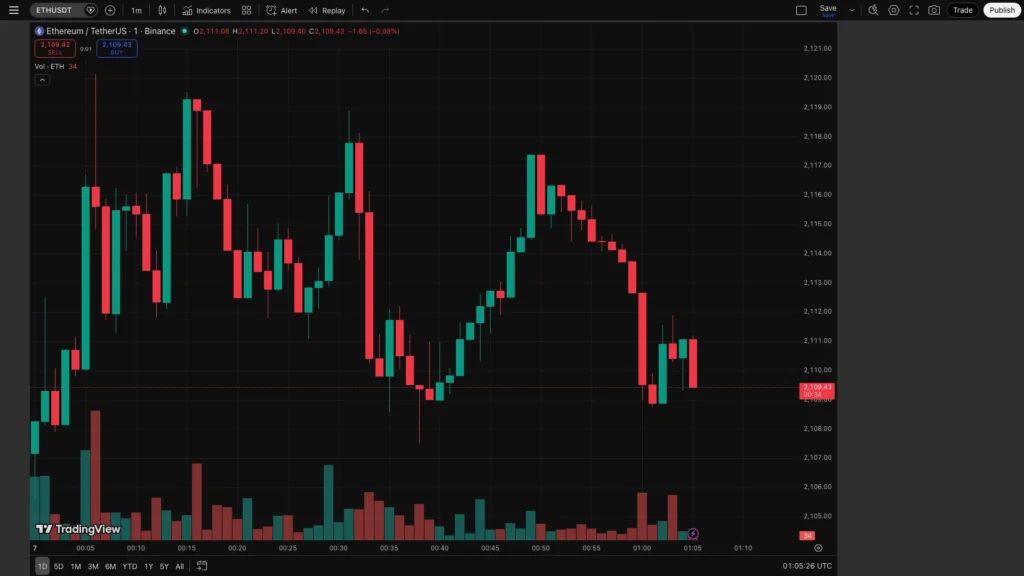
Toggle Yesterday's ceasefire rumor triggered a textbook "surge → reversal → pullback" for Bitcoin. Mediators from Pakistan, Egypt, and Turkey proposed a 45-day ceasefire to both Iran and the US, including a clause to reopen the Strait of Hormuz. Upon this news, Bitcoin surged to $70,000 within 24 hours, while ETH simultaneously rose to a high of $2,149 , a 2.1% increase. However, before the cheers could subside, the Iranian Foreign Ministry declared it "unacceptable," causing market sentiment to plummet. BTC is currently trading at $68,742 , a drop of over $1,200 from its high. 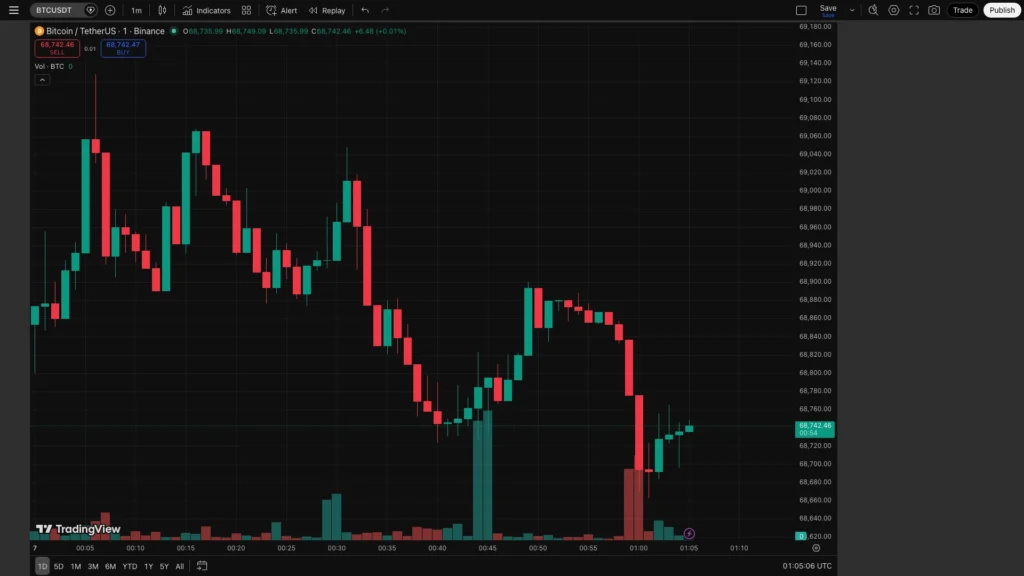
79,000 people were liquidated, with short positions being wiped out and long positions suffering heavy losses at the peak.
According to CoinGlass data, the total liquidation amount across the market in the past 24 hours reached $238.34 million , affecting 79,114 traders. Interestingly, short positions accounted for $135.73 million (56.9%) of the total liquidations, while long positions accounted for $102.61 million. During the BTC rally, short sellers were initially wiped out; however, the situation reversed in the last four hours, with long positions accounting for 90.81% of liquidations, effectively wiping out buyers who chased the price up to around $70,000. The largest single liquidation occurred on Binance BTCUSDT, amounting to a staggering $11.84 million . 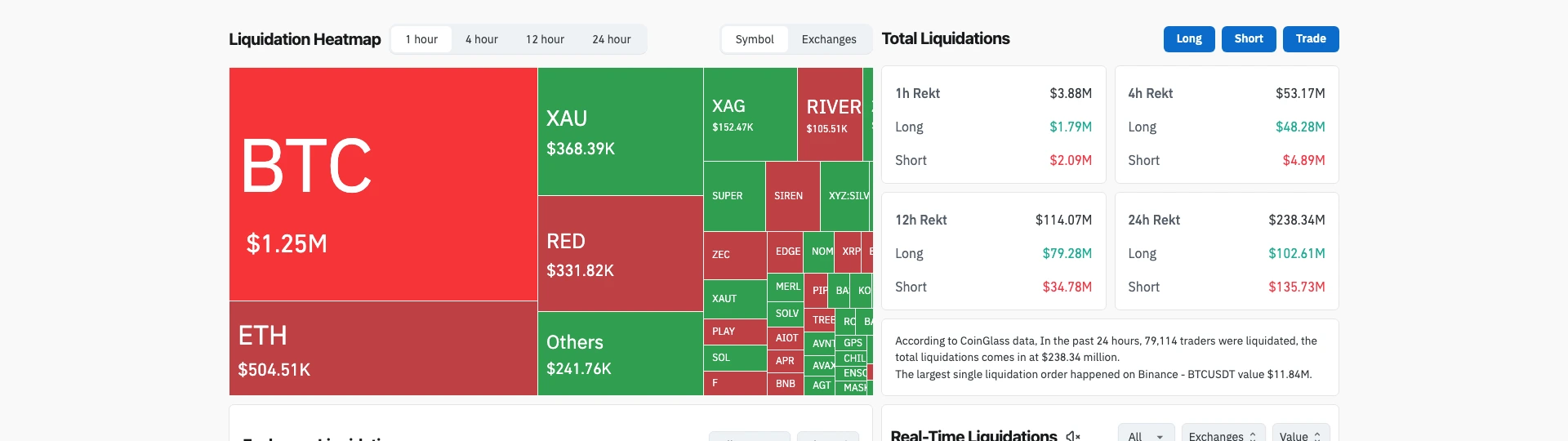
Ceasefire → Surge → Rejection → Retreat: Trump's presidential bid countdown ends tonight.
This market rally began with a glimmer of hope in geopolitics: if the ceasefire proposal put forward by the mediators were to be implemented, the reopening of the Strait of Hormuz would mean a reduction in global energy risks, and BTC would be interpreted by the market as a safe-haven asset, instantly attracting a large amount of buying. However, Iran's response was unequivocal—it would not reopen the strait unless it received "full war reparations," and the negotiations reached a stalemate.
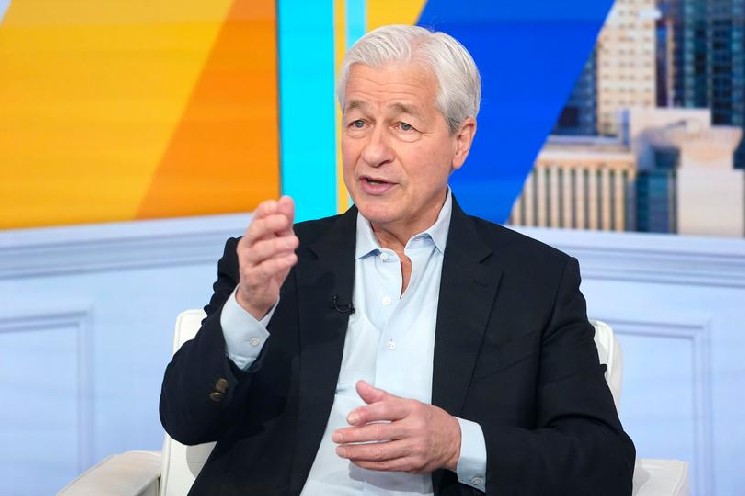
A more crucial countdown is that Trump's ultimatum expires tonight (8 PM EST, April 7th; 8 AM Taiwan time, April 8th) . If Iran does not reopen the Strait of Hormuz before the deadline, the US-Israeli coalition is reportedly planning attacks on bridges and power plants. Polymarket currently predicts a 99% probability of a US invasion by the end of April. JPMorgan Chase CEO Jamie Dimon also warned the market yesterday that a ceasefire does not signify the end of inflationary pressures, and the structural problems associated with high oil prices remain.
Other cryptocurrencies: SOL dragged down by hackers, XRP rebounded slightly.
Solana is trading at $79.65 , down 0.40% in the last 24 hours. The recent $285 million hack of Drift Protocol continues to weigh on market confidence, and the Solana ecosystem is unlikely to escape this shadow in the short term. XRP is trading at $1.32 , up slightly by 0.78%, showing relatively stable performance. DOGE remains consolidating around $0.092 , without a clear direction.
The fear index has fallen to 13, oil prices remain high, and the biggest variable today will be the ultimatum.
Alternative.me's Fear & Greed Index is at 13 (Extreme Fear) , a stark contrast to the market enthusiasm following yesterday's surge in BTC – the brief optimism has been completely overshadowed by geopolitical uncertainty. In the oil market, WTI crude remained at $113/barrel and Brent crude at $110/barrel . High oil prices directly boost inflation expectations, limiting the upside potential of risk assets. The S&P 500 closed at 6,582.69 on Friday, still down about 4% year-to-date.
The biggest focus today is whether Trump's diplomatic note can see a turnaround before the deadline . If Iran continues its hardline stance and the conflict escalates, soaring oil prices could trigger renewed volatility in safe-haven demand; if a new diplomatic breakthrough occurs, the momentum for BTC to return to $70K remains. Given the current climate of extreme fear, any slight disturbance could be the trigger for the next wave of liquidations.