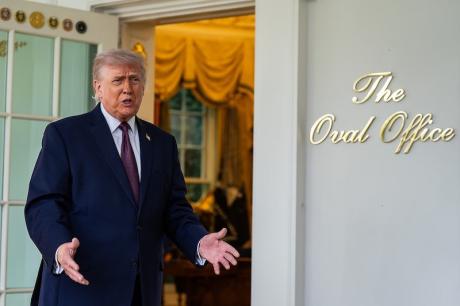
On the morning of April 13th, the yield on Japan 's 10-year government bonds surged to its highest level since 1997 due to escalating tensions in the Middle East, shortly after US President Donald Trump announced that the US Navy would impose a full blockade of the strategic Strait of Hormuz.
In the Tokyo market, the yield on 10-year Treasury bonds rose 5.5 basis points to 2.49%, its highest level since 1997. Meanwhile, the yield on 5-year Treasury bonds increased 4 basis points to 1.9%.
The volatile financial market environment unfolded after weekend talks between the US and Iran ended without an agreement, extinguishing hopes of maintaining the fragile ceasefire. The renewed conflict immediately pushed oil prices higher, thereby increasing inflationary pressure on Japan, a country heavily reliant on energy imports from the Middle East.
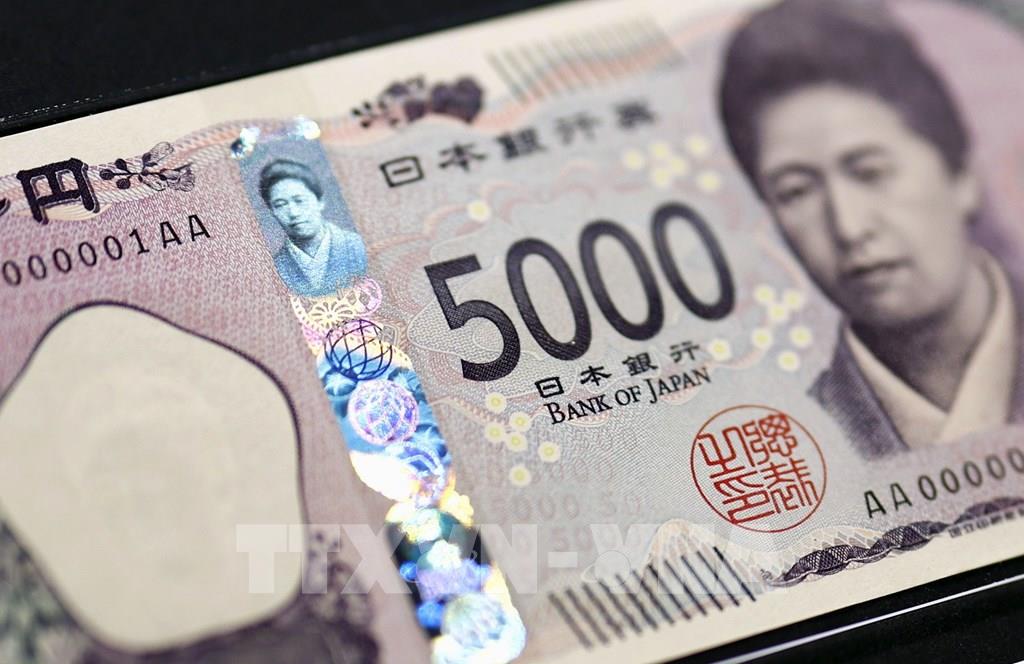
Besides oil prices, the continued weakening of the yen is also exacerbating inflation risks by driving up import costs. The Japanese yen exchange rate is once again approaching 160 yen/USD, forcing authorities to issue stronger warnings. Finance Minister Satsuki Katayama affirmed that regulators are ready to intervene comprehensively on all market fronts to protect the economy and households from the negative impact of exchange rate fluctuations.
Escalating tensions in the Middle East have also increased the likelihood that the Bank of Japan (BoJ) will have to postpone its planned interest rate hike at its April 2026 meeting. Rinto Maruyama, senior foreign exchange and interest rate strategist at SMBC Nikko Securities Inc., noted that if officials do not make any market-oriented statements this week regarding interest rate increases, yields could continue to rise as investors anticipate a scenario where policymakers react too slowly to the actual situation.
Currently, the market, through overnight index swap contracts (OIS), forecasts approximately a 54% probability that the Bank of Japan (BoJ) will raise interest rates in April 2026, and that the 25 basis point increase will certainly be fully reflected by July 2026.