
World oil prices surged on April 13th, officially surpassing the $100 per barrel mark amid escalating geopolitical tensions in the Middle East. This was directly caused by the deadlock in negotiations between the US and Iran, raising concerns about potential disruptions to global energy supplies.
According to international market observations, Brent crude oil prices rose by approximately 7%, to over $101 per barrel, while US WTI crude oil also increased by more than 7%, surpassing $103 per barrel. This sharp increase reflects the market's immediate reaction to the risk of supply constraints as the strategic shipping route through the Strait of Hormuz faces the threat of stricter controls.
The main driver of the price surge stems from US President Donald Trump's decision to implement a blockade of maritime activity related to Iran in the Strait of Hormuz. This is a transit point for approximately 20% of global oil, so any disruption could create a major shock to the energy market.
Experts believe the market is rapidly returning to a state of tension similar to that before the interim agreements were reached. Controlling the flow of oil from Iran could lead to a significant drop in global supply, while also increasing inflationary pressure across the board.
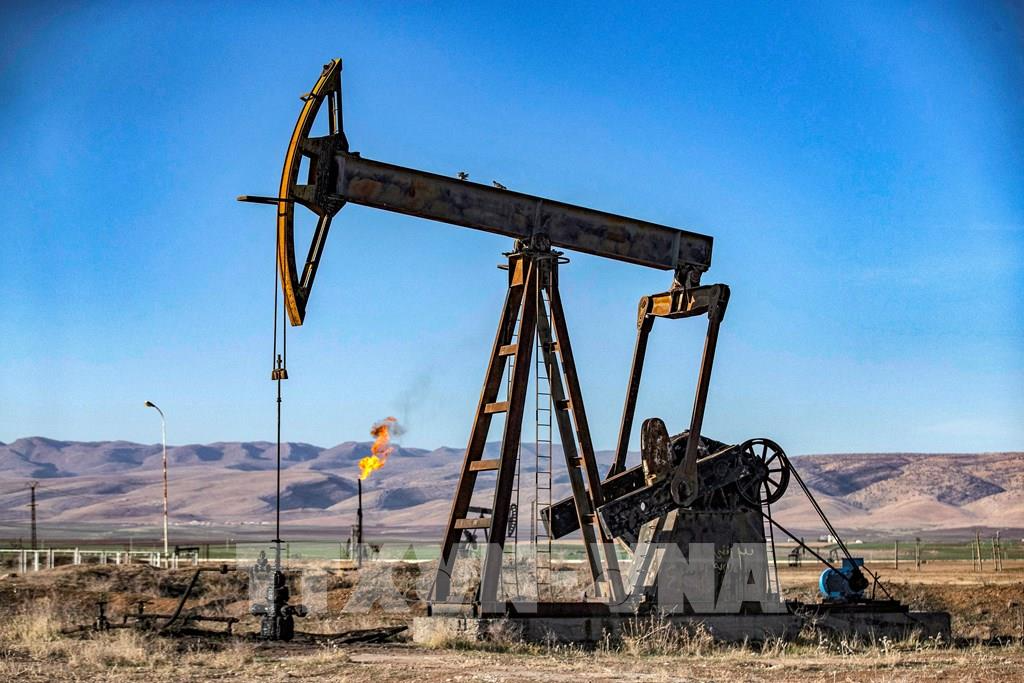
From a market perspective, the return of oil prices to "three digits" is XEM as a logical response to increased geopolitical risks. However, some argue that the room for diplomatic solutions is not entirely closed, as the parties may return to the negotiating table in the near future to mitigate the negative impact on the global economy.
Meanwhile, signals from shipping activity indicate that the risks have begun to spread. Many oil tankers are adjusting their routes, avoiding the Strait of Hormuz to ensure safety from potential blockades. This increases shipping costs and continues to put pressure on energy prices in the short term.
Notably, several major oil-producing nations have quickly implemented countermeasures. Saudi Arabia announced it has restored shipping capacity through the East-West pipeline to reduce its reliance on the Strait of Hormuz and mitigate the risk of supply chain disruptions.
Overall, the latest developments indicate that the oil market is entering a sensitive phase, with geopolitical factors continuing to play a dominant Vai . In the short term, oil prices are likely to remain high, or even fluctuate sharply, depending on the escalating tensions and the possibility of reaching a diplomatic solution between the parties involved.