Controversy over Fed nominee omitting virtual and AI assets
);)
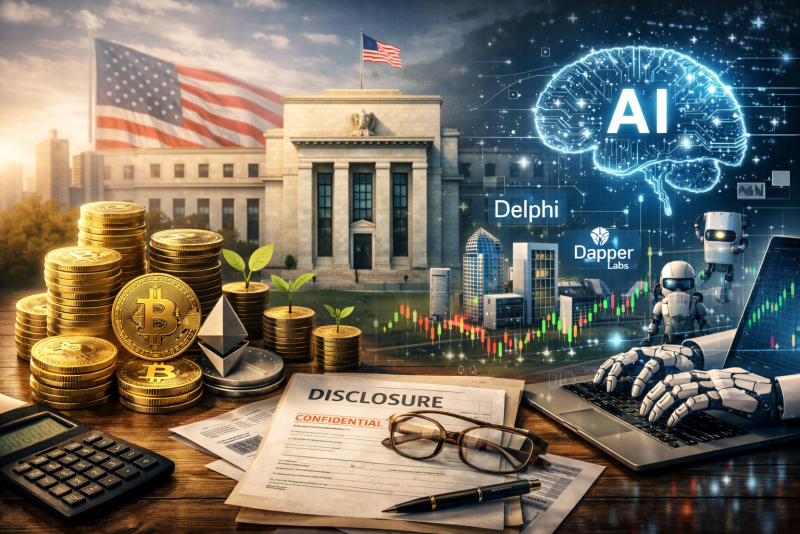
Wash, nominated by U.S. President Donald Trump to succeed Chairman Jerome Powell, reported millions of dollars in assets ahead of his confirmation hearing before the Senate Banking Committee. The disclosure included investments in cryptocurrency-related companies such as Compound, Dapper Labs, and Kinetic, as well as investments in artificial intelligence firms such as Delphi and Conversion.
However, according to Reuters, the specific value range of the virtual assets and artificial intelligence investment assets in question was not disclosed. While regulations do not require reporting for assets under $1,000, the reason for the omission has not been clearly revealed.
Wash was found to have total assets exceeding $100 million. Key items included an investment of over $50 million in the Juggernaut Fund and over $10 million in advisory revenue related to the Druckenmiller Duquesne Family Office.
President Trump announced Wash as a candidate for Federal Reserve Chair in January and submitted the official nomination to the Senate in March. The Senate Banking Committee is scheduled to hold a confirmation hearing on the 21st.
The Federal Reserve Chair is a key position that influences overall U.S. monetary policy, including the benchmark interest rate. Accordingly, the candidate's investment history and interests in virtual assets are attracting attention as a major variable in the market.
Meanwhile, the Securities and Exchange Commission (SEC) and the Commodity Futures Trading Commission (CFTC) are also facing ongoing staffing shortages. If the virtual asset market structure bill is passed in the future, these two agencies are expected to play key roles in the regulatory framework.
It is being assessed that the recent disclosure controversy is once again highlighting the issue of transparency regarding the interests of policymakers, at a time when U.S. monetary policy and virtual asset regulation are intertwined.
Reporter Jeong Ha-yeon yomwork8824@blockstreet.co.kr