On April 17, Bitcoin surged from around $75,000, breaking through $77,000 and briefly touching the $78,000 area, with a 24-hour increase of over 5%. This marked the first time Bitcoin had fully recovered its losses since the outbreak of conflict between the US and Iran, accompanied by a surge in trading volume.
In the US stock market, all three major indexes closed higher on April 17.
- The S&P 500 rose 1.20% to close at 7,126.06, marking its third consecutive day of record highs.
- The Nasdaq Composite rose 1.52%, marking its 13th consecutive trading day of gains, the longest winning streak since 1992.
- The Dow Jones Industrial Average surged 1.79%, rising more than 850 points in a single day.
Oil prices, however, moved in the opposite direction, with WTI crude oil plunging more than 12% in a single day, hitting a low of around $83 last night.
Brent crude oil also fell by about 11%, close to $88, marking the largest single-day drop since the conflict began.
With Holmz open, the chances of an interest rate cut are rising.
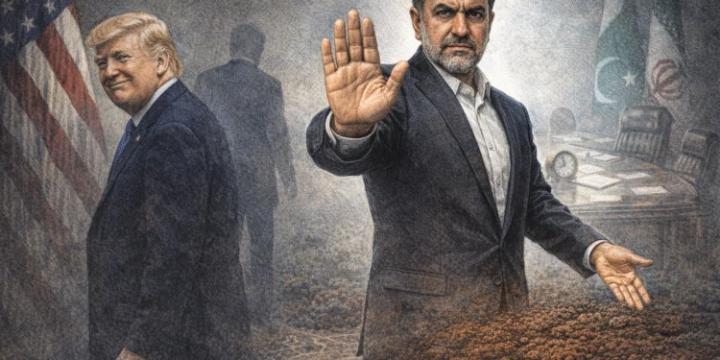
The core trigger for this market movement was Iranian Foreign Minister Abbas Araghchi's announcement that the Strait of Hormuz was "fully open" for commercial shipping. Trump then claimed on social media that Iran had agreed to "indefinitely suspend its nuclear program" and that an agreement would be finalized "within a day or two."
The Strait of Hormuz handles about 20% of the world's daily oil shipments. Once the risk of blockade is lifted, the main upside risk to energy inflation will subside.
The ripple effects of the 12% plunge in oil prices in a single day have left room for the Federal Reserve's narrative on its interest rate path this year. The market can re-evaluate the scenario of "controlled inflation and normalized interest rates" without relying on dovish signals.
However, it must be noted that the CME FedWatch tool shows that the probability of maintaining interest rates in June has recently risen to 89.2%, so what is described here is an "improvement in the inflation chain" rather than a "substantial increase in expectations of interest rate cuts," and the two should not be confused.
Regarding Bitcoin's price movement, if the upward momentum of US stocks continues, the next strong resistance level to watch is around $80,000; if risk appetite shifts, $75,000 is the most recent effective support level.
Iranian Parliament Speaker contradicts himself in the early hours of the morning
However, just as the market was pricing in a reconciliation narrative, three counter-signals emerged in succession, significantly reducing the visibility of the overall situation.
First, Iranian Parliament Speaker Ghalibaf publicly stated in the early hours of the morning that all seven of Trump's social media announcements were "untrue," and emphasized that the US had failed to win the war through lies and would be doomed to failure in negotiations as well; if the US continued to blockade Iranian ports, the Strait of Hormuz would not be able to remain open; and Iran would never relinquish its sovereignty over the strait.
"Iran will never relinquish its jurisdiction over the Strait of Hormuz. If the United States continues to block Iranian ports, the strait's openness cannot be maintained."
Secondly, Bloomberg 's follow-up report pointed out that the "complete openness" mentioned by Iranian Foreign Minister Araghchi actually refers to the existing arrangement where commercial vessels still need to "coordinate" with Iran before they can pass, which is significantly different from the "completely free passage" interpreted by the market. In other words, the market is pricing in a more lenient premise than it actually is.