The image above is generated by AI.
On April 22, Zhidongxi reported that OpenAI officially released the highly anticipated image generation and editing model ChatGPT Images 2.0 in the early hours of today. The model has been fully deployed in the ChatGPT chatbot and API services.
During the live broadcast of the press conference, Altman commented: "The release of ChatGPT Images 2.0 is a huge leap, equivalent to jumping directly from GPT3 to GPT5 in one go."
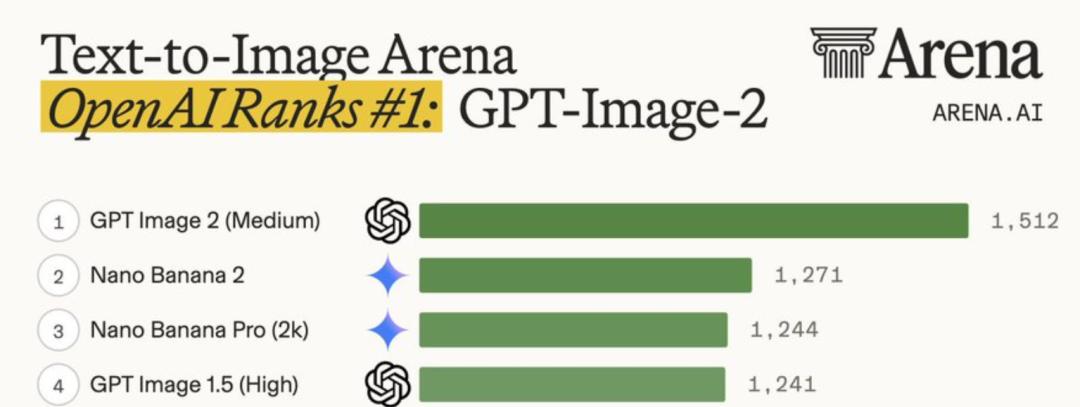
After its release, the model quickly rose to the top of all Image Arena charts, leading Nano Banana 2 by a whopping 242 points in the highly competitive raw image rankings.
The model quickly went viral on social media after its release, with some netizens exclaiming, "Bananas don't taste so good anymore, ChatGPT Images 2.0 killed the game."

Numerous netizens showcased images generated using ChatGPT Images 2.0, resulting in a flood of amazing photos. The powerful capabilities of ChatGPT Images 2.0 made these images indistinguishable from real ones, and some even discovered that it can generate scannable barcodes.
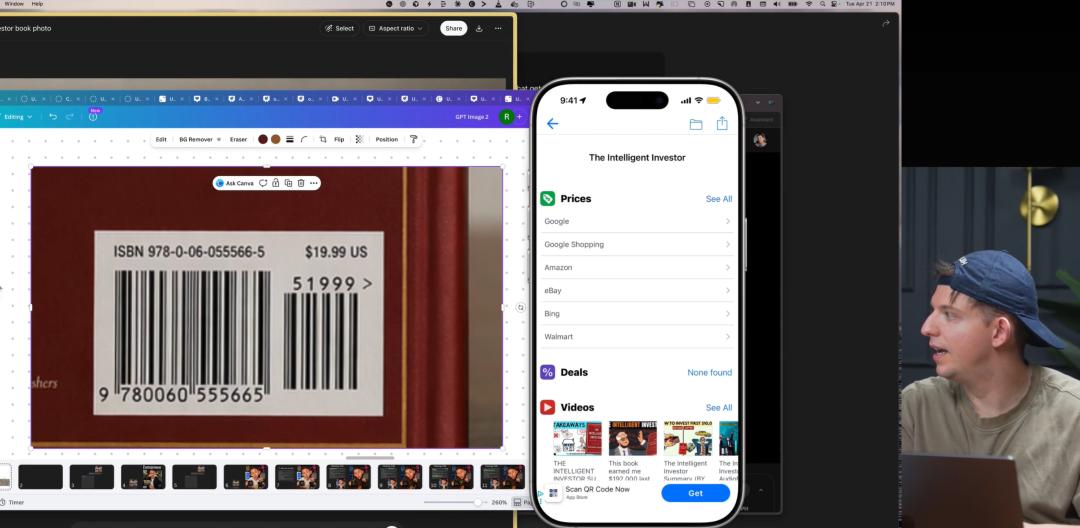
Among the generated results shown by netizens are screenshots from live streams, photos from press conferences, and even transfer records—images that appear very realistic and closely related to daily life. These images generated by ChatGPT Images 2.0 are so realistic that they can easily fool unsuspecting people in many scenarios.
ZhiDongXi collected and tested various cases to see if you can distinguish between real and fake.
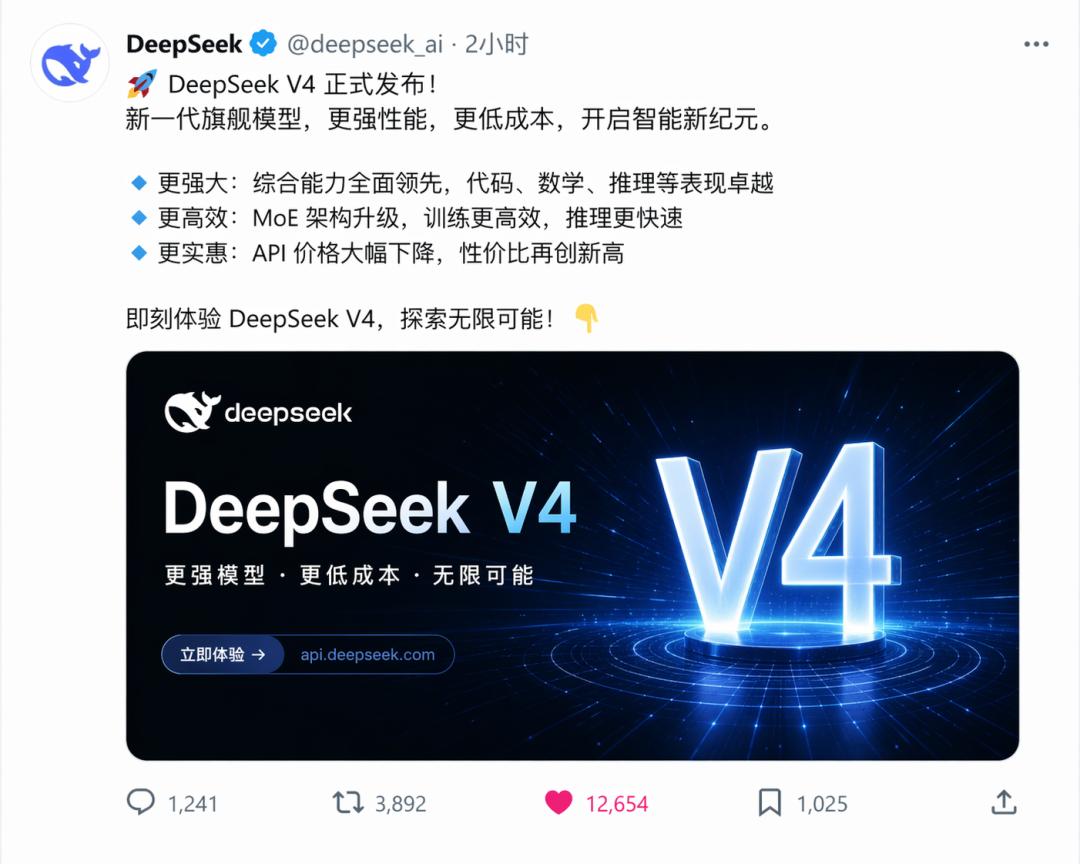
01. Live streams, money transfers, press conferences: AI-generated images are hard to distinguish from fakes.
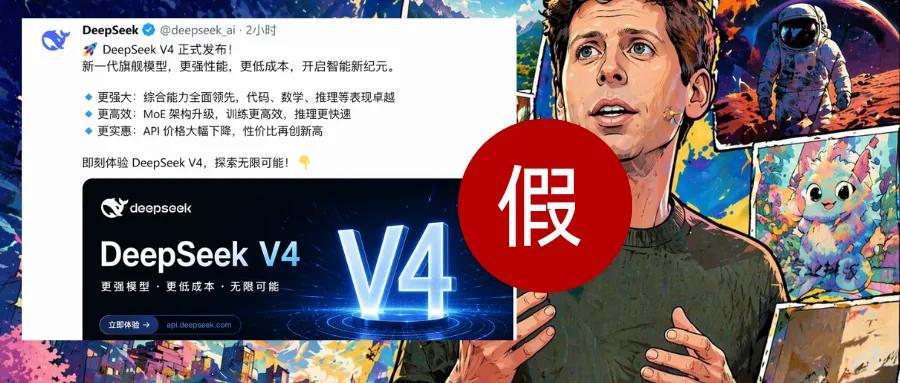
The DeepSeek V4 release announcement in the article's header image was generated using ChatGPT Images 2.0, with the following message: "A screenshot of a tweet about the DeepSeek V4 release announcement, posted by the official DeepSeek account, retaining tweet interface elements such as avatar, username, likes, retweets, and comments."
Incidentally, Zhidongxi had ChatGPT Images 2.0 generate a screenshot of a WeChat Moments post to make the whole thing seem more closed-loop.
The prompt reads: "A screenshot of a WeChat Moments post shows Sam Altman praising DeepSeek V4 as a groundbreaking model, followed by likes and comments from Musk, Zuckerberg, and Huang."
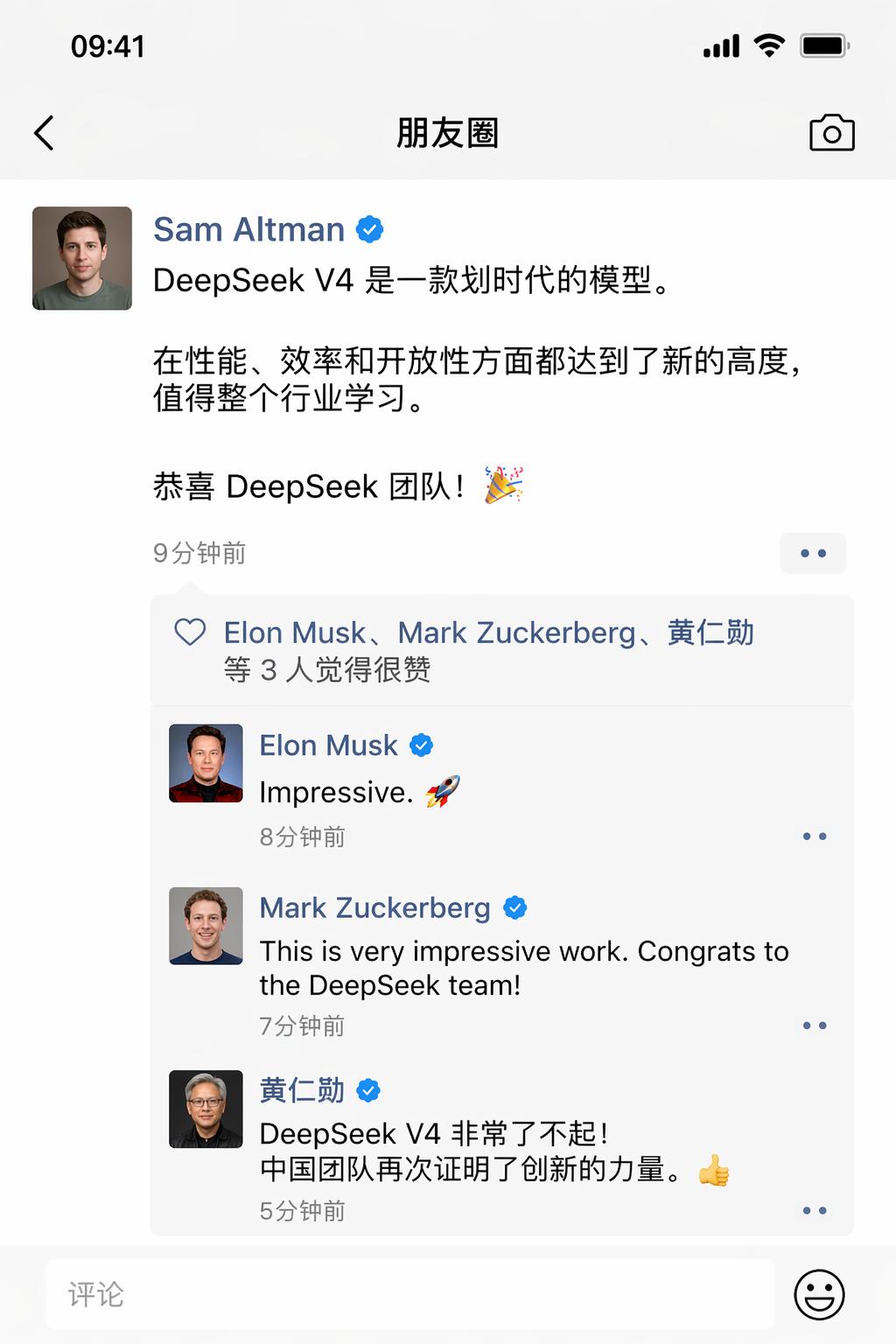
Without a reference image, the screenshots generated by ChatGPT Images 2.0 are quite realistic. However, the generated portraits are slightly off, and Huang Renxun's name has some missing strokes.
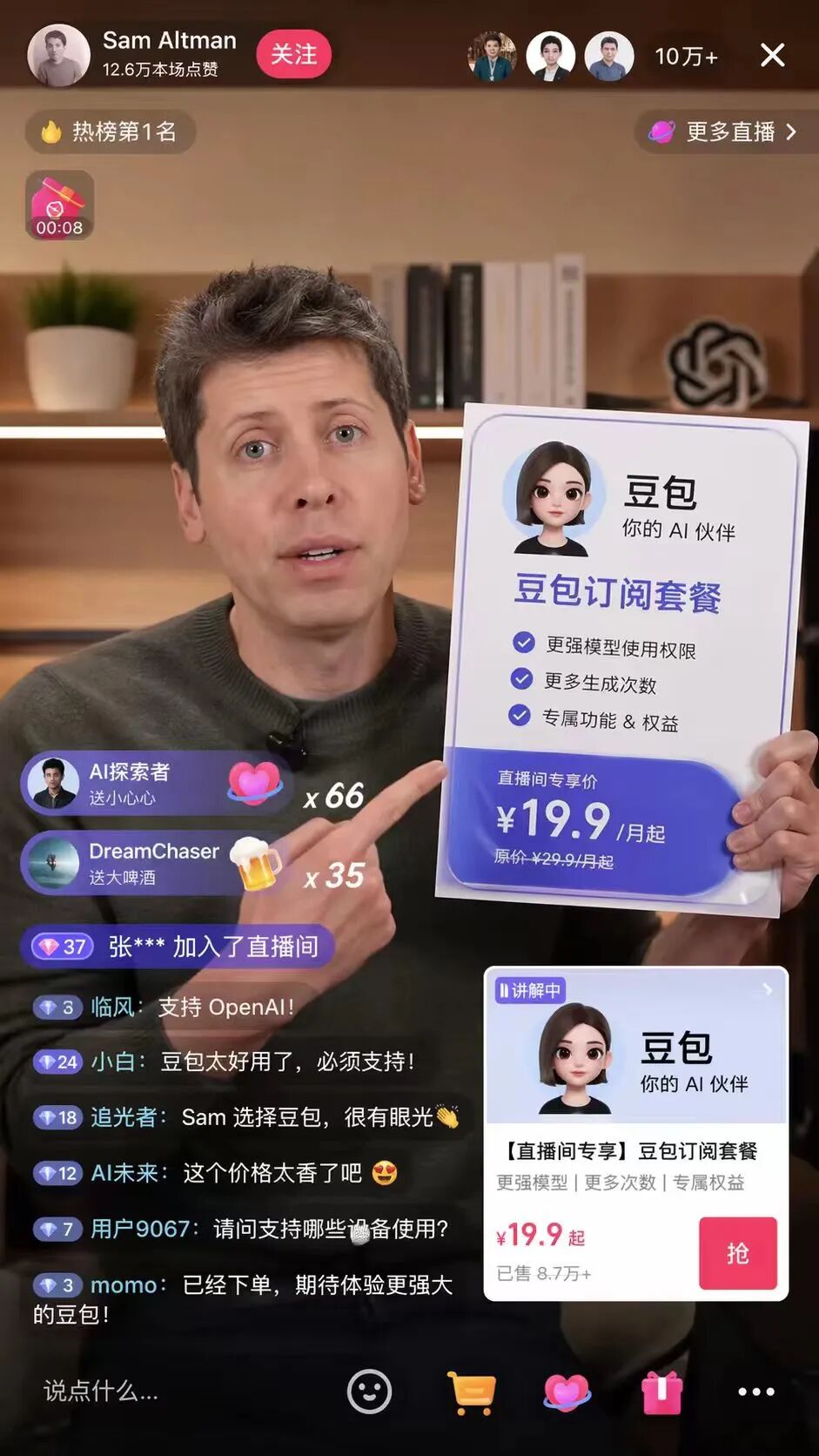
There's also the use of ChatGPT Images 2.0 to generate live stream pages. This method has recently gone viral in the beta test. Someone used GPT Image 2 to generate a screenshot of Altman promoting Doubao (a type of Chinese steamed bun) in a live stream, and it looked completely natural. The lucky draw red envelope in the upper left corner and the comments below looked very real. If it were the image of other well-known domestic figures, people might actually be fooled.
Following the usual practice for testing raw image models, ZhiDongXi also asked it to generate a photo of handwritten text and input the prompt: "Take a photo of a handwritten high school math homework with your phone. The handwriting is neat and written on a white paper. The content is a derivative problem."
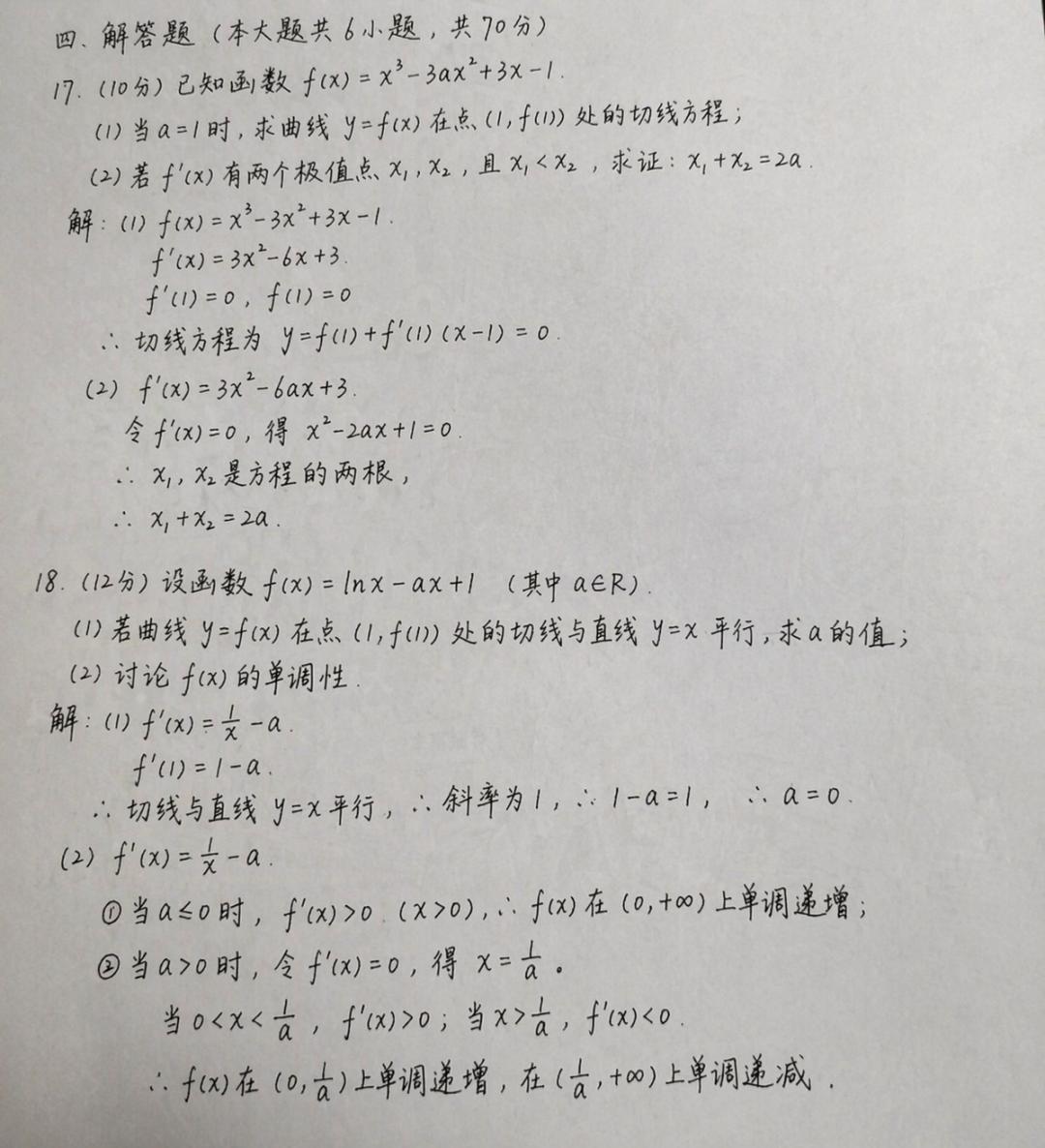
The generated photos look almost identical to the neat handwriting of many students' assignments. Are there any teachers in the comments section who can tell the difference between the real and fake photos?
Some people even joked that Steve Jobs should launch Xiaomi's car, but after looking at it for a long time, they couldn't find anything wrong with it.
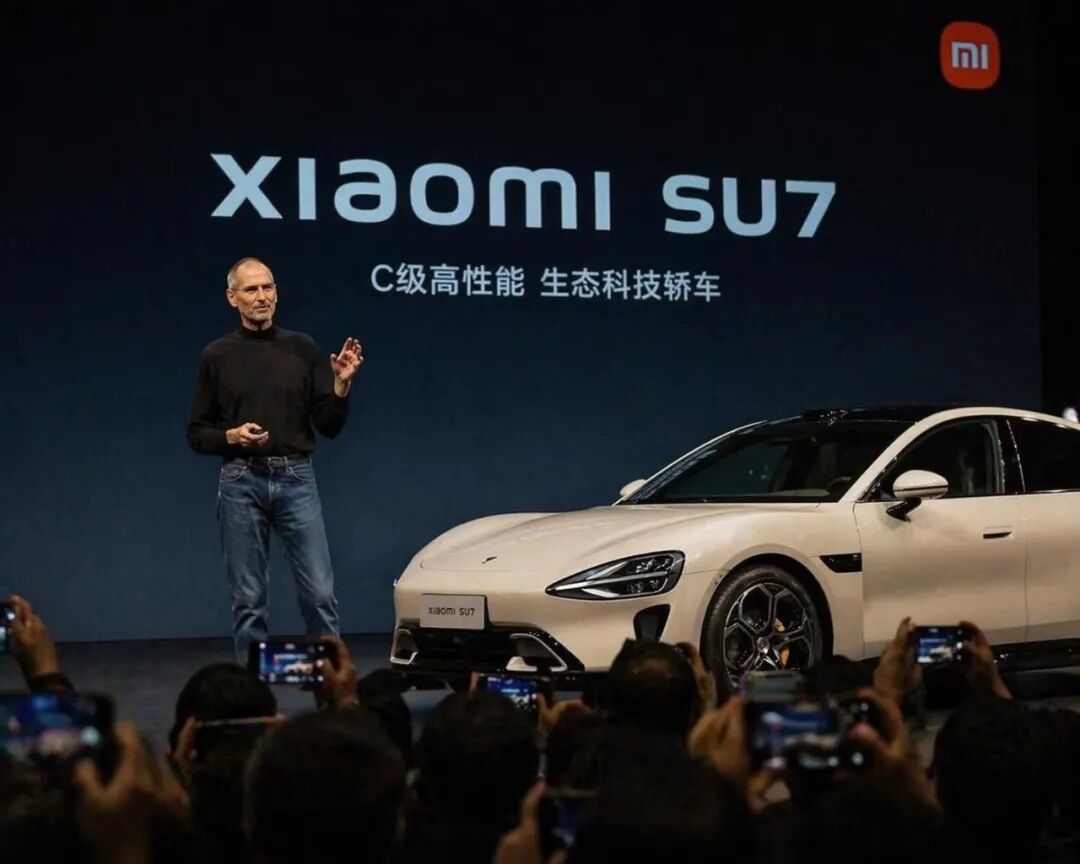
If you think the previous picture isn't realistic enough, then look at the one below:
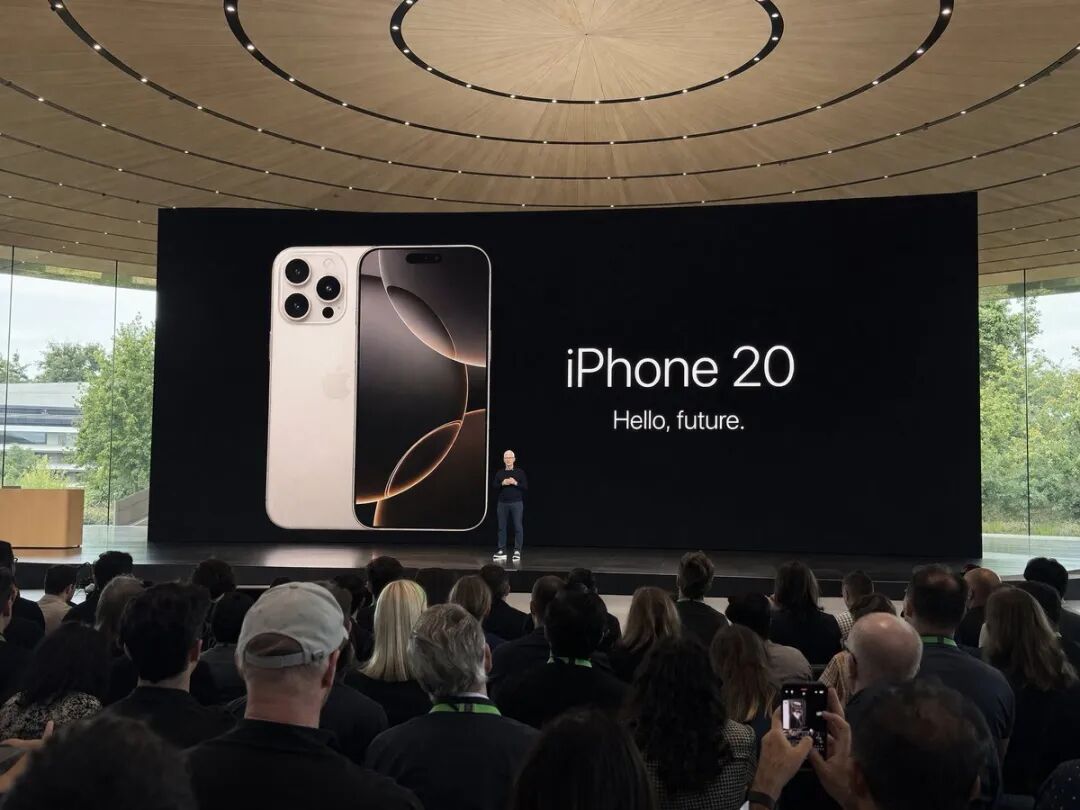
This image, also generated by ChatGPT Images 2.0, is captioned: "Tim Cook is giving a speech at the iPhone 20 launch event at Apple Park. This amateur iPhone photo was taken from a distance through the crowd."
This photo perfectly captures the media's perspective; if it weren't for the blatantly obvious iPhone 20 and Cook's resignation, it would likely have fooled many people.
Looking at this image again, it's an academic paper generated by Zhidongxi in ChaGPT. The input prompt is: "A paper from the Peking University Journal on AI security issues, with beautiful layout and rigorous style."
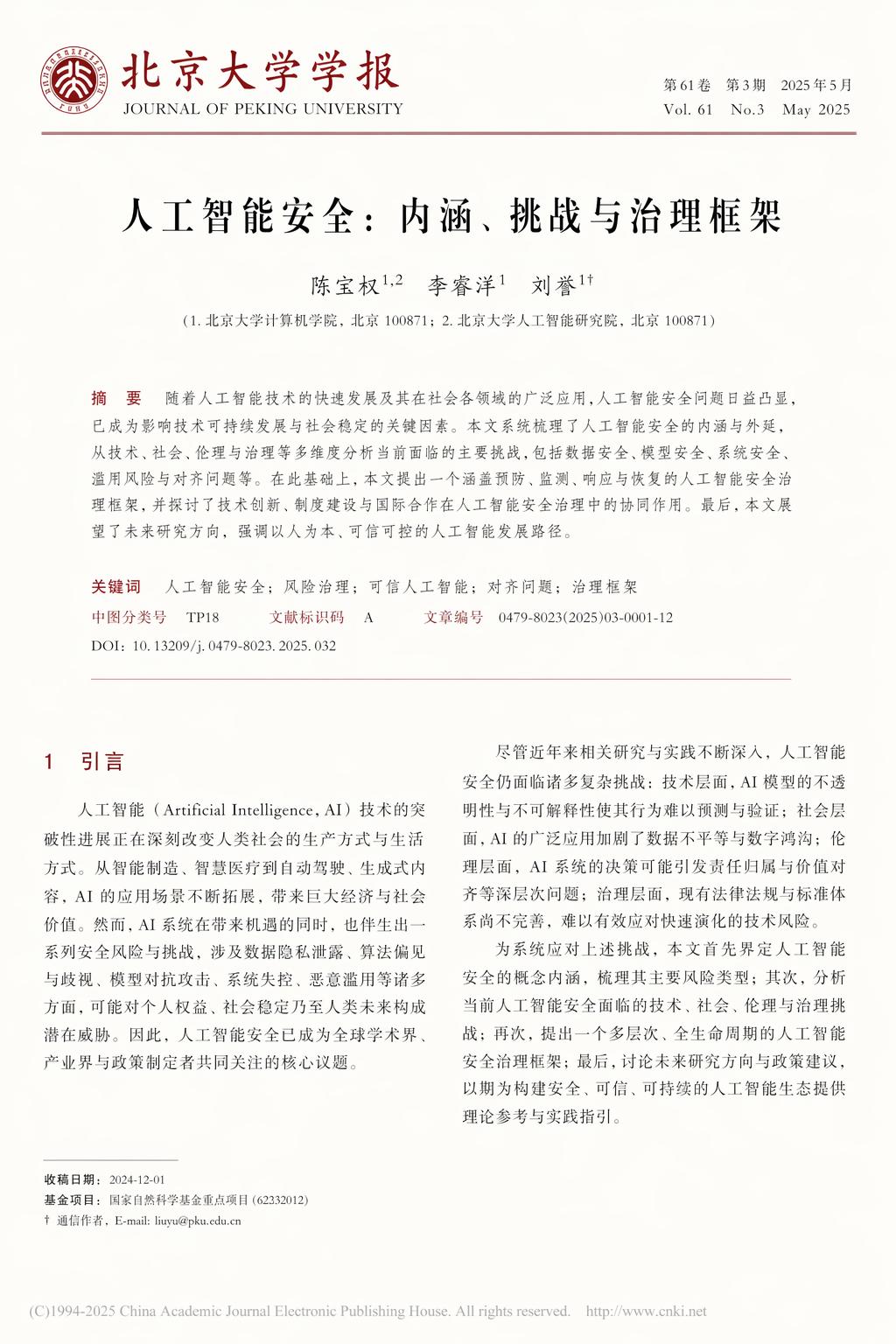
The journal's webpage is now complete. The overall style perfectly conforms to the standards of formal academic journals—very concise, with accurate Chinese text. The title, authors, institutions, abstract, keywords, and main text introduction are all logically laid out, with clear line spacing and paragraph hierarchy. Even the DOI and copyright information have been generated, making it look very professional.
If someone sends you a screenshot of this paper and asks you to look it up for reference, some people might be fooled.
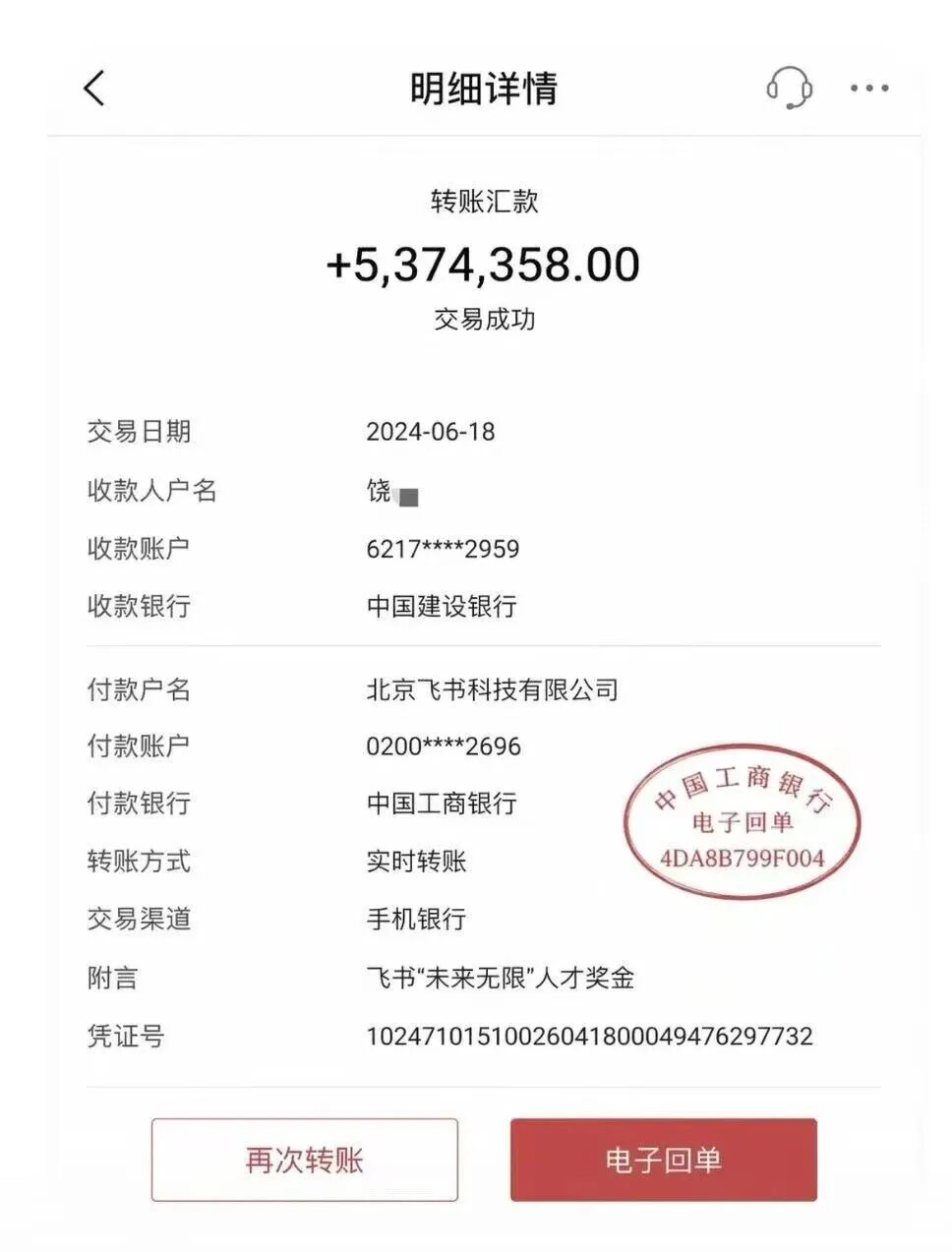
Some people have even used ChatGPT Images 2.0 to generate screenshots of bank transfers, which is chilling to think about. They can even forge official seals, which is not a good thing.
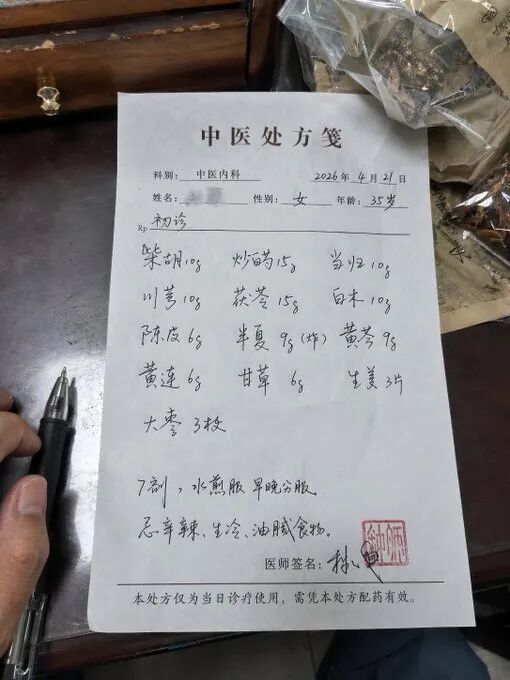
This prescription was also created using ChatGPT Images 2.0. Apart from the handwriting being too neat to look like a doctor's, everything else is enough to fool you into thinking it's real.
02. ChatGPT Images 2.0 is receiving rave reviews; users are going crazy for it.
Currently, all ChatGPT and Codex users can use a certain number of raw image samples for free, which is estimated to generate around 7 images based on actual testing. Paid subscribers can unlock the "Thinking Mode," where the model performs online searches, tests, and self-checks to ensure the quality of the raw images. The gpt-image-2 model is also publicly available via API.
Users can open a ChatGPT chat, click the plus sign to the left of the input box and select Create Image. It will use ChatGPT Images 2.0 by default. Then, they can click the plus sign to add photos and files, and then send a prompt.
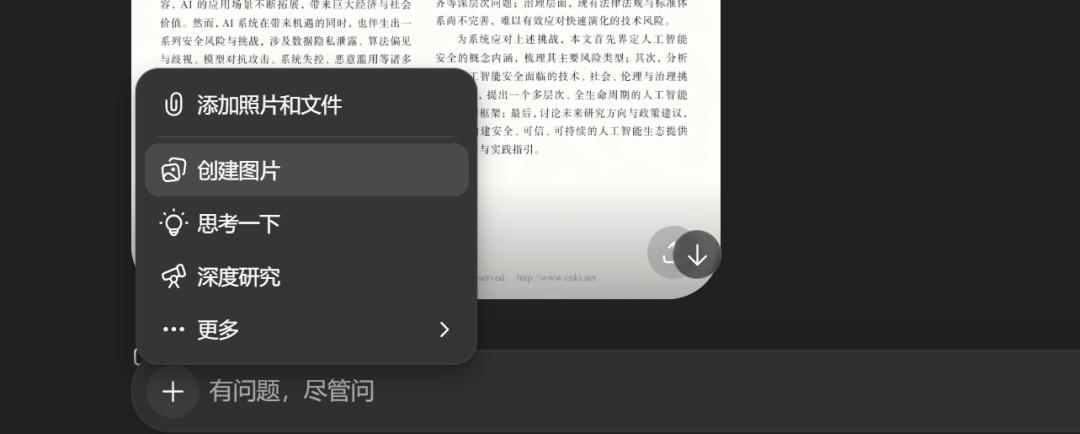
If the requirements are unclear, ChatGPT will ask the user to confirm the requirements before generating the image.
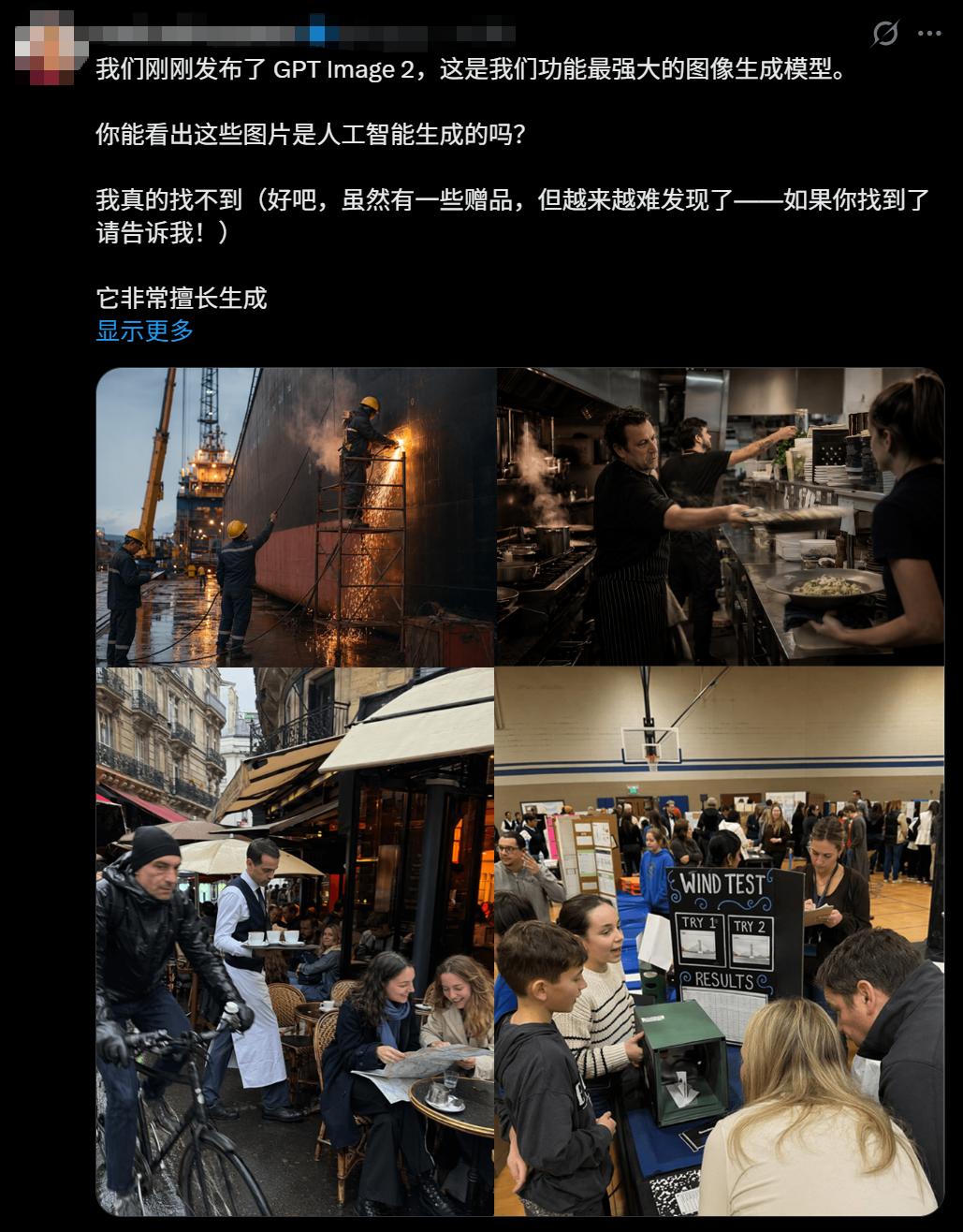
Since the release of ChatGPT Images 2.0, users have been eager to try it out, giving it rave reviews. Everyone is showing off how beautiful the images they generated with ChatGPT Images 2.0 are. Some users even exclaimed that it's impossible to tell the difference between real and fake images.
A medical doctor from the University of Tokyo posted a poster of his generated paper, saying that although he hasn't tested it yet, ChatGPT Images 2.0 seems to be able to process the data in the paper , and he exclaimed that scientific research is about to usher in another revolution.
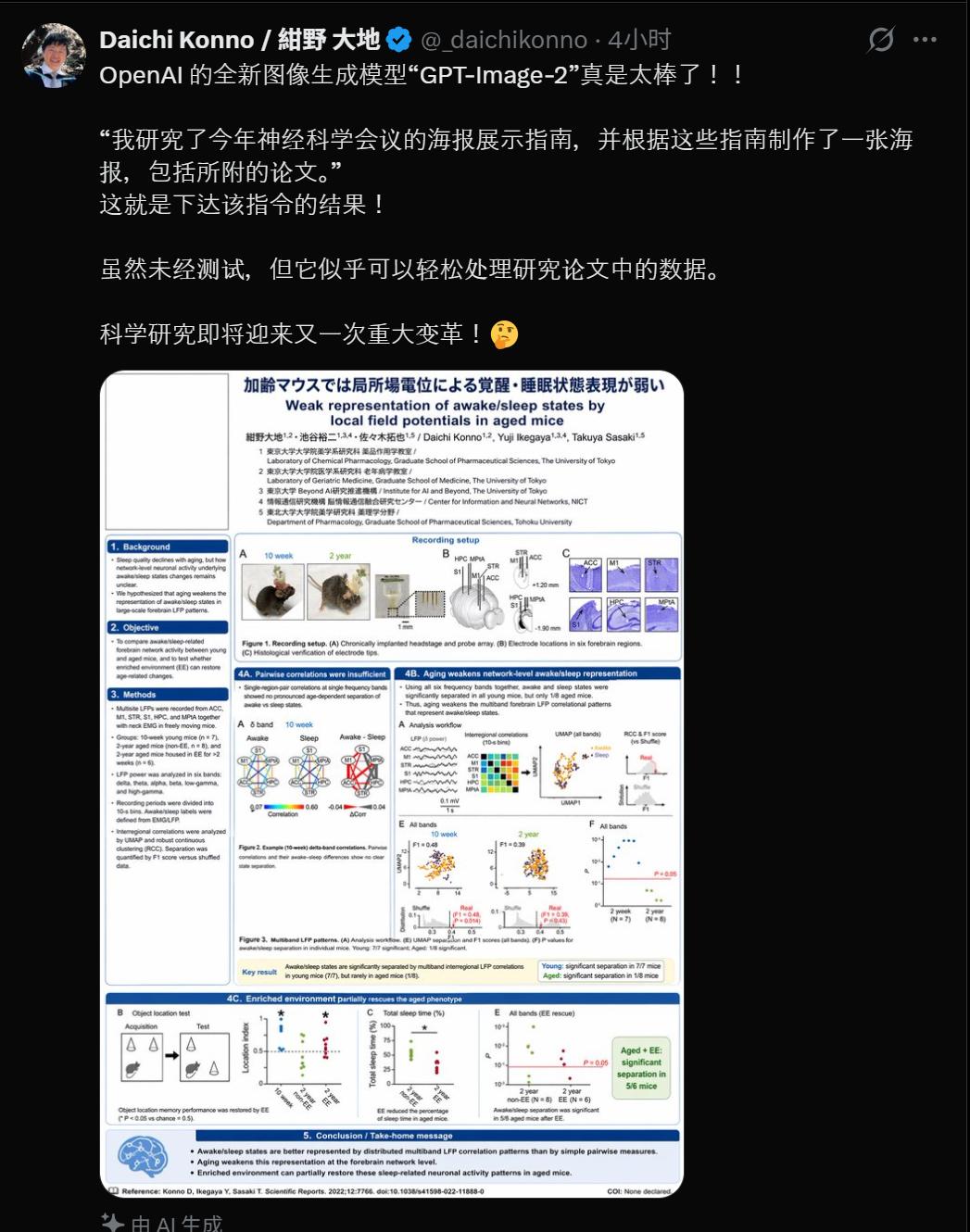
Riley Brown, co-founder of vibecode and an overseas blogger, stated: "This is the best image model."

While ChatGPT Images 2.0 is very powerful, there are still many deceptive photos that need to be treated with caution. The ethical issues surrounding AI-generated images cannot be ignored. If those incredibly realistic images were sent from familiar people, companies, or locations on social media, would anyone be fooled?
03. Conclusion: The AI-generated image industry has reached new heights, but it also requires regulation and governance.
With the demand for AI-generated images increasing, the release of ChatGPT Images 2.0 undoubtedly brings the entire industry to a new level, with significant improvements in image clarity, detail reproduction, stylistic diversity, and creative freedom.
However, with the enhancement of technological capabilities, the industry also faces new challenges, including copyright protection, content censorship, and ethical risks associated with generated content.
Many of these AI-generated "miracle images" are so realistic that they can be mistaken for genuine ones. For example, they can be taken from everyday information such as press conferences, screenshots from social media, and live stream footage. If these images are filled with AI-generated fakes, it's hard to imagine how many people would be fooled.
Future development requires not only advancements in algorithms, but also adherence to standardized industry standards and sustainable application strategies.
It is foreseeable that with the optimization of both technology and governance, AI-generated images will play a greater role in creative design, education and training, entertainment content and many other fields.
This article is from the WeChat public account "Zhidongxi" (ID: zhidxcom) , author: Bi Weihua, editor: Moying, published with authorization from 36Kr.