Since 2026 , the global tech industry has laid off more than 100,000 people. Meta also expects to initiate its first wave of layoffs on May 20, affecting 8,000 people, approximately 10% of its global workforce. The timing of these layoffs coincides closely with the company's push to force employees to embrace AI.
AI usage rankings; employees start swiping tokens.
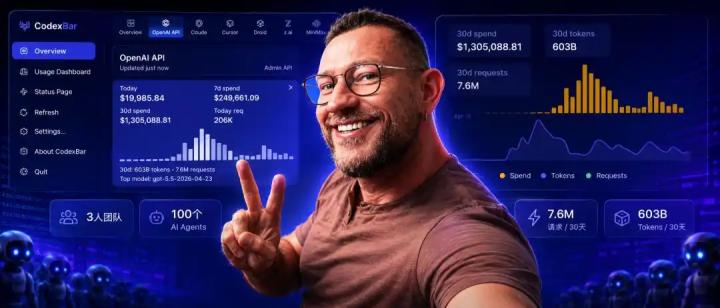
According to reports, Meta has an AI usage leaderboard that tracks the number of AI tokens and the duration of conversations each employee engages in using AI. The logic behind this design is to get employees "accustomed to using AI at work." At a Zuckerberg all-hands meeting, the HR manager assured employees, "AI usage will not be used as a basis for layoffs."
But this number is still being tracked and publicly ranked, and the employees' rational reaction is: inflate the numbers.
One employee admitted that they sometimes deliberately ask the AI pointless questions, not to get answers, but to avoid a poor ranking. This behavior is predictable within any KPI management framework. When tracking becomes a system, optimizing tracking becomes the rational choice. The company quantifies the "use of AI," and employees quantify their compliance.
They cooperate, but they don't believe.
Employees begin pricing themselves for being replaced.
Even more bizarrely, an employee proposed on the Meta internal forum that if you can fully automate your responsibilities, the company should give you five years' salary compensation before laying you off.
This proposal received a lot of support, and this isn't ironic; it reflects a genuine demand. Employees want to at least have a price to pay for their replacement process, to have a fair market value for self-replacement… This scenario was unimaginable three years ago.
Silicon Valley has built a corporate culture myth over thirty years that "people are the most important asset." Now, the same companies are monitoring every keystroke of their employees and using AI to decide whose input is worth preserving.
 Related reports