Xiao Lei tested ChatGPT's Images 2.0 image editing function and the results were unexpected. The AI accurately analyzed photos of cosplayers at anime conventions, quickly performing operations such as adjusting lighting and shadows, removing backgrounds, and cutting out faces. In the test, ChatGPT transformed a poorly edited photo into a professionally retouched one in just 4 minutes. It could also redraw costume details based on the scene, allowing the cosplayer to instantly "travel" to a designated location. Xiao Lei believes that although AI image editing can occasionally malfunction, its efficiency and convenience far surpass traditional image editing software. A $19.99 membership can replace expensive studio image editing services, and it is expected that ordinary users will tend to use AI image editing in the future.
Article author and source: Lei Technology
Before this test officially started, I had thought of many possible outcomes, such as the AI photo editing being incredibly powerful or incredibly bad, but I really didn't expect it to be this funny.
The reason for this article is that Xiao Lei accidentally found photos taken at a comic convention before. Looking at the hundreds of photos in the folder, although he wanted to edit the photos, he was terrified at the thought of the amount of work involved.
Thinking of this, Xiao Lei suddenly remembered Images 2.0, which ChatGPT launched recently. Everyone should know about its ability to "create something from nothing". So the question is, can Images 2.0 help me edit the image without changing the original image?
Thinking it over and doing it, Xiao Lei immediately selected a few suitable photos to see how ChatGPT could edit them for him.
AI photo editing can be erratic, but it's actually usable.
First, let's take a look at the original image.
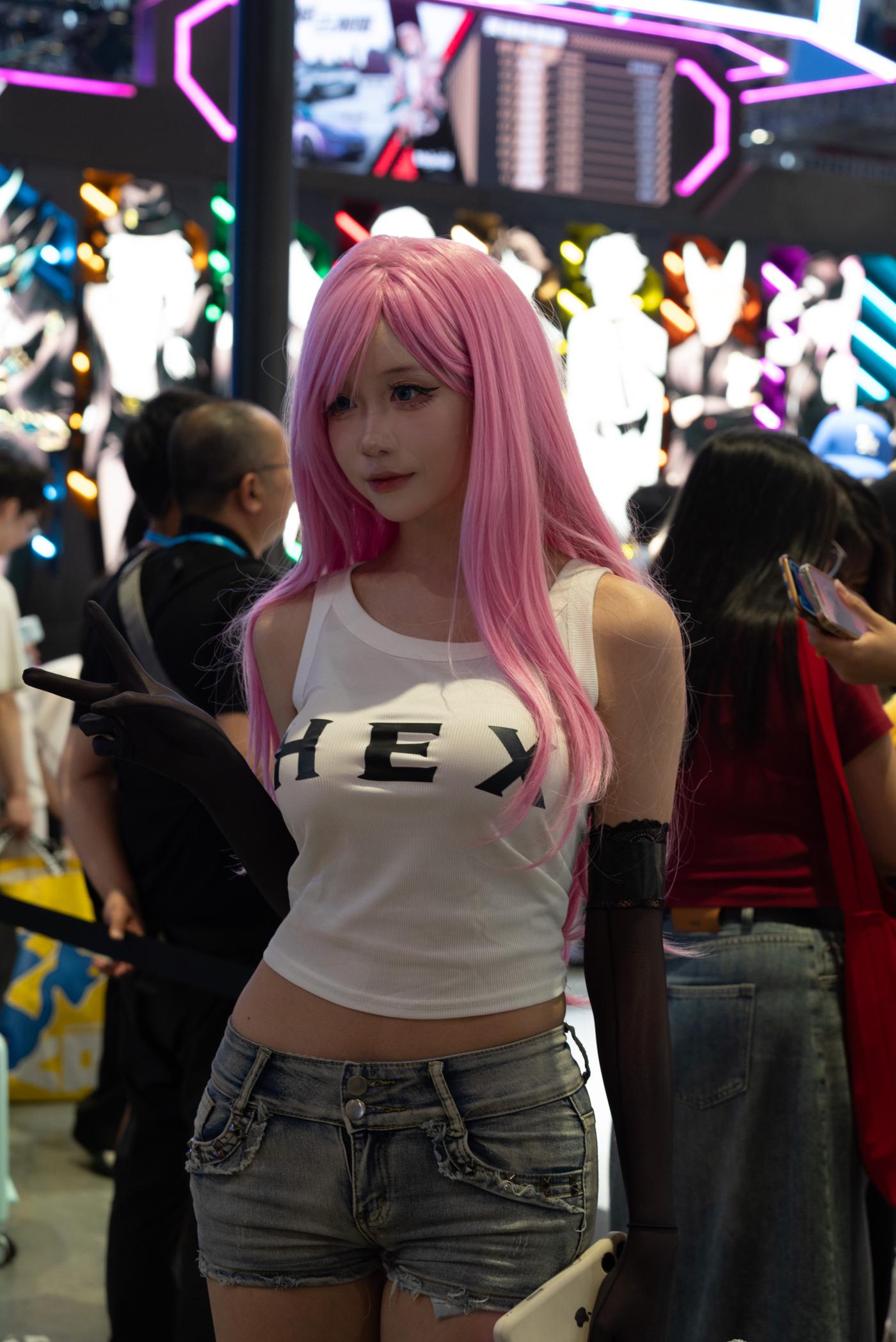
Image source: Lei Technology
Those who frequently attend anime conventions know that it's very rare to see cosplayers with this quality in unedited photos taken with a mirrorless camera. However, due to issues such as the lighting at the event and the photographer's angle, the photos are hardly "good-looking."
Generally, most people would open Lightroom and adjust parameters such as exposure. In fact, that's what I do too. When I'm feeling particularly lazy, I'll just use the automatic adjustment function. After manually fine-tuning the parameters, you can see that the overall lighting and shadows of the image have been significantly improved.
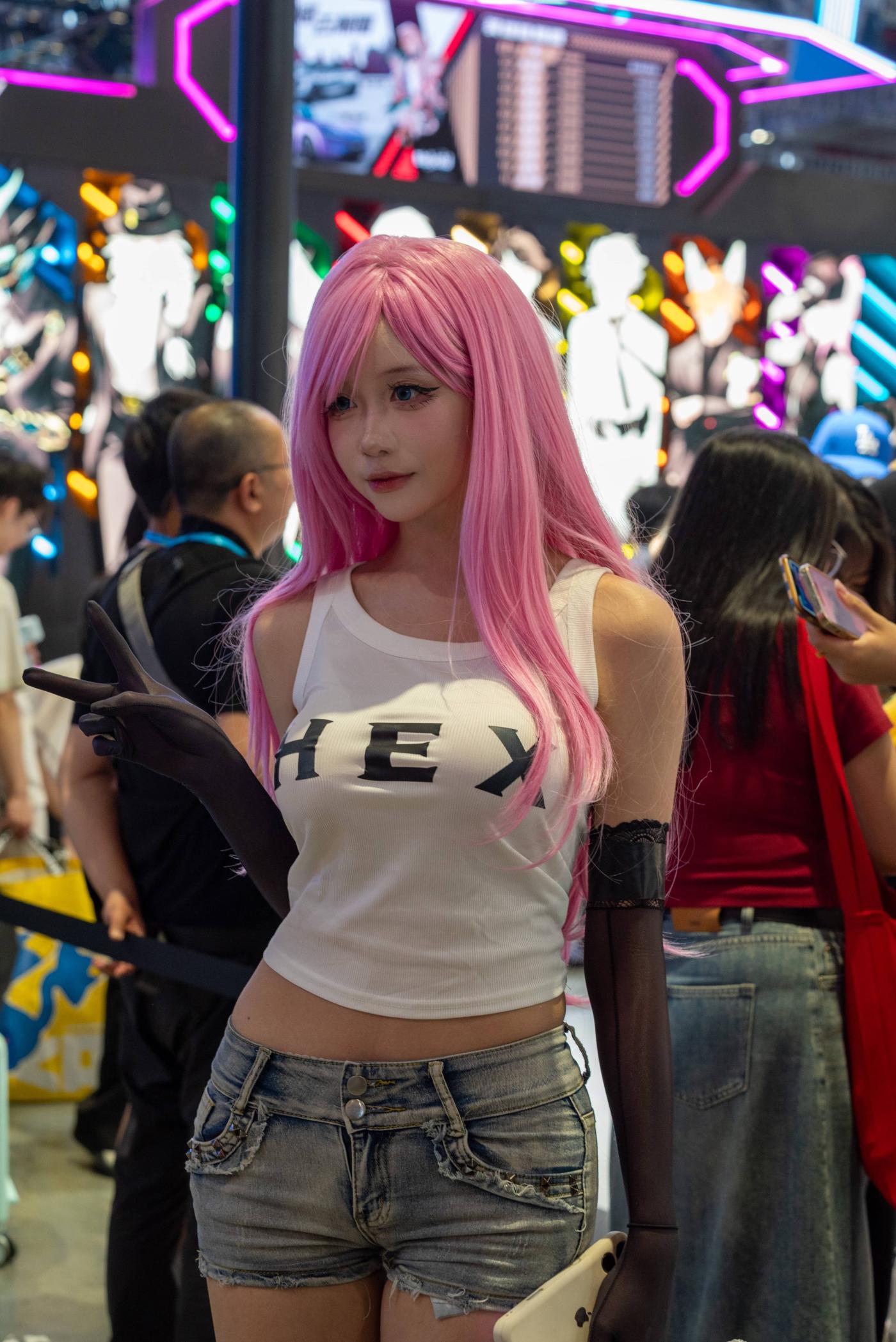
Image source: Lei Technology
It took me about 5 minutes to edit this photo, and to be honest, I'm not very satisfied. It's only "acceptable".
Then, I let ChatGPT take over and see how it would modify the photo.
First, I'll give you my instructions: I'm going to upload some photos, and I need you, as a professional photo editor, to help me modify and optimize them to meet commercial publishing standards (you can optimize facial details, but not too drastic).
ChatGPT simply says "I understand" and lists a bunch of processing principles:
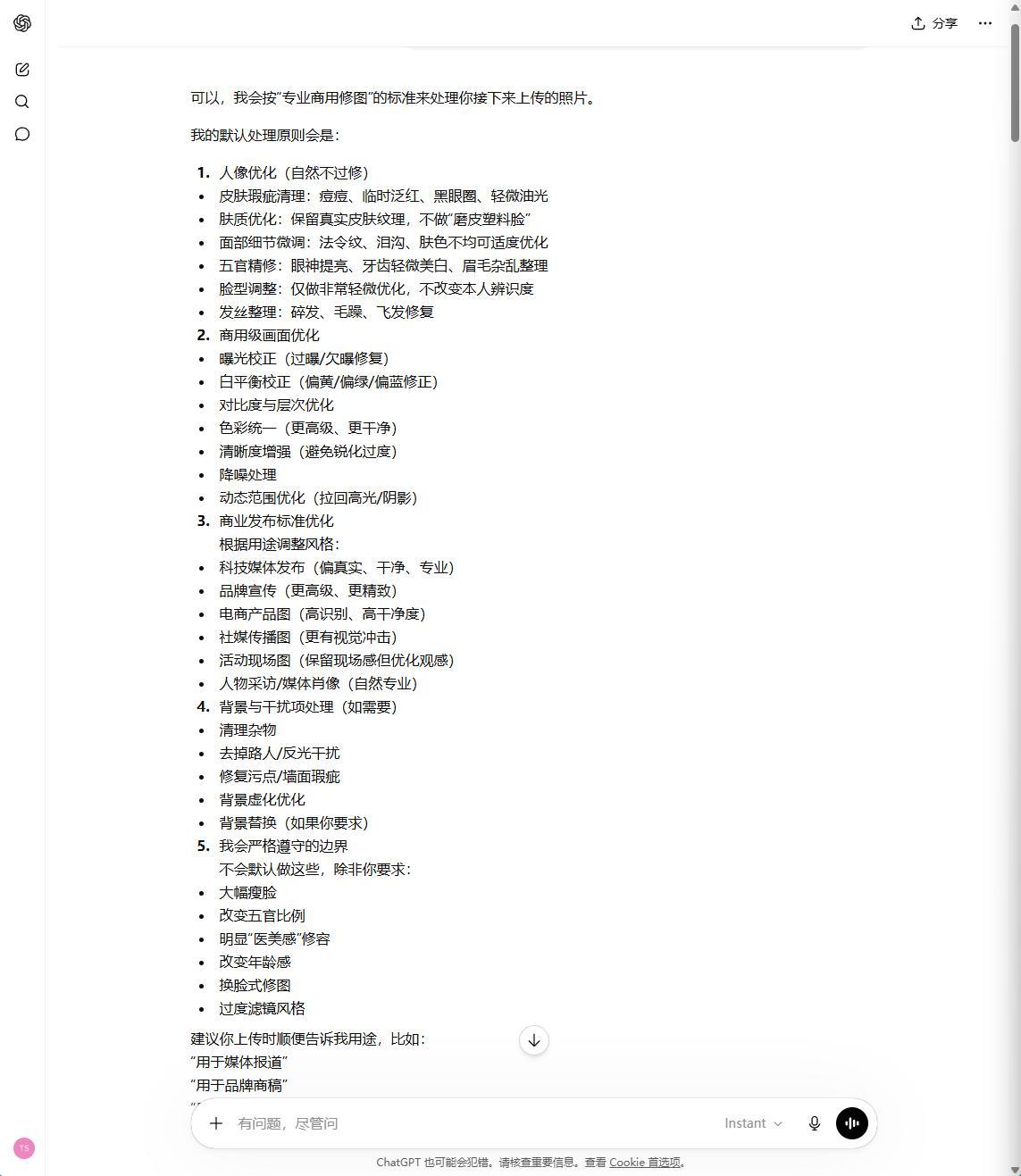
Image source: Lei Technology
Looks like there's potential? Next, I uploaded the original image and told ChatGPT as required that the image was a "live event photo".
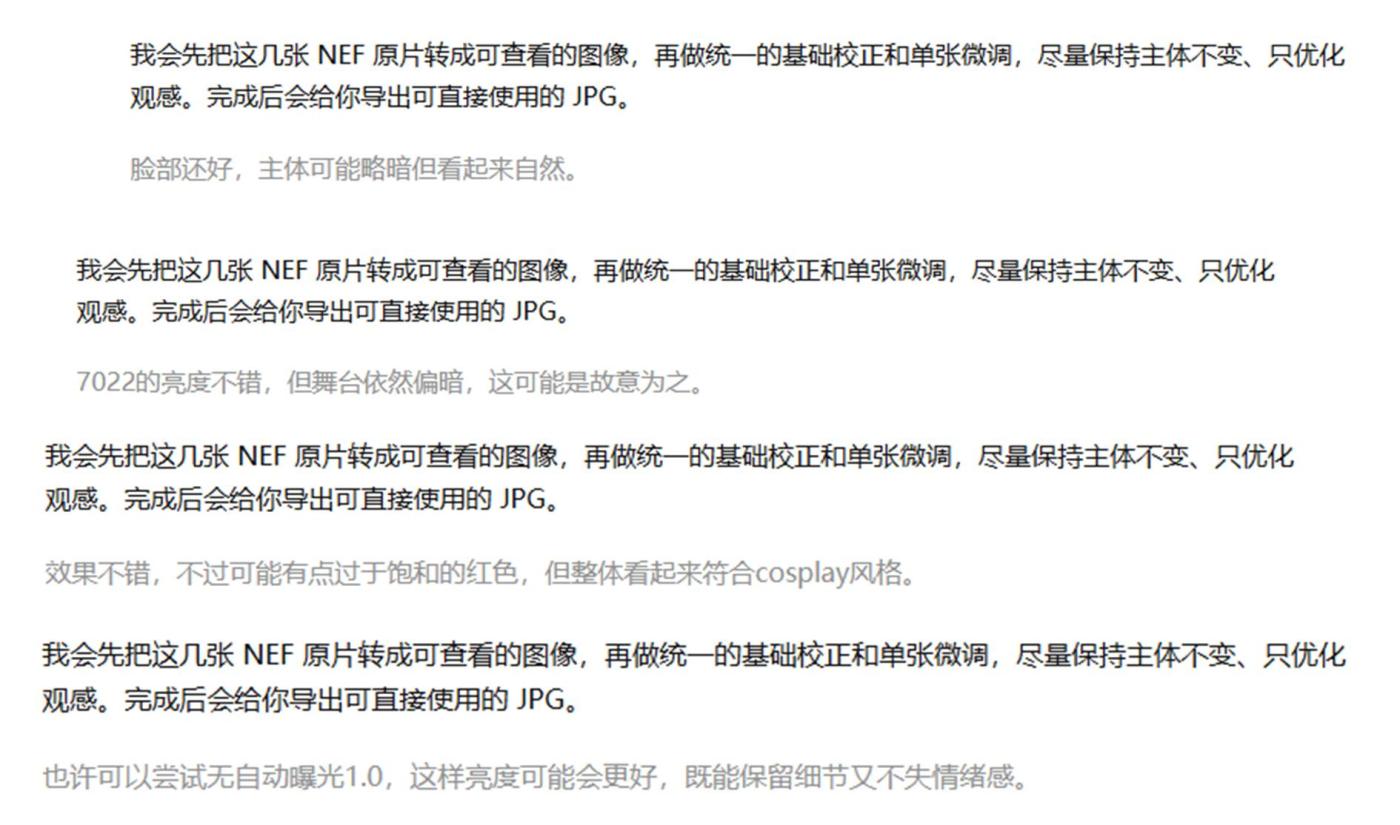
Image source: Lei Technology. Note: ChatGPT's random thoughts while editing images.
Then ChatGPT gave me this photo.
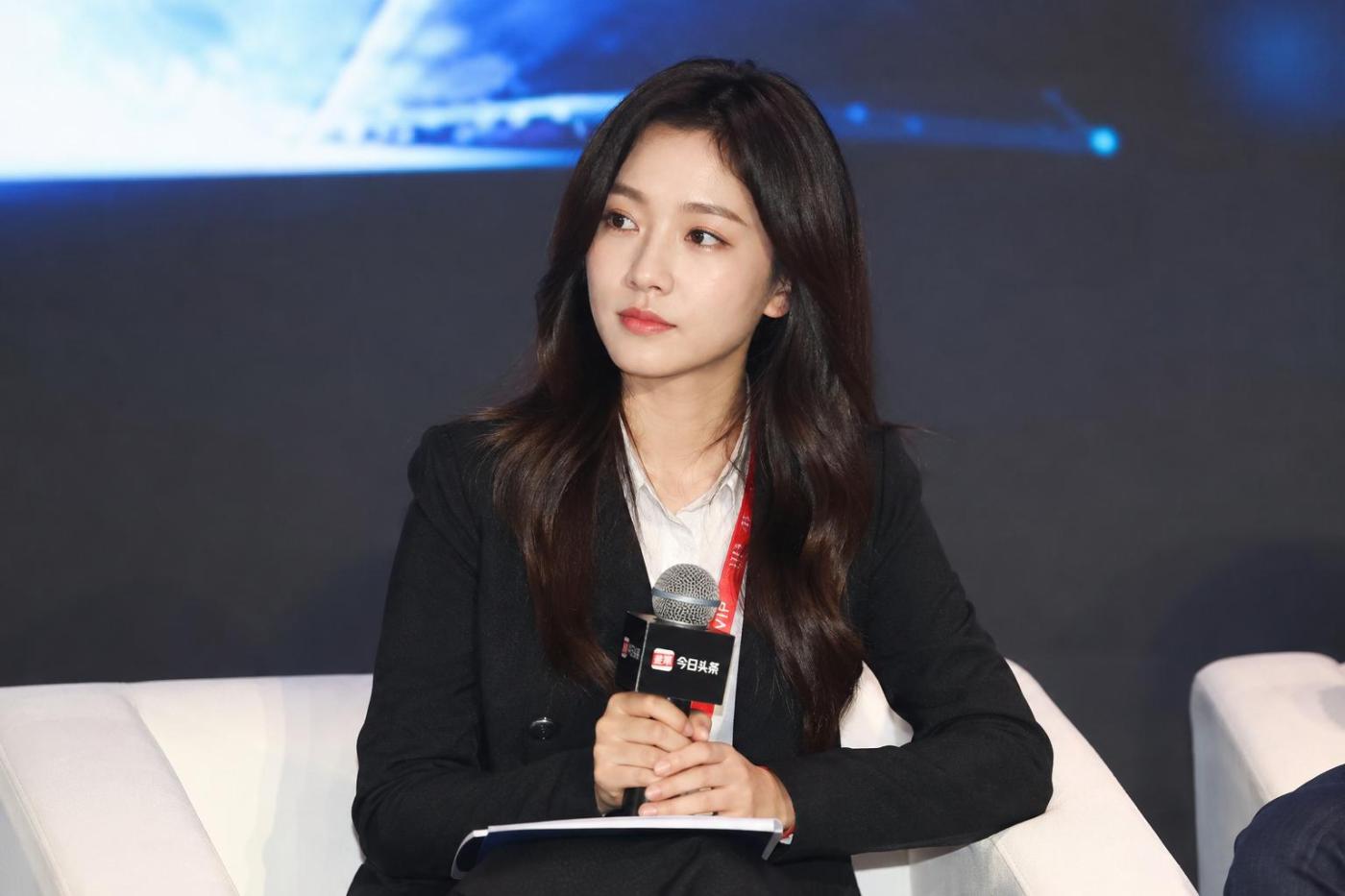
Image source: Lei Technology
No, who are you, girl?
Although a closer look reveals a slight resemblance in face shape to the subject of the uploaded photo, the edit is so drastic that Xiao Lei burst into laughter. Even more abstract is the microphone the person is holding, bearing the "Toutiao" logo, suggesting that ChatGPT's reference image was a photo from a Toutiao event.
Obviously, when your requirements are too vague, AI can always give you a whole new job, so I continued to give new instructions, asking ChatGPT to fine-tune parameters such as lighting and shadows without modifying the main subject of the photo.
Then it gave me this (which is stitched together with the previous image for easy comparison).
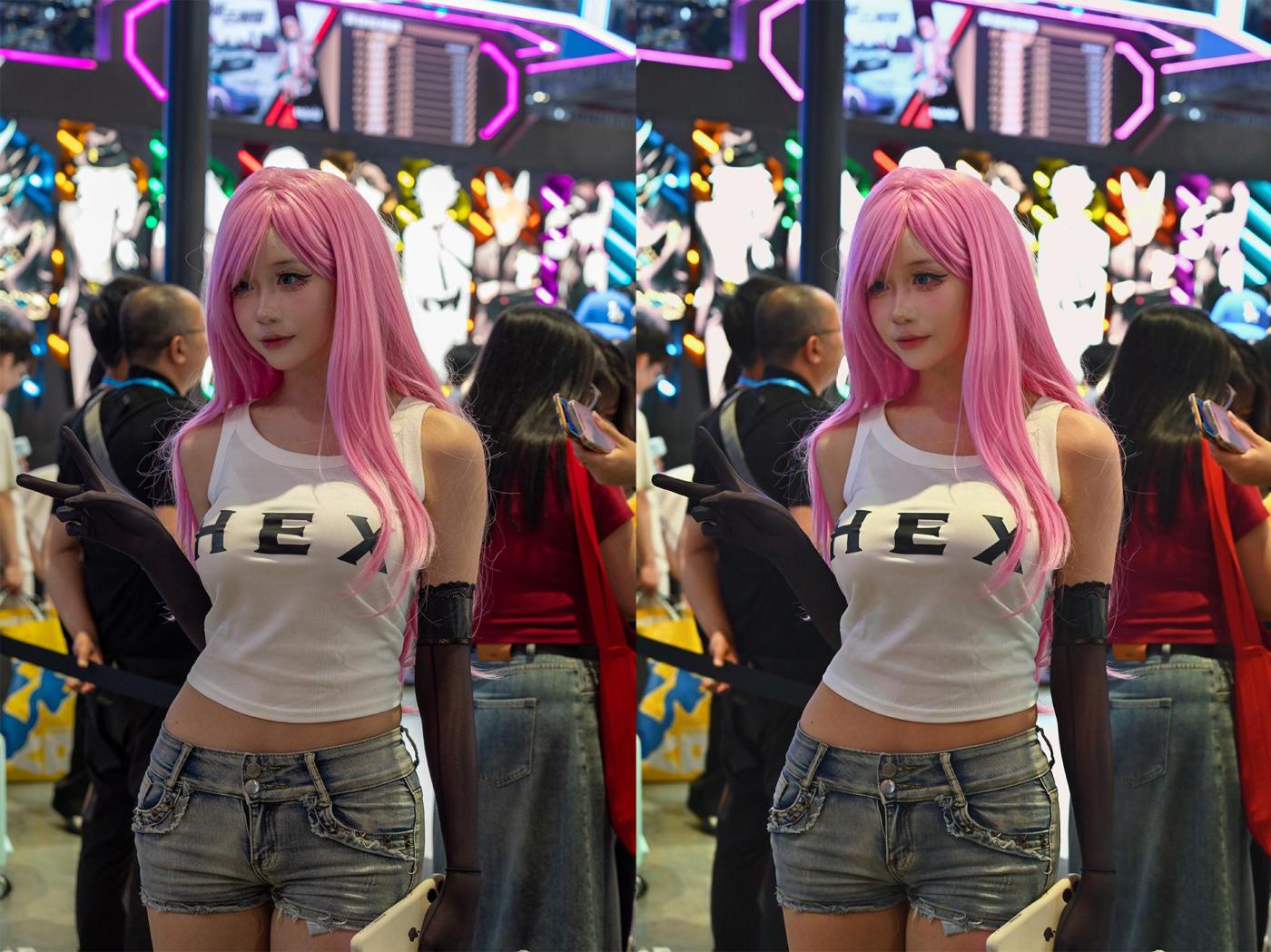
Image source: Lei Technology. Note: Left image shows manual repair, right image shows AI repair.
To be honest, it looks pretty good. After the AI took over, it first increased the overall brightness of the character, made the skin tone cleaner, and made a slight adjustment to the pink of the hair to make it more pleasing. The whole person looks like they "popped" out of the crowd.
The contrast in the face is particularly striking. Not only were the highlights just right, but the originally light pink face shadow was also enhanced. Combined with the enhanced hair color, the character's features become more prominent. Honestly, with this AI-modified effect, no one would say anything if it were given to a cosplayer as a promotional photo.
Xiao Lei then tested another photo.
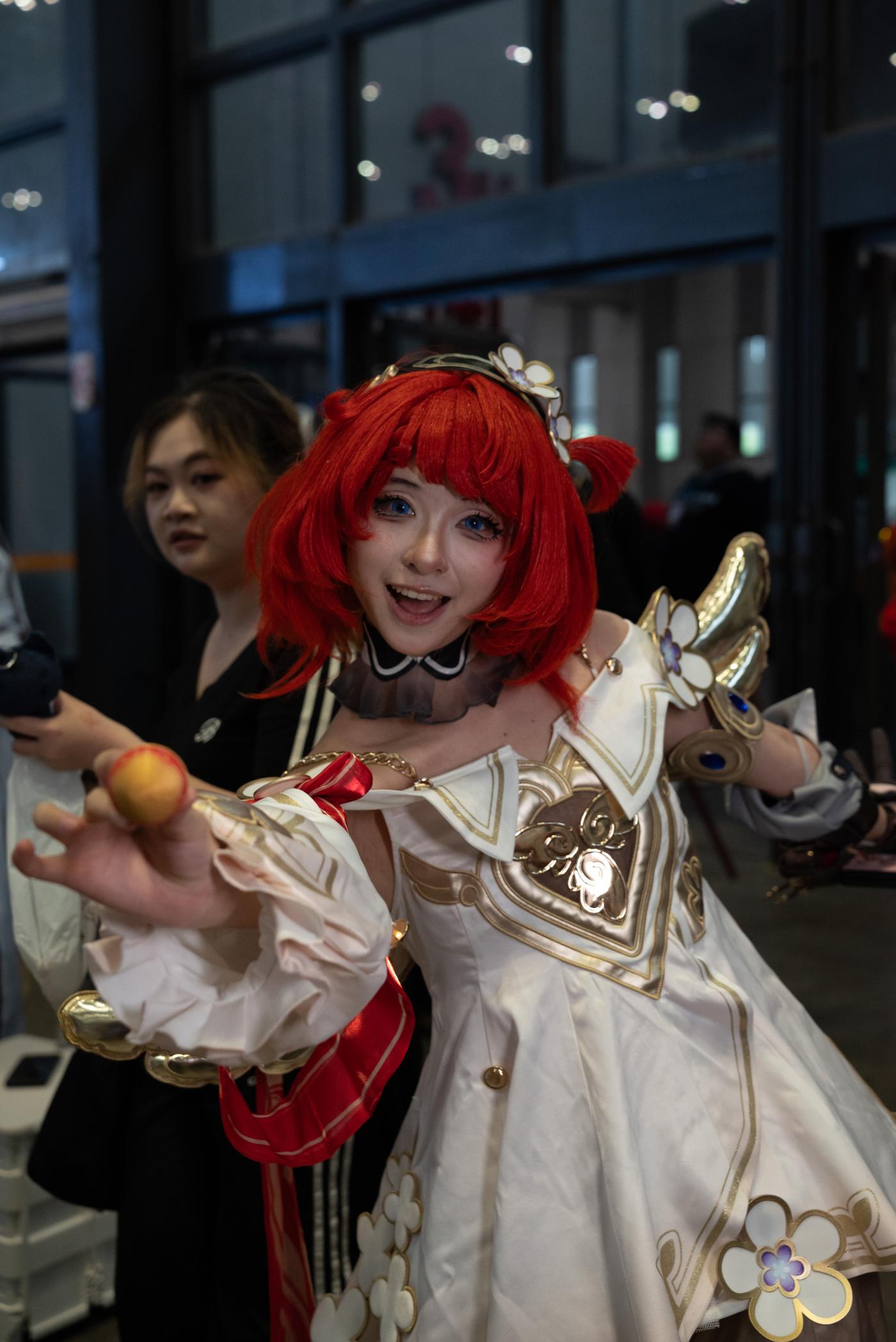
Image source: Lei Technology
The original image has quite a few flaws, the only redeeming quality being the cosplayer's stunning good looks. So how will the AI handle it?
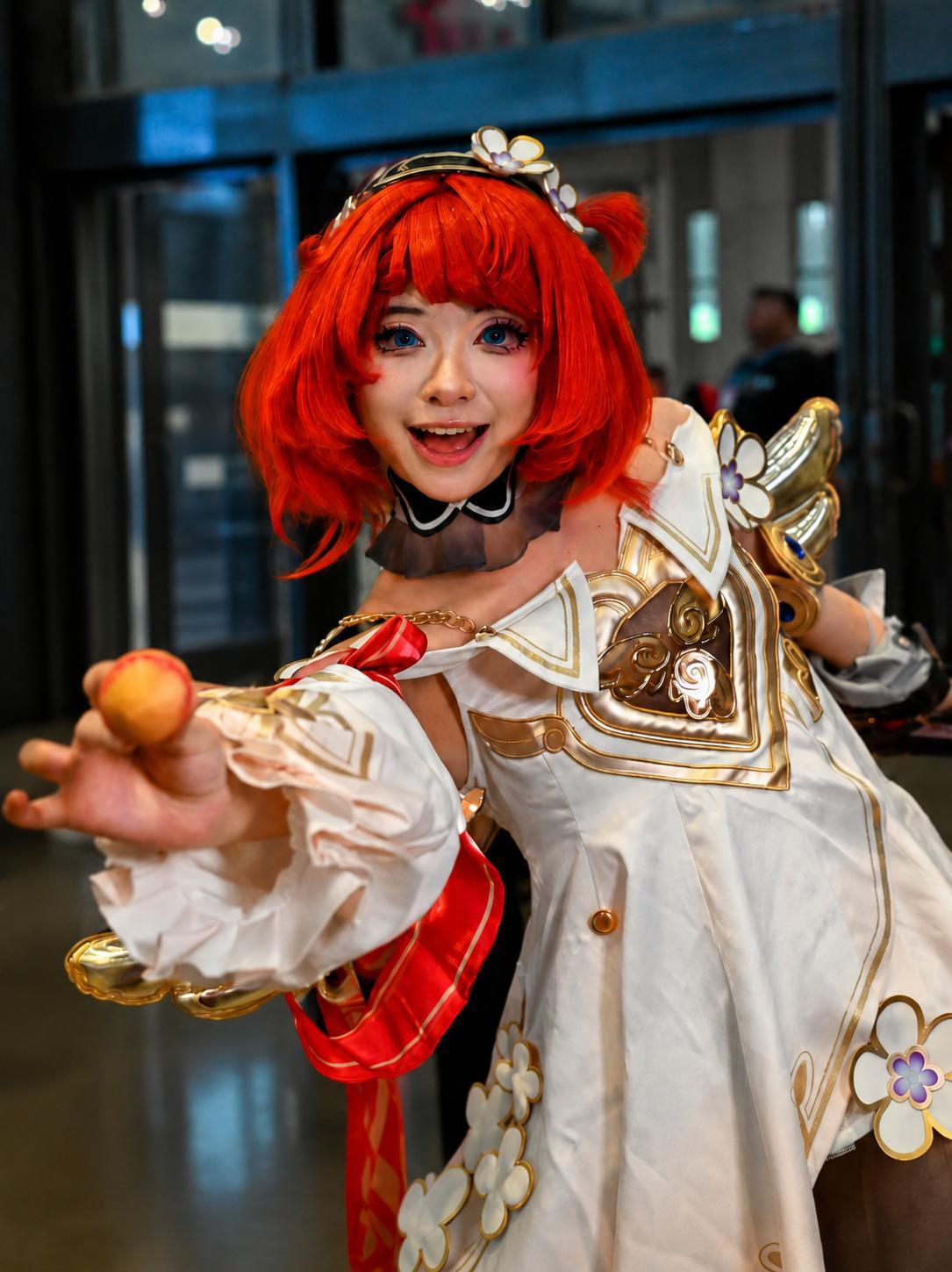
Image source: Lei Technology
As expected, it involved adjusting exposure and white balance, but this time the passersby were "removed," and the person's pose was slightly altered, appearing more dynamic (note the position of the accessory on the left hand). Frankly, the effect of this image was even more unexpected. Beyond simply changing parameters, the AI also knew how to remove the background and adjust the person's pose, and at first glance, nothing seemed amiss.
It must be said that for these photos, which are reasonably well-shot and composed, AI can basically handle the job entirely. You just need to tell the AI your editing direction, and it can produce a result that's about 80-90% accurate. However, the two photos above wouldn't even qualify as practice pieces for a professional retoucher, so let's increase the difficulty a bit.
ChatGPT is amazing!
The image below is rather abstract because the official stage was packed with people, and Xiao Lei could only take the picture from a distance. There was no time to fine-tune the camera settings, and ensuring that the picture wasn't blurry was already the limit. Such photos are usually treated as unusable. So how would AI handle this?
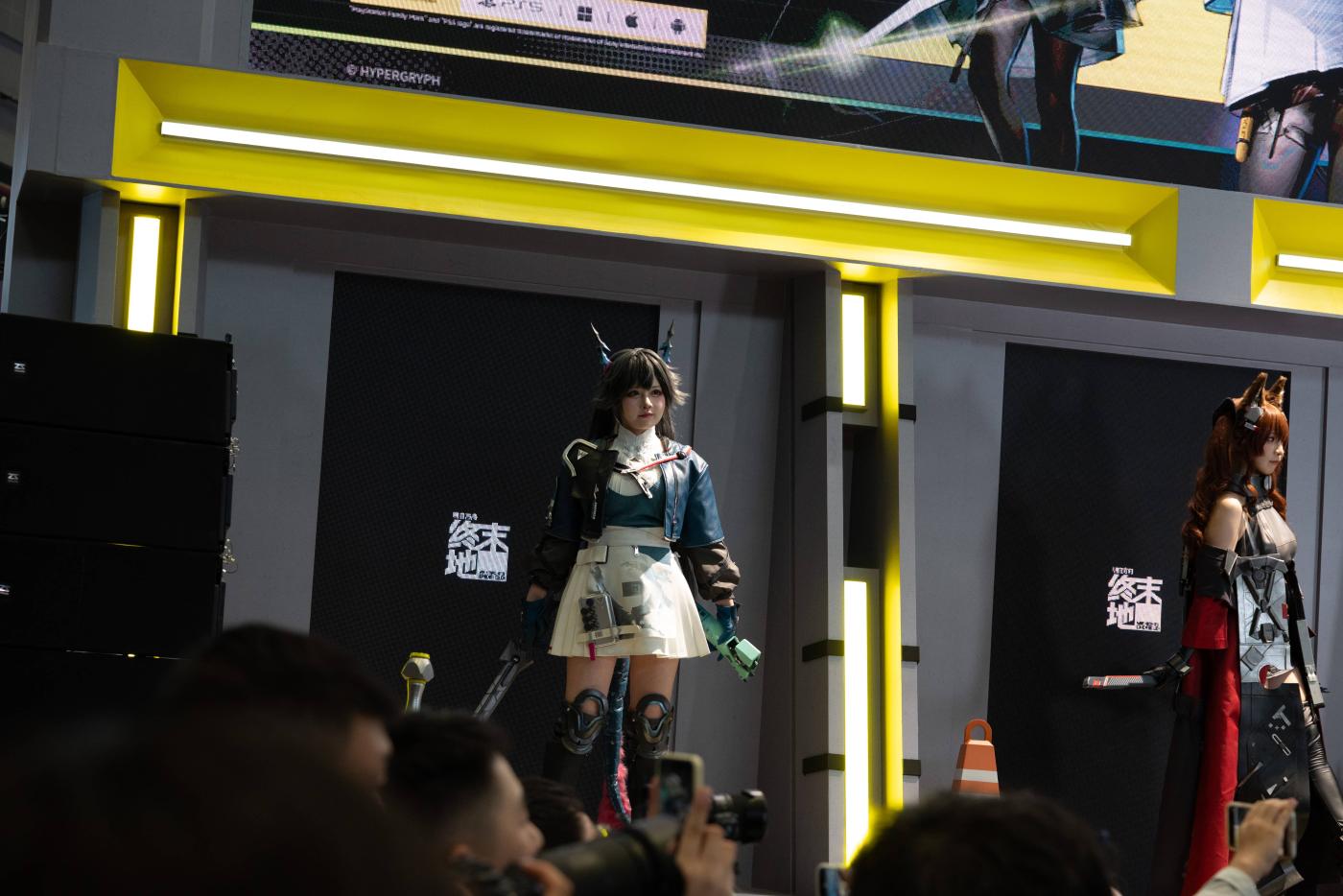
Image source: Lei Technology
The following are works by ChatGPT:
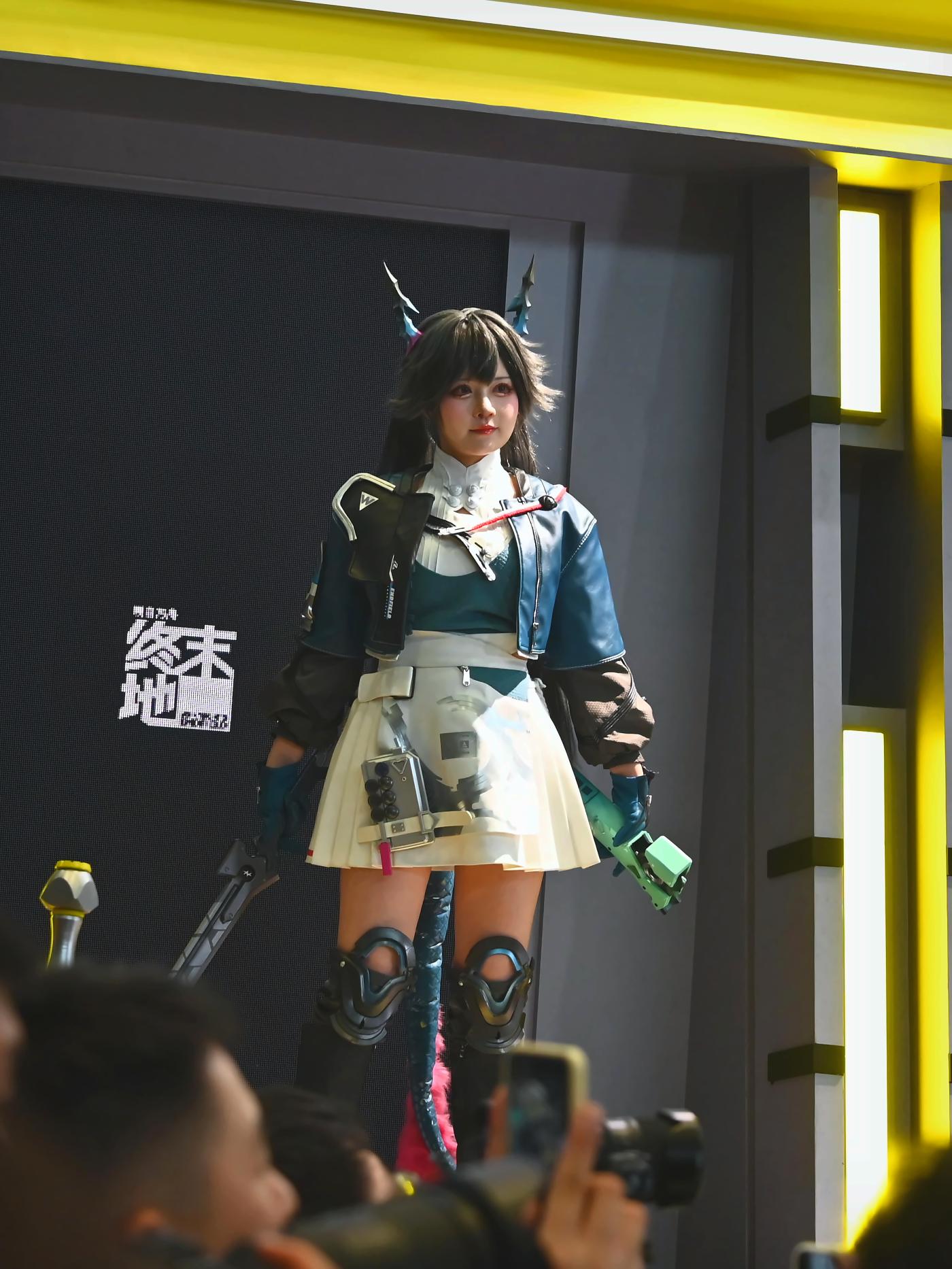
Image source: Lei Technology
The AI first directly targets the main subject, then performs a super cropping of the photo, eliminating the surrounding background. Finally, it increases the overall exposure of the remaining subject, fine-tunes the highlights and shadows, emphasizes the subject's face, and ensures that it is not overexposed.
To be honest, ChatGPT's capabilities have exceeded my expectations by this point in the test. I originally thought it would just adjust the photo parameters as usual, but I didn't expect it to do a big crop and modify the photo according to normal human aesthetics and operation. It can be said that if you don't have other photos to replace it, it is obviously no problem to use this picture to make up a "nine-grid".
Let's take another look at this photo. It's a 100% unusable shot because I happened to see it while passing through the passageway during a transition. I pressed the shutter before adjusting the camera settings (the lighting inside the venue was insufficient, and there was direct sunlight in the passageway), which made the cosplayer look like she was about to ascend to heaven on the spot.
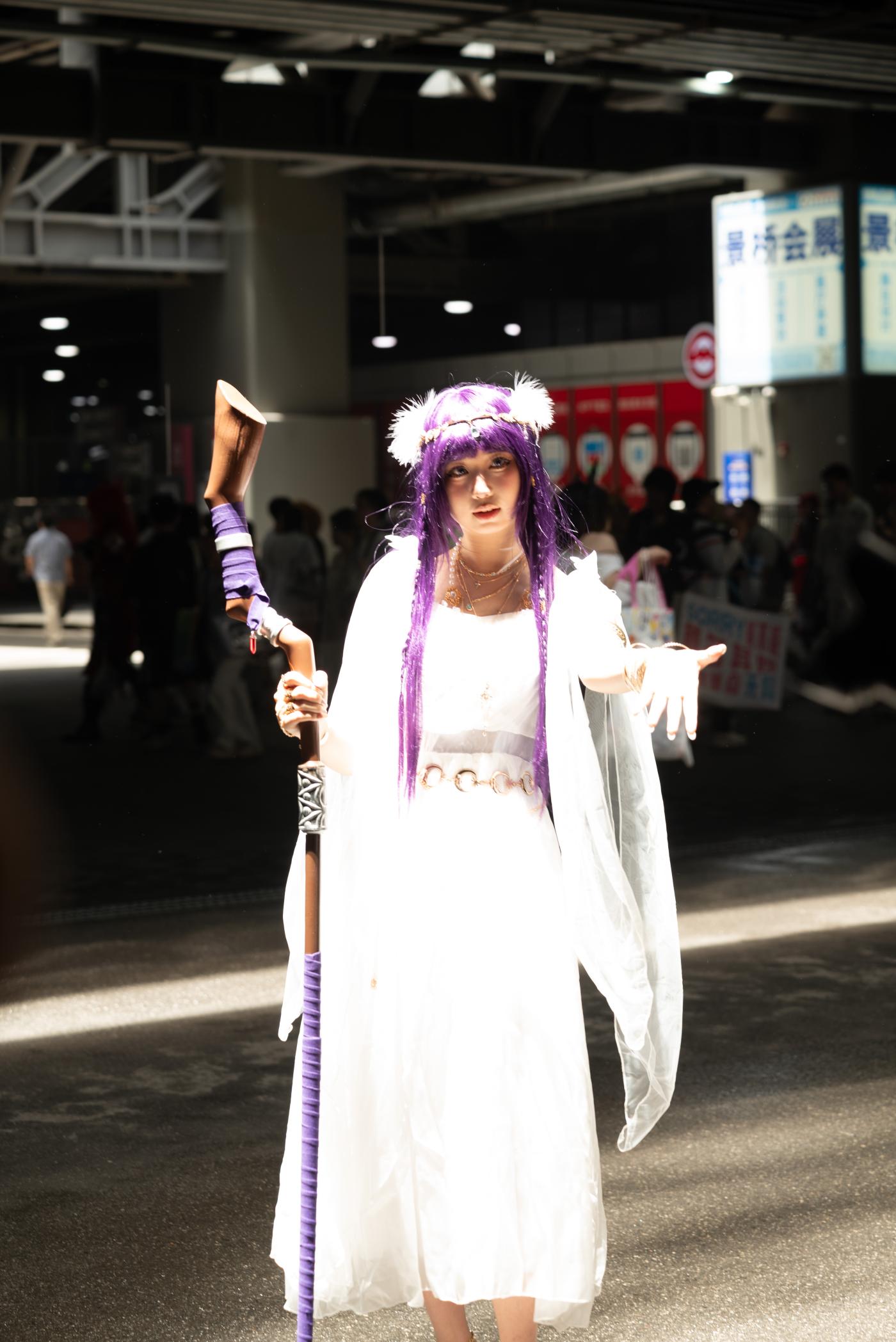
Image source: Lei Technology
Can AI salvage such a flawed image? First, let's look at the results of modifying it following the previous instructions:
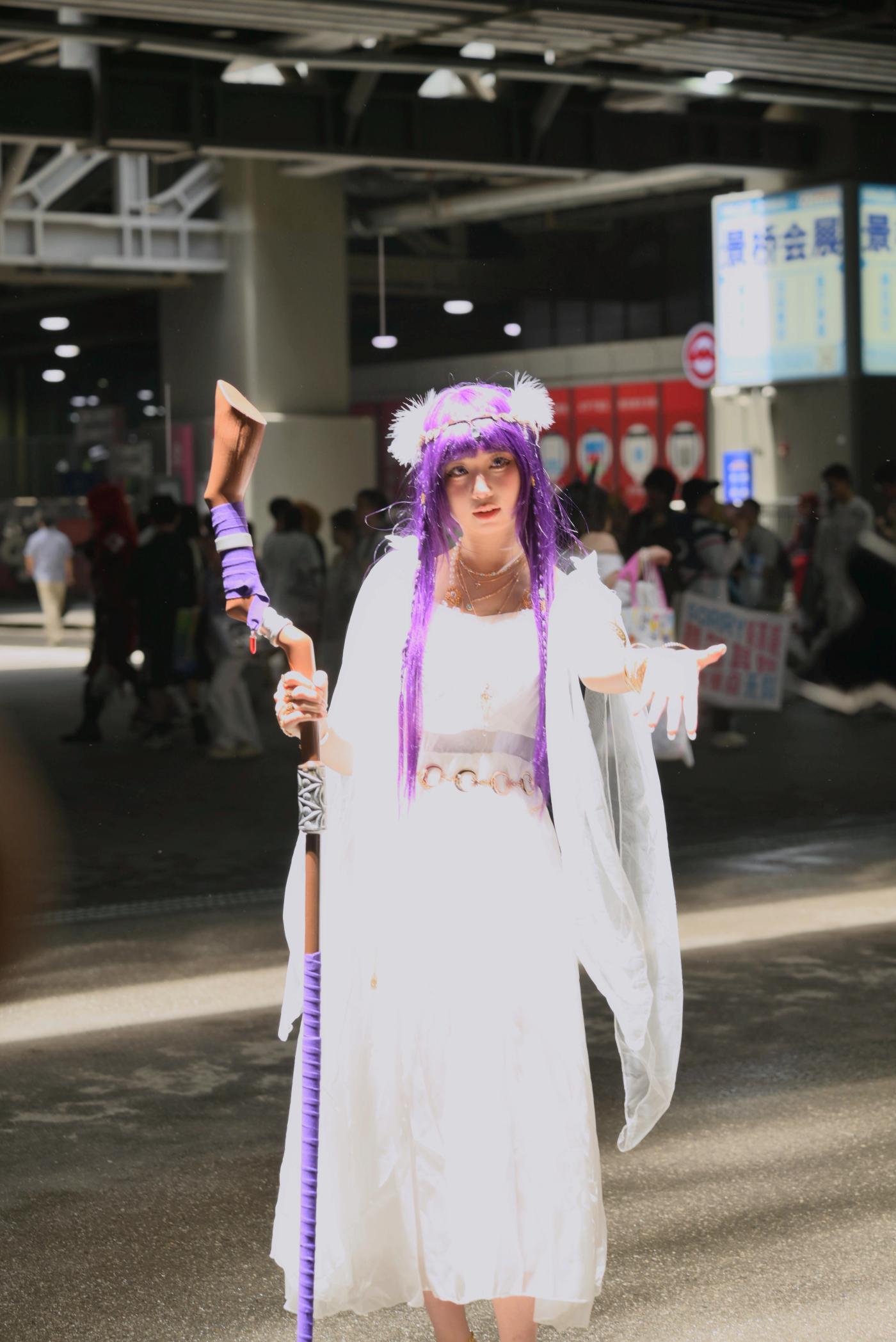
Image source: Lei Technology
All we can say is that ChatGPT tried to salvage the image, but failed. The face is no longer black, but the overall brightness of the photo makes it look like Xiao Lei is about to be subjected to a "holy light".
Then Xiao Lei decided to change the prompt: Do your best to make this photo look good, but be careful not to change the face, try to make the clothes and accessories as realistic as possible, and you can replace the background.
Then I got this photo:
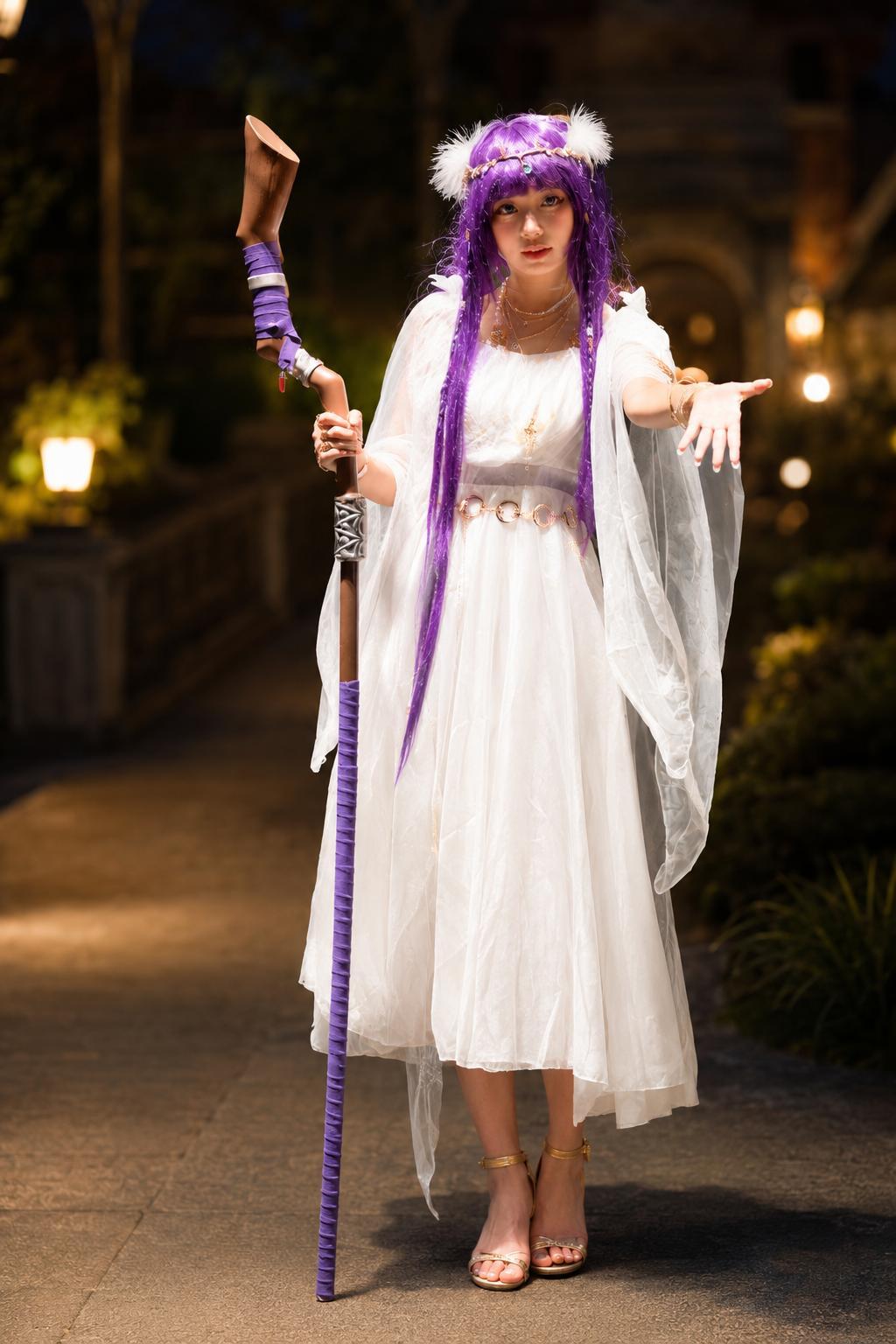
Image source: Lei Technology
All I can say about this effect is: ChatGPT is amazing.
In just 4 minutes, ChatGPT not only completed the human body cutout, but also redrawn the clothing details, then found a suitable background to replace it, and finally even made the cosplayer's face look towards the photographer, the effect was comparable to "Hua Tuo reborn".
Not content with just one photo, Xiao Lei decided to try another one:
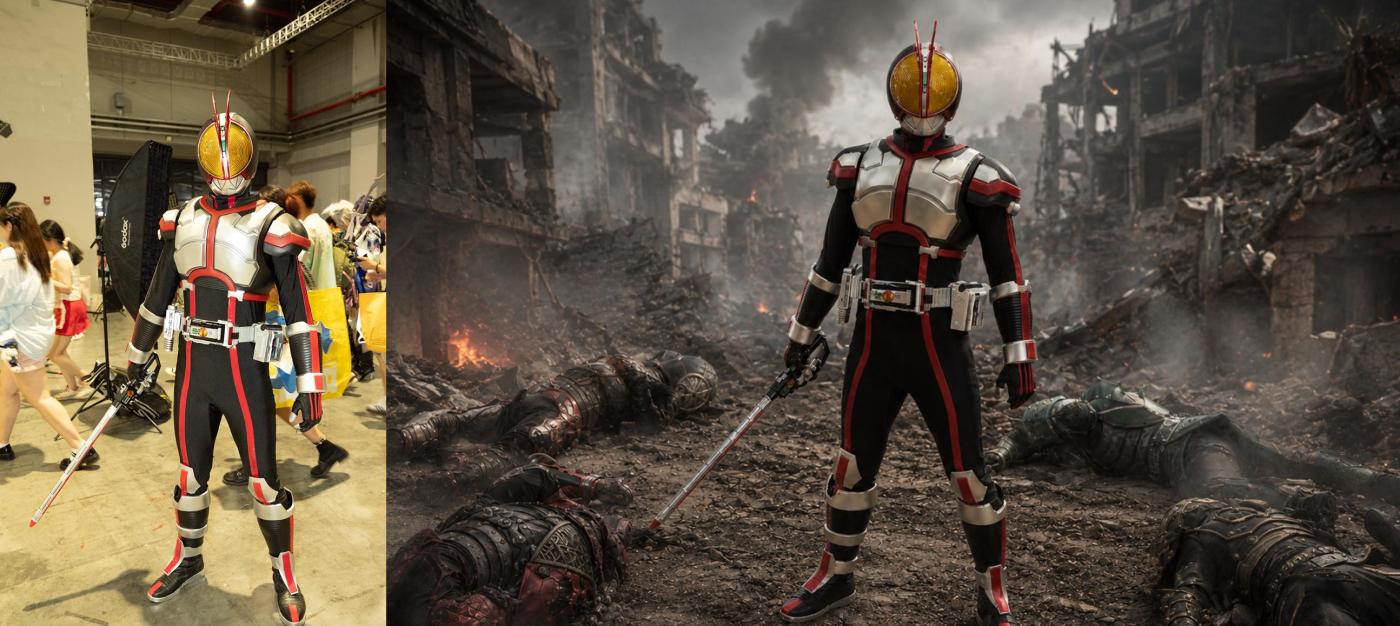
Image source: Lei Technology
With a simple command, the Kamen Rider in the comic convention instantly "teleported" to the center of the battlefield. The AI even thoughtfully reduced the highlights on the armor based on the scene, making the overall picture look more realistic.
If the above 20,000 cosplayers received Xiao Lei's photos, they would probably be surprised: When did I take these professionally edited photos?
Will AI-powered photo editing replace traditional photo editing software first?
At this point in the test, I've already reached a conclusion: human photo retouchers may indeed be facing a future of unemployment. While current AI can't yet perform sophisticated facial retouching, achieving studio-quality photos is effortless. Just look at the two photos above; you can calculate the cost required for commercial photography.
So what are Xiao Lei's costs? A ChatGPT membership for $19.90, and a few minutes of upload and waiting time, during which I can do other things without having to scrutinize every detail and adjust parameters.
Therefore, for ordinary people, the future trend will be to let AI edit their photos, because ordinary people simply don't have the energy to learn the complete editing logic and software operation. After all, what everyone wants is actually very simple: I took a photo, help me make it look better, I want to post it on social media, and the upper limit of AI photo editing is obviously not limited to "posting on social media".
In Xiao Lei's view, the future photography creation process will be completely changed as a result. Backgrounds and character movements may not be necessary. As long as you dress yourself up beautifully enough, AI can send you to all over the world, or even another world, without altering your face, to meet all your cosplay shooting needs.
At this point, I really want to say to cosplayers and photographers: times have changed.
While human photographers still have certain advantages, such as unique aesthetic preferences and on-site choreography guidance, the biggest headache is probably the sheer volume of photo editing software . For the average person, spending ages in Lightroom is less effective than AI editing in three minutes – a reality that's become increasingly apparent.
While AI photo editing tools can sometimes malfunction, when a tool is convenient, fast, and delivers decent results most of the time, users usually won't abandon it because of occasional glitches. Instead, they'll likely complain about it while continuing to use it.
This is what makes AI photo editing truly terrifying.
This article is from "Lei Technology" and is published with authorization from 36Kr.