Summary
This hot report mainly reviews the status quo of the entire Layer 2 ecosystem after Arbitrum one issued tokens, and draws the following conclusions:
Arbitrum's AirDrop has brought about a wealth-creating effect and triggered a wave of Layer 2 interactions, especially zkSync and StarkNet. ZkSync gas consumption has increased by 82% in the past week. Goerli ETH test coin price rises.
Chinese users have a soft spot for AirDrop. In the past month, google trends ranked first.
Other Layer 2 testnet projects, including Scroll, Base , and Linea, will become rising stars.
Due to the popularity of the BTC NFT of the Ordinal protocol, the BTC second-layer ecology has begun to attract attention, and the second-layer projects led by Stacks have begun to gather strength.
Layer 2 technology and ecology still need to be continuously improved, and the real Summer of Layer 2 will not be until 2024.
1. Carnival under the Arbitrum Airdrop
The most exciting thing in March 2022 is undoubtedly the AirDrop of Arbitrum, and the price of $ARB is also in line with everyone's expectations, stabilizing around $1~$1.5. According to the official AirDrop rules, 625,143 addresses are qualified for airdrops , and the AirDrop supply exceeds 1 b, and each address gets an average of 1,859 $ARB, worth about $24,167, which undoubtedly brings a big wave of wealth effect, and the interaction cost will not exceed $10. Since the release of the AirDrop rules, Arbitrum One's TVL has risen all the way to $2.25 b, accounting for 66.86% of the entire layer 2 ecosystem. The number of unique addresses has exceeded 4 million, and the number of active users in the week of the AirDrop reached 1.38 m. Even after the AirDrop and token issuance, Arbitrum’s on-chain activity is higher than other public chains and the Ethereum mainnet.
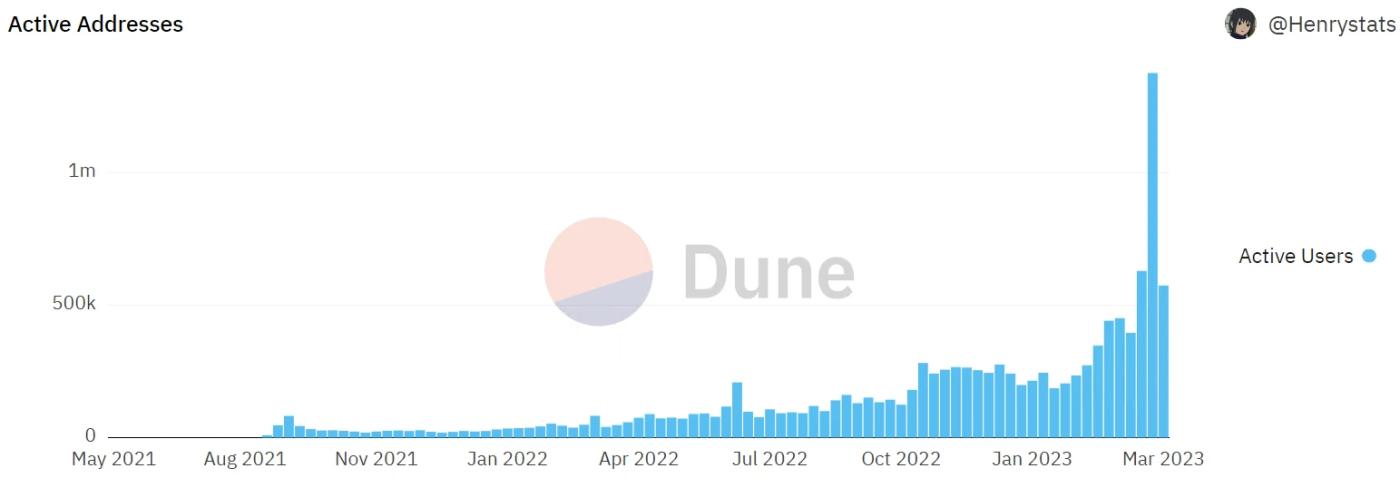
Figure 1. Arbitrum Weekly Active Addresses (Source: dune, @Henrystats)
The AirDrop of Arbitrum brought about some interesting phenomena:
(1) Arbitrum's AirDrop rules do not effectively shield Sybil addresses. This has resulted in certain individuals and groups gaining huge wealth, and 1007 contract addresses have also received AirDrop, with a total of about 1 million, and the AirDrop rules cannot effectively prevent the following four types of witches:
Witches with less than 20 addresses;
A witch who deposits and withdraws through exchanges , Cross-chain bridges, and smart contracts ;
Sybils with obvious NFT or fund-sweeping behavior after the snapshot;
Witch with apparent batching behavior on other chains like OP, Ethereum.
(2) Due to the wealth effect, a large number of users have poured into other Layer 2 projects that have not issued coins to interact, especially zkSync and StarkNet, the remaining four kings of Layer 2 projects, and even the Goerli testnet project has also attracted users. The Goerli ETH test coin is starting to have a price.
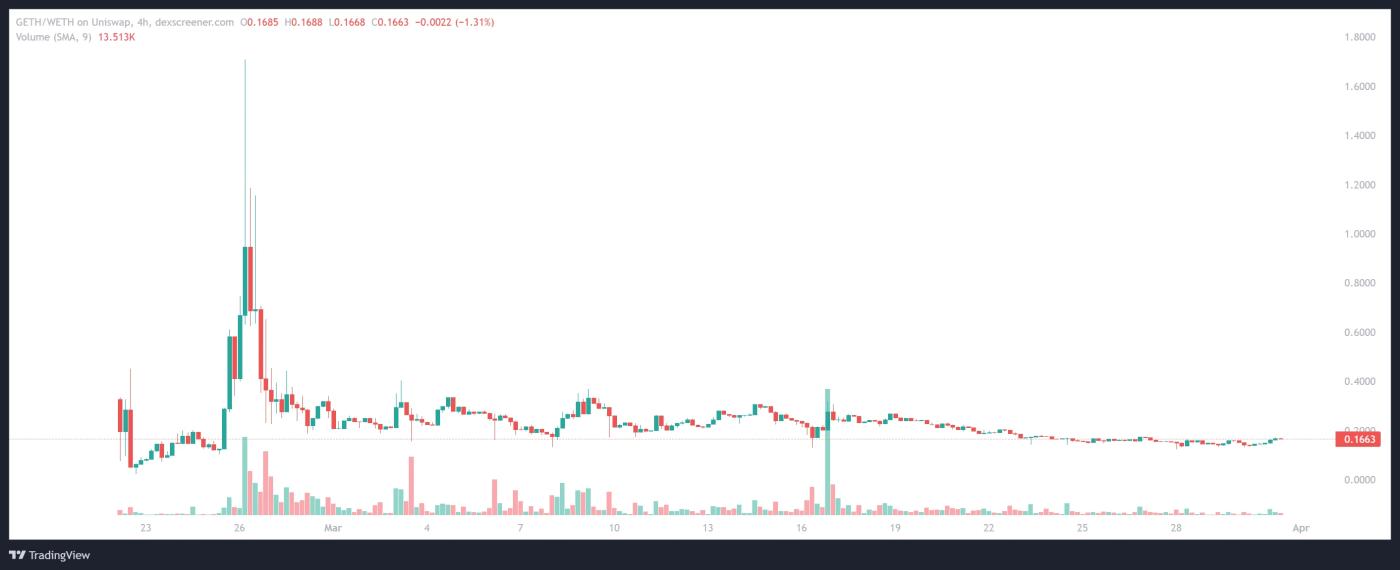
Figure 2. Goerli ETH price curve (source: TradingView)
(3) Layer 2 interacts frequently, ETH gas is burned, and ETH is stable and deflationary. ZkSync’s gas consumption has increased by 82% in the past week, reaching 1003 ETH.
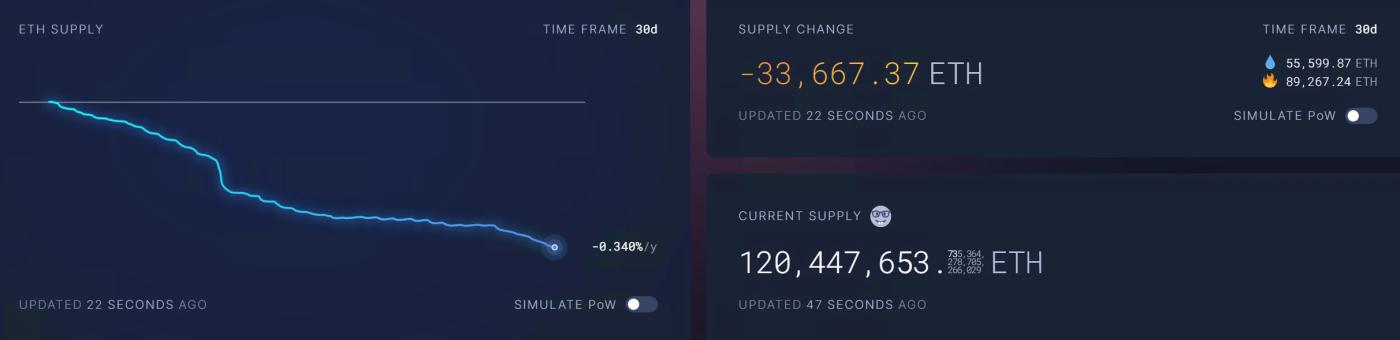
Figure 3. ETH supply and combustion (Mar.1-Mar.30, source: ultrasound.money)
(4) Chinese users have a soft spot for AirDrop. According to Google trends, the search volume of zkSync in China ranked first in the world in the past month.
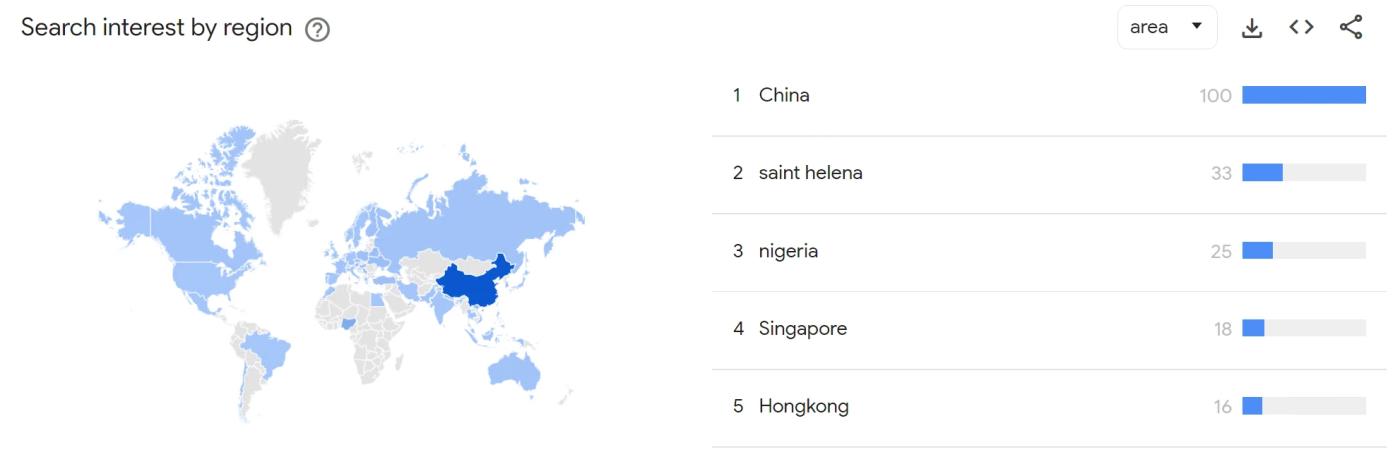
Figure 4. Ranking of zkSync popular regions in the past month (source: Google trends)
(5) After the issuance of $ARB tokens, FDV reached $1.5 B, the market value of Arbitrum's mainstream ecology declined, and the activities on the chain also returned to the state before the issuance of tokens this week. At this stage, the industry is still in a bear market, and after the benefits of issuing currency are exhausted, it may be a negative. On-chain funds quickly shifted to new narratives.
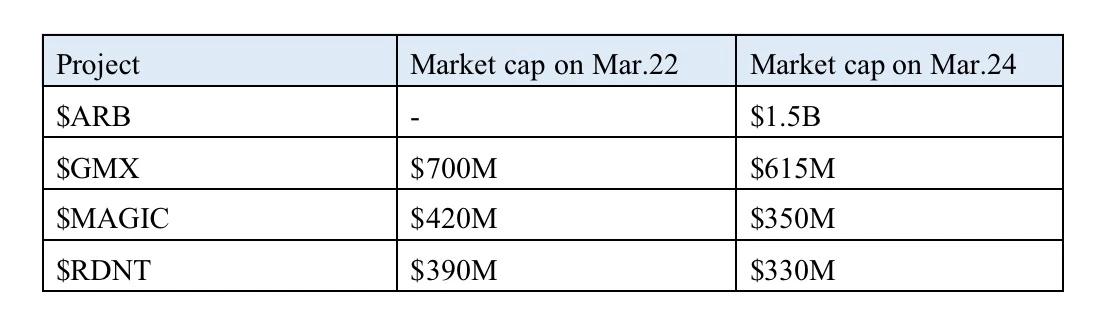
Table 1. Changes in the ecological market value of Arbitrum after the issuance of tokens
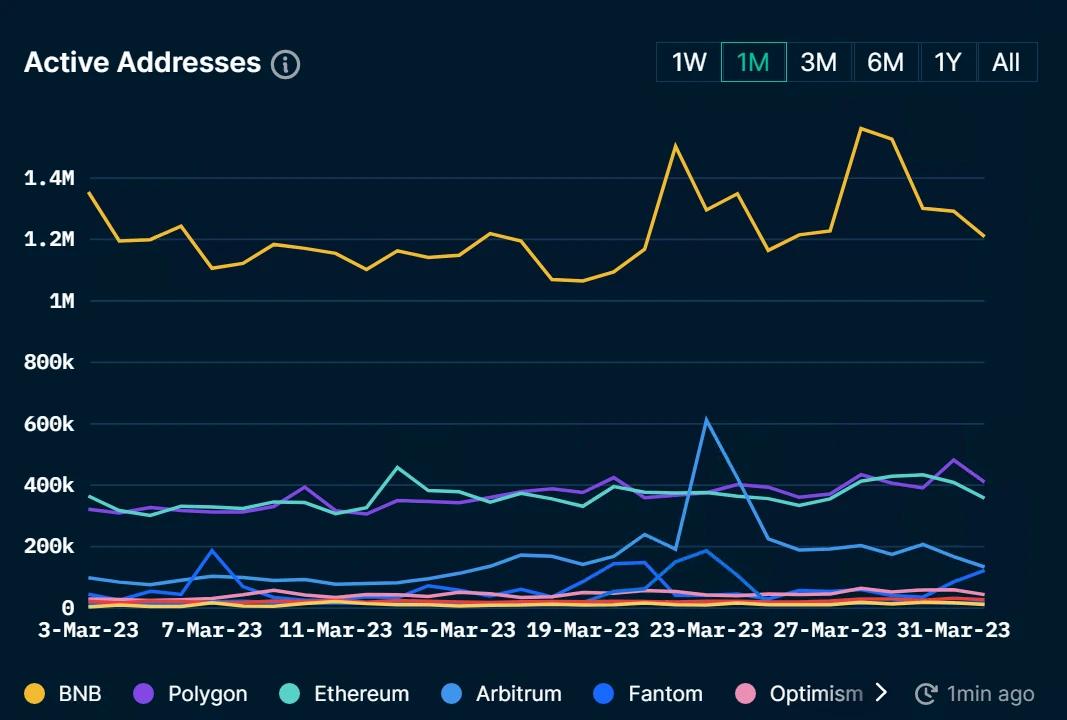
Figure 5. The number of active addresses of each public chain in March (source: nansen.ai)
2. AirDrop opportunities on the second layer of Ethereum
Regardless of whether the underlying technology of the OP system is really decentralized and high-performance (such as node downtime, sorter problems), users still care about the wealth effect. Optimism and Arbitrum have gained a good market share in the Layer 2 ecosystem through ecological accumulation and AirDrop to grab users. Moreover, as the Layer 2 ecology becomes more mature, and EIP-4844 will greatly reduce Layer 2 fees, Layer 2 has a great advantage compared with other public chains. The bull market in the encryption industry in 2021 is a big explosion of new public chains, and the summer of Layer 2 is also the expectation of all users.
Under the premise of the success of Optimism and Arbitrum, the remaining two king projects of Layer 2, zkSync and StarkNet, need to show more sincerity if they want to seize the market. The competition among projects and the wealth effect brought about by users' fomo have made Layer 2 Summer ready to emerge. Below, we sort out the progress and ecological development of the Ethereum Layer 2 project to provide reference for AirDrop users.
2.1 zkSync era
Developed by Matter Labs, zkSync leverages Zero-knowledge Proof, specifically zk-Rollups, to bundle multiple transactions into a single proof, which can then be verified on the Ethereum blockchain. zkSync is a promising scaling solution in the blockchain ecosystem designed to solve the challenges of high fees and network congestion on Ethereum. It enables more practical and efficient use of decentralized applications and digital assets by providing a secure , scalable, and low-cost alternative.
On March 24, zkSync development team Matter Labs announced that the zkSync Era Mainnet is officially open to users. zkSync Lite is version 1.0, zkSync Era is essentially version 2.0 of zkSync, by upgrading from Externally Owned Accounts (EOA) to Smart Contract Accounts (CA), users can build Seed Phrase, schedule and automate payments, and Pay gas fees - even pay gas fees on behalf of other users.
Currently, zkSync Era network TVL reaches $42.86 M, and zkSync Era has increased by 47,000% in the past week. , according to Dune Analytics data, the number of zkSync Era single addresses has reached 241,765, and 58,554 ETH have Cross-chain into the zkSync Era network. According to Defillama data, there are 9 DeFi projects included, mainly DEX projects. There are already 34 projects that have been officially announced and launched, including wallets , Cross-chain, NFTs, etc., but there are few innovative projects, and there is still a certain gap from the OP ecosystem. User interaction can choose: (1) Use the official Cross-chain bridge; (2) Interact with DEX, exchange tokens or become LP; (3) Participate in lending projects; (4) Participate in domain name or NFT casting.
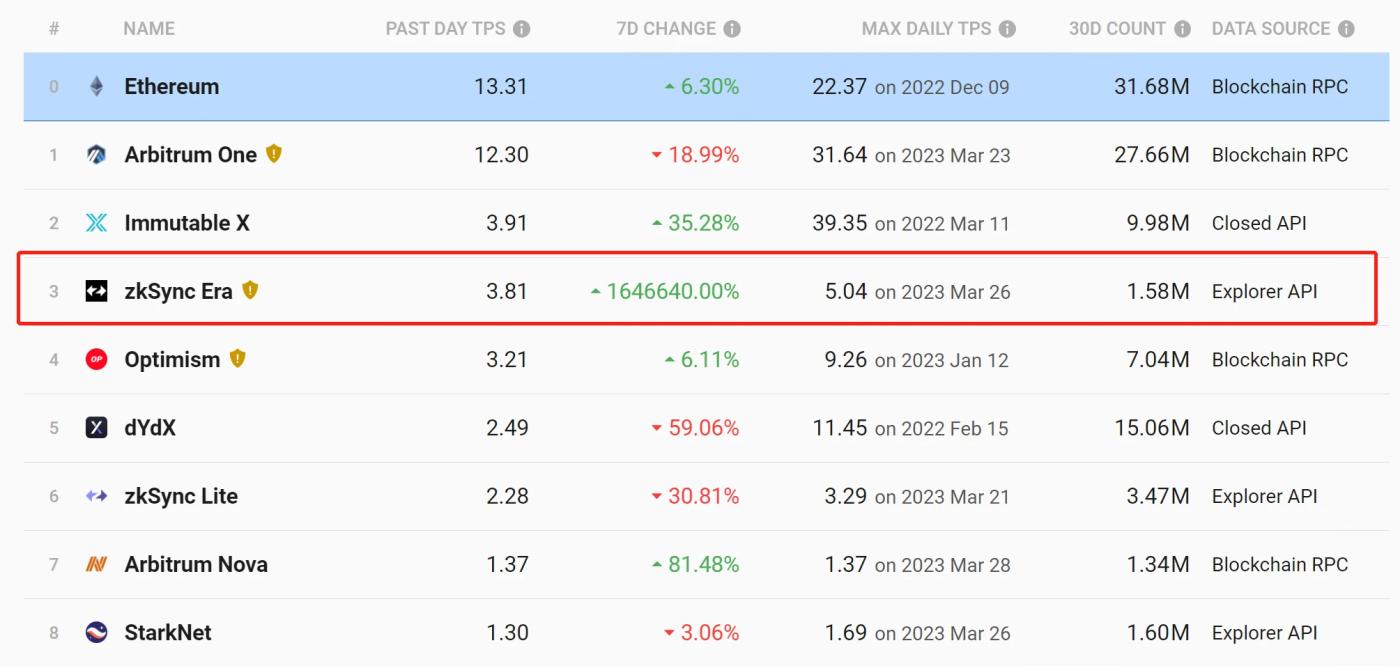
Figure 6. Activity of Layer 2 projects over the past 7 days (Source: L 2b eat.com)
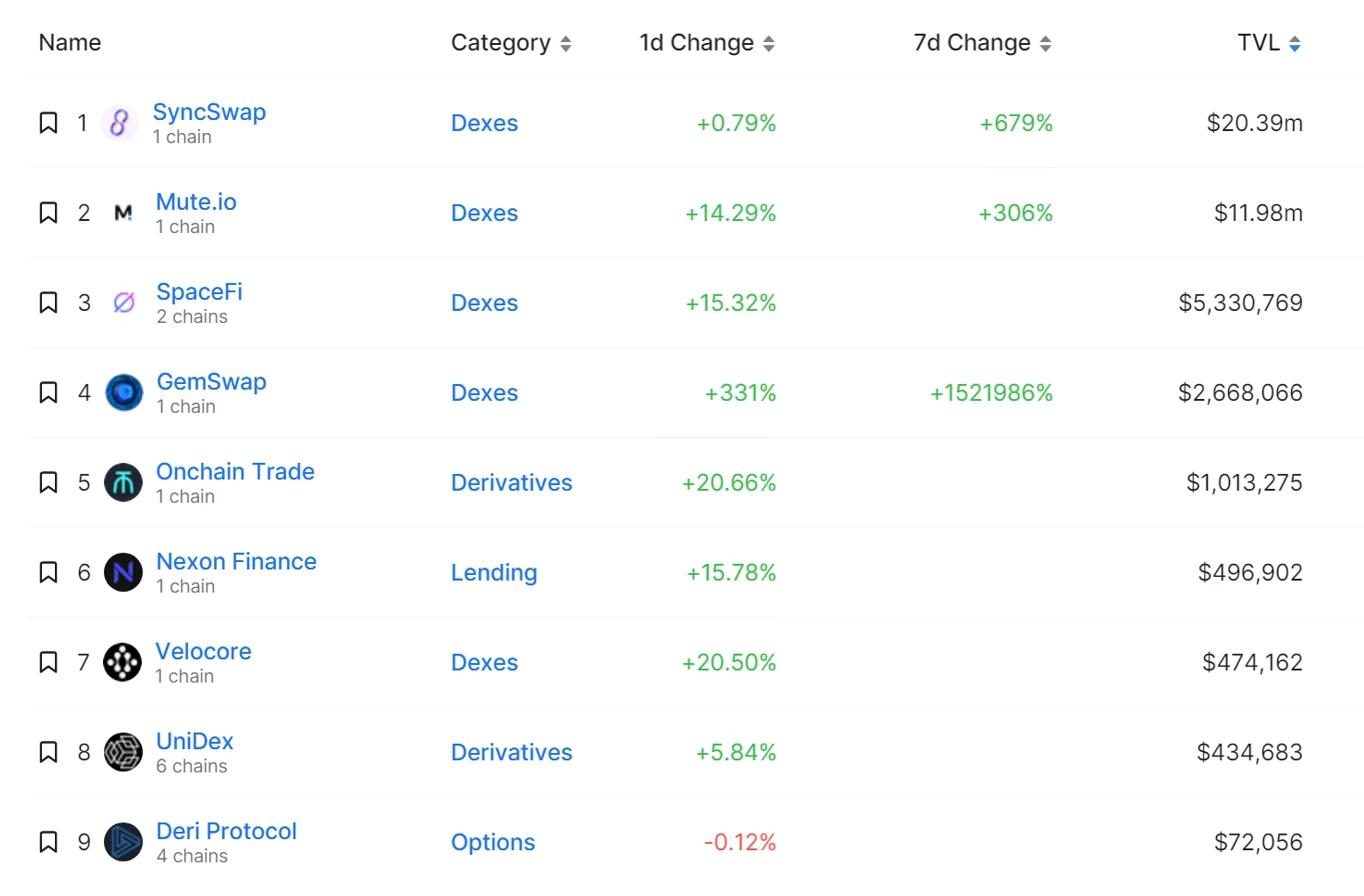
Figure 7. zkSync ecological project (source: defillama)
2.1.1 Inventory of some zkSync ecological projects
(1) DeFi
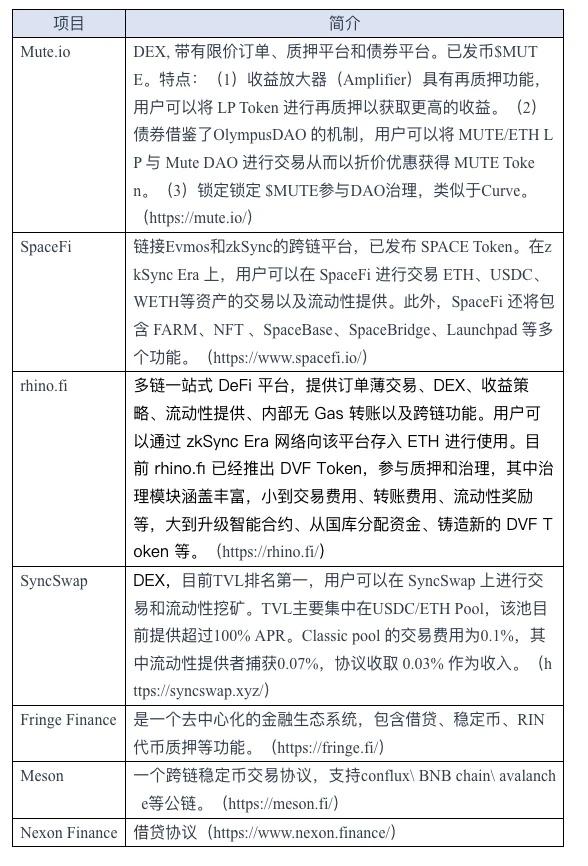 (2) NFT Marketplace & Projects
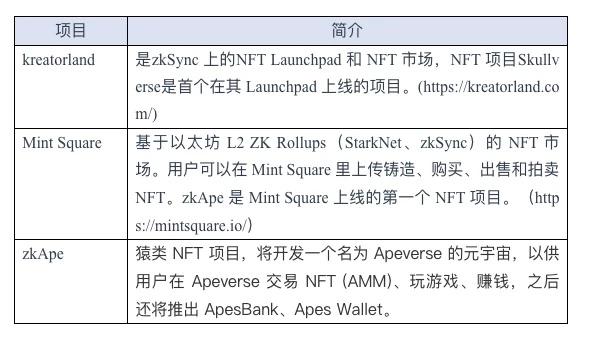
(3) Others
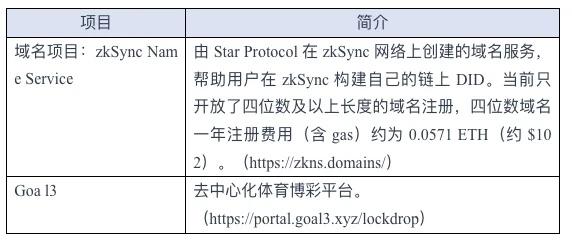
2.2 Starknet
StarkNet uses Zero-knowledge Proof, especially zk-STARK technology, to realize the second-layer expansion network of Ethereum. It was developed by StarkWare , a company focused on creating cryptographic proof systems to improve the scalability and privacy of various blockchain networks. StarkWare created two projects StarkEx and StarkNet utilizing zk technology. StarkEx provides dedicated Rollup technical services for each application, and it will be officially launched in 2020. Projects developed based on StarkEX include Sorare, immutableX, dYdX , etc. StarkNet can deploy any general-purpose Rollup of smart contracts. The Mainnet will be launched in November 2021, and more than 50 ecological projects have been launched.
Given that StarkWare is currently valued at US$8 billion, it goes without saying that the StarkNet ecological project has a lot of gold. StarkNet has announced on November 16, 2022 that its native token$STRK has been deployed on the Ethereum mainnet for voting, staking and payment of fees, and the distribution of tokens is still to be determined.
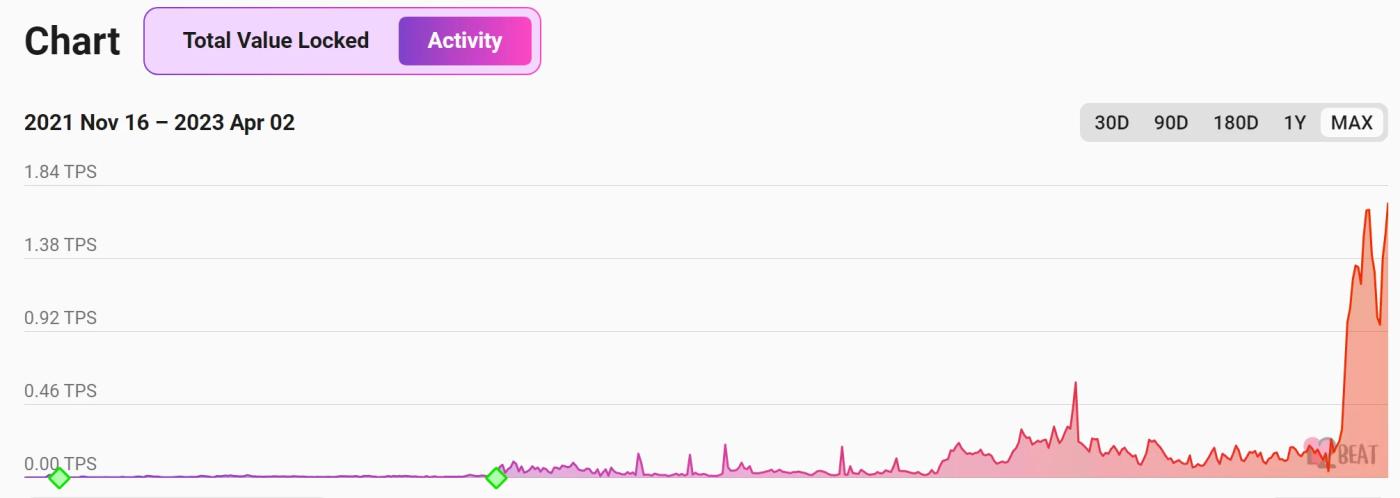
Figure 8. Starknet network activity (source: L 2b eat)
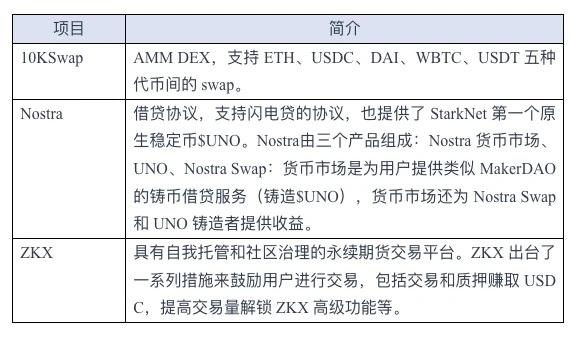
2.2.1 Inventory of some Starknet ecological projects
(1) DeFi
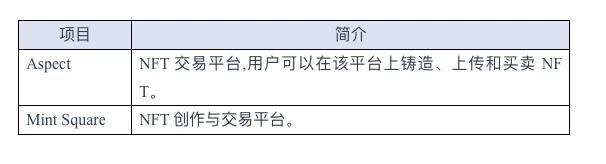
(2) N FT Marketplace & Projects
(3) DID
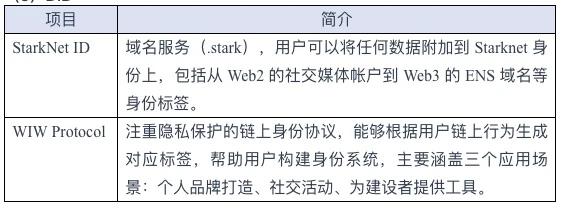 (4) Game
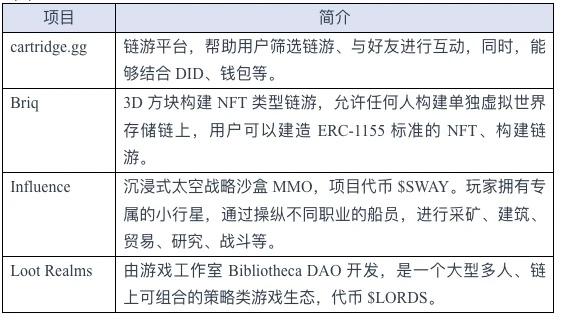
2.3 Up-and-coming Layer 2 projects
Among the Layer 2 projects that are closely following the four kings, Scroll is currently second only to zkSync and Starnet. Scroll received $30 million in Series A funding in April 2022 and $50 million in July 2023. Scroll's goal is to build an EVM-compatible zk- Rollup, and the team is mainly Chinese. At present, the Scroll project is progressing smoothly, and the Alpha testnet phase is in progress. During the pre- Alpha version, 1 million unique addresses and 16 million transactions have been realized. Recently, the total amount of ETH in the testnet is also increasing. The Scroll ecology has not yet been fully formed, and there are few projects that users can participate in, such as Uniswap . Users with strong coding skills can deploy smart contracts, but they all need to obtain Goerli test coins.
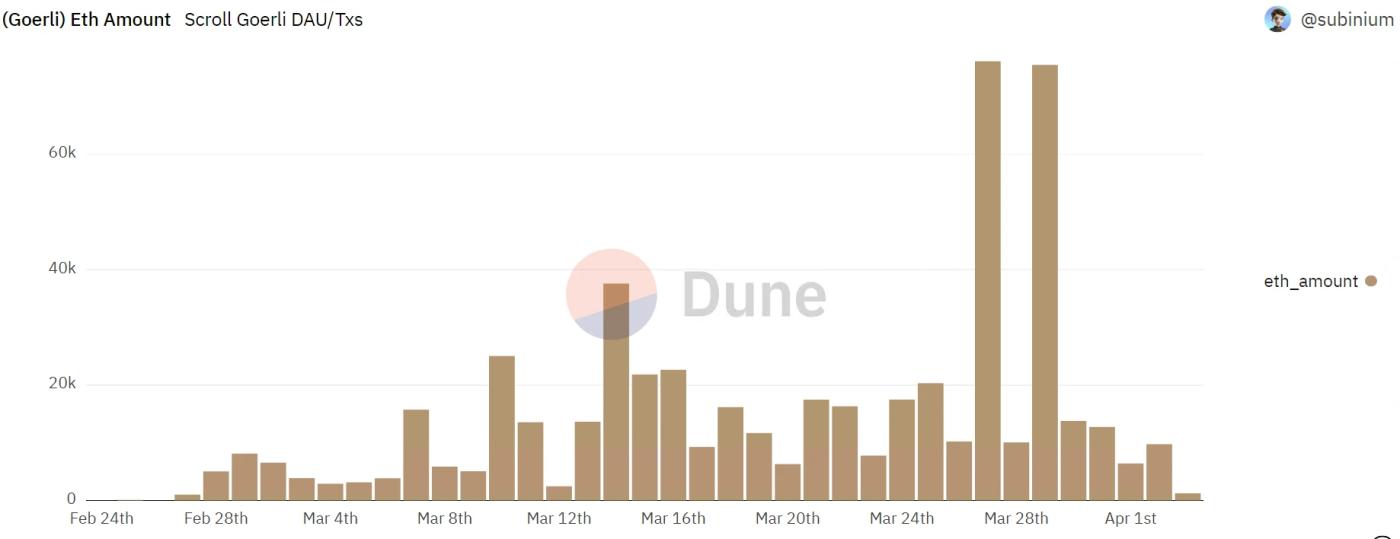
Figure 9. Scroll Goerli ETH amount (Source: dune, @subinium)
Another Layer 2 project worthy of attention is the Base network developed by Coinbase , which was announced by Coinbase on February 23. Base is based on OP Stack technology. Currently, Base has opened the test network and is expected to release the Mainnet in two months. In March, the number of contract deployments of Base also far exceeded that of Arbitrum and Optimism. The launch of Base is helpful for the development and deployment of Coinbase's own decentralized applications. In the future, combined with the account abstraction technology of Coinbase Wallet and smart contract wallet, Coinbase customers can easily access the financial service agreement carried by Base.
Coinbase announced the four major directions supported by the Base Ecological Fund: 1. Stablecoin (flatcoins) that can track inflation rates; 2. On-chain reputation platform; 3. On-chain capped Order-book(LOB) trading platform; 4. More secure For DeFi, this includes tools that can protect against smart contract code vulnerabilities or protocol logic errors, and ultimately on-chain insurance and insurance agreements, or any other product that can provide users with critical support in the event of smart contract failure.
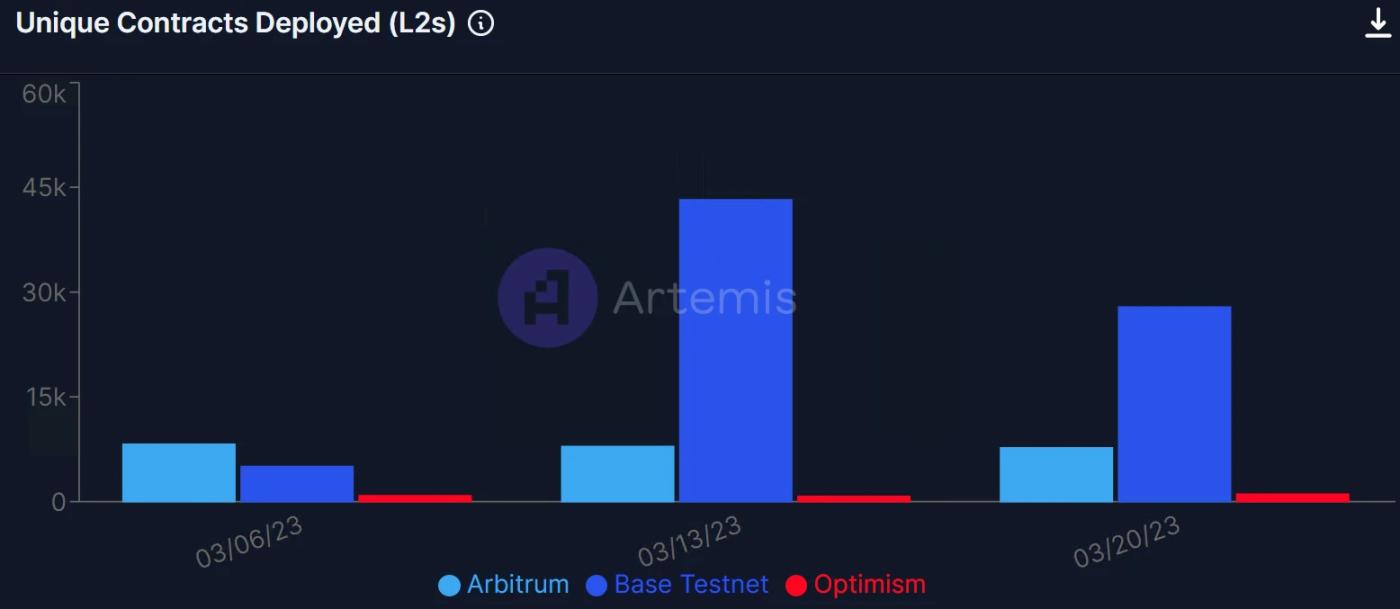
Figure 10. Unique Contracts Deployed (Source: Artemis)
Recently, in addition to the high popularity of the Polygon zkEVM mainnet launch, Consensys also opened the testnet of its zkEVM project Linea. Last week, Linea had an inflow of more than 10,000 Goerli ETH in a single day, setting a new high. At present, there are more than 110,000 addresses on the Linea chain, about 115,000 Goerli ETH have been deposited, and more than 590,000 transactions have been completed. Linea's interaction is similar to Scroll, and you need to get Goerli's test currency. At present, the applications that users can interact with are relatively limited, including Cross-chain bridge hop, DEX: Uniswap, MES protocol, NFT: ghostNFT.
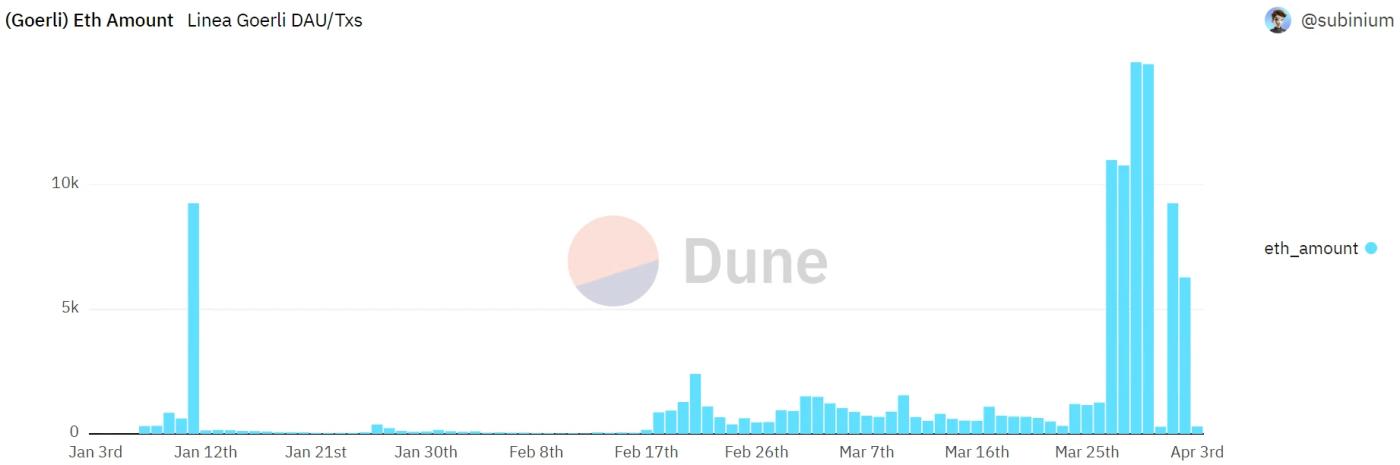
Figure 11. Linea Goerli ETH inflows in a single day (Source: Dune, @subinium)
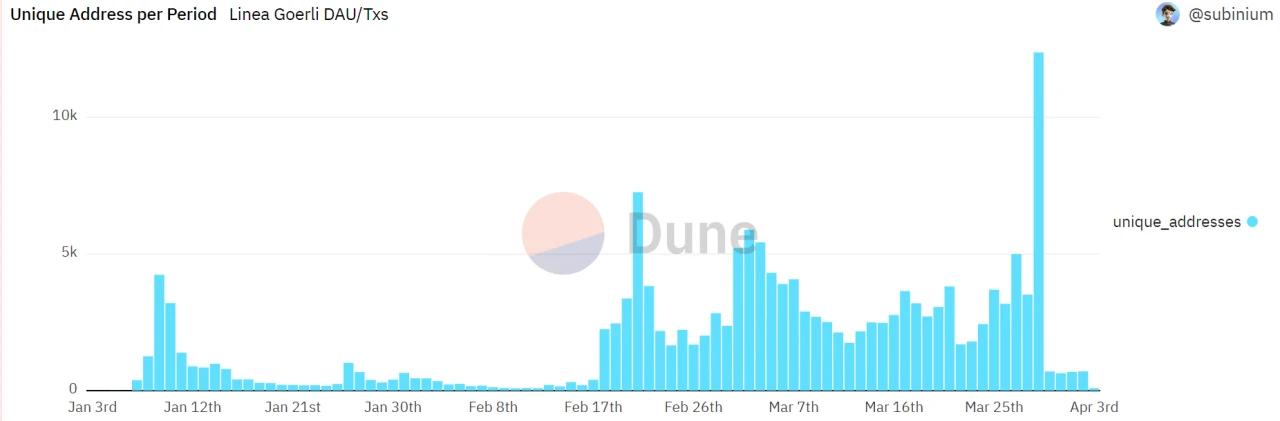
Figure 12. Linea Goerli Daily Unique Addresses (Source: Dune, @subinium)
3. The development and status quo of the BTC layer 2 network
With the rapid development of the second-tier solution of Ethereum, many developers have poured into the second-tier network of Bitcoin. The early well-known one is Lightning Network. The use cases of Lightning Network include social platform reward payment, cross-border remittance, merchant Payment, transfer transactions, etc., can meet the needs of diverse payment scenarios. After El Salvador legalizes Bitcoin in 2021, the number and amount of payments on the Lightning Network will rise rapidly. As of March 27, 2023, the Lightning Network has a total of 18,000 nodes and nearly 80,000 payment channels (data source: bitcoinvisuals).
However, the Lightning Network cannot carry diverse ecological applications similar to Ethereum. Since the upgrade of BTC taproot, developers can embed asset metadata, making BTC possible to become a data platform. The concept of the second layer of BTC stands out. In February, the BTC NFT based on the Ordinal protocol brought the concept of BTC native ecology and ordinal NFT to the market, and the BTC ecology attracted attention again. Here are 3 well-known second-tier BTC projects.
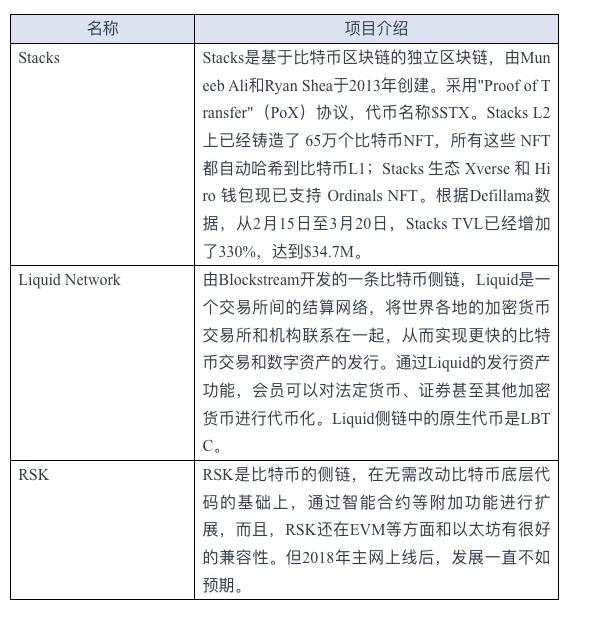
Table 2. Well-known projects on the second layer of BTC
At present, the BTC ecology is still far away from Ethereum. Many people are optimistic about BitcoinFi for the following two reasons: (1) The decentralization of the BTC network, almost all the pos nodes of the Ethereum mainnet are in Amazon and Microsoft Google Cloud; (2) The Ethereum ecology has been over-developed, while the BTC ecology is still a blue ocean.
4. Conclusion and reflection
Arbtrum's AirDrop triggered a Layer 2 craze. Behind the fomo, it also caused a series of problems: 1. Speculators are too enthusiastic, but ignore the development of the project itself. The technological progress of the blockchain itself, compared with AI , creates The rich effect is too obvious, so that users do not enjoy the technological advancement brought by the product, which is actually very unfavorable to the development of the industry; 2. Although it is a bear market, the capital game and mutual cuts in the market are becoming more and more intense; 3. Everyone is very interested in Layer 2 The expectation of the public chain is much higher than that of the public chain. The Ethereum ecology carries too much money, but the development of zk technology, especially zkvm, is slow; 4. The AirDrop is too expensive, but it is not profitable. More powerful projects may choose the IDO method, such as the public chain Sui , which may be objective and fair.
Other Ethereum Layer 2 projects, such as Starknet, have a richer ecology than zkSync, but they are not in a hurry to issue coins, and the service fees charged by Starkware are fully capable of making them profitable. On the contrary, the author is more optimistic about Layer 2 projects with zkevm as the core technology, such as Scroll and Linea. However, the interaction of these projects is slightly complicated and requires the purchase of ETH test coins.
The development of the second layer of BTC is slow and controversial. The author thinks that BTC takes the payment track, or NFT collection may be more practical. Other ecological applications will be hindered by the gas fee, and the congestion on the chain will also reduce the user experience, and the Ethereum ecology is also difficult to transplant.
Will there be a Layer 2 Summer this year? For the king of AirDrop, whether there is or not, the cost of on-chain interaction may be negligible, but in terms of time, it is still in a bear market, and Stablecoin on the entire market chain and exchanges are continuing to flow out. The Liquidity of BTC and ETH is also not good, so the summer of 2023 is not conducive to the issuance of tokens by project parties. Maybe we are not ushering in the Layer 2 summer of 2023, the real Layer 2 summer needs to appear in the summer of 2024, the Ethereum EIP-4844 has been upgraded, and the applications on the chain are blooming. This may be the beginning of the next bull market .
References
2. https://consensys.net/blog/research-development/consensys-zkevm-is-ready-for-public-testnet/
3. https://Goerli.linea.build/
4. https://www.odaily.news/post/5186161
5. https://www.wu-talk.com/index.php?m=content&c=index&a=show&catid=38&id=12865
6. https://www.fx 168 news.com/article/150875
7. https://www.panewslab.com/zh/articledetails/ws 25 r 0 c 3.html
About Huobi Research Institute
Huobi Blockchain Application Research Institute (referred to as "Huobi Research Institute") was established in April 2016. Since March 2018, it has been committed to comprehensively expanding research and exploration in various fields of blockchain, with a view to pan-blockchain As a research object, the research objectives are to accelerate the research and development of blockchain technology , promote the implementation of blockchain industry applications, and promote the ecological optimization of the blockchain industry. The main research contents include industry trends, technical paths, application innovations, Pattern Exploration, etc. In line with the principles of public welfare , rigor, and innovation, Huobi Research Institute will carry out extensive and in-depth cooperation with governments, enterprises, universities and other institutions through various forms, and build a research platform covering the complete industrial chain of the blockchain. Industry professionals provide a solid theoretical foundation and trend judgment to promote the healthy and sustainable development of the entire blockchain industry.
contact us:
https://research.huobi.com/
disclaimer
1. Huobi Blockchain Research Institute does not have any relationship with the projects or other third parties involved in this report that affect the objectivity, independence, and impartiality of the report.
2. The materials and data cited in this report are all from compliant channels. The sources of the materials and data are considered reliable by Huobi Blockchain Research Institute, and necessary verifications have been carried out for their authenticity, accuracy and completeness , but Huobi Blockchain Research Institute does not make any guarantees about its authenticity, accuracy or completeness.
3. The content of the report is for reference only, and the conclusions and opinions in the report do not constitute any investment advice on relevant digital assets. Huobi Blockchain Research Institute is not responsible for any losses caused by the use of the content of this report, unless it is clearly stipulated by laws and regulations. Readers should not make investment decisions solely based on this report, nor should they lose the ability to make independent judgments based on this report.
4. The information, opinions and speculations contained in this report only reflect the judgment of researchers on the date of finalizing this report. In the future, based on industry changes and updates of data information, there is a possibility of updating opinions and judgments.
5. The copyright of this report is only owned by Huobi Blockchain Research Institute. If you want to quote the content of this report, please indicate the source. Please let me know in advance if you need to quote a lot, and use it within the scope of permission. Under no circumstances shall any quotation, abridgement and modification contrary to the original intention be made to this report.