Original author: Will Awang
On September 13, 2023, the SEC accused Stoner Cats 2 LLC (SC 2) of selling unregistered securities. SC 2 raised approximately US$8 million from investors by selling NFTs of animated web dramas.
This is the SEC’s second major action against the NFT industry since it took regulatory enforcement action against Impact Theory NFT last month. This regulatory enforcement action may affect the entire NFT industry, because the operation path of 99% of NFT projects is basically the same as Stoner Cats.
The following will sort out the SEC's regulatory enforcement ideas against Stoner Cats, compare it with Impact Theory NFT, and find out the similarities and differences between the SEC's two regulatory enforcement actions against NFT.
Reference article: SEC issued a fine against the NFT industry for the first time. What kind of NFT is a security?
1. Stoner Cats NFT case situation
(https://prestonbyrne.com/2023/09/13/a-short-note-on-the-absurd-stoner-cats-settlement/)
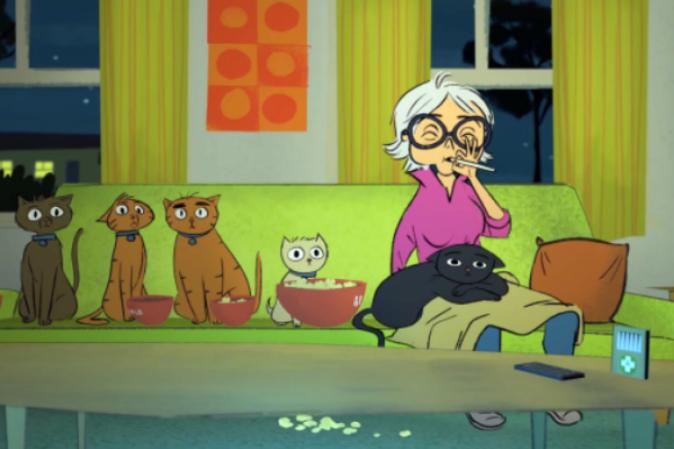
Stoner Cats is a cartoon about a group of cute kittens who become behaving strangely because their owner, a grandmother, smokes marijuana. SC 2 is the producer of the cartoon and hopes to raise funds through NFT sales to film and produce the Stoner Cats web series.
The SEC pointed out that before and after the NFT was sold to the public, SC 2 extensively publicized and promoted the sale of the NFT through the official website and social media (such as podcasts, YouTube, Twitter , Instagram, Discord, and interviews on the Internet and TV), and made a high-profile Promote the benefits that owning NFT will bring, including unique opportunities to participate in web series, online membership communities, and future entertainment content to be determined, and of course the right to resell in the secondary market.
In marketing activities, SC 2 emphasizes that they have the skills of Hollywood producers, experience in crypto projects, and that well-known artists will participate in web dramas. These endorsements have led investors to expect the SC 2 team to operate web dramas. Success, and bring profits for the resale of their NFT.
Since the resale of NFT can bring SC 2 2.5% royalty income, SC 2 has an incentive to encourage investors to conduct secondary market transactions, such as guiding through the content of SC 2's official Twitter. Also, most NFTs are resold on the secondary market within the next few months (not held as collectibles).
SEC officials said: "Whether it is an NFT packaged as a beaver, chinchilla or other animal, according to the economic substance under the Securities Act, if it constitutes an "investment contract", then such NFT will be included in the "securities" Definition. In this case, Stoner Cats NFTs, through the above-mentioned marketing activities, led investors to believe that they would be able to profit from the resale of the NFTs in the future.”
In the end, SC 2 reached a settlement with the SEC, (1) agreeing to pay a civil penalty of US$1 million, (2) establishing a fair fund to compensate damaged investors, (3) destroying all NFTs under its control, (4) and listing it on the official website and issuing regulatory enforcement orders on social media.
2. Statement of objections from SEC members
As with the Impact Theory NFT case, SEC Commissioners Hester Peirce and Mark Uyeda immediately issued a statement of opposition, saying that such a referee by the SEC would target all NFT projects. The SEC needs a clear NFT regulatory guidance to avoid curbing creators' innovation through NFT.
Hester Peirce and Mark Uyeda believe that this behavior of SC 2 should be called "fan crowdfunding", and that this crowdfunding method in the digital age is similar to the crowdfunding method of Star Wars collectible cards in the 1970s. The subsequent success of Star Wars The project side has had a huge impact. This approach to Star Wars applies to creators today as well.
3. SEC’s logic for regulatory enforcement
This case is similar to the SEC’s regulatory enforcement logic in the Impact Theory NFT case. Both are judged as “investment contracts” through the Howey Test, thereby being included in the definition of “securities.”
We see that Stoner Cats NFT can indeed meet the standards of the Howey Test on the surface: (1) The investor has invested money (ETH); (2) The NFT purchased is for a "common cause", and the investor's wealth and The wealth of the producers of SC 2 is closely linked; (3) Investors hope to achieve the success of the Stoner Cats web series through the efforts of SC 2, thereby profiting from NFT resale.
Among them, SC 2's market promotion and commitments made to investors through public channels are the key to identifying it as "securities".
Since Stoner CatsNFT's "security" identification is broader than Impact Theory NFT, this regulatory enforcement may affect the entire NFT industry. The scary thing is: 99% of NFT projects will have a Roadmap to tell NFT investors the future development path, as well as the experience and resource endorsement of the project side. After the project is launched, the project party will promote the NFT through a large number of online social media, and the NFT royalties will be much higher than 2.5%.
Preston Byrne, a partner at Brown Rudnick, said: "The Impact Theory case is clearly the story of an entrepreneur packaging an investment contract into an NFT, while the Stoner Cats case is the story of the SEC packaging collectibles into securities."
But I don’t think so. This kind of financing project, whether it is NFT or not, needs to be regulated. So many rug events, and so many small pictures that are returned to 0 in your hand, still can’t convince you. ?
4. Write at the end
In fact, when Azuki launched the Elementals series, I said at the SeeDAO investment research sharing meeting: Azuki NFT will obviously be considered "securities": (1) investment of money (2 ETH); (2) common cause , the investor's wealth is closely linked to the wealth of the Azuki NFT project party (not necessarily, people's wealth is directly transferred to Coinbase for withdrawal); (3) Looking forward to obtaining the profits from the resale of NFT through the efforts of the Azuki NFT project party expected.
What's more important is that the project party is so closely related to the price of NFT that the Azuki NFT project party can single-handedly bring down the price of the entire Azuki NFT with the help of the Elementals series.
So the remaining question is which NFT project will be the SEC’s next target? The former blue-chip projects A (Azuki) B (BAYC) C (CloneX) D ( Doodles ) are all trembling.
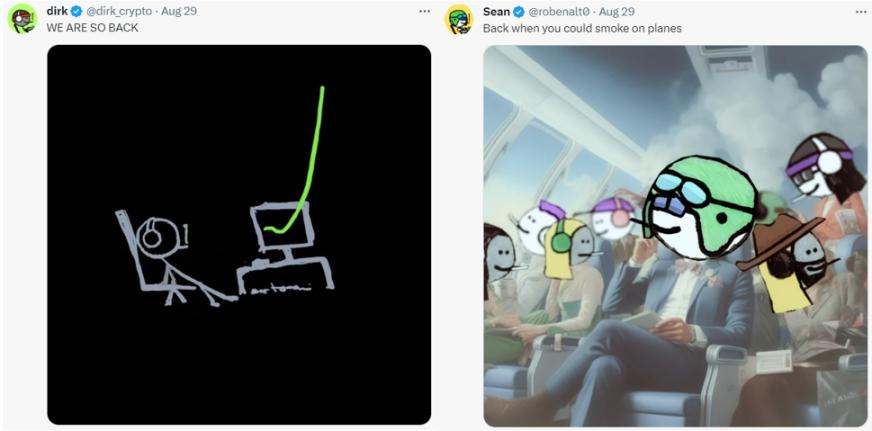
Only Mfers said: We are so Back!
(https://twitter.com/unofficialmfers)
Mfers is an NFT project with its own meme. The founder Sartoshi put these works into the public domain through CC0 public declaration at the beginning of the project. After he handed over the smart contract of the project to the community, he started playing with it. "Disappeared" until he was abandoned by the community and despised as a "scumbag". In such an open community of mfers that is completely decentralized and has no roadmap, anyone can use these NFT characters to create any form of items, just like Sartoshi said at the beginning: "Sow the seeds and let them grow wildly." ”.
REFERENCE:
[ 1 ] SEC Charges Creator of Stoner Cats Web Series for Unregistered Offering of NFTs
https://www.sec.gov/news/press-release/2023-17
[2] Collecting Enforcement Actions: Statement on Stoner Cats 2, LLC
https://www.sec.gov/news/statement/peirce-uyeda-statement-stonercats-091323