Author: Eason
Review: 0xmiddle
Arweave is an infrastructure project that I am very optimistic about this cycle. The team recently launched a new product - the super parallel computer AO. At the same time, founder and CEO Sam Williams announced on March 29 that the second blockbuster product will be released in the near future, which will bring a large number of users to Arweave and AO. Compared with its competitors Filecoin and ICP, AO has a smaller market value, newer products, and a more efficient and scalable architecture design. Combined with the background of the bull market, major events such as the launch of the AO mainnet, the release of new coins, and the release of new products in the future are very worth looking forward to.
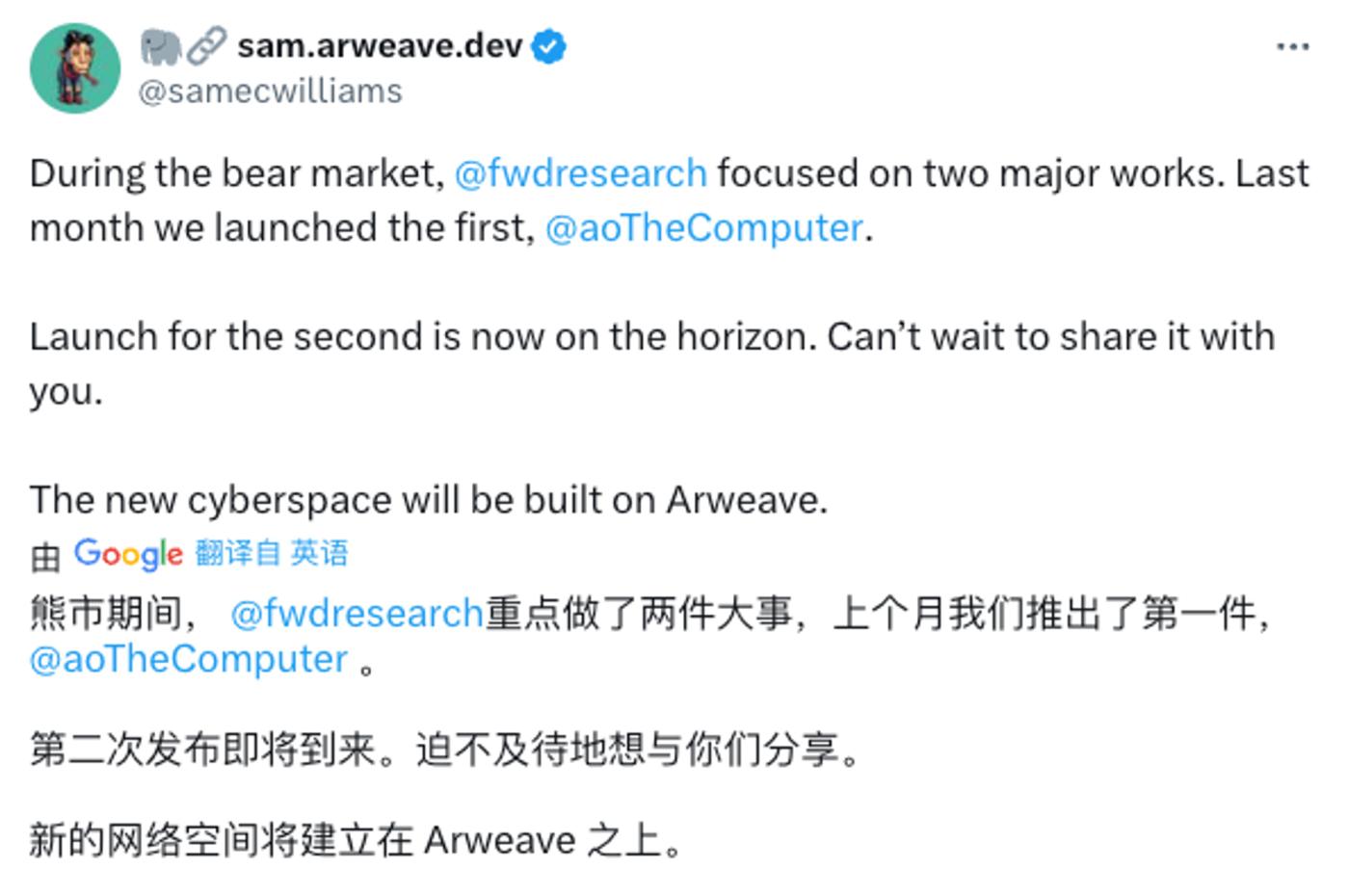
Friendly reminder, after Sam sent out the product information about AO on February 13, the K-line trend of $AR looked like this👇
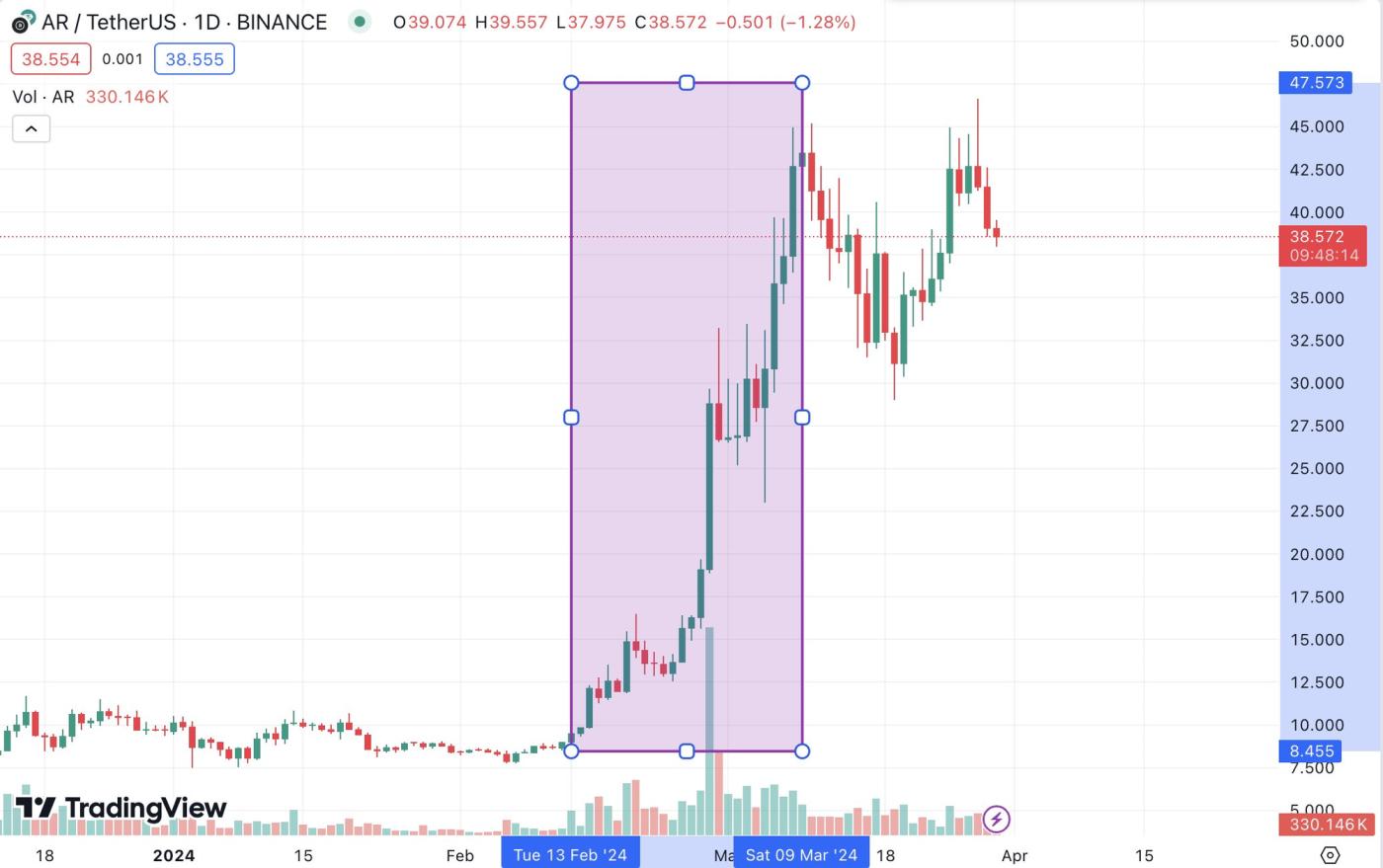
When I saw many KOLs making bull market price predictions for $AR, they only regarded Arweave as an ordinary storage project, and they didn’t even know about the team’s new product @aoTheComputer. This is actually a very big mistake, because the launch of AO has greatly changed the fundamentals of Arweave.
What is AO
AO is a hyper parallel computer built on Arweave that supports the parallel execution of any number of processes and shares available computing resources. Unlike traditional blockchains that can only run a single process, other processes must wait for the current process to complete all transactions before they can execute. Therefore, AO is more efficient and scalable.
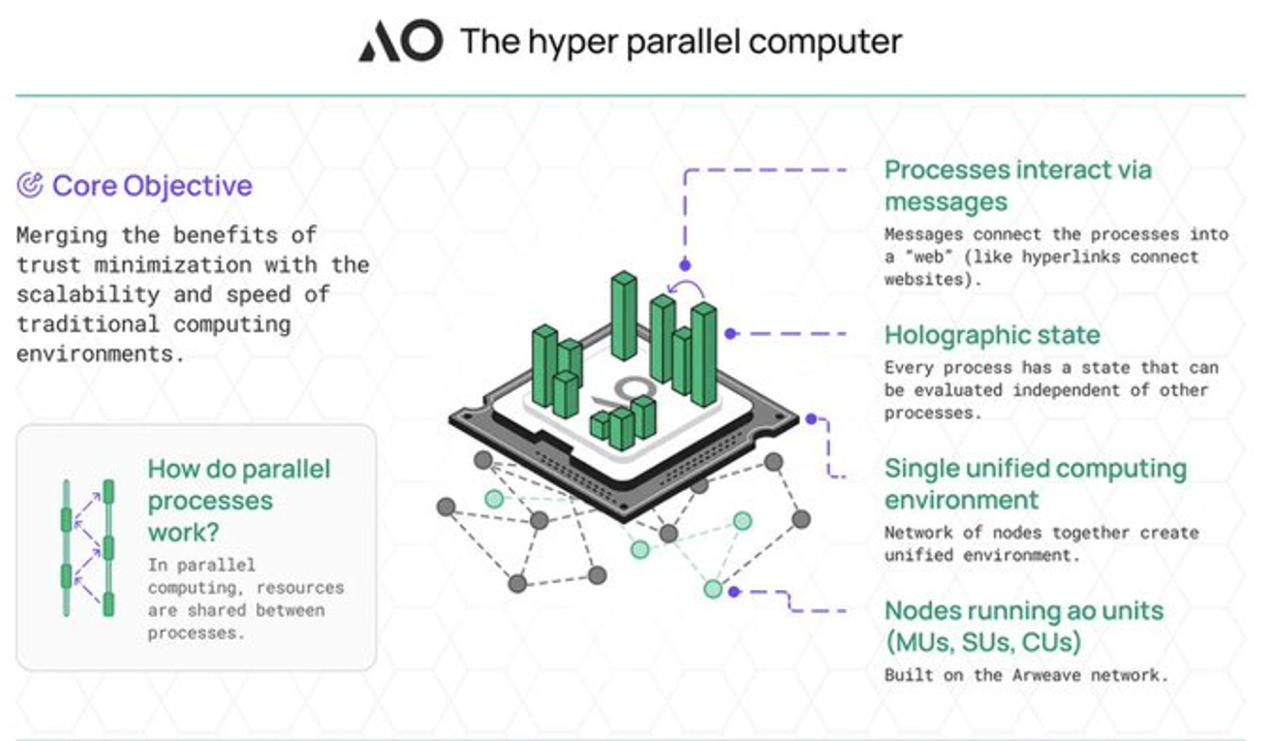
At the same time, because AO adopts a modular architecture , developers can run any virtual machine or execution environment on it, allowing existing smart contract platforms to be easily embedded in the network, as a single process to send and receive information with other processes, and cooperate with each other. So you can run an Ethereum environment, in which smart contracts are written in the familiar solidity, one running the solana environment, and one running the bitcoin environment. Each is executed in parallel as a separate process without waiting in line for computing resources, allowing them to interact and cooperate with each other, and commit their logs to Arweave.
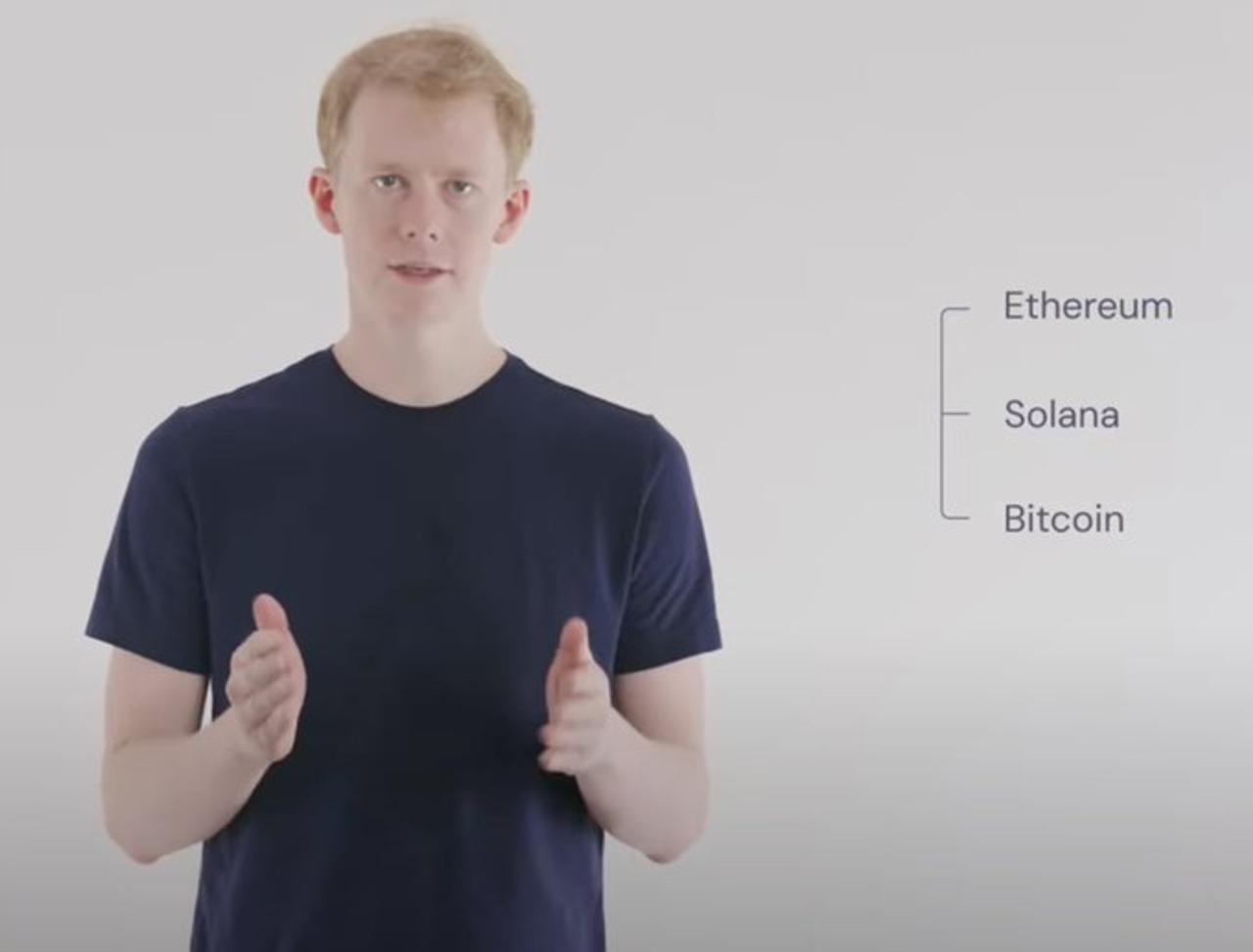
Image source: AO press conference video

Image source: AO official document
In addition to smart contracts and crypto-related development, you can also build decentralized traditional Web2 applications on AO, such as LLM (Large Language Models, AI running inside smart contract), speech recognition, decentralized recommendation systems, Indexers (for social media, etc.), etc., and let them communicate natively with Web3 applications. This allows us to develop scalable trustless Web services.
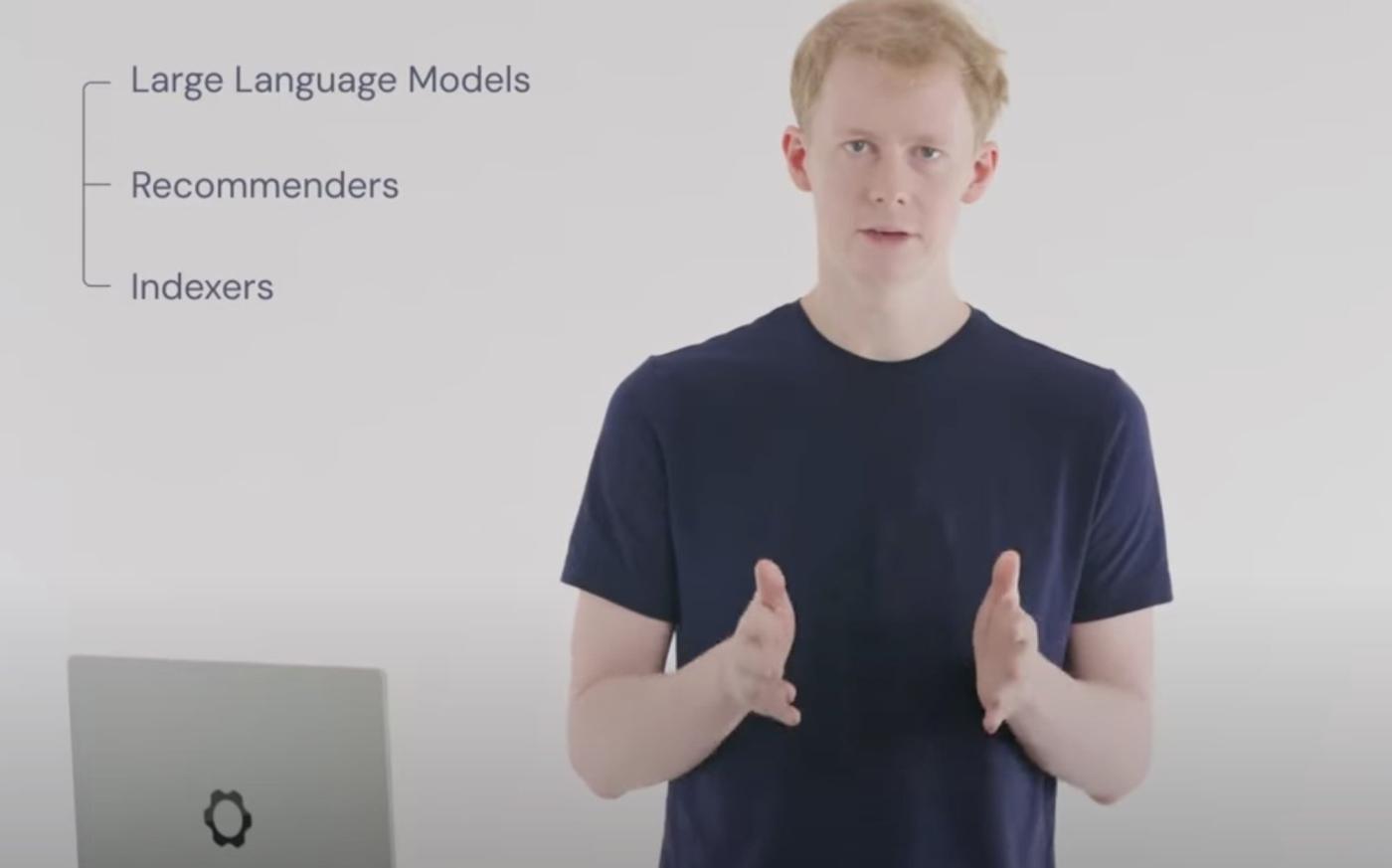
Image source: AO press conference video
Another interesting point about AO is its "Hologram State". Hologram state refers to how each process stores its state independently, independent of other processes. Because of this hologram state mechanism, AO can maintain the ability to execute traditional smart contracts while having powerful computing power. It allows each process to operate and evaluate separately, facilitating faster interactions within the network. For the consensus of the state, AO ensures that all interactive message logs are written and saved on Arweave, and through these logs, the state is presented in a "holographic" manner.
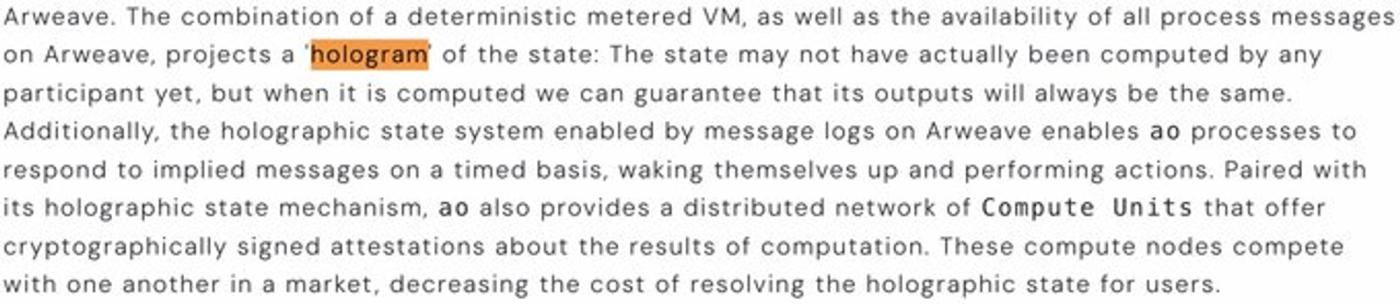
Image source: AO official document
Now AO is running on the testnet. Developers can run an AO instance on their own computers and communicate with thousands of other VMs on AO. Each unit runs independently and in parallel with other units, so it is highly efficient and has no scalability issues. Looking forward to the mainnet launch in the future!
For more technical details, please read the official Docs: https://ao.arweave.dev/#/spec
Arweave vs Filecoin & ICP
In the competition of decentralized computing platform, AO's modular architecture design is relatively advanced. Today's Arweave + AO technology stack is capable of running a full-stack Web application (frontend, backend, smart contract, storage), and its modular architecture is more flexible and scalable than Filecoin and ICP.
Filecoin has a smart contract layer called FVM (Filecoin VM). If you want to run smart contracts on Filecoin, you must use FVM. If you are an Ethereum developer, this is a turnoff. If you are a Solana or other developer, you may have no chance.
ICP is similar. ICP has its own technology stack called Canister, with its own development language and operating environment. So if you want to build a product on ICP, you must first learn these technology stacks.
AO is relatively more flexible and scalable. Any application (Web 2 or 3) in any deterministic, compute-based environment (even FVM and ICP canister) can run on AO. More examples can be found in the previous article and official documents.
$AR future potential space
AO is still in the testnet, and the mainnet is expected in the future. If we compare the market capitalization, $ICP has 8.3 billion USD FDV, $FIL has 16.8 billion USD FDV, and $AR now has 2 billion USD FDV and is almost fully circulated.
AO is a brand new product, and it will also have brand new tokens and token economy, which is relatively more in line with the concept of speculating on new things rather than old things. If there is a new AO token, there are several possible forms: airdrop, token conversion, token split, merger of new and old tokens, etc. However, no matter what form it takes, it is likely to be a positive event, and it is hard to imagine that the team will dilute the interests of $AR holders.
After AO, the second major new product will be launched in the future. The founder Sam himself claimed that "this product focuses on bringing a large number of users to Arweave + AO."
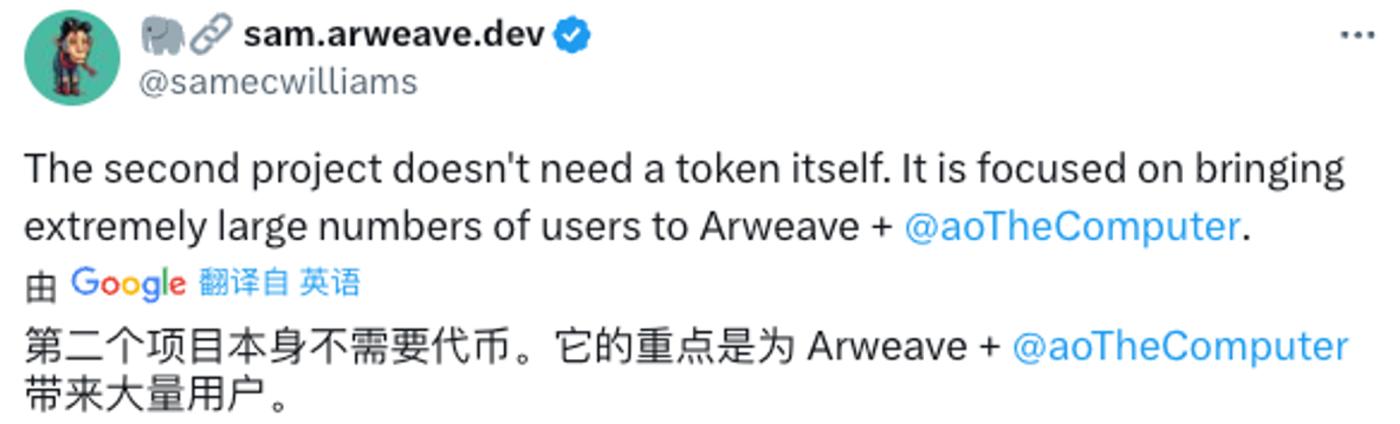
The above is a summary of the latest information about Arweave and AO. I spent a lot of time and energy to read and understand the relevant text and video materials, hoping to do more popular science and preaching for this great project. Many of the materials currently available on the Internet are directly translated from English materials, or are too technical and difficult to understand. Friends without a technical background may find it like reading a book in heaven.
Finally, if you like today’s article, if my article is of any help to you, please follow me on Twitter (@Eason_Jiang_). Thank you to every reader who took the time to read my article despite their busy schedule.
Bug Hunting Project
If you find errors in this article, including typos, incorrect sentences, incorrect descriptions, unclear meanings, redundant descriptions, or other problems, you can give us feedback, which will be rewarded. Click here to give feedback.
Feedback validity period: within 30 days after the article is published.
🔗 About PermaDAO: Website | Twitter | Telegram | Discord | Medium | Youtube
💡 The PermaDAO community was initiated by everVision and sponsored by Forward Research (Arweave official). It is a "co-builder community" built around the theme of Arweave consensus storage. All the workload of contributors will become data consensus. Let's start with "data consensus" and explore a new model of stranger work collaboration - decentralized autonomous organization.