#Binance It's the end of the year, and scammers are starting to boost their performance.
Today, we're sharing a new type of scam we encountered, and reminding everyone to be vigilant about their funds at the end of the year.
The incident started when customer service received a complaint from a user who said they were scammed by a "Binance executive." The other party "promised" to help them resolve some issues, but after transferring the money, they disappeared without a trace.
Out of responsibility to our users, we investigated further, and the more we investigated, the more suspicious it seemed:
1. An extremely simple scam
The user provided two pieces of "evidence": a screenshot of a Telegram chat with the "executive," and a transfer record. The chat content was very simple, only one page long—the user asked if they could help, the other party said yes, and the user transferred the money directly. The so-called "executive" didn't verify any details, only asking for the name of a "project," and didn't even put on an act. The user, however, "absolutely trusted" them and transferred the money without hesitation.
2. Abnormal transfer records
The transfer records provided by the user were also strange. Initially, he claimed the wallet address used for the scam started with "TP," but our on-chain data revealed that the "TP" address was actually the address that initiated the transfer. This means the address the user initially claimed was likely his own.
3. Missing Chat Logs
We asked the user to provide real-time chat logs, but he claimed the other party had enabled privacy mode and all chat logs had been deleted, only providing a screenshot of a "post-incident questioning."
4. Real and Fake Executive Accounts
We initially thought it was an impersonation, but after careful comparison, we discovered that the account the user questioned was actually a real Binance executive account. The executive himself was completely unaware, and the account had not been stolen. So, who was lying?
After further confirmation with the relevant team, we finally uncovered the truth—this was a self-directed scam targeting Binance and its users.
The user first forged chat logs and transfer records (the transfer records used a certain escrow platform), then falsely claimed the chat logs were deleted, and then contacted the real executive account to question them, creating two sets of "executive" screenshots. Next, he contacted customer service with chat logs from a genuine executive's account, requesting verification, attempting to induce a response, and threatening to exert pressure through social media if they didn't help resolve the issue.
Similar scams happen every day. In the past, we rarely shared these stories proactively due to concerns, which allowed scammers to thrive and, to some extent, fueled speculative behavior by certain groups.
This time, we've decided to break our silence. The purpose of sharing this publicly is to raise awareness and prevent various new types of scams. At the same time, we solemnly warn scammers and speculators not to underestimate Binance's determination to protect every user.
It is important to reiterate that Binance will not proactively contact users through unofficial channels, nor will it request users to transfer funds to designated addresses or pay any fees.
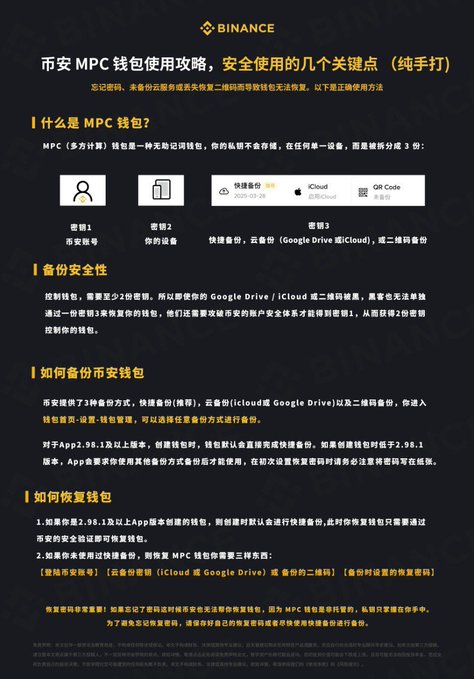
To ensure the safety of your funds, we recommend that you refer to our official security tips: