MCP
Overview
Dashboard
Billing
Docs
Today
Intel
Market
Settings
Account
Language
English
简体中文
繁體中文
Tiếng Việt
한국어
Theme
Light
Dark
Earn
Followin APP
Mine Web3 Possibilities
App Store
Google Play
Log in
Upside GM 👋
77,313 Twitter followers
Follow
Upside is Vietnam’s largest community of long-term crypto investors — powered by @WeTheIvy, a Web3 Media Company. @TheIvyNFT is our official NFT collection
Posts
Upside GM 👋
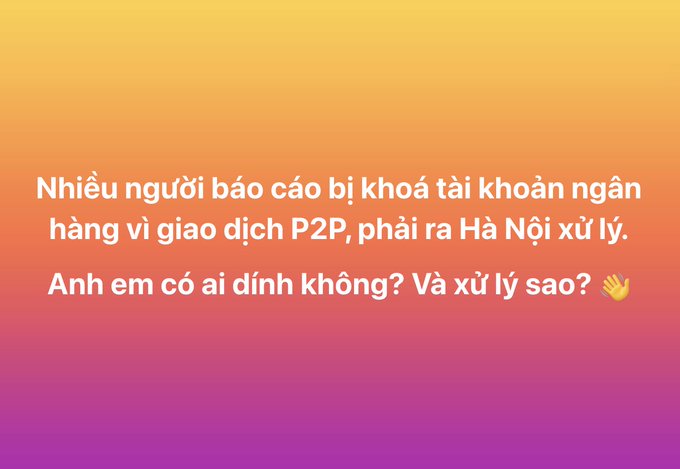
Right now in the Upside group 👇 One user Chia that they were asked to explain selling 25,000 USDT to a P2P merchant (without specifying which exchange). This person then had to go to a police station in Hanoi to provide an explanation, including bank statements with official stamps and a history of purchases and sales. twitter.com/gm_upside/status/2...
USDT
0%
Upside GM 👋
Thread
#Thread#
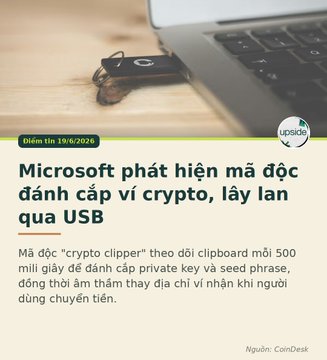
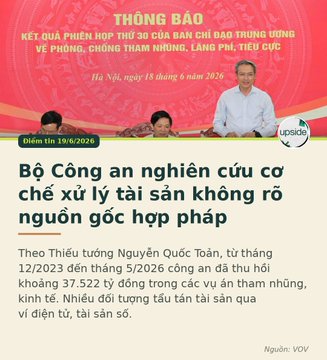
📌 News Roundup June 19, 2026 ► Microsoft discovers malware stealing crypto wallets, spreading via USB. ► Ministry of Public Security studies mechanism for handling assets whose legal origin cannot be explained. ► Ethereum Foundation leaders continue to leave as co-director... twitter.com/gm_upside/status/2...
ETH
2.35%
Upside GM 👋
Thread
#Thread#
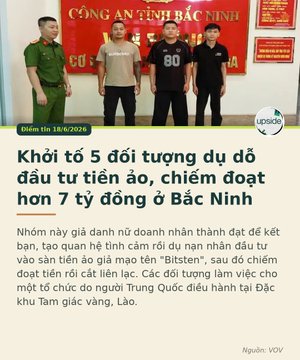
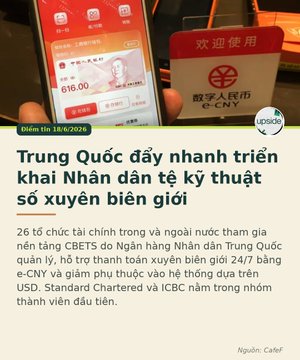
📌 News Summary June 18, 2026 ► Five individuals prosecuted for luring people into cryptocurrency investments and defrauding them of over 7 billion VND in Bac Ninh. ► China accelerates the rollout of the digital yuan; 26 banks join the new cross-border platform. ► Fed keeps interest rates unchanged. twitter.com/gm_upside/status/2...
Upside GM 👋
06-17
Thread
#Thread#
📌 News Roundup June 17, 2026 ► Glamsterdam, Ethereum's biggest upgrade in years, enters its final development phase. ► Binance risks having to stop services for EU customers at the end of this month after its license application in Greece was rejected. ► twitter.com/gm_upside/status/2...
ETH
2.35%
Upside GM 👋
06-16
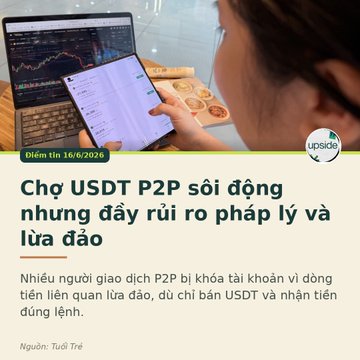
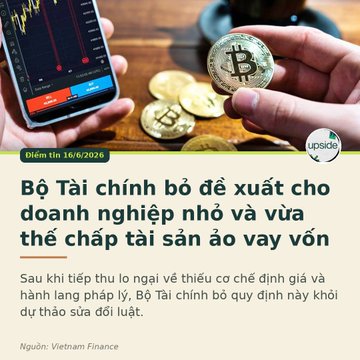
News update, June 16, 2026 ► The USDT P2P market is vibrant but fraught with risks, from forged documents to frozen bank accounts. ► The Ministry of Finance has dropped the proposal for small and medium-sized enterprises to mortgage virtual assets to borrow Capital. ► Blockchain gambling reaches 14 billion. twitter.com/gm_upside/status/2...
USDT
0%
Upside GM 👋
06-15
Thread
#Thread#
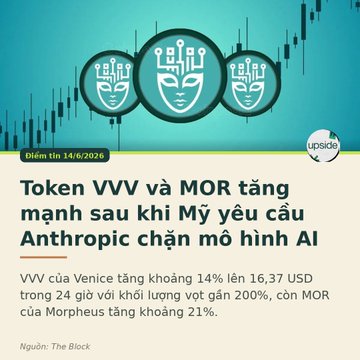
News update, June 14, 2026 ► Vietnam is still aiming to launch its first cryptocurrency exchange in Q3, despite the market downturn. ► VVV and MOR Token surged after the US requested Anthropic block access to its new AI model for foreigners. Case twitter.com/gm_upside/status/2...
VVV
4.07%
Upside GM 👋
06-13
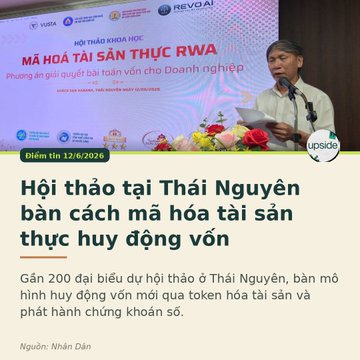
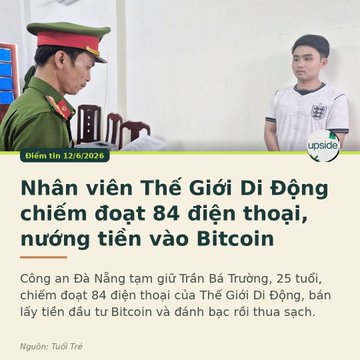
News update, June 12, 2026 ► A workshop in Thai Nguyen discussed ways to tokenize real assets to raise Capital for businesses. ► Mobile World employees stole 84 phones, squandered the money on Bitcoin and gambling. LG partners with Arbitrum to build an advertising network. twitter.com/gm_upside/status/2...
BTC
1.97%
Upside GM 👋
06-12
👊 To counter criticism about Strategy selling Bitcoin, Saylor said: "I only advised YOU never to sell Bitcoin. I never said that my company wouldn't sell Bitcoin." We give up on that 😁 twitter.com/gm_upside/status/2...
BTC
1.97%
Loading..