Oil, Power, Democracy & the Dollar: Blessing or Curse?
Iran’s history provides the answer:
1901–1950s | The Age of Concessions
It started with a signature. Western firms secured lopsided deals, gaining near-total control over Iranian oil. While the resource fueled global industry, the profits largely flowed out of the country.
1951–1953 | Democracy vs. Oil
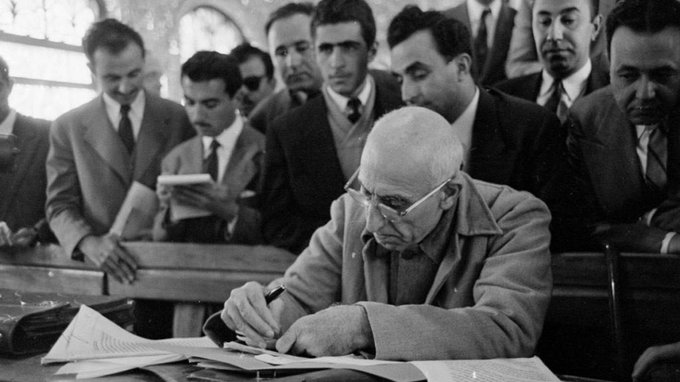
In 1951, democratically elected Prime Minister Mohammad Mossadegh made a stand for sovereignty by nationalizing the oil industry. The response? A 1953 coup backed by the CIA and MI6. Mossadegh was ousted, the Shah was empowered, and Western oil interests were restored.
1979 | The Great Break
The Islamic Revolution shattered the status quo. Iran moved from being a key Western ally to a revolutionary state, ending decades of alignment and triggering a total collapse in relations with the U.S.
1980s–1990s | The Era of Containment
The West shifted strategy from partnership to containment. Sanctions and regional pressure became the primary tools used to limit Iran’s influence and energy leverage.
2000s–Present | The Dollar as a Weapon
The frontline has moved from oil fields to financial ledgers. Iran’s push to sell oil in non-dollar currencies and find alternative payment systems has led to intensified financial isolation and a high-stakes game of economic survival.
The Bottom Line: In Iran, oil has never been "just a resource", it has been the central catalyst for coups, revolutions, and the modern financial wars we see today.