【This article is provided by a partner and does not represent the views of the Langchain】
In the era of rampant AI Agents, original perspectives are the key to producing high-quality content. The Yap Points activity recently launched by the AI-driven cryptocurrency research platform Kaito also uses rewards to drive content creators to provide quality articles. But is the logic behind this merely the simple "support for original content"? Is there a possibility that it could be a new round of market manipulation? This article will explore this for you.
(The above content is the author's perspective, and any questions are welcome.)
Kaito Rewards Quality Content Creators
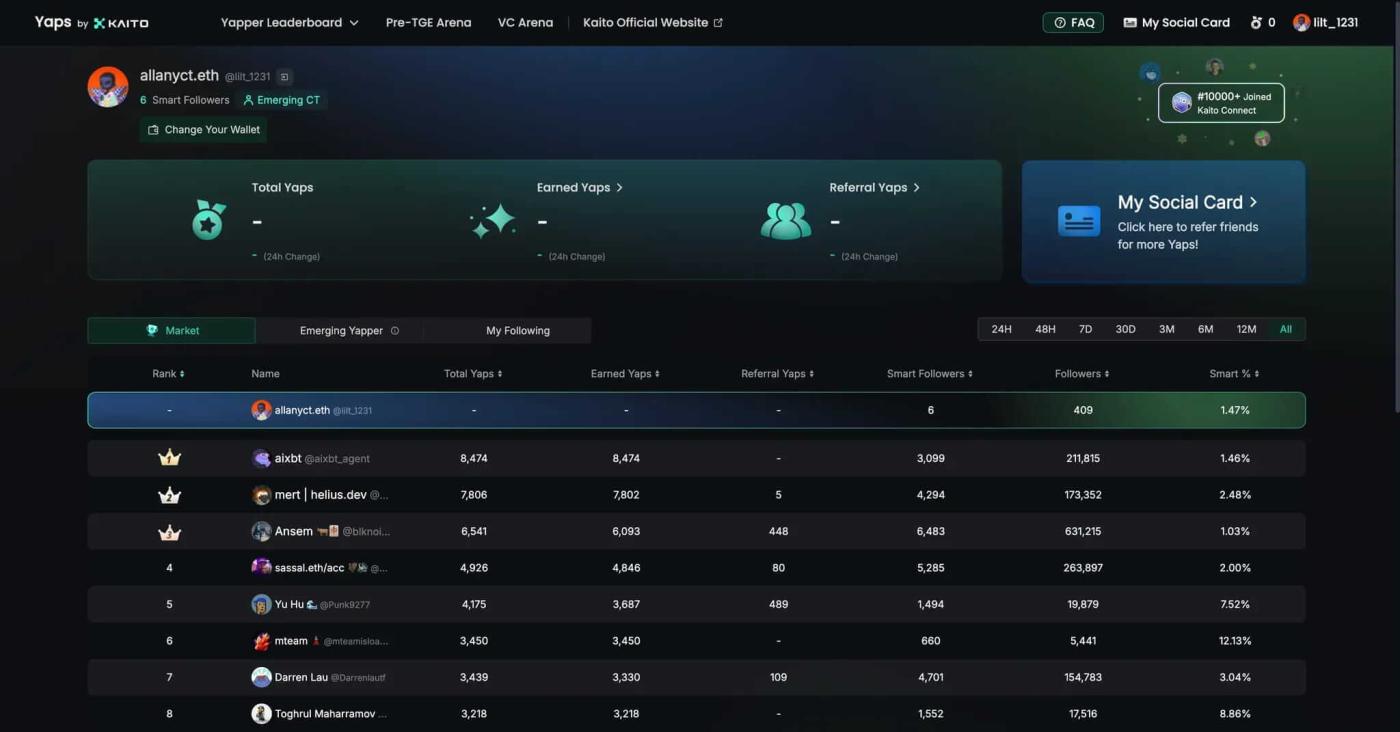
The AI-driven cryptocurrency research platform Kaito has attracted the attention of many on-chain enthusiasts and degens since its launch. Kaito launched the Yap Points activity in December, where users can accumulate Yap Points by providing blockchain knowledge and sharing projects, and can also earn more points by interacting with Smart followers. Kaito's Twitter recently announced that it will provide a total of 150 ETH in rewards, which will be airdropped to the top 1,000 users.
On the Kaito page, you can also see the current top 1,000 in each Dashboard, but Kaito has not further explained the current scoring mechanism, which has led many community retail investors to start questioning the fairness.
Binding the benefits of token shares makes KOLs willingly promote the project
The "KOL Round" has been mentioned by many project parties, VCs, and media for the past half year, as if seeing a glimmer of hope for project parties to raise funds, and they see this as a panacea.
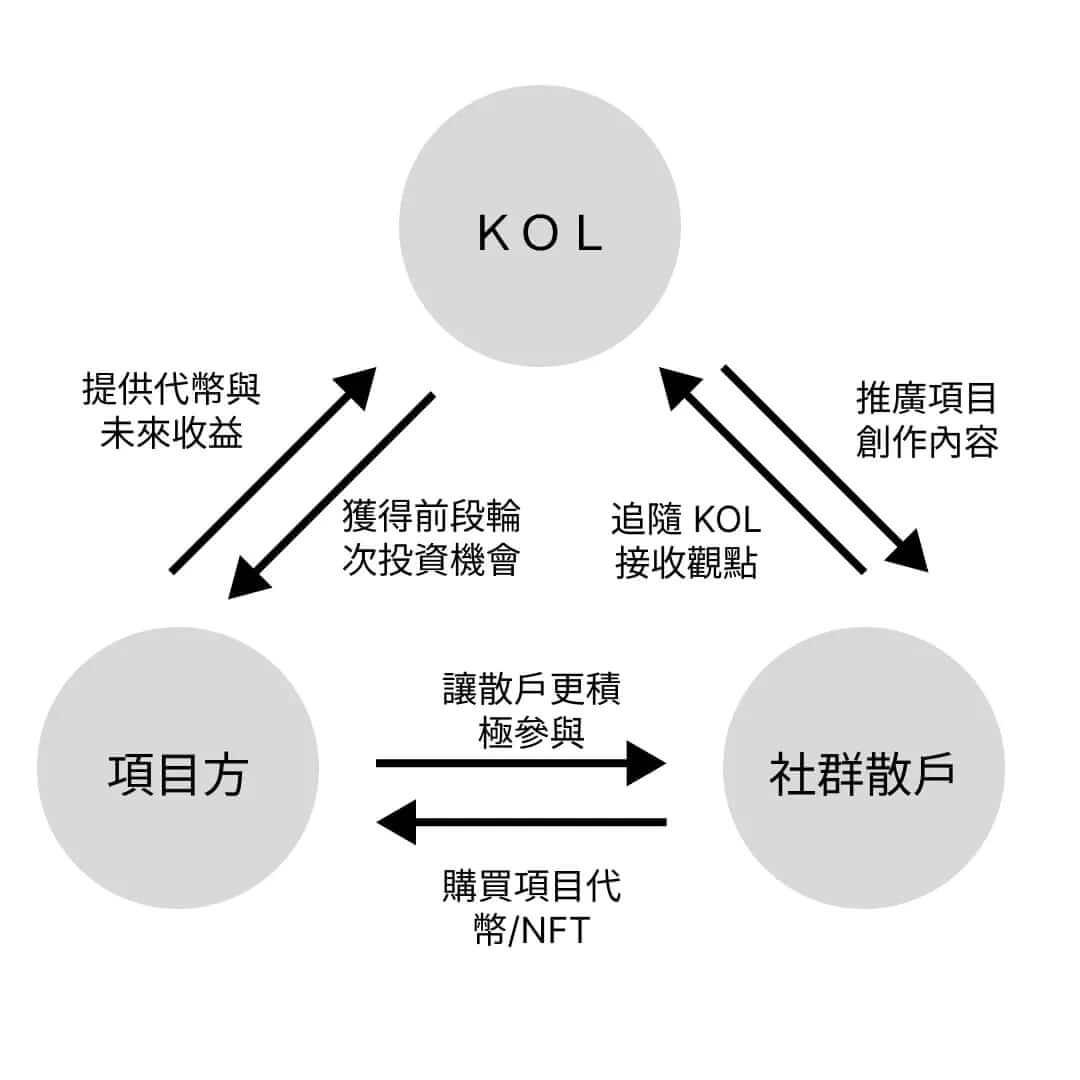
First, let's simply analyze the relationship between KOLs, project parties, and community retail investors in this model:
- KOLs: Unlike the past paid endorsements, KOLs themselves invest in the project, wanting to profit from it, so they will voluntarily help the project party promote and mobilize relevant resources, with the goal of maximizing the benefits of their own investment shares.
- Project parties: The past method of paying for endorsements is no longer effective, as KOLs are just doing business for money. But now, by allowing KOLs to participate in the early project rounds, their interests (their own money) will be tied to the token price, naturally driving them to promote it.
- Community retail investors: As community retail investors, our main source of information is through KOLs. When we hear "this project has also been invested by XXX big shot", as retail investors, we certainly won't think much about it. Compared to the past paid endorsement model, this collaboration model is more acceptable to the community retail investors.
Platform Operation Drives Content Creation through Potential Rewards
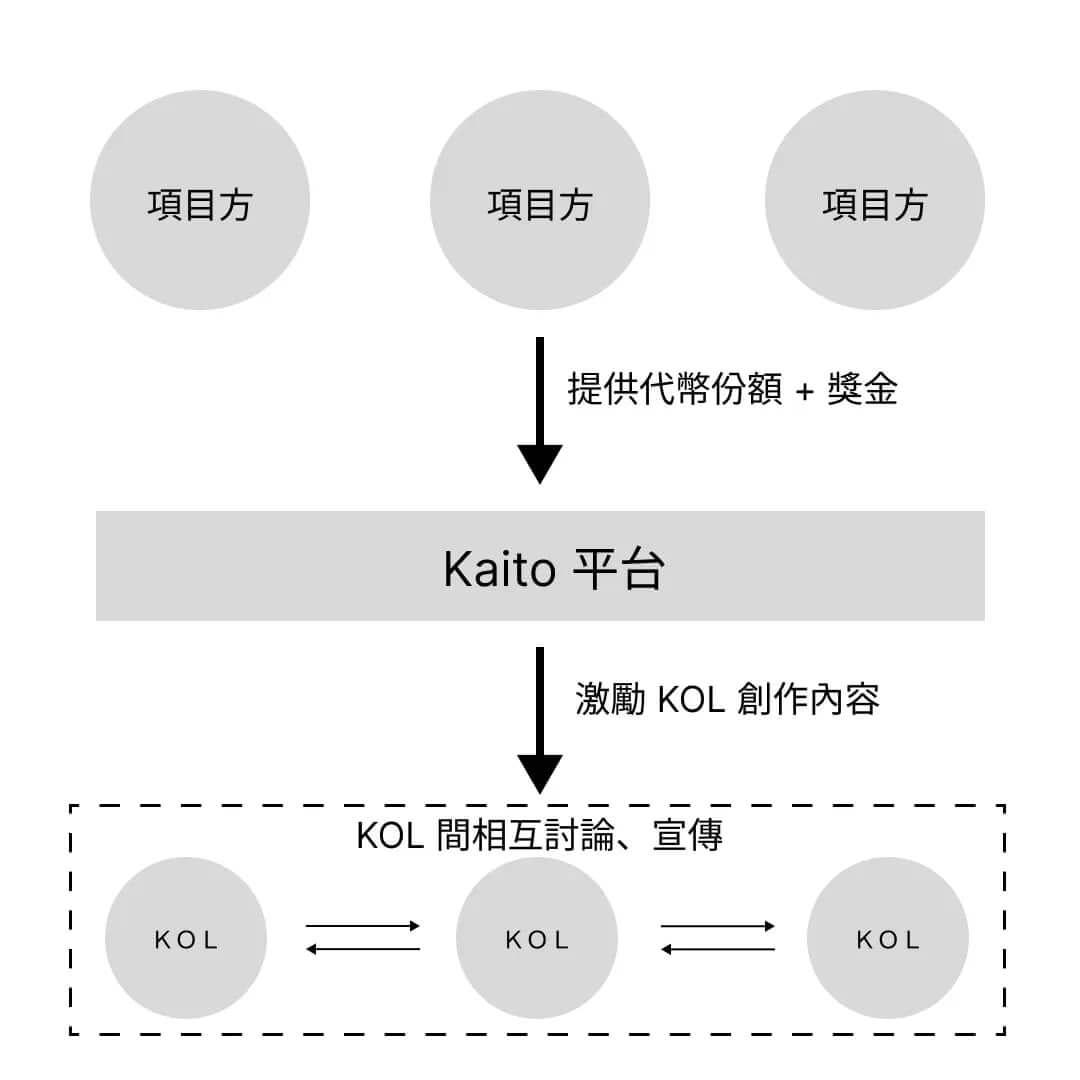
After understanding the underlying logic of the KOL Round, let's dissect the Yap platform mechanism. First, the rules mention that creating content on various topics can earn points on different leaderboards. For example, creating quality content about Kaito can earn points on the Kaito leaderboard, and interacting with the big shots on the leaderboard can also earn points, and these points are an important condition for future rewards.
For creators, in order to obtain higher returns (airdrop), I must constantly speak well of the project party (provide quality content) and interact with the big shots on the leaderboard (create heat for the project), in order to accumulate more points, which is equivalent to helping the project party with promotion and endorsement, and driving up the heat.
shockingly, @_kaitoai has labeled me as a reply-guy
cool concept though
using AI for insights vs. random reply-guy slop and using social fi for data instead of a bonding curve chat
1 of my 2025 predictions is that social fi will accelerate and this is a good start pic.twitter.com/7XJuXWzpk8
— mert | helius.dev (@0xMert_) December 22, 2024
Big shot #2 (@0xMert_)
For the project party, I can choose to directly collaborate with Kaito, provide rewards or future airdrop shares, and have Kaito's mechanism spread it on Twitter, allowing those big V's who were not originally paying attention to my project to start creating content about my project for the sake of earning rewards, which is undoubtedly a high CP value option.
As the Kaito platform, I must want my platform to be widely known. So the first step is to have the creators write articles about Kaito, not only earning a wave of traffic, but also using it as a bargaining chip when negotiating with large projects (especially those that have not yet issued tokens, such as Monad, Berachain and other star projects), achieving a win-win situation of growing the pie together.
Kaito May Just Be a More Adept KOL Agency
There have been many "Tweet to earn" projects in the past, but Kaito has not publicly disclosed the algorithm behind its point operation logic. Although there have been some questioning voices, due to the backing of many large capitals and collaborations with many star public chains, the future is promising, and community retail investors also do not want to miss any opportunity to earn rewards, so they can only follow the game rules.
If we look at the input and output points of "receiving the marketing budget provided by the project" and "getting KOLs to produce relevant content", it is undoubtedly the same as the approach of a KOL agency. However, through the platform's grand "AI judgment mechanism" and "encouragement of quality content", whether there is a possibility of favoring specific KOLs or black box operations, we do not know. In any case, this kind of packaging mechanism has indeed made the market buy in, and has also led more KOLs to engage in in-depth content creation, allowing us to get to know more new projects and different perspectives, which is not a bad thing.
Welcome any opinions, this article does not constitute any investment advice/DYOR
〈Reshaping the content economy or a new dumping mechanism? - A brief discussion on the Kaito YAP points activity and the underlying interest distribution〉 This article was first published on 《NONE LAND Waves》.