Analysis
By analyzing these token unlocking events, it is clear that the market sentiment before and after the unlocking will be different due to the unlocking scale, market expectations, macroeconomic conditions and other factors. Predicting the results based on these factors is essentially complex, but they can provide some observations to help us understand how key driving factors affect market behavior during the unlocking events.
It is important to analyze market expectations as these unlocking events approach, which can be observed through price impact and funding rates. A price decline before the unlocking may reflect the market's concern about the increase in supply, while a price increase may indicate market optimism or speculative behavior. Before the unlocking of Sui in May 2024 and TIA in October 2024, we observed that their price impact and funding rates both showed quite pessimistic sentiment. This is consistent with the view that unlocking events are usually bearish, as they dilute the supply and increase the selling pressure. However, the opposite can sometimes occur; unlocking may be a bullish signal, releasing more supply to the market for buyers to snap up. We saw from the case of ARB that the funding rate reached +115.8% before the unlocking, indicating an increase in the leverage demand of long positions, and a bullish market sentiment.
Although these factors provide valuable insights, we must also consider the overall market conditions. During a market downturn, there may be larger factors that dominate the price trend of a particular token, as shown in the cases of JITO and APT. The funding rates of these two tokens were closely related to the changes in BTC, or experienced significant fluctuations when the BTC funding rate remained relatively stable.
Low Liquidity, High FDV Tokens
Liquidity, defined as the ratio of circulating supply to maximum supply, has become an increasingly important metric when considering supply data. Low liquidity, high FDV (fully diluted valuation) tokens, characterized by low initial circulating supply but high overall valuation at issuance, have become increasingly prominent in recent years. This model allows for rapid price appreciation due to limited liquidity, but has been criticized for long-term sustainability due to the downward pressure often exerted on the market by subsequent token unlocks. This section aims to examine the historical context, trends, and impacts of this token economic model, providing a data-driven perspective to assess its viability.
While the popularity of low liquidity, high FDV tokens has surged in recent times, this model is not entirely new. It first gained significant attention during the 2020-2021 bull market. A notable example is Curve (CRV), which was issued in August 2020, and the famous crypto investor Jason Choi used CRV to highlight the risks of this model. Within seven hours of trading, CRV's market cap increased from $2 million to $6 million. However, the FDV of the token at issuance was nearly half the market cap of Bitcoin, demonstrating the unsustainability of this valuation. Early investors faced massive losses as the price plummeted by 50% shortly after issuance, due to dilution and early seller exits.
The CRV case reveals a key issue: the initial price trajectory of low liquidity, high FDV tokens can mislead investors who overlook the long-term impact of dilution. While CRV had its exaggerated inflationary mechanism, it laid the foundation for the broader trend that followed.
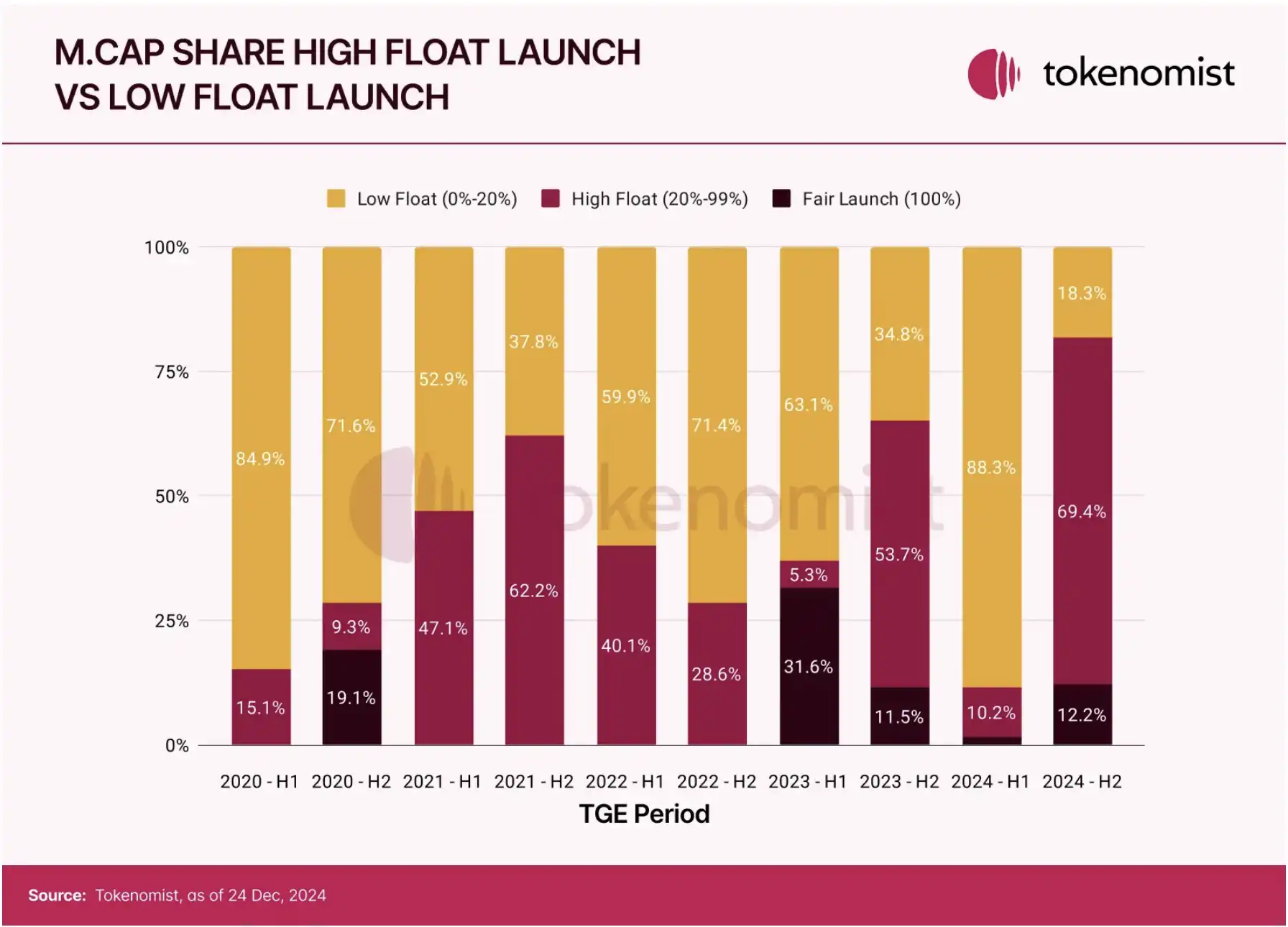
The analysis of token issuances from 2020 to 2024 shows a clear pattern in the adoption of the low liquidity, high FDV model. These tokens were particularly prevalent in late 2020 and early 2024, coinciding with the Bitcoin halving and the subsequent bull market.
Over time, the crypto community has become increasingly aware of the risks associated with this model, prompting recent projects to adapt their token economics. A noticeable trend is the change in the circulating supply/FDV ratio at issuance. By the end of 2024, the average ratio has risen to around 35%, reflecting greater caution from investors. For example, Binance has introduced listing standards that consider the TGE (token generation event) circulating supply, encouraging projects to prioritize sustainable token economics.
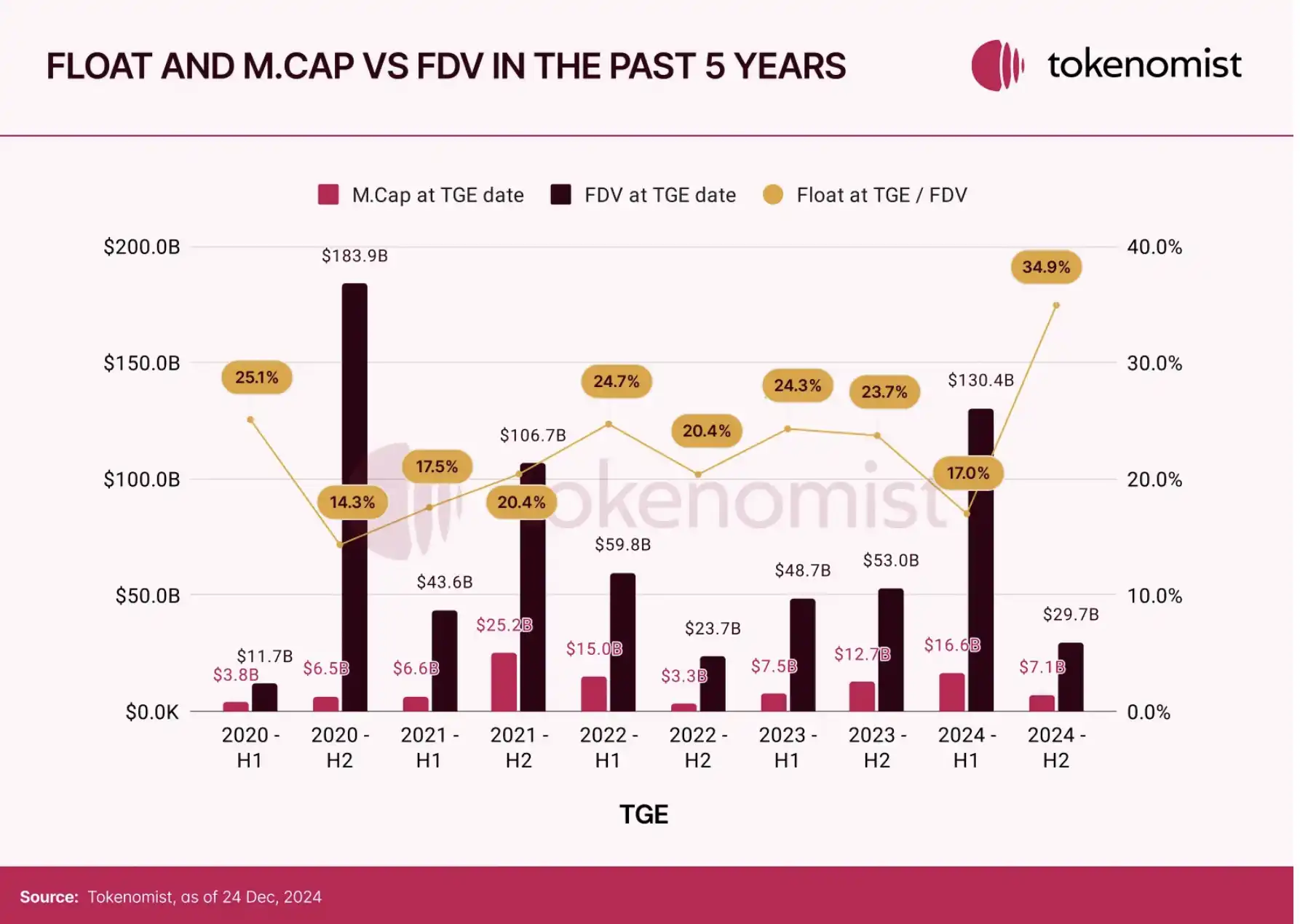
To further understand the impact of the low liquidity, high FDV model, we analyzed the performance of Altcoins issued in 2024. We compiled key metrics, including FDV, market cap, circulating supply at TGE, price performance, and price changes, for the top 25 Altcoins ranked by FDV at the TGE date.
Excluding outliers like Hyperliquid and Ondo Finance, the data shows no strong correlation between the circulating supply at TGE and this year's price performance, which can be visualized in the scatter plot below. There are likely several reasons for this. Most notably, the increased focus on demand and liquidity growth, as well as hype-driven/sentiment-related narratives in the recent bull market cycle, may have reduced the correlation between circulating supply and price performance. On the other hand, the evolution of token economics for some tokens, including new dimensions such as inflationary or deflationary token economics and staking mechanisms, may also have diluted the impact of circulating supply at TGE.
Scatter plot of 90-day price performance vs. circulating supply/FDV ratio at first pricing date. Outliers like HYPE and ONDO have been excluded.
As mentioned, there are exceptions. Hyperliquid issued its tokens with 33% of the supply allocated to community airdrops, without any VC unlocks. This approach promoted decentralization and community engagement, setting a benchmark for fair token distribution.
The chart below shows the total value of token unlocks from 2020 to 2030, revealing some notable patterns during the past two bull market cycles. The total unlocked value peaked at $136.7 billion in 2021, more than eight times the 2020 figure ($16.9 billion). While the increase is not as dramatic, the total unlocked value in 2024 ($82 billion) is about twice the previous year's ($47 billion). This peak coincides with the high point of the last bull market, when many projects had locked a significant portion of their token allocations for future release.
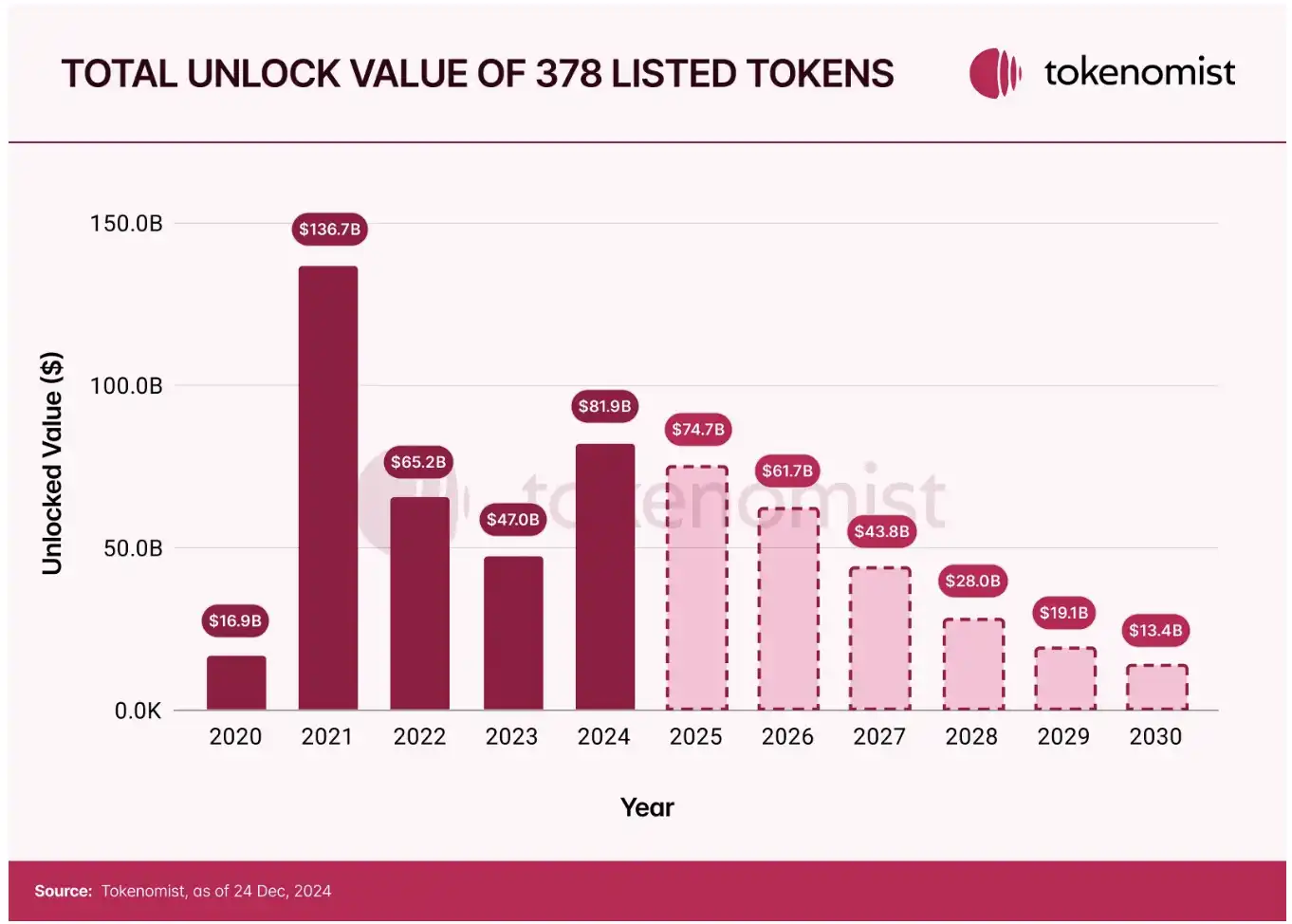
Looking ahead, the market will face immense unlocking pressure. From 2024 to 2025, over $150 billion in tokens are expected to be unlocked, with around $82 billion absorbed in 2024 alone. This poses short-term risks to market stability. However, as lock-up plans are completed, the reduction in unlocking pressure may contribute to long-term market stability.
The low liquidity, high FDV token model has proven to be a double-edged sword. While it can drive rapid price appreciation, it also carries significant risks due to future dilution and unsustainable valuations. As the crypto market matures, both investors and project teams must carefully evaluate token economics to ensure alignment with long-term goals. The evolution of token distribution mechanisms, like that of Hyperliquid, offers promising alternatives that prioritize fairness and sustainability.
It's important to note that these forecasts are based on data from 378 tokens tracked by Tokenomist, representing a portion of the market. New token issuances and changes to existing token economics, such as re-locking or burning mechanisms, may alter these dynamics.
MEME and AI Agents
Throughout 2024, Bitcoin maintained its dominance in the cryptocurrency market, attracting increasing investment from the traditional finance sector. However, the sentiment around the performance of Altcoins has also been growing. Despite the surge in growth at the end of the year, many Altcoins failed to keep pace with Bitcoin.
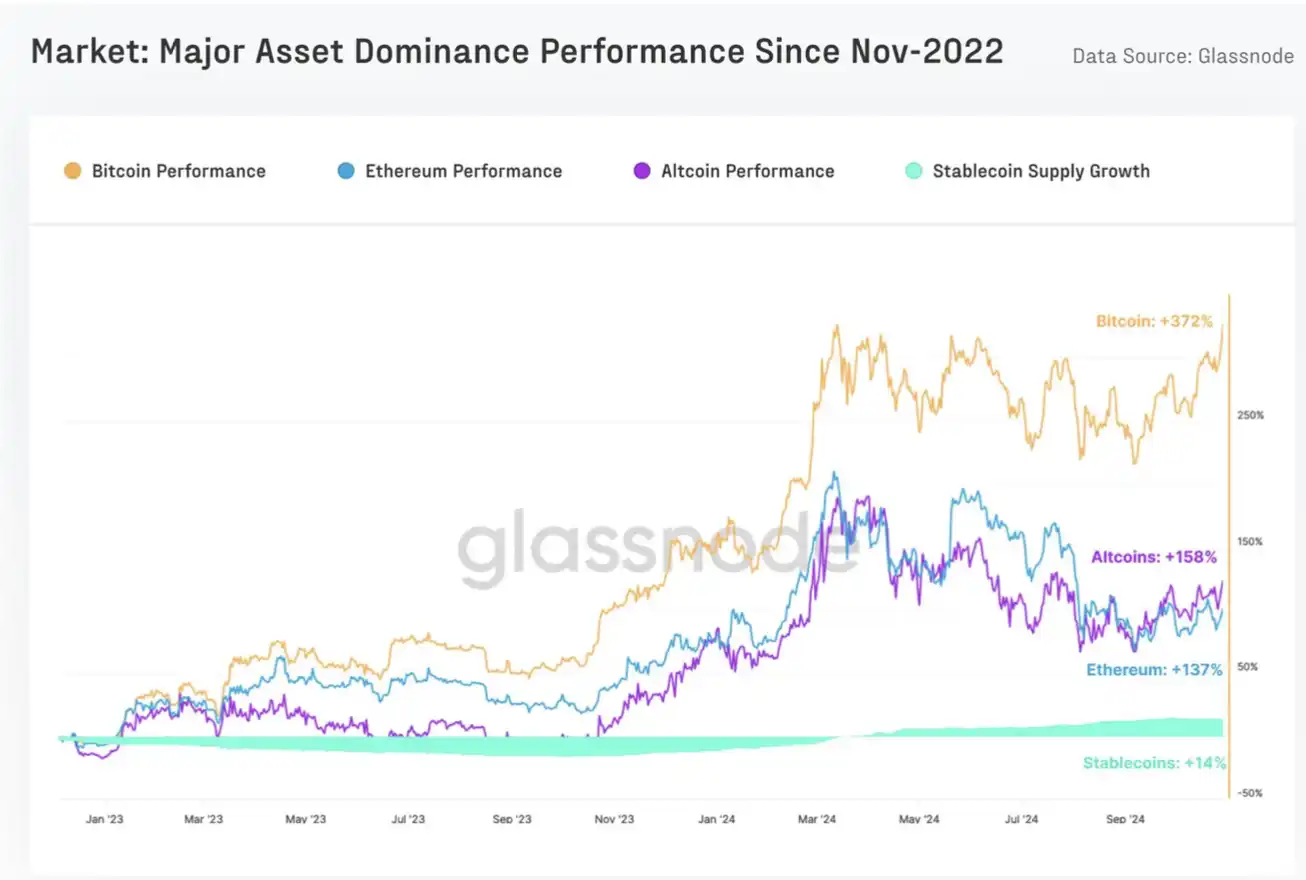
Data analysis shows that among the top 250 Altcoins by market capitalization, only 28.1% outperformed Bitcoin, while 45.5% outperformed Ethereum's performance.
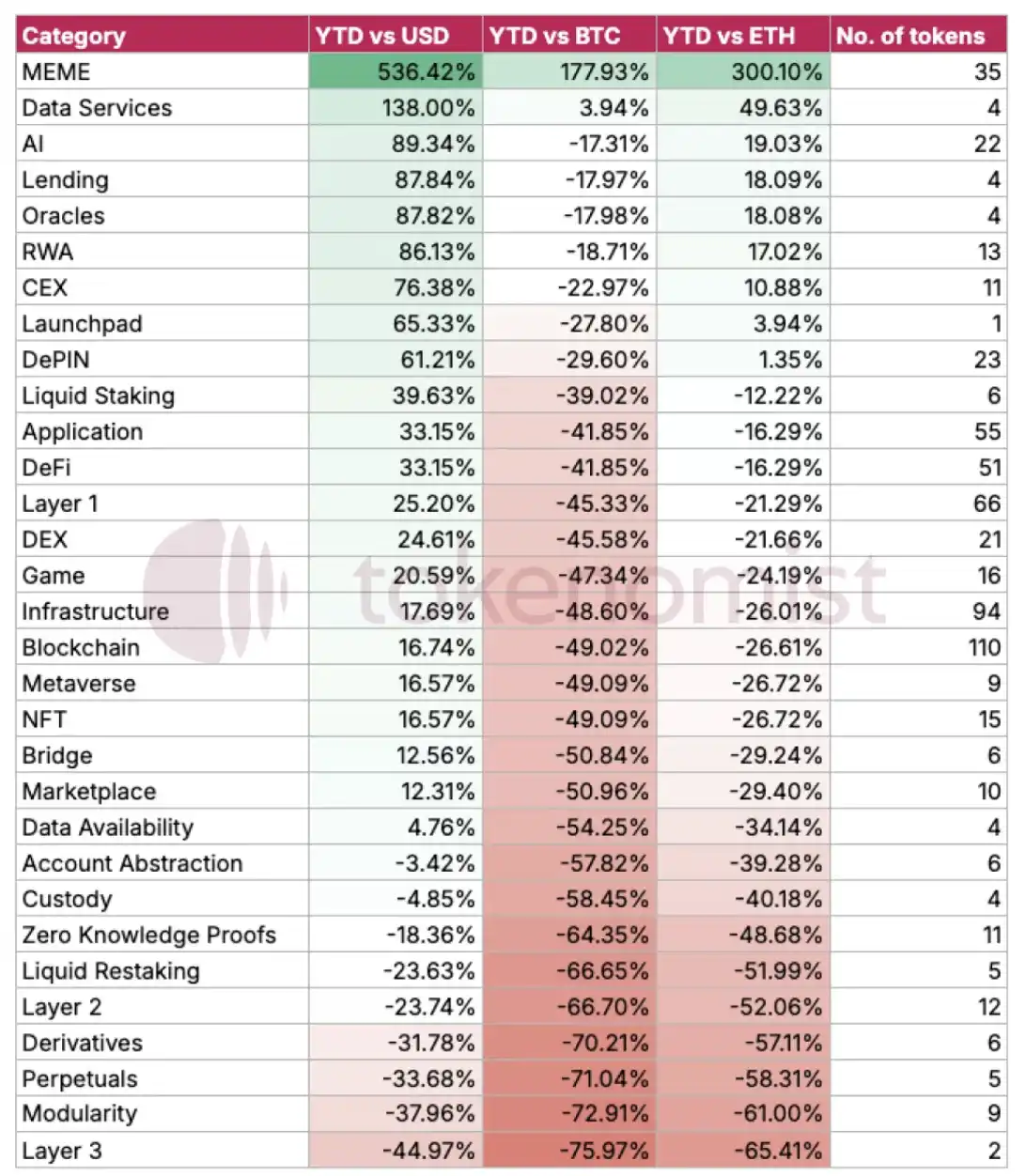
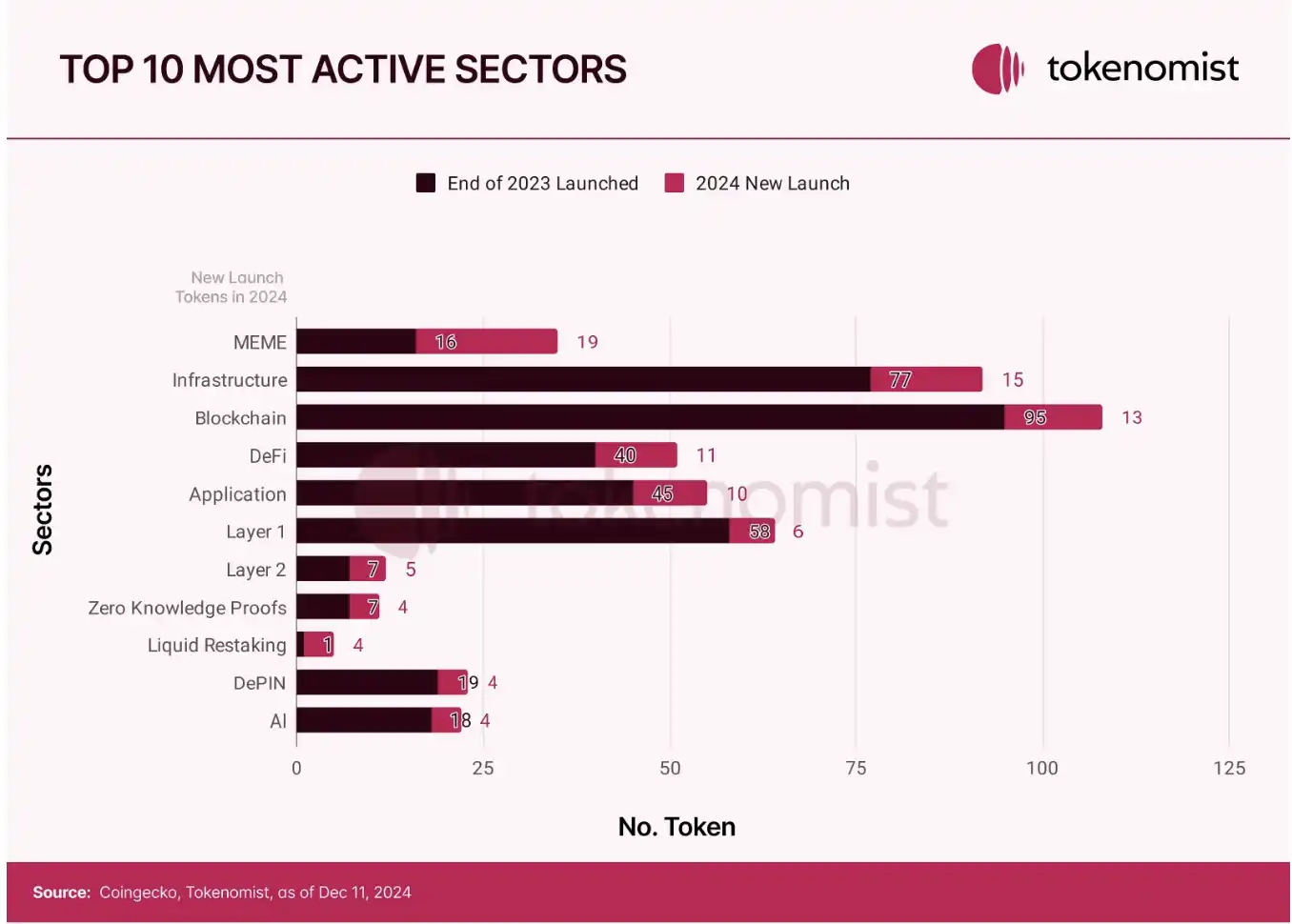
In contrast to the broader Altcoin market, one sector has shown significantly better performance than its peers: Memecoin. This sector exhibited extraordinary growth in 2024, achieving a year-to-date return of 536% - outperforming Bitcoin and Ethereum by 177% and 300% respectively. Notably, 19 out of the top 54 tokens issued this year are Memecoins.
The Allure of Memecoins
The remarkable success of Memecoins has raised important questions about their appeal and sustained popularity. This section explores the data and motivations behind this unique phenomenon.
· Fair Launch Model
One of the key factors driving the appeal of Memecoins is their fair launch model, which made their entire token supply available to the community from day one. This approach ensures 100% circulation, aligning with the core principles of cryptocurrencies: fairness, transparency, and decentralization. Unlike many other projects, Memecoins avoid excessive team allocations or early investor privileges, promoting equitable participation.
This fair launch model resonates strongly with investors, especially as sentiment grows against venture-backed projects. These projects are sometimes criticized for having complex token economics and distribution structures that may appear skewed towards early stakeholders.
Additionally, Memecoins offer a simpler and more easily understandable narrative compared to other Altcoins, which often require significant technical expertise to evaluate. Memecoins focus on community engagement and cultural relevance, making them an effective tool for attracting new cryptocurrency users.
· Long-Term Incentive Alignment
The traditional approach to Web3 community building has primarily relied on token airdrops to incentivize early contributors. These rewards are typically targeted at individuals who create content, participate in Discord, or engage in protocol-specific activities. While this model has effectively sparked initial interest, our analysis reveals significant shortcomings in long-term community retention. Research shows that airdrop hunters often sell their tokens immediately, especially when the distribution does not meet their expectations, leading to a decline in community engagement and potentially negative sentiment towards the protocol.
Our research suggests that Memecoin projects have demonstrated remarkable success in building sustainable communities through an innovative incentive alignment approach. These projects have effectively aligned the interests of the team and the community, creating a scenario described by market participants as "the best marketing is a rising price." Borrowing from Murad's framework, successful crypto communities often exhibit characteristics akin to zealous followers, with loyal supporters and unique shared beliefs. This phenomenon generates a strong shared enthusiasm among participants, enhancing retention and driving organic growth through community-driven initiatives. This approach creates a gamified environment where users feel directly tied to the project's success, incentivizing them to maintain long-term engagement.
· Community Takeovers: A New Paradigm
An emerging trend in protocol governance is Community Takeovers (CTO). CTO occurs when the original developers of a project abandon it, and the community users and token holders take over the future direction and management of the project. As the project shifts to community ownership, token holders become both owners and operators. This dual role fundamentally changes their relationship with the project. Community members must actively participate in governance, development, and marketing to maintain and enhance the value of their held tokens.
· Growth Catalysts
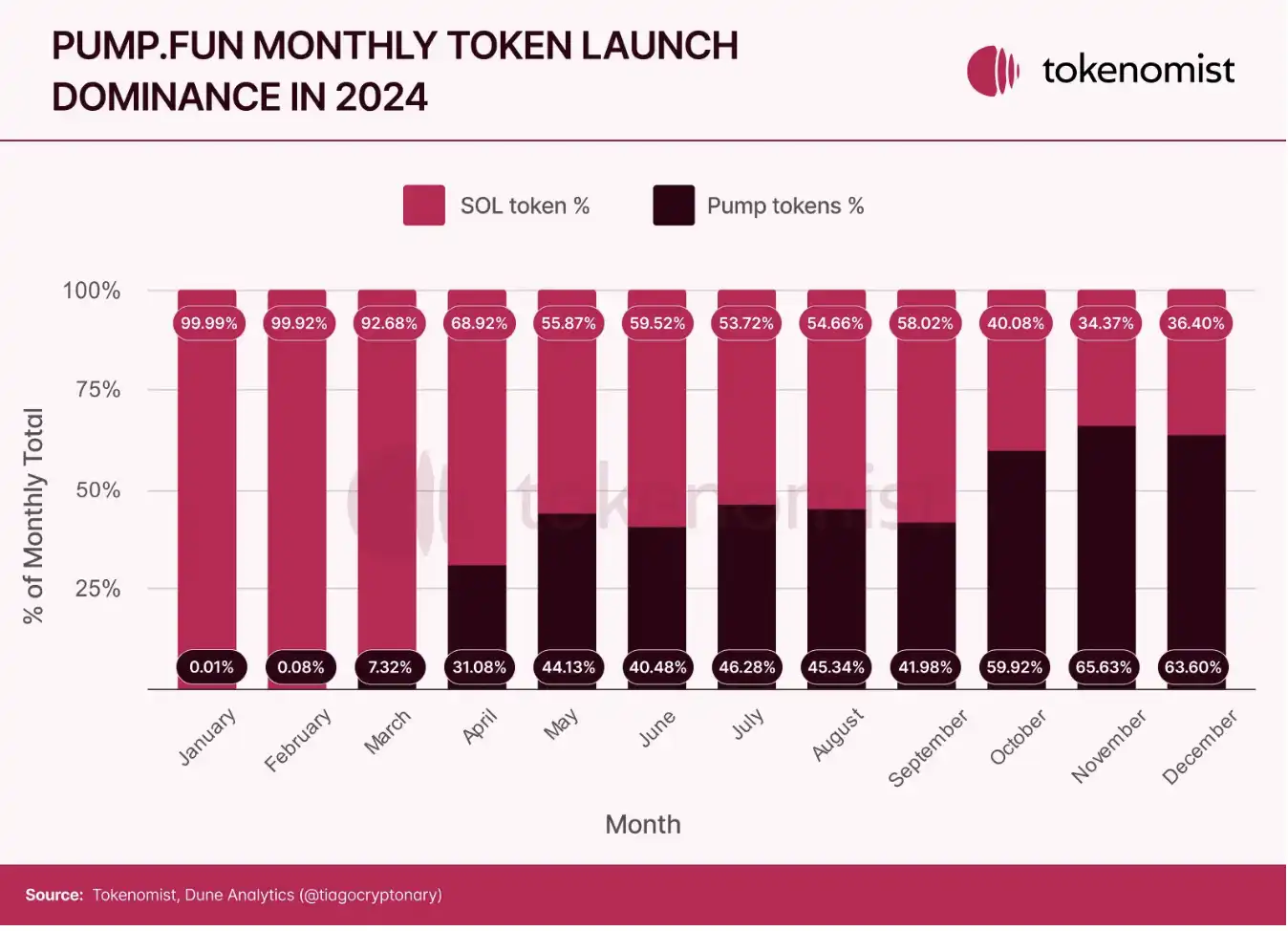
A key catalyst for the Memecoin phenomenon in 2024 was pump.fun, which aimed to make it easier for more people to create and trade their own tokens, significantly lowering the barrier to entry. Since its launch in January 2024, as of January 6, 2025, over 5,581,665 tokens have been created on pump.fun. As shown in the image below, most Solana-based tokens are now issued through pump.fun rather than traditional methods. The success of pump.fun has also sparked competition, with other blockchain ecosystems exploring similar platforms to capitalize on the growing focus on fair token issuance.
· Risks and Limitations
While Memecoins gained significant popularity in 2024, they still carry inherent risks. Like unissued tokens, Memecoins are essentially fads, often experiencing rapid rise and equally swift decline. Similarly, the oversaturation of repetitive Memecoins may dilute their impact, as Murad's "Memecoin Pyramid" illustrates, with successful Memecoins comprising a small fraction compared to those that gradually disappear.
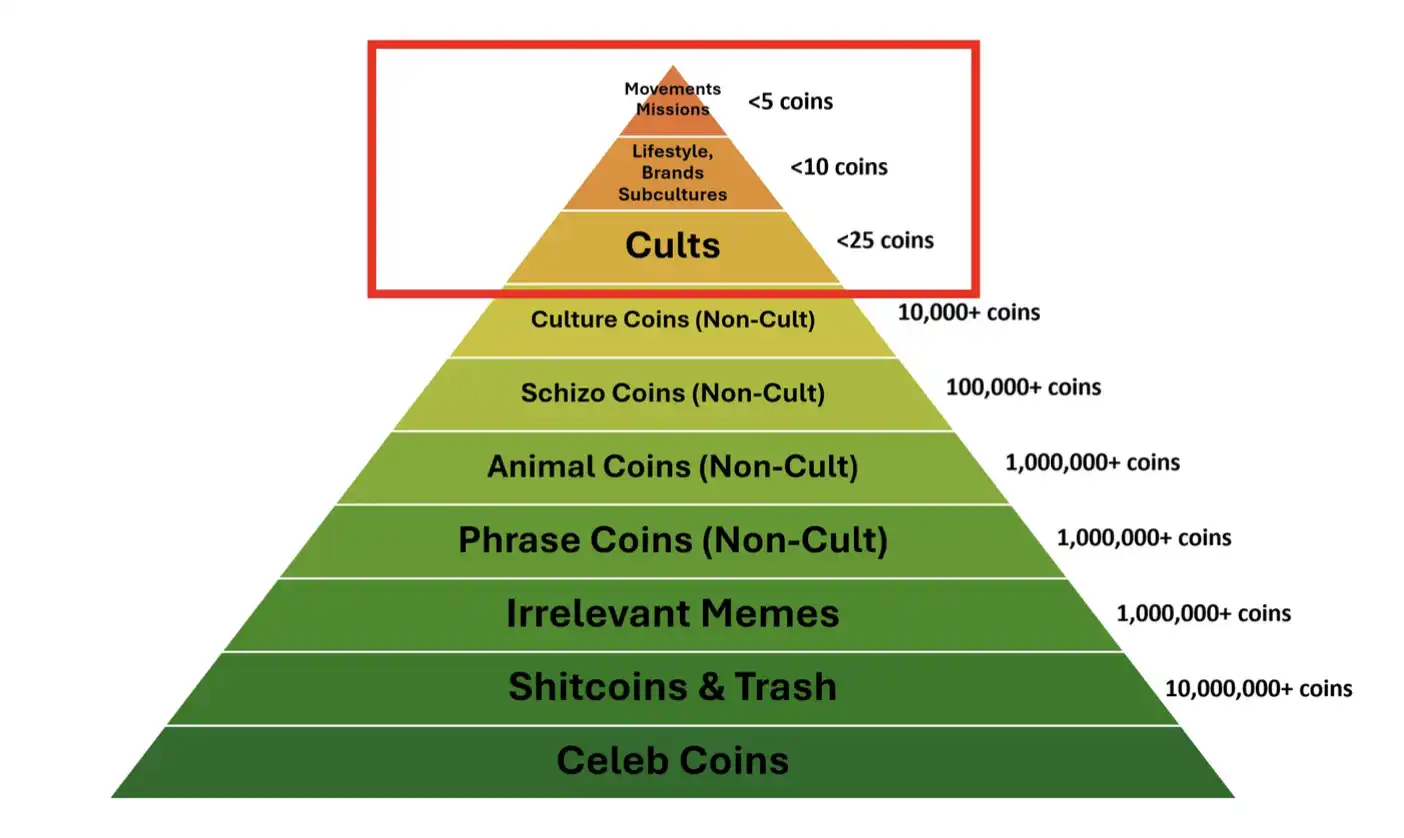
The long-term success rate of Memecoins is significantly lower. According to Chainplay's "State of Memecoins 2024" report, the average lifespan of a Memecoin is one year, with 97% of Memecoins ultimately being considered "dead" (defined as having less than $1,000 in 24-hour trading volume, liquidity below $50,000, and no Twitter updates in three months). Currently, only one Memecoin on pump.fun has a market capitalization exceeding $1 billion, with eight exceeding $100 million.
Another key risk is the potential for malicious activity. While the issuance may be fair, insiders or developers may still control the majority of tokens, undermining the principles of decentralization and allowing for pump-and-dump schemes. Although pump.fun has mechanisms like its bond curve and token "graduation" to Raydium to address this, scams may still go undetected. Even in the case of fairly launched Memecoins, there have been instances of teams or insiders using sybil wallets to target meme coins. It is worth consulting websites like gmgn.ai to obtain risk analysis metrics, such as top 10 token holders, blacklists, developer activity, and bubble charts.
AI Agents
Another prominent area in 2024 was AI Agents. AI Agents are essentially autonomous entities capable of performing tasks and interacting with other users/agents, leveraging blockchain technology for on-chain operations. They are often described as supercharged Memecoins, as they combine elements of memes, AI, and social media to create self-propagating autonomous entities that can interact with users. In 2024, we saw the emergence of major players like Virtuals and ai16z, which provided frameworks for developing and deploying AI Agents.
In an article on crypto predictions for 2025, Dragonfly Capital managing partner Haseeb Qureshi predicted that tokens related to AI Agents will outperform Memecoins in the coming year. He believes that unlike KOLs and influencers, AI Agents never rest, are more conformist, and have fewer self-interests. They also excel at aggregating and amplifying real-time information. Current agents like aixbt, which create alpha information streams by scraping social media data, demonstrate potential incremental improvements over the next one to two years.
However, Qureshi predicts that over time, the innovativeness of these agents may diminish. The oversaturation of AI Agents may lead to a backlash, with the crypto community potentially reverting to a preference for human-centric approaches. Of course, this is also a natural evolution of trends. Nevertheless, Qureshi suggests that the truly transformative impact in this space will come from software engineering agents, which have the potential to fundamentally change the development and security of blockchain projects.
Broader Impact
Furthermore, it is worth noting that the DeFi field has continued to innovate over the past year. OG projects like Aave have maintained strong performance, reaching a new historical high in deposits this year. At the same time, new projects like Ethena have also attracted increasing attention from the traditional finance sector. RWA projects like Ondo Finance have also exceeded expectations this year, possibly driven by the growing demand for tokenization of financial products.
The success of Memecoins and their community-driven token economic models have incentivized the adoption of similar fair launch practices in other domains, such as DeSci tokens. Another noticeable trend is that more projects are allocating a larger proportion of their token distribution to the community during the token launch process.
Another potential trend worth anticipating is the convergence of Memecoins and utility. User @hmalivya9 on X proposed the concept of "community clusters", where a staking system would allow Memecoin holders to stake tokens and earn rewards from multiple utility token projects, essentially gamifying the brand awareness of utility tokens. hmalivya9 envisions this symbiotic relationship as a blueprint for the future structure of crypto communities, where entertainment and utility intertwine. This concept is not entirely new, as seen in Hyperliquid and its native spot token $PURR, where holders can receive airdrops of other spot tokens within the Hyperliquid ecosystem and earn Hyperliquid credits. $PURR can only be traded within Hyperliquid, significantly increasing its user base.
In the coming year, AI agents will also see continued development. a16z has proposed a token economic model where token staking serves as a verification system, providing platform access, enabling governance participation, and establishing accountability through potential penalties. In this evolving staking model, the economic interests of stakeholders are directly tied to their contributions to the quality and growth of the ecosystem.
2025 will undoubtedly be an exciting year, whether it's the evolution of existing trends or the emergence of new ones.
Welcome to join the official BlockBeats community:
Telegram Subscription Group: https://t.me/theblockbeats
Telegram Discussion Group: https://t.me/BlockBeats_App
Twitter Official Account: https://twitter.com/BlockBeatsAsia