Author:Marco Manoppo
Compiled by: TechFlow

In 2025, attention will become the "new currency" more important than data.
In today's era, Mindshare has become the key to business success. If you think I'm starting with an obvious point like those typical venture capitalists, you're right - but please keep reading.
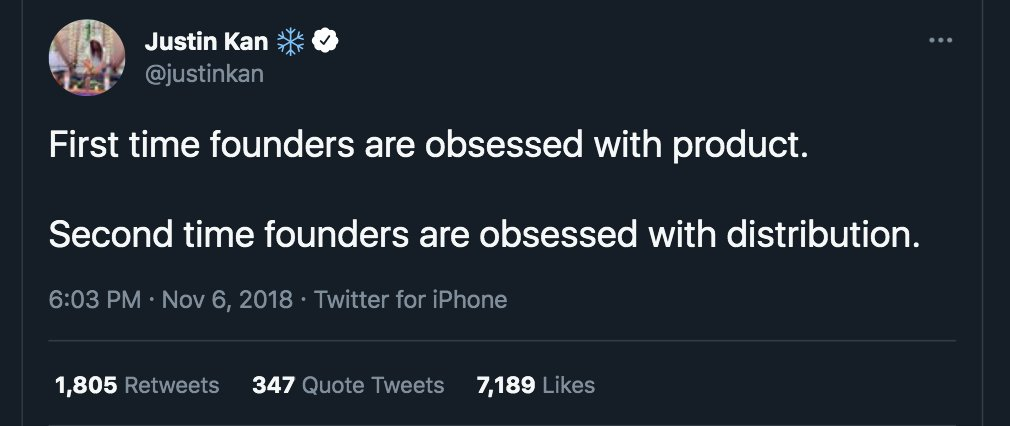
Attention has always been the most important "currency" in the business world. This is also the core logic of commodity sales. Even before the birth of the Internet, the golden age of print media and advertising had already proven this. At that time, tobacco companies attracted public attention by associating with controversial social issues and movements, thereby increasing sales.
In simple terms, attention brings Mindshare, and Mindshare determines distribution efficiency.
Subsequently, the brand era arrived. Brands like Nike, Lucky Charms, and Nutella have successfully occupied consumers' Mindshare through emotion-driven marketing strategies, thereby achieving higher profit margins. Consumers are willing to pay a 30% premium for the exact same product, solely because of the brand's image in their minds. I was also a victim of this, as a college student, I was crazy about collecting Supreme's Box Logo, which is now a "shameful era" in retrospect.

I almost spent $1,000 on these things, when I should have invested in ETH.
Fast forward to the 2020s, our world has become fully digitized, and the battle for Mindshare has shifted online.
This trend has been significantly accelerated during and after the COVID period, but its origins can be traced back to the rise of YouTubers over the past 15-20 years. Early content creators like Ryan Higa and Smosh initially just made "fun little videos" out of interest. However, the rise of social media platforms has changed everything. Platforms like Facebook, Twitter, and Instagram, through the compound effect of viral propagation, have propelled YouTubers and independent creators to a higher position than most second-tier celebrities.
For example, Casey Neistat started his daily vlog in 2015. At the time, it was still rare for large YouTubers to undertake commercial projects using their influence. However, today's MrBeast has already built a multi-million dollar business empire through his content distribution channels. Rhett & Link have also successfully acquired and expanded the Mythical Entertainment network through their YouTube audience.
It is evident that all businesses are now competing for Mindshare.
Mindshare essentially represents a premium. In the modern capital market, this premium is directly reflected in your stock price or token price. For example, if Elon Musk did not frequently speak on social media, Tesla's market value might not have reached its current height. I believe this trend will continue to develop over the next five years and will be further financialized. This also lays the foundation for what we call "InfoFi" (Information Financialization) today.

If you understand this meme, we can be friends.
What is InfoFi?
InfoFi (Information Financialization) is a concept promoted by Kaito, but I believe its connotation is much broader and deeper than the initial definition.
According to Grok's definition (citing Kaito's perspective), InfoFi is:
"An emerging concept that combines financial incentives with the generation, verification, and distribution of information, primarily applied in decentralized systems. Its goal is to introduce market mechanisms to solve various problems in the current information economy, such as unreliable data, algorithmic bias, and unfair value distribution, in order to ensure that information is more accurate, trustworthy, and can be efficiently organized and disseminated."
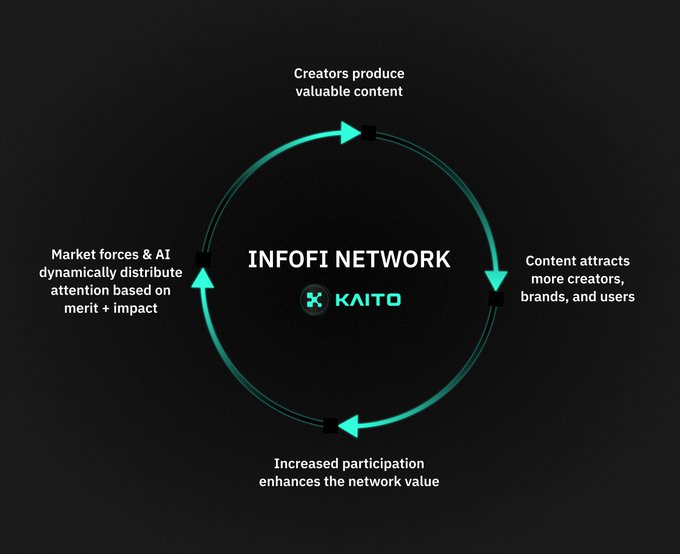
This definition is undoubtedly correct, but I believe the core meaning of InfoFi is more far-reaching.
→ Essentially, the core of InfoFi is to tokenize the information supply chain.
In other words, information is no longer just a free resource, but an asset that can be valued, traded, and optimized through financial mechanisms.
For a long time, the monetization of attention has usually depended on creating a separate product and then directing attention to that product. This model has been proven successful, such as:
Food bloggers earning from recommending restaurants or seasonings (like Uncle Roger and David Chang);
Fashion bloggers launching their own clothing brands (like Alexa Chung and the Kardashians);
Fitness bloggers promoting protein powders or energy drinks (like Christian Guzman);
Investors and financial institutions profiting from selling financial products (like ARK Invest or venture capital funds for high-net-worth clients);
Some fake financial gurus profiting from trading signal groups (you know the ones);
Some toxic masculinity internet celebrities profiting from pyramid schemes (you know the ones).
However, we are now entering a new era - an era where Mindshare can be traded directly.
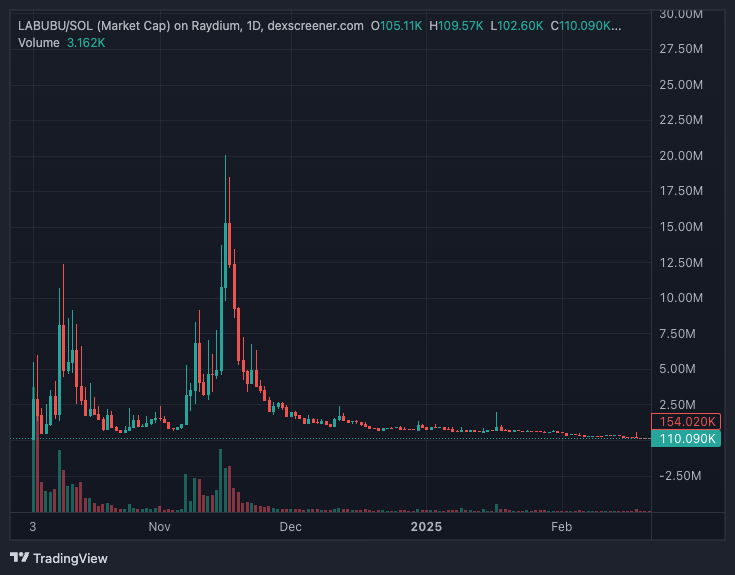
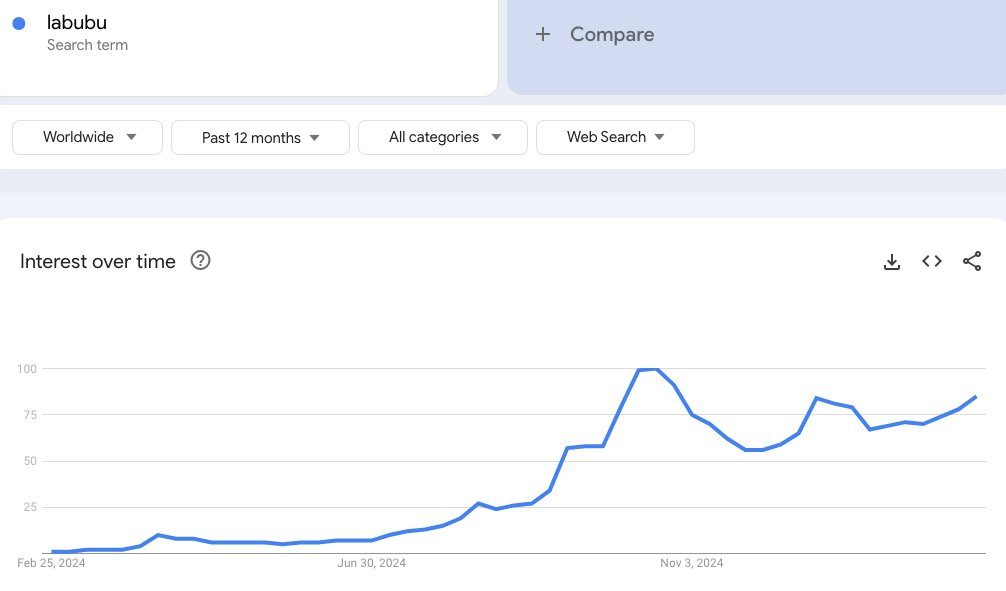
Imagine a scenario where, in the future, people no longer need to create derivative businesses to monetize their attention, but can directly invest and trade cultural trends, narratives, or attention cycles. For example, when Labubu becomes a hot topic, there is currently no efficient way for people to bet on its continued popularity. Although a meme coin called $LABUBU briefly appeared, its price movement was more influenced by the overall crypto market fluctuations, rather than the heat or Mindshare of Labubu itself.
InfoFi provides an alternative: a more direct and liquid mechanism for speculating and trading attention itself.
The Critical Role of Oracles in InfoFi
To make InfoFi (Information Financialization) a mature and reliable field, trustworthy oracles are indispensable. The main role of oracles is to securely bring off-chain data (such as market sentiment, social trends, etc.) into the blockchain system and ensure the data is tamper-proof. Since the core of InfoFi is the trading of narratives, trends, and market sentiment, real-time and accurate data feeds are particularly important.
Currently, oracle solutions like UMA, Chainlink, Pyth, and API3 have already provided critical off-chain data services for decentralized finance (DeFi). These oracles support DeFi applications in completing staking settlements, verifying market trends, and aggregating price information from multiple data sources.
Challenges and Limitations of Current Oracle Technology
Although decentralized oracle technology has made some progress, to fully support the development of InfoFi, it still faces the following major challenges:
Lack of real-time sentiment analysis capabilities. Currently, most oracle networks mainly focus on providing price data or the results of structured events. However, the development of InfoFi requires oracles to be able to track and quantify social sentiment, user engagement trends, and virality-related metrics in real-time, with as little latency as possible.
Issues of data verifiability and subjectivity. Unlike price data, sentiment analysis often involves subjectivity. For example, how to define "positive" or "negative" sentiment? How to ensure these data are objective, trustworthy, and not subject to human manipulation?
Scalability of data sources. Current oracles typically rely on a limited set of verified data sources, such as exchanges or specific news websites. However, InfoFi requires a broader data coverage, including news articles, social media posts, prediction markets, and niche forums, in order to provide more comprehensive and accurate insights.
The risk of data manipulation. Since the core of InfoFi is speculation around narratives and trends, some may intentionally amplify certain narratives or trends through bot farms or fake participation. Oracles must have the ability to identify and filter out these abnormal behaviors to prevent data from being maliciously manipulated.
The economic incentive mechanism for data providers. How to ensure the reliability of the data provided by oracles? This requires designing a reasonable incentive mechanism, such as through Staking, Slashing, and reputation scoring, to encourage data providers to report data honestly and effectively constrain improper behavior.
Future development direction of oracles
To meet the needs of InfoFi, oracle technology needs to evolve further. Future oracles may integrate the following key features:
AI-driven data aggregation: Using artificial intelligence technology to extract valuable information from massive data and quickly analyze and integrate it.
Incentive-aligned reputation mechanism: Designing reasonable reward and punishment mechanisms to ensure that the behavior of data providers is consistent with the system's goals.
Real-time trend verification: Providing faster and more accurate trend analysis and verification capabilities to support financial products based on narratives.
Through these improvements, oracles will be able to better support the development of InfoFi and provide security, scalability, and resistance to manipulation for financial products based on narratives and trends.
Expansion of the InfoFi market scope
Prediction markets can be seen as an early attempt at InfoFi (information financialization), where speculators can bet on real-world events based on information advantages. For example, platforms like Polymarket, Kalshi, and Augur have already demonstrated the potential of this model, although their user base is still relatively niche.
Similarly, there is the concept of data markets. This idea was proposed during the 2017 ICO boom (revealing my age), trying to commoditize data sets and allow users to trade them. However, due to the vague value proposition of these projects and the inefficient token economic model, they ultimately failed to gain widespread market recognition.
In contrast, InfoFi represents a more mature and scalable version of these concepts. Unlike simple betting or data trading, the core of InfoFi is to transform "Mindshare" - people's attention and interest - into a new tradable asset class.
Here are some potential InfoFi application scenarios:
Narrative-based ETFs: Designing tokenized asset portfolios to track specific focus topics. For example, an "AI Trend Index" could track popular AI-related topics, and a "Metaverse Hype Basket" could focus on the discussion heat of metaverse concepts.
Influencer-related financial instruments: Tokenizing the future revenue of creators, allowing fans to speculate on the future influence of the creators.
Memecoin derivatives: Providing a more refined way for people to speculate on cultural phenomena without relying on traditional cryptocurrency economic models.
Tokenized media channels: Tokenizing content subscription platforms, allowing users to buy and trade ownership shares of these platforms.
However, a key question remains for the future of InfoFi: will a killer application emerge that can establish InfoFi as an independent financial domain, rather than just a branch of decentralized finance (DeFi)?
Key Insights
Redefining the value of information. InfoFi challenges the traditional notion of "information is free." It proposes that attention, narratives, and data itself have inherent value that can be traded and speculated on through financialization.
Natural evolution of the attention economy. As Mindshare (attention) plays an increasingly important role in determining financial outcomes, the market will develop more direct ways to capture and monetize these attention cycles.
Unlocking a new financial market. InfoFi opens up a new market that allows people to directly speculate on cultural phenomena, influencer growth, and popular narratives, rather than just directing attention to traditional business models.
The key to success is product-market fit. The challenge for InfoFi is to design financial instruments that are highly liquid, scalable, and sufficiently attractive, so that it becomes a new financial paradigm, rather than just another DeFi gimmick.
Final Thoughts
While InfoFi is still in its early stages of development, the financialization of attention is almost inevitable. From prediction markets to influencer-based financial instruments to tokenized trends, the core of the next wave of financial innovation will revolve around how to effectively assess and trade digital Mindshare.